
WOMEN’S RIGHTS IN INDONESIA
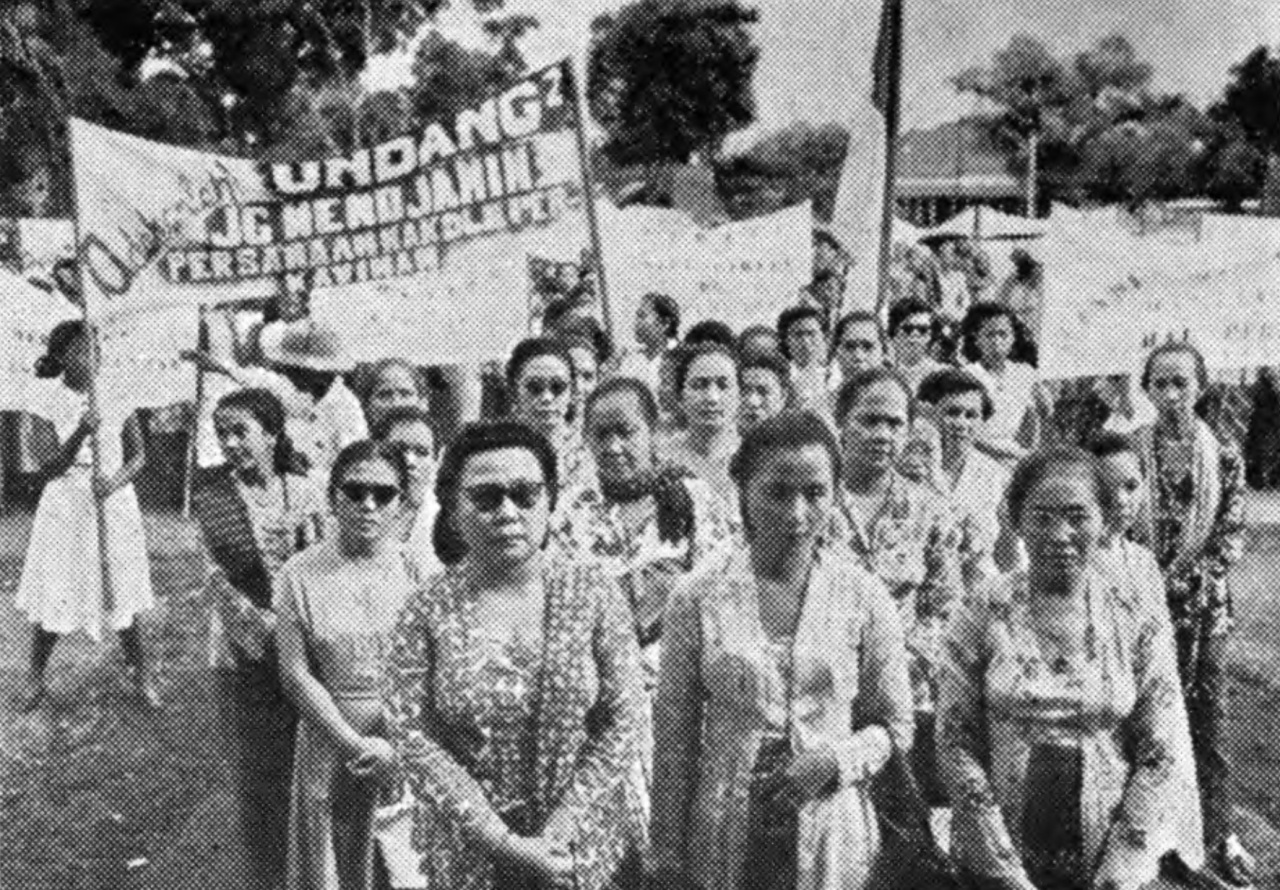
On March 9, 2006 — International Women’s Day — women’s groups in Jakarta protested against a proposed “pornography bill” imposing strict Islamic dress codes and conduct rules on women but not men, urging the government to prioritize issues such as domestic violence and human trafficking. Activists pointed to conditions in regions such as Banda Aceh, where strict interpretations of Islamic law had led to restrictions on women’s behavior, including dress codes and limits on movement. [Source: Jill Forshee, “Culture and Customs of Indonesia”, Greenwood Press, 2006]
Protesters opposed the proposed anti-pornography bill, arguing that it unfairly targeted women while ignoring broader social issues. They called on the government to stop placing the burden of “morality” primarily on women. As conservative religious influence has grown in parts of Indonesia, many activists warn that women’s freedoms are being reduced. Demonstrators in Jakarta argued that such measures risked reversing progress, returning women to a time when they had far less autonomy in both public and private life.
Organizations like Dharma Wanita — official organization for wives of Indonesian Civil Servants (PNS).— and state-driven nationalist policies created clearly defined expectations for Indonesian women, but they also gave women a framework to push back against those norms. Even within roles as wives and mothers, many women became increasingly outspoken about marriage, family life, subservience, and their limited opportunities.
Some progress has been made. In the early 2010s, Indonesia’s Supreme Court recently instructed judges to uphold a Constitutional Court ruling granting legal rights—including inheritance—to children born outside formal marriage, and to hold negligent fathers accountable.
RELATED ARTICLES:
WOMEN IN INDONESIA: STATUS, WORK, ISLAM, HIJAB factsanddetails.com
GENDER IN INDONESIA: VIEWS, ROLES, DIVISIONS factsanddetails.com
FAMILIES AND KINSHIP IN INDONESIA factsanddetails.com
MARRIAGE IN INDONESIA: LAWS, TYPES, TRADITIONS factsanddetails.com
CHILDREN IN INDONESIA factsanddetails.com
CHILD HEALTH, PREGNANCY AND BIRTH IN INDONESIA factsanddetails.com
RITES OF PASSAGE FOR INDONESIA CHILDREN: BIRTH RITES AND CIRCUMCISION factsanddetails.com
WEDDINGS IN INDONESIA: INVITATIONS, GIFTS, THE RECEPTION AND PHOTOGRAPHS factsanddetails.com
WEDDINGS OF DIFFERENT ETHIC GROUPS IN INDONESIA: JAVANESE, CHINESE, SUNDANESE AND BATAK factsanddetails.com
COURTSHIP, DATING AND LOVE IN INDONESIA factsanddetails.com
POLYGAMY IN INDONESIA factsanddetails.com
DIVORCE IN INDONESIA factsanddetails.com
BALINESE FAMILY: MARRIAGE, WOMEN, RITES OF PASSAGE factsanddetails.com
JAVANESE SOCIETY: FAMILY, MARRIAGE, GENDER, CUSTOMS, CLASSES factsanddetails.com
INDONESIAN SOCIETY factsanddetails.com
CLASSES, HIERARCHIES AND STRATIFICATION IN INDONESIAN SOCIETY factsanddetails.com
PEOPLE IN INDONESIA: UNITY, DIVERSITY, CHARACTERISTICS, ADAT factsanddetails.com
ETIQUETTE AND CUSTOMS IN INDONESIA factsanddetails.com
SOCIAL CUSTOMS IN INDONESIA factsanddetails.com
Women’s Issues in Indonesia
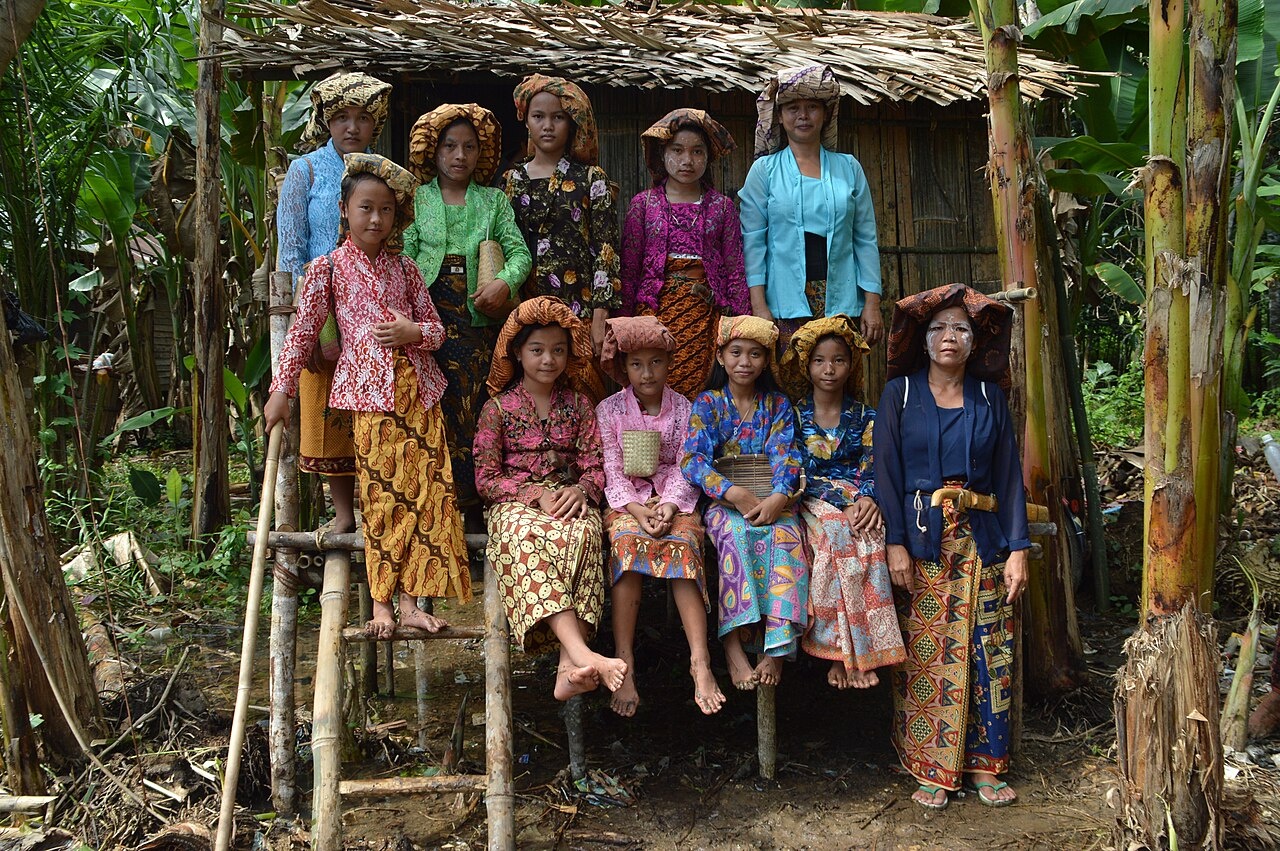
The Domestic Violence Act, passed in 2004, criminalises domestic violence. Although nationwide figures on sexual assault are unavailable, local newspapers have reported an increase in violence against women. According to the National Commission on Violence Against Women (Komnas Perempuan), 78.7 percent of the 8,234 reported incidents of violence against women in 2020 were domestic violence cases, the Jakarta Post reported. [Source: Worldmark Encyclopedia of Nations, Thomson Gale, 2007; Ryan General, Nextshark, December 17, 2021]
Despite official equality, women often find it hard to exercise their legal rights in practice. Although women constitute around a quarter of the civil service, they hold very few top posts. Female workers generally receive lower pay than men. Although maternity leave is mandated by law, many women lose their jobs as a result of pregnancy. Trafficking in women and children remains a problem.
Marriage laws define the husband as the head of the family, and divorce procedures are much more difficult for a woman. Rape cases are frequently mishandled, and victims are often blamed. Unregistered polygamous marriages are said to be widespread. A child's citizenship is derived solely from the father. The National Commission on Violence Against Women is advocating revisions to the country’s 1974 marriage law to better protect women and children.
Women Rights Statistics:
Women aged 20-24 years who were first married or in union by age 18: 16 percent.
Women who say wife beating is justified: 32 percent.
Men who say wife beating is justified: not available.
Women aged 15-49 who have undergone female genital mutilation: 51 percent.
[Source: UNICEF DATA data.unicef.org]
Sharia in Aceh Official Urges That Gang-Rape Victim Be Caned
Controversial statements about sexual violence occur from time to time in Indonesia. In 2011, after a gang rape on a public minibus, then-Jakarta governor Fauzi Bowo sparked protests by suggesting women avoid wearing miniskirts on public transport to prevent provoking men. He later lost his reelection bid. Similarly, Education Minister Mohammad Nuh drew criticism after suggesting that some girls falsely report rape, claiming such cases are difficult to verify. [Source: Niniek Karmini. Associated Press, February 18, 2013]
In 2014, Associated Press reported: “An Indonesian woman who was gang-raped by men who accused her of having extramarital sex may be caned publicly for violating Islamic law, an official said Wednesday. The woman, a 25-year-old widow, said she was raped by eight men who found her with a married man in her house, reports said. The man was reportedly beaten and the two were doused with sewage before being turned over to the Islamic police. The reported rape occurred in Lhokbani, a village in the East Aceh district. The head of Islamic Sharia law in the district, Ibrahim Latief, said his office had recommended that the woman and the married man be caned nine times for violating religious law by being in the same room together, pending an investigation. Indonesia, the world’s most populous Muslim nation, has a policy of secularism but allows Aceh, a predominantly Muslim province, to have sharia [Source: Associated Press, May 7, 2014]
Indonesian Woman Charged with Domestic Violence for 'Nagging' Her Husband Is Acquitted
In December 2021, an Indonesian woman accused of domestic violence for allegedly “nagging” her husband was acquitted by a court in West Java. The Karawang District Court cleared 45-year-old housewife Nengsy Lim, also known as Valencya, of the charges. She had been accused of causing psychological harm to her husband through frequent scolding and arguments, which prosecutors classified as domestic violence. [Source: Ryan General, Nextshark, December 17, 2021]
According to the case, her husband, Chan Yung Chin, a Taiwanese national, reported her to authorities in September 2020. Prosecutors alleged that Lim often reprimanded him harshly and even forced him out of the house. Lim, however, testified that her husband was frequently intoxicated, and she broke down in tears when the court declared her not guilty. A conviction could have led to a one-year prison sentence.
The case quickly gained traction online, sparking a wave of support and criticism of how Indonesia’s domestic violence laws are applied. Many social media users pointed out the apparent double standard, noting that authorities seemed to act more swiftly in this case than in cases involving physical or sexual abuse against women.
The hashtag #savevalencya went viral, and an online petition calling for her acquittal gathered thousands of signatures. Lim later said that public support played a crucial role in the outcome, while legal advocates also credited media attention for bringing the case into the national spotlight.
Women’s rights activists say the case highlights ongoing challenges in addressing domestic violence in Indonesia. Despite existing laws, enforcement remains inconsistent, and critics argue that authorities still struggle to adequately protect victims and apply the law fairly.
Indonesia Introduces Women-only Train Carriages
As a train pulled into Jakarta, 19-year-old student Wiwit Wahyuningsih relaxed in a pink-cushioned seat inside a carriage reserved exclusively for women. For her, the experience brought relief—she no longer had to worry about being stared at, pinched, or groped in the overcrowded commuter trains where harassment is common, especially during rush hour. [Source: Irwan Firdaus. Associated Press, August 20, 2010]
Gender segregation is generally rare in Indonesia outside of religious settings, but the state rail operator, PT Kereta Api Indonesia, introduced women-only carriages after receiving numerous complaints. With women now making up about half of the 500,000 ყოველდღ commuters in the Jakarta area, the move was seen as a response to growing safety concerns as more women enter the workforce.
The service, initially launched with two women-only cars on an eight-car train, quickly drew attention. Company spokesman Makmur Syaheran said the goal was to provide protection and comfort, adding that the program could expand if successful. Reports of harassment had recently surged in the media and online, fueling public discussion.
The issue also gained cultural visibility when a viral YouTube video featuring the song “Keong Racun” (“Poisonous Snail”) depicted a young woman being persistently harassed by an older man. As the song spread widely online, it helped amplify conversations about everyday harassment faced by women.
Many female passengers welcomed the new carriages. Regular commuters described them as cleaner, calmer, and free from unwanted attention. Some, however, noted that demand exceeded capacity, with more women crowding into the limited space than the two designated cars could accommodate.
Officials emphasized that using the women-only cars is optional, and women can still ride in mixed carriages. While some critics argue that segregation may seem like a step backward, sociologists suggest the policy should be understood as a practical safety measure rather than discrimination. Similar systems already exist in countries such as Malaysia, Japan, and India, reflecting a broader regional effort to address harassment in public transport.
Indonesian Women Make Advances Using Social Media
A judge being interviewed for a Supreme Court position jokes that women might enjoy rape. A local official marries a 17-year-old woman, then quickly divorces her via text message. Both cases reflect the long-standing attitudes towards women's rights and safety in Indonesia. The difference now: Both officials are at risk of losing their jobs.”[Source: Niniek Karmini. Associated Press, February 18, 2013]
Women across this social-media-driven nation have been mobilizing—both online and in public demonstrations—against sexist remarks and violence targeting women. Their activism marks a modest but meaningful advance for women’s rights in Indonesia, a secular המדינה where most citizens practice a moderate form of Islam. “We are living in a different era now,” said Husein Muhammad of the National Commission on Violence Against Women. He noted that stronger legal frameworks and the power of social media now help impose real consequences and social pressure on offenders.
One high-profile case involved Aceng Fikri, the head of Garut district in West Java, who divorced his teenage bride just four days after their wedding, claiming she was not a virgin—a charge she denied. Public outrage began slowly after a photo of the couple circulated online, then intensified rapidly through local media and platforms such as Twitter, blogs, Facebook, and mobile messaging networks.
By December, thousands of protesters had taken to the streets. Students and women’s rights activists in Garut demanded Fikri’s resignation, publicly denouncing him by burning his outside government offices. President Susilo Bambang Yudhoyono issued a rare condemnation, and the Supreme Court later recommended Fikri’s dismissal for violating marriage laws. Police also launched an investigation because the case involved a minor.
Public anger flared again in January when Judge Muhammad Daming Sunusi remarked during a parliamentary selection process that imposing the death penalty for rape might be misguided because both the perpetrator and victim “might have enjoyed” it—a comment that reportedly drew laughter. Though he later apologized, calling it a joke, the backlash was swift. “Enough is enough!” said Muhammad. “Officials must stop making such outrageous statements, even in jest.”
Sunusi was ultimately rejected for a Supreme Court position, and the Judicial Commission recommended his dismissal from the South Sumatra High Court. However, the Supreme Court indicated that such punishment might be excessive since the remark was made outside a courtroom setting.
Image Sources: Wikimedia Commons
Text Sources: “Encyclopedia of World Cultures Volume 5: East/Southeast Asia:” edited by Paul Hockings, 1993; “Culture and Customs of Indonesia” by Jill Forshee, Greenwood Press, 2006; National Geographic, New York Times, Washington Post, Los Angeles Times, Smithsonian magazine, Encyclopedia.com, Library of Congress, Indonesia Tourism website (indonesia.travel), Indonesia government websites, Live Science, The Conversation, The New Yorker, Time, BBC, CNN, Reuters, Associated Press, AFP, Lonely Planet Guides, Google AI, Wikipedia, The Guardian and various websites, books and other publications.
Last updated April 2026