
COURTSHIP IN INDONESIA
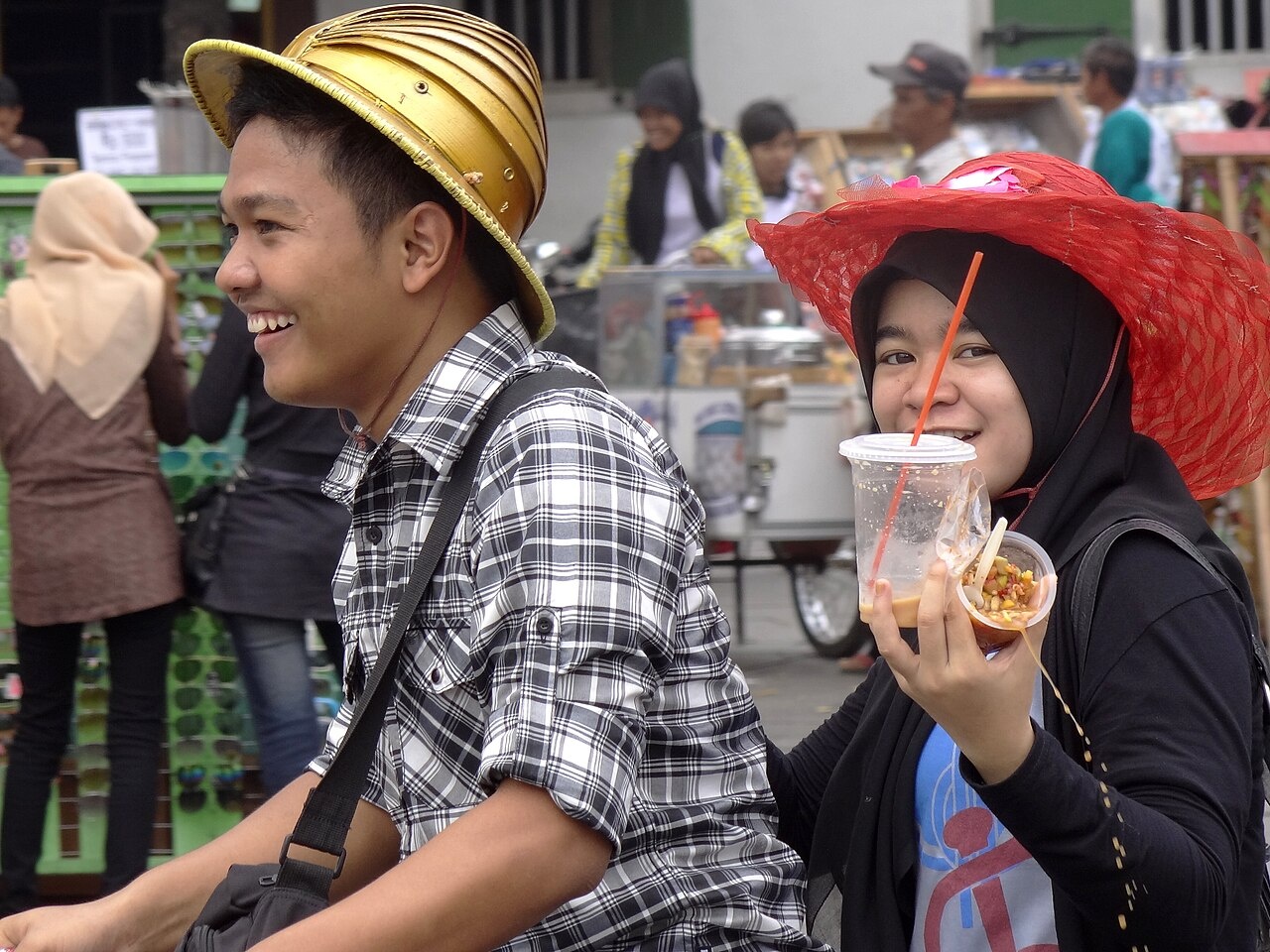
Courtship in Indonesia ranges from casual flirting to serious relationships that may or may not lead to marriage, with customs varying by region, class, and religion. In most cases, however, family approval remains essential. Male suitors are typically expected to gain the consent of the woman’s family, and a man’s own parents often have significant influence over his choice of partner. [Source:Jill Forshee, “Culture and Customs of Indonesia”, Greenwood Press, 2006]
In Muslim communities, especially in Java, a woman’s virginity is closely tied to family honor, and sexual purity is expected before marriage. In some outer island regions, where Islam and Christianity have had less historical influence, attitudes toward sexuality have traditionally been more flexible, sometimes linked to social status rather than strict moral codes.
Historically, marriages were often arranged through family intermediaries, sometimes following preferred kinship patterns such as cross-cousin marriage. Even today, when arranged marriages occur, couples are usually given the opportunity to meet and decide if they are compatible. While families may exert pressure, they rarely force a marriage unless motivated by economic need or the desire for a high bride price. Still, some men marry to satisfy their parents but maintain distant relationships with their wives.
In rural areas, courtship often unfolds gradually. A boy may visit the village of a girl he likes and observe her from a distance at first. Communication between the two is usually carried through friends or relatives, and eventually he may be invited to her home. From there, family involvement becomes important, and the relationship develops with their awareness. Over time, a girl may be permitted to go for a walk with the boy or ride on the back of his motorbike.
RELATED ARTICLES:
MARRIAGE IN INDONESIA: LAWS, TYPES, TRADITIONS factsanddetails.com
FAMILIES AND KINSHIP IN INDONESIA factsanddetails.com
GENDER IN INDONESIA: VIEWS, ROLES, DIVISIONS factsanddetails.com
WEDDINGS IN INDONESIA: INVITATIONS, GIFTS, THE RECEPTION AND PHOTOGRAPHS factsanddetails.com
WEDDINGS OF DIFFERENT ETHIC GROUPS IN INDONESIA: JAVANESE, CHINESE, SUNDANESE AND BATAK factsanddetails.com
POLYGAMY IN INDONESIA factsanddetails.com
WOMEN IN INDONESIA: STATUS, WORK, ISLAM, HIJAB factsanddetails.com
CHILDREN IN INDONESIA factsanddetails.com
CHILD HEALTH, PREGNANCY AND BIRTH IN INDONESIA factsanddetails.com
RITES OF PASSAGE FOR INDONESIA CHILDREN: BIRTH RITES AND CIRCUMCISION factsanddetails.com
BALINESE FAMILY: MARRIAGE, WOMEN, RITES OF PASSAGE factsanddetails.com
JAVANESE SOCIETY: FAMILY, MARRIAGE, GENDER, CUSTOMS, CLASSES factsanddetails.com
Dating in Indonesia
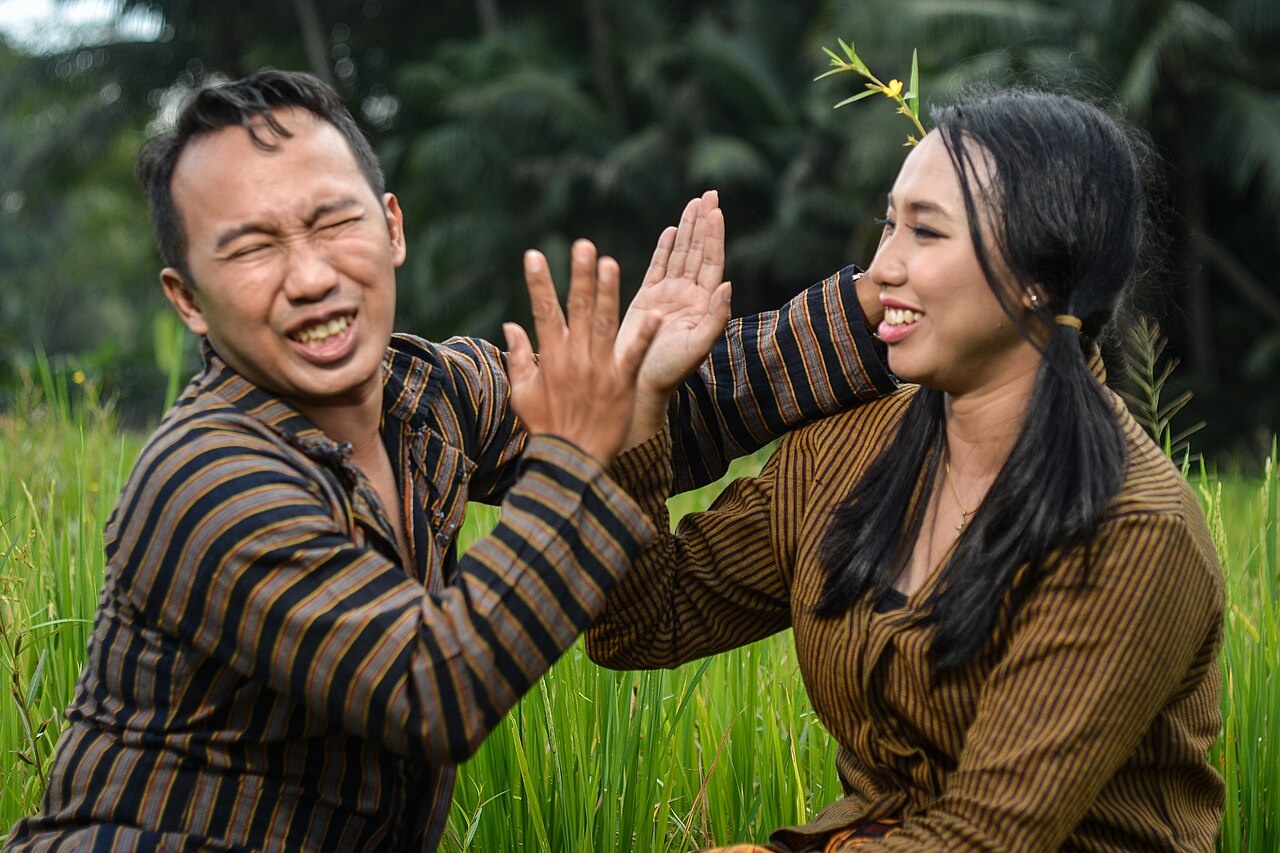
Young people in Indonesia typically socialize in groups, and romantic interests often begin around the age of 16, though dating may start later. A boyfriend or girlfriend—both called pacar—is usually part of a wider circle of friends that may include siblings. Within these groups, interaction is lively and playful, with teasing and joking common between boys and girls. Displays of interest can be subtle and lighthearted, such as friendly teasing or playful gestures. [Source: Jill Forshee, “Culture and Customs of Indonesia”, Greenwood Press, 2006]
Couples rarely spend time alone. When they do meet, it is often in semi-public spaces like a front verandah, and the boy may bring a friend along. Physical closeness and public displays of affection are generally avoided, although this has relaxed somewhat in recent years, with some couples holding hands. More commonly, groups of friends—including couples—spend time together visiting homes, playing music, going to movies, eating at small food stalls (warungs), or walking around town.
While dating can also occur discreetly, especially in more conservative settings, the progression of relationships varies widely depending on region, religion, and social background. In some cases, couples may meet privately to talk or spend time together, particularly at night in rural settings. In certain traditions, engaged couples may even be allowed supervised time together, reflecting the seriousness of their relationship and ongoing marriage negotiations.
Old Ideas About Love in Indonesia
Cultural expressions and metaphors often mark stages of maturity and courtship. One long-standing tradition across Southeast Asia is the chewing of betel nut (sirih-pinang), which carries strong social and symbolic meaning. Sharing betel between a man and a woman has historically implied intimacy and mutual interest. The preparation and exchange of betel often involve subtle flirting and serve as a social activity that encourages conversation and relaxation. [Source: Jill Forshee, “Culture and Customs of Indonesia”, Greenwood Press, 2006]
The act itself combines elements from different plants—the areca nut, the sirih leaf, and lime powder—symbolizing complementary male and female elements. As it is chewed, it produces a red color in the mouth, and in the past, red-stained lips and darkened teeth were even considered signs of beauty. In some regions, offering or sharing betel could signal romantic interest or even serve as a form of courtship, with relationships sometimes beginning through this practice.
Modern Ideas About Love in Indonesia
Modern ideas about love, equality, and compatibility have increasingly shaped relationships, particularly among younger Indonesians, who are also influenced by global popular culture. Romantic ideals—expressed in music, poetry, and media—have become more prominent, although forms of romantic expression, such as traditional pantun poetry, have long existed in Indonesian culture. [Source:Jill Forshee, “Culture and Customs of Indonesia”, Greenwood Press, 2006]
A key difference between Indonesian and Western marriage traditions is the strong role of the family and the practical considerations involved, rather than a purely romantic focus. While some individuals defy family expectations in the name of love, others face severe consequences when they cannot marry their chosen partners. In certain areas, such as Bali, heartbreak and forbidden relationships have, at times, led to tragic outcomes, including suicide.
Dating Apps in Indonesia
Dating apps in Indonesia include a mix of global platforms and local services, catering to both casual dating and serious relationships. Popular choices include Tinder, Tantan (often referred to as the “Tinder of China”), Bumble—where women initiate conversations—and OkCupid. Other widely used apps include Omi, IndonesianCupid, Badoo, and Litmatch. [Source: Google AI]
Tinder remains one of the most popular apps, especially in major cities like Jakarta and Bali, and is used for both casual and long-term relationships. Tantan is favored for its simple interface and ease of matching, while Bumble attracts many urban professionals because it allows women to make the first move. Omi has gained traction for emphasizing a safer dating environment, and IndonesianCupid is geared toward those seeking long-term relationships, including connections between locals and international users. OkCupid is known for its detailed profiles and compatibility-based matching, while Litmatch focuses more on conversation and virtual interaction.
Some apps cater to specific preferences. For example, Boo emphasizes personality-based matching through tests and profiles. In general, platforms like Tinder are used for a range of intentions, while apps such as IndonesianCupid tend to attract users looking for more serious commitments. Many apps now include verification features to reduce fake profiles and improve safety.
When dating in Indonesia, patience is important, as profiles can vary widely in quality. Choosing platforms with verification features can help ensure a safer experience. Cultural awareness also matters—being polite, respectful, and mindful of local norms is especially valued, particularly on apps where users are seeking meaningful relationships.
Obstacles to Falling in Love in Indonesia
In Indonesia, falling in love can be shaped—and often constrained—by legal, religious, and social expectations. For many couples, especially those of different faiths, romantic relationships face significant obstacles. Under the 1974 Marriage Law, weddings must be conducted according to the religious beliefs of both partners. In practice, this has made interfaith marriage extremely difficult, often forcing one partner to convert or preventing the union altogether. [Source: Jakarta Post, September 10, 2014]
As a result, many relationships have been strained or ended due to religious differences and family pressure. Some couples choose to marry abroad to bypass legal barriers, while others convert solely to meet formal requirements. In more difficult cases, couples who proceed without approval risk being rejected or disowned by their families.
These challenges have long been treated as private matters—personal sacrifices made in the name of love. Stories of such struggles are common in popular culture, yet meaningful legal reform has proven difficult. Even as Indonesian society becomes more urban and interconnected, relationships across religious and cultural lines remain complicated.
A group of young Indonesians challenged these restrictions by filing a judicial review of the marriage law, arguing that it conflicts with constitutional guarantees of religious freedom. They contend that the state effectively forces individuals to abandon or compromise their beliefs in order to marry legally.
However, efforts to change the law face resistance in a society where religion plays a central role in public life. Critics argue that removing religious requirements from marriage would undermine its spiritual foundation. Indonesia’s national ideology, Pancasila, emphasizes belief in one God, reinforcing the idea that marriage should remain tied to religion.
As religious conservatism grows in some segments of society, interfaith couples may feel even greater pressure to conform. The result is a tension between personal freedom and societal expectations, leaving many couples struggling to reconcile love with legal and cultural constraints.
88 Chinese Nationals Arrested in Indonesia Over Love Scams
In August 2023, Indonesian police, acting on information from Chinese authorities, arrested 83 men and five women at an industrial park in Batam, in the Riau Islands province. The group was suspected of running an online scam targeting victims in China, including public officials. [Source: AFP, August 30, 2023]
According to police, the syndicate used romance-based schemes during video calls, with female members allegedly posing as romantic partners to gain victims’ trust. They then persuaded the victims to engage in sexual acts on camera while other members secretly recorded the interactions.
The group is accused of using the recordings to blackmail victims, threatening to release the footage on social media unless payments were made. Authorities said they were still investigating whether any Indonesians had been targeted; if not, the suspects would likely be deported.
It remains unclear how long the operation had been active or how much money it generated. Police noted that such scam networks have increasingly shifted to Southeast Asia, including Indonesia, following crackdowns in China. A similar case occurred in 2019, when authorities arrested dozens of Chinese nationals and several Indonesians involved in an online fraud scheme that defrauded victims of millions of dollars.
Image Sources: Wikimedia Commons
Text Sources: “Encyclopedia of World Cultures Volume 5: East/Southeast Asia:” edited by Paul Hockings, 1993; “Culture and Customs of Indonesia” by Jill Forshee, Greenwood Press, 2006; National Geographic, New York Times, Washington Post, Los Angeles Times, Smithsonian magazine, Encyclopedia.com, Library of Congress, Indonesia Tourism website (indonesia.travel), Indonesia government websites, Live Science, The Conversation, The New Yorker, Time, BBC, CNN, Reuters, Associated Press, AFP, Lonely Planet Guides, Google AI, Wikipedia, The Guardian and various websites, books and other publications.
Last updated April 2026