
CHILDREN IN INDONESIA
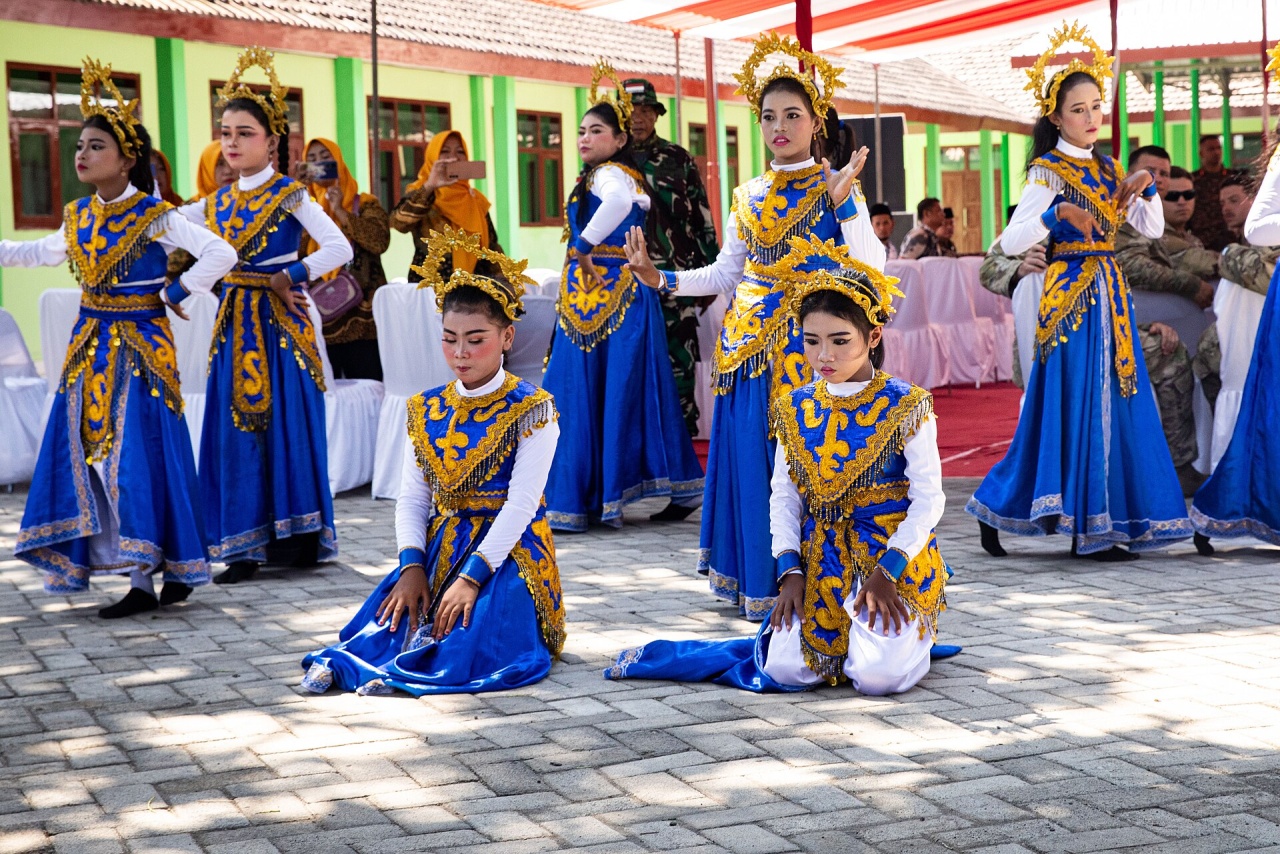
In Indonesia, it is believed that God throws children to earth from the branches of a tree in the sky. The Javanese view childhood as a series of shocks from which children must be protected. Although the youngest children are much indulged, major transitions can be sharp and radical. The process of weaning, for instance, is traditionally a rapid one in which the mother simply leaves the child with a relative and then returns a few days later. Overall, however, a baby’s general contentment and resistance to disease and misfortune are viewed as dependent on the child’s being protected from any form of emotional upset. Babies are constantly held and nursed on demand; babies must not be disappointed. Once weaned, they are often released into the care of an older sibling or relative who indulges and protects them. [Source: Library of Congress]
“Children become increasingly capable of withstanding the shocks and stresses of life as they grow older, in part because they have become more aware of the rules defining social interaction. The rules of etiquette help a child learn self-control. For example, children must learn to address their father respectfully, using refined speech. Failure to comply properly with the rules will result in a sharp reprimand. For Javanese, learning the proper degree of shame, according to anthropologist Ward Keeler, is a matter of becoming aware of one’s vulnerability in interaction. Children learn that dealing with others in a face-to-face encounter always poses a threat to one’s sense of self.
Child statistics:
Under-five mortality rate (per 1,000 live births): 20.6.
Children under age 5 whose births are registered: 85 percent.
Children aged 5-17 years engaged in child labour:not available.
Children aged 1 to 14 years who experienced any violent discipline (psychological aggression and/or physical punishment): in the past month: not available.
Women aged 15-49 who have undergone female genital mutilation: 51 percent.
[Source: UNICEF DATA data.unicef.org]
RELATED ARTICLES:
CHILD HEALTH, PREGNANCY AND BIRTH IN INDONESIA factsanddetails.com
RITES OF PASSAGE FOR INDONESIA CHILDREN: BIRTH RITES AND CIRCUMCISION factsanddetails.com
FAMILIES AND KINSHIP IN INDONESIA factsanddetails.com
WOMEN IN INDONESIA: STATUS, WORK, ISLAM, HIJAB factsanddetails.com
WOMEN’S RIGHTS IN INDONESIA factsanddetails.com
GENDER IN INDONESIA: VIEWS, ROLES, DIVISIONS factsanddetails.com
MARRIAGE IN INDONESIA: LAWS, TYPES, TRADITIONS factsanddetails.com
COURTSHIP, DATING AND LOVE IN INDONESIA factsanddetails.com
BALINESE FAMILY: MARRIAGE, WOMEN, RITES OF PASSAGE factsanddetails.com
JAVANESE SOCIETY: FAMILY, MARRIAGE, GENDER, CUSTOMS, CLASSES factsanddetails.com
INDONESIAN SOCIETY factsanddetails.com
CLASSES, HIERARCHIES AND STRATIFICATION IN INDONESIAN SOCIETY factsanddetails.com
PEOPLE IN INDONESIA: UNITY, DIVERSITY, CHARACTERISTICS, ADAT factsanddetails.com
ETIQUETTE AND CUSTOMS IN INDONESIA factsanddetails.com
SOCIAL CUSTOMS IN INDONESIA factsanddetails.com
For Information on Children and Child-rearing Among Different Ethnic Groups See Minorities and Regions:
INDONESIAN GOVERNMENT, MINORITIES, CHINESE AND CHRISTIANS factsanddetails.com
ETHNIC GROUPS ON SUMATRA factsanddetails.com
ETHNIC GROUPS ON JAVA factsanddetails.com
ETHNIC GROUPS IN NUSA TENGARRA (ISLANDS EAST OF BALI) factsanddetails.com
ETHNIC GROUPS ON SULAWESI factsanddetails.com
BORNEO AND ETHNIC GROUPS IN BORNEO factsanddetails.com
ETHNIC GROUPS IN THE MOLUCCAS AND OTHER ISLANDS factsanddetails.com
BALI factsanddetails.com
ACEH factsanddetails.com
PAPUA factsanddetails.com
Education Statistics for Indonesia
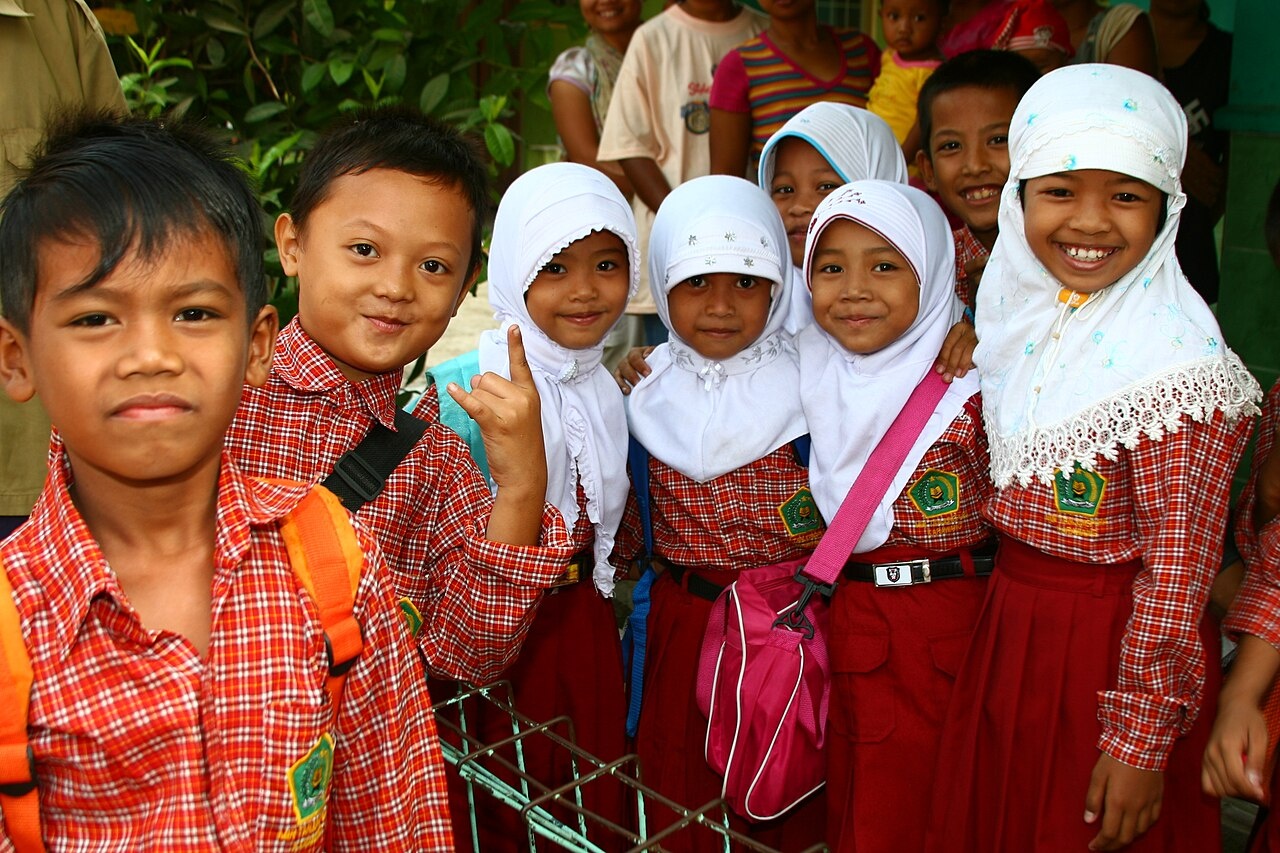
Education expenditure: 1.3 percent of GDP (2023 estimate); 10.6 percent national budget (2025 estimate) [Source: CIA World Factbook, 2025]
Literacy: total population: 96 percent (2020 estimate); male: 97.4 percent (2020 estimate); female: 94.6 percent (2020 estimate) [Source: CIA World Factbook, 2025]
School life expectancy (primary to tertiary education): total: 13 years (2023 estimate); male: 13 years (2023 estimate); female: 13 years (2023 estimate) [Source: CIA World Factbook, 2025]
Early Childhood Education:
Attendance in early childhood education: 13 percent.
Early stimulation and responsive care (any adult household member): not avialable.
Early stimulation and responsive care (father): not avialable.
Learning materials at home – children's books: not avialable.
Learning materials at home – playthings: not avialable.
Children left in inadequate supervision: not avialable.
[Source: UNICEF DATA data.unicef.org]
School Attendance and Literacy:
Adjusted net attendance rate, one year before official primary entry age; 78 percent.
Adjusted net attendance rate, primary education: 93 percent.
Adjusted net attendance rate, lower secondary education: 89 percent.
Adjusted net attendance rate, upper secondary education. 67 percent.
Completion rate, primary education: 98 percent.
Youth literacy rate (15 - 24 years): 100 percent.
[Source: UNICEF DATA data.unicef.org]
Dreadlocked Children of the Dieng Plateau
The Dieng Plateau in Central Java, whose name means “Place of the Gods,” has long been associated with local myths that remain deeply rooted in community life. One of the most well-known beliefs concerns anak gimbal, or dreadlocked children. These children are typically born with normal hair, but after experiencing a sudden high fever—often around the ages of one or two—their hair mysteriously forms into natural dreadlocks. [Source: Yudha Baskoro, Jakarta Post, November 21, 2020; Indonesia Tourism]
Despite scientific attempts to explain the phenomenon, no clear medical cause has been identified. As a result, local people continue to interpret it through tradition and spirituality. Many believe these children are descendants of ancestral figures known as pepunden, the founders of Dieng, and are therefore considered special or “chosen,” even when there is no family history of similar traits.
According to oral tradition, the origin of dreadlocked children is linked to Kyai Kolodete, a legendary leader associated with the ancient Medang Kamulan kingdom. He was believed to have had dreadlocks himself and a deep affection for children. Local belief holds that children with dreadlocks are his descendants and should be treated with care and respect, as they are believed to carry spiritual significance and potential blessings.
The dreadlocks are not meant to remain permanently. A ritual known as ruwatan is performed to cut the child’s hair in a sacred ceremony led by a traditional elder. It is believed that if the hair is not cut properly, or without the child’s consent, it will grow back and may bring misfortune to the child or their family. For this reason, the timing of the ritual is often determined by the child.
An important part of the ritual is fulfilling the child’s requests, no matter how unusual. Some children ask for simple gifts like toys or bicycles, while others request animals or crops. For example, one child named Zara, whose hair began to mat after a high fever at eight months old, asked for two chickens and a goat. Her mother noted that Zara also showed an unusual sensitivity to unseen forces, reflecting local beliefs about the children’s spiritual connection.
Each year, usually in the month of Sura in the Javanese calendar (around August), a mass ritual is held at the Arjuna Temple complex. During this procession, dreadlocked children are bathed in water from seven springs, paraded through the area, and showered with yellow rice and coins. Their hair is then ceremonially cut and later cast into Telaga Warna (the “Colorful Lake”) or nearby volcanic sites.
Children with rambut gimbal are widely regarded as unique and respected members of the Dieng community. Even in modern times, these traditions persist, although events like the COVID-19 pandemic have sometimes limited large gatherings, leading families to perform smaller, individual rituals. Overall, the phenomenon reflects a blend of mystery, cultural identity, and enduring belief in the spiritual world.
Childrearing in Indonesia
Mothers tend to have the primary responsibility of child rearing and are more affectionate than fathers that have traditionally been more distant. Older siblings often take care of younger children. Javanese children are generally spoiled only when they are very young. At the age of two to four they are socialized and disciplined often quite harshly with beatings, comparisons to siblings and threats of exclusion or sanctions. The tough upbringing often makes them shy and wary around strangers.
According to expat.or.id: “Indonesian parents tends to punish misbehaving children with a surreptitious pinch, often accompanied by a threat that something fearful will happen to them if they continue to misbehave. An open smack or yelling at your children is considered very inappropriate and very harsh punishment. [Source: expat.or.id ]
“In Indonesia, people also love to pinch the cheeks of a cute baby or child. It is intended as a gesture of affection, but can sometimes hurt if done too hard and can scare young children who are not accustomed to it. Discourage people from pinching your child’s cheeks by saying “Maaf, dia tidak suka” (Excuse me; he/she doesn’t like that).
More Indonesian Parents Using Daycare
More Indonesian parents—especially in urban areas—have increasingly turned to daycare services, driven by rising female workforce participation, smaller nuclear families, and a growing preference for reliable, professional childcare over traditional domestic helpers. Although overall usage remained very low—at around 0.1 percent of the population—the demand for accessible, high-quality daycare was steadily increasing. [Source: Andjarsari Paramaditha, Reuters, November 7, 2012]
Several key factors fueled this shift. More women entering the workforce created a greater need for dependable childcare, while the decline of extended family living arrangements—leaving about 67 percent of households without live-in grandparents—reduced traditional support systems. At the same time, parents became more interested in early childhood development, seeking structured, safe environments rather than the inconsistent care often provided by maids. Rapid urbanization also contributed, with demand rising in cities, particularly near workplaces and residential centers.
Despite this growing demand, the daycare sector faced significant challenges. Penetration remained extremely low, and the industry struggled with a “chicken-and-egg” problem: limited supply reduced public trust, while low trust discouraged further investment. Many parents found it difficult to identify trustworthy providers, highlighting the need for stronger licensing systems, safety standards, and better-trained caregivers.
Affordability was another major concern. Many daycare services were either too expensive or had limited capacity, creating strong demand for subsidized or public childcare options. At the same time, the sector began shifting from basic supervision toward more structured, play-based learning models that support children’s cognitive and social development—an approach increasingly backed by research.
Looking ahead, both government and private initiatives were working to expand access and improve the quality of childcare services. These efforts aimed to bridge the gap between the needs of working parents and the availability of safe, development-focused daycare facilities across Indonesia.
Western Baby Brands See Opportunities in Indonesia
In the early 2010s, global consumer companies such as Nestlé and Procter & Gamble were investing heavily in Indonesia, attracted by its growing middle class and large young population, including millions of children under the age of four. The country’s strong economic performance—marked by growth of over 6 percent—was driven largely by domestic consumption, making it an appealing market despite global economic uncertainty. [Source: Janeman Latul and Neil Chatterjee, Reuters, August 13, 2012]
Indonesia was widely seen as a high-potential consumer market. Its middle class was projected to expand rapidly, reaching around 150 million people by 2014. This rise in income and purchasing power encouraged multinational firms to introduce and expand consumer goods, particularly those aimed at families and young children.
One of the fastest-growing product categories at the time was disposable diapers, reflecting changing lifestyles and increasing affordability. In contrast, milk consumption lagged behind regional averages, even though Indonesia had one of Asia’s highest birth rates. Cultural habits, combined with widespread lactose intolerance and the high cost of transporting fresh milk across the archipelago, limited demand. Traditionally, some Indonesian mothers fed infants alternatives such as bananas or mashed meat instead of milk. However, companies believed that these habits could shift over time. Business leaders argued that as incomes rose and children were introduced to milk earlier, consumption would increase and a “milk culture” would gradually develop.
To capture this potential, companies made major investments in production and marketing. Nestlé committed hundreds of millions of dollars to expand milk production, while firms like Fonterra and Indofood also built new facilities. At the same time, advertising campaigns sought to link milk consumption with children’s health, intelligence, and future success—appealing to the aspirations of middle-class parents.
Marketing strategies became increasingly sophisticated, including the use of social media and branding designed to convey modernity and education. Companies emphasized not just the nutritional value of milk, but also its association with upward mobility. As one industry figure noted, consumers already believed in milk’s benefits—the competition was now about brand choice.
Meanwhile, the diaper market experienced rapid growth as more working parents opted for convenience over traditional cloth options. Major firms like Procter & Gamble and Unicharm expanded production capacity to meet rising demand. Although growth rates were expected to slow over time, the overall trend reflected broader social and economic changes, including urbanization, higher incomes, and shifting consumer preferences in Indonesia.
Abuse of Children in Indonesia
Reported cases of violence against children in Indonesia were rising each year in the late 2000s and early 2010s, although it was unclear whether this reflected a real increase or greater awareness and reporting. The cases involved both child victims and child perpetrators, raising broader concerns about who cared for vulnerable children once they were identified. [Source: Jakarta Post, December 3, 2012]
One example was W, a 16-year-old girl who had been trafficked as a child laborer. Forced to leave school after the fifth grade, she was sent far from her home to work as a nanny, with her wages going directly to her parents. She later found refuge at the Bambu Apus Safe House in Jakarta, where officials sought to protect her from being trafficked again—especially since her own family had been involved.
Indonesia had strengthened its legal framework for child protection over time. Laws passed in 2002 and 2012 expanded protections, including recognizing child victims and witnesses and raising the minimum age for criminal responsibility. The newer system also emphasized restorative justice, aiming to rehabilitate rather than punish young offenders.
Shelters like the Bambu Apus Safe House, established in 2004, played a key role in providing temporary care, counseling, and recovery services. Similar centers were set up across the country, supporting children who had experienced abuse, trafficking, abandonment, or legal trouble. However, these facilities were not intended as permanent homes.
The principle guiding child welfare remained that family care was best whenever possible. Authorities often tried to reunite children with their families, even mediating conflicts with the help of local leaders. When parents were abusive or unsafe, children might be placed with relatives or referred to boarding schools and partner institutions.
The system also recognized that child offenders were often victims themselves. Cases like those of MA and BS—teenagers involved in violent crimes—highlighted how social and environmental factors contributed to their actions. Officials emphasized that responsibility often lay with broader societal conditions rather than the children alone.
Despite improvements, challenges remained. Many children continued to face abuse, exploitation, and limited access to support. Some arrived at shelters with no resources at all, even needing help to pay for transportation. While Indonesia had made progress in law and services, ensuring consistent protection and long-term care for vulnerable children was still an ongoing struggle.
Drugged Beggar Babies Used to Skirt Carpooling Laws in Indonesia
During weekday rush hours, women carrying babies once lined the congested streets of Jakarta, offering themselves as extra passengers to help drivers bypass the city’s carpooling rules. These so-called “jockeys” allowed motorists to meet the minimum passenger requirement needed to access major roads, earning a small fee in return. [Source: Kiki Siregar,AFP, April 10, 2016]
The practice had existed openly for years, often involving poor women who relied on the work for survival. Babies were seen as an advantage, as they drew sympathy and made it easier to attract drivers. “People sympathise easily with you if you've got a baby,” said one jockey, who brought her child because she had no other option.
However, public outrage grew after revelations that some of the infants used in this informal system were not the women’s own children but had been rented out by criminal networks. Authorities discovered that families were sometimes paid to supply children, who were then used in street-based work such as begging or acting as carpool passengers.
A police investigation in South Jakarta uncovered cases in which children—including a baby just six months old—had been rented out for daily fees. The infant was found drugged with Clonazepam, a sedative used to keep the child calm during long hours on the roadside and in passing cars. “Nobody wants to have a crying baby in the car,” a police official explained.
The case exposed a wider system of organized exploitation operating in plain sight. Several suspects were arrested, including individuals believed to be running a network that supplied children for such activities. While authorities had long suspected that some street children were being exploited in this way, proving it had been difficult due to a lack of documentation and oversight.
In response to the scandal, the government suspended the “3-in-1” carpooling rule, effectively ending the demand for jockeys. While this removed one avenue of exploitation, officials acknowledged that it would not solve the broader problem of vulnerable children being used for profit.
Indonesia continued to face significant challenges in protecting street children, with millions living in precarious conditions and tens of thousands exposed to exploitation. Social workers emphasized that beyond law enforcement, the priority was to ensure children received care, education, and protection, warning that without deeper structural changes, exploitation would likely persist in other forms.
Indonesian-born Twins Reunite in Sweden After 30 Years
Indonesian-borntwin sisters who had been separated just weeks after birth were reunited nearly 30 years later in Sweden in 2012 —by coincidence living only about 60 kilometers apart. Their story was marked by a series of striking similarities, including shared careers as teachers and even marriages held on the same date. [Source: Bjarne Wildau, Scandasia.com. January 28, 2012]
Lin Backlund, 28, was initially skeptical when she received a Facebook message from a woman claiming to be her twin. “I thought, ‘What crazy person is this’,” she said, admitting she first ignored it. But curiosity led her to ask her adoptive mother, who then recalled an unusual episode from years earlier that suggested the claim might be true.
The key clue dated back to when Backlund’s Swedish parents brought her from an orphanage in Indonesia at eight months old. A taxi driver unexpectedly asked about another child—Nur Kasanah—who had left the same orphanage just weeks before. “My Swedish parents’ taxi driver was the key to everything,” Backlund said. The driver even wrote down the names of both girls, though his identity remained a mystery.
Two years later, the adoptive families arranged a meeting in Sweden, but uncertainty over adoption records meant no clear conclusion was reached, and the families eventually lost contact. “No one thought we looked at all alike,” Backlund said, and the possible connection faded from memory for more than two decades.
After rediscovering this history, Backlund responded to the Facebook message and agreed to meet Emilie Falk, the woman claiming to be her twin. When they finally met, the connection was immediate. “It felt like we were sisters already,” Backlund said. “It felt like we’d known each other for a long, long time.”
The two women continued meeting and eventually took a DNA test, which confirmed they were indeed twin sisters. “I was so happy to know for certain,” Backlund said. As they compared their lives, they uncovered even more coincidences: both were teachers, spoke the same regional dialect, and had married on the same date—one year apart.
Their weddings even featured the same song, “You and Me” by Lifehouse, a detail that surprised them both. Looking ahead, the sisters hoped to learn more about their origins and possibly identify the taxi driver who first connected their stories. “We want to find out if we have any family left in Indonesia,” Backlund said, “but we don’t really mind what we find now that we’ve found each other again.”
Image Sources: Wikimedia Commons
Text Sources: “Encyclopedia of World Cultures Volume 5: East/Southeast Asia:” edited by Paul Hockings, 1993; “Culture and Customs of Indonesia” by Jill Forshee, Greenwood Press, 2006; National Geographic, New York Times, Washington Post, Los Angeles Times, Smithsonian magazine, Encyclopedia.com, Library of Congress, Indonesia Tourism website (indonesia.travel), Indonesia government websites, Live Science, The Conversation, The New Yorker, Time, BBC, CNN, Reuters, Associated Press, AFP, Lonely Planet Guides, Google AI, Wikipedia, The Guardian and various websites, books and other publications.
Last updated April 2026