
RELATIVE SOCIAL STATUS IN INDONESIA
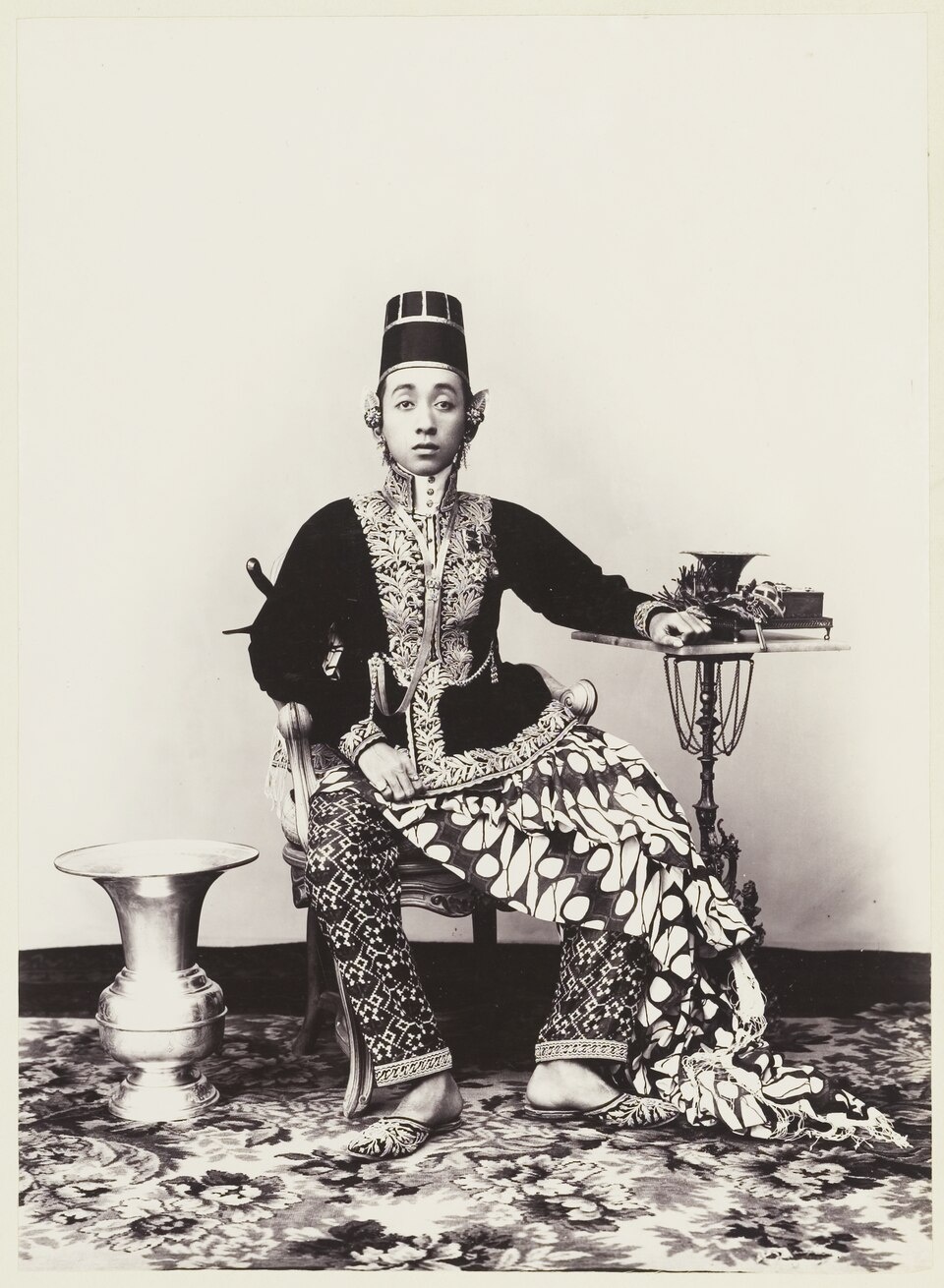
When they meet you Indonesians need to know where to place you so they know how to address and treat you. Class is very important, and is determined by your age, education, marital status, occupation, family, home, car, and so on. The way in which people are treated depends on all of the above information about them. Elderly people are very respected. They should be listened to. Indonesians avoid arguing with anyone older than themselves. They also bow slightly when speaking to them. Since material things are a symbol of how successful you are in Indonesia, [Source: Canadian Centre for Intercultural Learning, intercultures.gc.ca ^^]
Across much of Indonesia, relative social status has traditionally shaped people’s understanding of proper behavior and social order. Hierarchy is embedded in everyday interactions, influencing language, etiquette, and patterns of respect. Many regional languages—especially Javanese—contain distinct “high” and “low” speech levels, requiring speakers to adjust their vocabulary depending on the status of the person they are addressing. Deference toward elders and social superiors is a deeply ingrained norm, often expressed through both language and physical gestures. Such respect is also reflected in spatial behavior. For example, when an elder approaches a porch or gathering place, younger individuals typically move to a lower position as a sign of respect. This practice is particularly pronounced in Bali but is also found in many other parts of the archipelago. These subtle shifts in posture and placement reinforce social hierarchy in visible, everyday ways. [Source: Jill Forshee, “Culture and Customs of Indonesia”, Greenwood Press, 2006]
The national language, Bahasa Indonesia, does not formally encode hierarchical speech levels to the same extent as some local languages. However, respect is still conveyed through the use of polite and formal terms. Adults are commonly addressed as Bapak (or Pak) for men and Ibu (or Bu) for women—terms that literally mean “father” and “mother” but function as equivalents of “Mr.” and “Mrs.” in social interaction. These forms of address are not merely linguistic conventions but are central to maintaining appropriate social relationships. Indonesians may feel uncomfortable if encouraged, particularly by Westerners, to abandon such titles, as doing so can create uncertainty or suggest a lack of respect. What may appear to outsiders as excessive formality is, within Indonesian society, an essential marker of politeness and social order.
Class in Indonesia has been supported by religion. and both the Muslim and Hindu religions, which have shaped Javanese and Indonesian culture, have hierarchical systems. This can pose issues in the workplace, particularly in terms of hierarchy in job descriptions versus social standing. Workers tend to know the class of other workers and people from higher classes tend to be more likely to have positions of authority in the work place. ^^
RELATED ARTICLES:
INDONESIAN SOCIETY factsanddetails.com
RICH IN INDONESIA: WEALTH, LIFESTYLE AND TIES TO SUHARTO AND CURRENT LEADERS factsanddetails.com
POVERTY IN INDONESIA factsanddetails.com
PEOPLE IN INDONESIA: UNITY, DIVERSITY, CHARACTERISTICS, ADAT factsanddetails.com
ETIQUETTE AND CUSTOMS IN INDONESIA factsanddetails.com
SOCIAL CUSTOMS IN INDONESIA factsanddetails.com
INDONESIAN CHARACTER AND PERSONALITY factsanddetails.com
SOCIAL RELATIONS IN INDONESIA: GOTONG-ROYONG, BAPAKISME AND CONFLICT AVOIDANCE factsanddetails.com
JAVANESE PEOPLE: HISTORY, DEMOGRAPHICS, LANGUAGE factsanddetails.com
JAVANESE SOCIETY: FAMILY, MARRIAGE, GENDER, CUSTOMS, CLASSES factsanddetails.com
AUSTRONESIAN PEOPLE OF THE PACIFIC, INDONESIA, MALAYSIA, TAIWAN AND THE PHILIPPINES: ORIGIN, HISTORY, EXPANSION factsanddetails.com
MALAYS AND MALAY-RELATED PEOPLE: HISTORY, DEFINITIONS, ORIGINS, LIFE, CULTURE factsanddetails.com
Classes and Castes in Indonesia
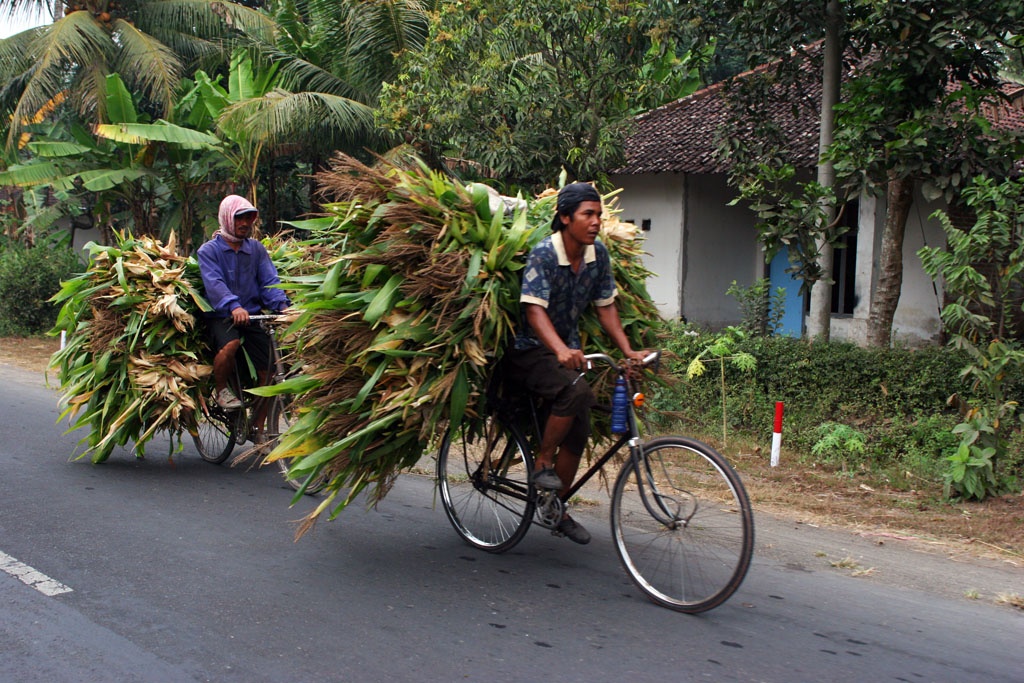
For much of the past millennium, many Indonesian societies were organized as aristocratic states or hierarchically structured chiefdoms. Although some communities lacked formal political hierarchies, the principle of social ranking was still widely present. Early Hindu polities—many of which later adopted Islam—typically featured a clear social order, with aristocracies at the top and peasants and slaves at the bottom. Princes concentrated both secular and spiritual authority in their capitals, presiding over rituals, waging wars for territory and resources, and competing for control of maritime trade. [Source: Clark E. Cunningham, Countries and Their Cultures, Gale Group Inc., 2001]
With the arrival of European colonial powers, these systems were reshaped but not eliminated. The Dutch East India Company functioned as a militarized state, complete with forts, armies, and naval forces, forming alliances with and fighting against local rulers. It was later replaced by the Netherlands Indies government, which governed some regions directly while ruling others indirectly through indigenous princes. In many cases, Dutch policies reinforced and expanded existing hierarchies, strengthening aristocratic authority and widening the divide between elites and commoners. In Java, for instance, rulers retained ceremonial grandeur but lost much of their political power, while in regions such as East Sumatra, the Dutch even created new princely lines to serve their economic and administrative interests.
Most princely domains corresponded to a dominant ethnic group, although some—especially in major trading centers—were more diverse. In parts of Sumatra and Kalimantan, Malay rulers governed multiethnic populations, particularly in port-based principalities. Stratified political systems became deeply rooted across large areas of the archipelago, including much of Java, the western and eastern Lesser Sunda Islands, South Sulawesi, parts of Maluku and Kalimantan, and the eastern and southeastern coasts of Sumatra. Elite status brought significant advantages. Members of ruling classes accumulated wealth and influence, and their children were often educated in colonial or elite institutions, where they interacted with peers from other regions. These networks helped reinforce both their social standing and their role within broader political and economic systems.
However, not all Indonesian societies developed rigid hierarchies. In West Sumatra, the Minangkabau adapted earlier royal traditions into a more egalitarian political structure. Similarly, the Batak of North Sumatra emphasized clan-based organization and personal autonomy, fostering a more equal social order. In upland and interior regions of Sulawesi and Kalimantan, societies also tended to be more egalitarian, though they were often linked to coastal states through systems of tribute. These variations highlight the diversity of political and social organization across Indonesia, where hierarchical and egalitarian systems coexisted and evolved in response to local conditions and external influences.
Prijayi and the Traditional Social Classes of Java
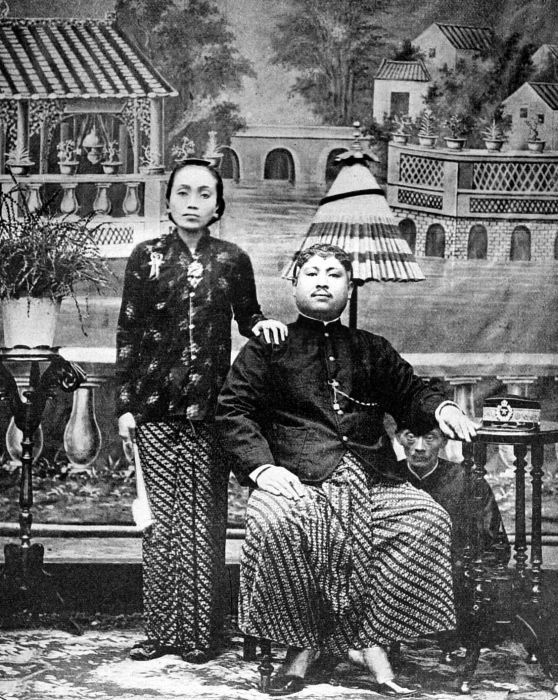
Javanese society — and by extension, Indonesian society — has traditionally been divided between 1) royalty, with its court and nobility; 2) landless peasants; 3) and government officials known as “prijaji” (also spelled priyayi). The prijaji have traditionally been urban and there are several statuses.
Indonesia’s cultural make-up is also shaped by three essential elements: 1) prijaji, Islam, with classical Hindu Buddhist elements, practiced manly among the educated urban classes; 2) “santri”, orthodox Islam, most common among merchant and landowners; and 3) “abangan”, Islam with the animist folk influnced, traditionally practiced by the rural peasantry."
Prijaji have traditionally been the traditional elite class in Javanese society, distinguished from the common people, or wong cilik (“little people”). Before the 18th century, the prijaji served as the ruling stratum under royal families, governing Javanese states. Much like medieval European knights or Japanese samurai, they were bound by loyalty to their rulers, guided by a strong sense of honor, and shaped by an elaborate code of etiquette. [Source: britannica.com]
After the Dutch took control of the Mataram kingdom in the 18th century and implemented indirect colonial rule, the role of the prijaji shifted. They were incorporated into the colonial administration as local officials, gradually evolving into a class of professional civil servants. As a result, the prijaji came to be closely associated with the Javanese bureaucratic elite.
This group was also among the first Indonesians to receive Western-style (Dutch) education. Consequently, many early leaders of Indonesia’s nationalist movement emerged from the prijaji class. Members of this elite were instrumental in founding Budi Utomo, one of the earliest proto-nationalist organizations in Java, highlighting their key role in the development of modern Indonesian political consciousness.
Symbols of Social Stratification in Indonesia
Aristocratic cultures in Java and the Malay-influenced coastal principalities were characterized by pronounced social hierarchy and elaborate courtly traditions. Princes and nobles often lived in ceremonial seclusion, while peasants and subordinate rulers expressed loyalty through tribute and strict deference. Social distinctions were reinforced through sumptuary regulations that governed dress and behavior, as well as through the possession of sacred regalia believed to hold supernatural power. These courts also cultivated highly refined artistic and literary traditions, setting cultural standards that distinguished elite society from the broader population. [Source: Clark E. Cunningham, Countries and Their Cultures, Gale Group Inc., 2001]
During the late colonial period, the Dutch adopted and mirrored many of these hierarchical conventions in their interactions with indigenous peoples, particularly as European families settled permanently in the archipelago. In Java, social divisions were further codified through language, with different speech levels, titles, and marriage practices marking distinctions between classes. Courtly culture came to represent an ideal of refinement, emphasizing indirect communication, emotional restraint, and controlled public behavior—traits that gradually spread beyond the aristocracy into wider society.
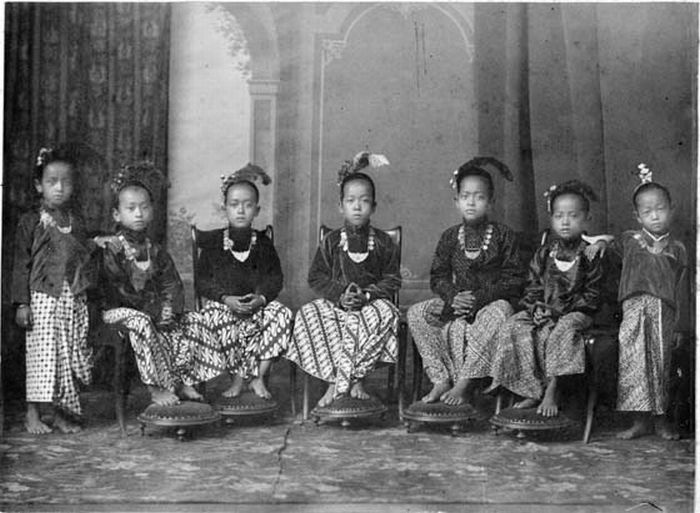
The royal courts were also major centers of artistic production, fostering traditions in music, dance, theater, and puppetry, as well as crafts such as batik and metalwork. By the seventeenth century, many of these courts had embraced Islam, yet older Hindu philosophical and aesthetic elements continued to persist or were blended with Islamic teachings, creating a distinctive cultural synthesis.
In the late nineteenth and early twentieth centuries, economic and administrative changes in Java and other parts of the Netherlands Indies led to the emergence of a more complex society. The growing demands of government and commerce required a broader pool of educated individuals than the traditional aristocracy could supply. As a result, education expanded, and a new class of urban officials and professionals developed, often adopting the manners and lifestyle associated with earlier court elites.
Following Indonesian independence, most princely states were abolished, with the notable exceptions of the sultanates of Yogyakarta and Surakarta. Despite these institutional changes, many patterns of thought and behavior rooted in centuries of aristocratic rule persisted. These included deference to authority, paternalistic leadership styles, limited accountability of rulers, belief in charismatic or supernatural power, and the display of status through wealth and ceremony. Such legacies have continued to shape aspects of Indonesian social and political life into the modern era. Today, many Indonesians wear brand name clothing and accessories from head to toe as partly to display their status.
Indicators Social Status Within an Indonesia House
Social status in Indonesia is especially visible in the organization of domestic space. Distinctions — based on age, rank, or social standing — are reflected in how people occupy and move within homes. In many regions, when a person of higher status arrives at a porch or seating platform used to receive guests, those of lower rank will shift from central or elevated positions to lower or more marginal places. Some may even step down from the platform entirely and sit on the ground, while a chair may be brought forward specifically for the honored guest, leaving others seated on mats. [Source: Jill Forshee, “Culture and Customs of Indonesia”, Greenwood Press, 2006]
In Bali, where caste remains a key element of identity, such distinctions are subtly encoded in everyday interactions. People may inquire about one another’s social position by asking, “Where do you sit?”, referring to the level they would occupy in a shared space. Architectural design often accommodates these differences: pavilions may include multiple tiers or steps, allowing individuals of varying rank and age to be seated appropriately. Social hierarchy is deeply embedded in Balinese life, forming what has been described as a “hierarchy of pride” that underpins village organization, family relations, and broader social structures.
Similar patterns are found elsewhere in the archipelago. In eastern Sumba, for example, a rigid three-tiered caste system—comprising nobles, commoners, and slaves—continues to influence social behavior. Seating arrangements strictly reflect these divisions, with lower-status individuals occupying peripheral or lower positions, or sometimes remaining at a distance from elite households altogether. Shared meals across caste lines are rare, as such interactions can cause significant discomfort for those of lower status.
These practices are reinforced by beliefs about lineage and inherited status. In several regions, including Sumba, Bali, and parts of Sulawesi and Java, ideas about the purity of bloodlines underpin social stratification. Lower castes may be described in terms that reflect perceived biological inferiority, contributing to social distance in both symbolic and physical terms. Within households, this can extend to living arrangements, with lower-status individuals often relegated to less desirable spaces, such as separate kitchen buildings.
Middle Class in Indonesia
Indonesia’s middle class makes up roughly 17–19 percent of the population—around 46 to 52 million people as of 2025–2026, Double the population in Australia.. Regarded as a vital engine of the country’s economy, they are typically urban-based and employed in the formal sector, spending between about $75 to $650 per month. Despite their importance, the middle class has been under pressure in recent years, facing a gradual decline driven by post-pandemic economic challenges, rising food prices, and the expansion of a more vulnerable “aspiring” class. [Source: World Bank, Nikkei Asia]
Recent studies indicate that the middle class has shrunk from its peak between 2018 and 2023, with many households slipping into the so-called “aspiring middle class”—those living just above the poverty line. This group now represents more than half of the population and remains highly vulnerable to economic shocks, often relying on informal or gig-based work and lacking financial security.
Even as its share of the population remains relatively modest compared to other countries, Indonesia’s middle class continues to play a dominant economic role. It accounts for roughly half of all household consumption and contributes significantly to government tax revenues, making it a key driver of national growth and stability. However, changing spending patterns reveal growing financial strain. Middle-class households are allocating a larger portion of their income to basic necessities such as food, leaving less for discretionary spending on goods and services. This shift signals declining purchasing power and increasing economic insecurity, as many families are forced to cut back on non-essential expenses. The group also faces a range of structural challenges, including vulnerability to external shocks like the COVID-19 pandemic, rising interest rates, and a shortage of stable, well-paying jobs. As a result, some households have been dipping into savings to maintain their standard of living, further weakening their financial resilience.
In response, the Indonesian government, through its national development planning agency, has set an ambitious goal of expanding the middle class to 70 percent of the population by 2045 as part of its strategy to achieve high-income status. For now, however, many middle-class Indonesians—despite higher levels of education and formal employment—are grappling with a rising cost of living that limits their ability to save and build long-term economic security.
Growth of the Indonesian Middle Class in the 1990s and 2000s
The middle class in the 2000s was defined by families earning more than $500 a month. The rising middle class at that time had few ties to the Chinese and no links to Suharto's people. They played a negligible role in the ousting of Suharto in 1998. They were worried about losing their jobs and their privileges and didn't want to rock the boat. Many sent money back to their home villages, resulting in cement houses with satellite dishes.
In 1997, the middle class increased by third from the two previous years to make up 21 percent of the urban population. At that time they worked in new office building for banks and trading firms. They traveled abroad and hunf at trendy restaurants and discos. Many suffered during the 1997-1998 Asian Financial Crisis.
The middle class grew in the Suharty years from 1967 to 1998. The number of people owning motorcycles or motorscooters increased 83 percent between 1995 and 1997. Refrigerators, color televisions, motorcycles and cellular telephones are common even in lower middle-class families at that time. Satellite dishes that pulled in CNN, BBC, MTV and the Star Channel could be found in slums.
Lack of Social Mobility in Indonesia
The experience of population mobility in the archipelago has not necessarily resulted in social mobility in terms of social class. Indeed, recent studies underscore the continuing importance of social stratification in Indonesia, as least as measured by regional inequalities in income and consumption. However, scholars and policy analysts continue to debate the degree to which social classes can be defined in ethnic, economic, religious, or political terms. While it is clear that Indonesia is a highly stratified society, and that sensitivity to prestige or status (gengsi) is widespread, it is nonetheless difficult to identify an upper class. [Source: Library of Congress *] .
Hereditary ruling classes and traditional elites reinforced by their positions in the Dutch colonial bureaucracy no longer possess unchallenged access to political power and wealth. Indeed, they cannot even claim to form an elite. The real power holders—generals, politicians, and wealthy capitalists of the postindependence period—are newcomers to their positions, and, apart from extravagant conspicuous consumption and cosmopolitanism, they demonstrate few clear institutional and cultural patterns that suggest they constitute a unitary group.
“Defining a lower class in Indonesia is equally difficult. Even before the banning of the Indonesian Communist Party (PKI) in 1966, Indonesia’s poor formed alliances that had less to do with class than with economics, religion, and community ties. In some cases, the poor peasantry identified across class lines with orthodox Muslim landowners on the basis of their common religious ideologies or aliran kepercayaan (streams of belief). This alliance was particularly evident in lowland Jawa Timur Province. In other cases, small landowners united against both the Islamic right wing and Chinese entrepreneurs. There also were divisions between the indigenous, or long-settled, peoples (pribumi) and later Chinese and Arab immigrants. The oil boom of the 1970s affected society and income distribution in ways that benefited the landed peasantry and the urban middle class. However, no independent social group based on lower-class affiliations emerged as a major political force. *
Corruption an Equalizer in Indonesia?
Pankaj Mishra wrote in The New Yorker: “Indonesia’s political development has had other unexpected outcomes. In a country where once only an élite few could benefit from corruption, many more people are now on the take. In her book “Indonesia Etc.: Exploring the Improbable Nation”, Elizabeth Pisani argues that it’s possible to see widespread corruption as a kind of “social equalizer.” In Indonesia’s long-standing system of clan patronage, people look out for members of their extended family or village, awarding them money, contracts, or jobs. Decentralization has empowered many more people to do favors than was previously the case, which in turn gives them a greater investment in maintaining the political status quo. Thus, corruption plays a crucial role “in tying the archipelago’s mosaic of islands and disparate peoples into a nation,” Pisani writes. “Patronage is the price of unity.” [Source: Pankaj Mishra, The New Yorker, August 4, 2014]
“Coming from one of the mini Suhartos, this would seem a cynical rationalization. But Pisani recognizes, as Richard Wright did, that a collective project sustained by voluntary loyalty is crucial to an artificial nation-state like Indonesia, especially when there is a widening abyss between wealth and misery and only a weak national ideology. In Indonesia these days, as in many post-colonial countries, welfare is rarely conceived as a national project, as it was during the idealistic era of Sukarno, Nehru, and Nasser; it is every man for himself.
Pisani fears that this new culture of global capitalism has rapidly hollowed out beliefs and institutions that once gave meaning and direction to millions of lives, and replaced them with little more than an invitation to private gratification. High economic growth sustained over several years might eventually help Indonesians aspiring to become free, self-motivated individuals in the modern world. As for the rest, she writes, “the deeply rooted village populations of Indonesia have always lived fairly close to subsistence and millions remain contented with that life.”
Image Sources: Wikimedia Commons
Text Sources:“Encyclopedia of World Cultures Volume 5: East/Southeast Asia:” edited by Paul Hockings, 1993; “Culture and Customs of Indonesia” by Jill Forshee, Greenwood Press, 2006; National Geographic, New York Times, Washington Post, Los Angeles Times, Smithsonian magazine, Encyclopedia.com, Library of Congress, Indonesia Tourism website (indonesia.travel), Indonesia government websites, Live Science, The Conversation, The New Yorker, Time, BBC, CNN, Reuters, Associated Press, AFP, Lonely Planet Guides, Google AI, Wikipedia, The Guardian and various websites, books and other publications.
Last updated April 2026