
FILIPINO CUISINE
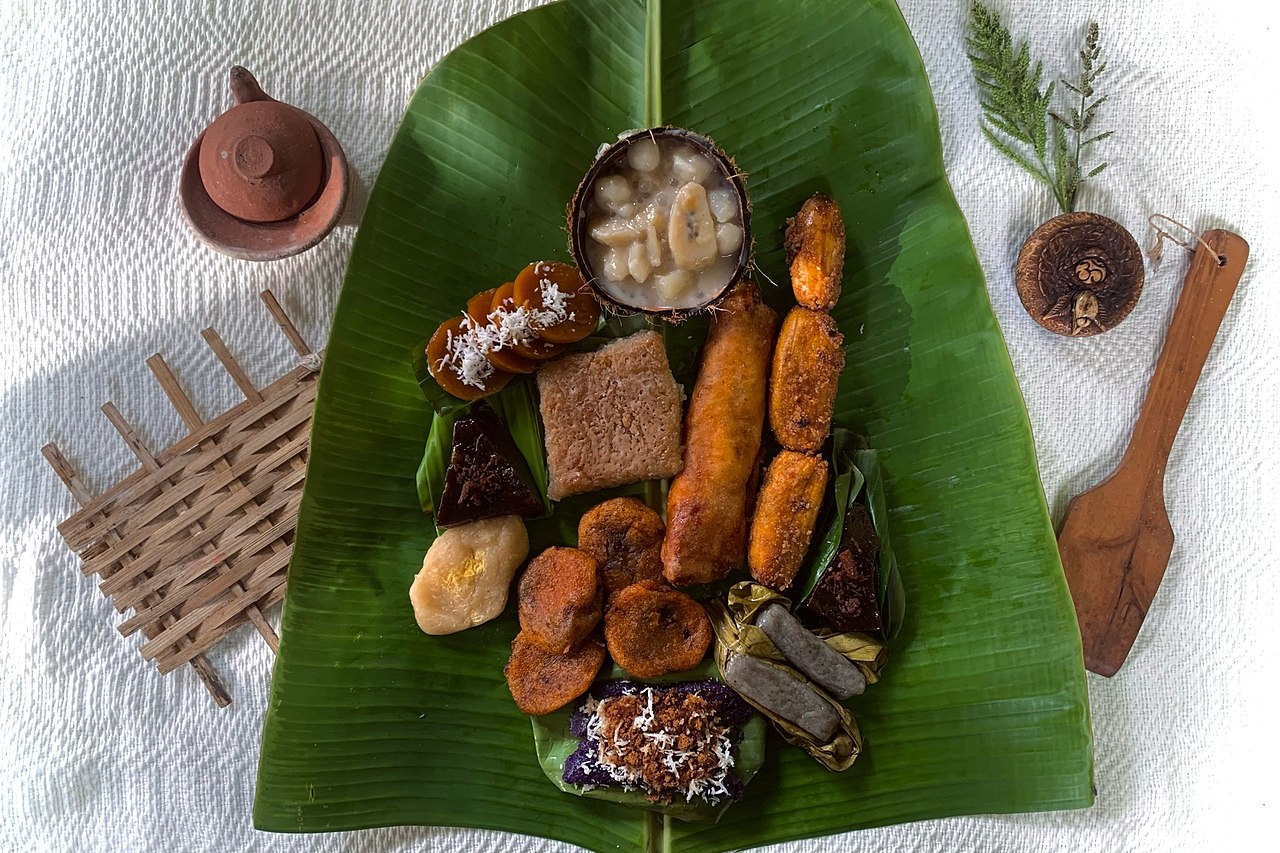
Filipino food (known locally as "native" food and abroad sometimes as pinoy cooking ) is somewhat similar to Indonesian and Malaysian food but often has a distinctive sour taste. Chinese- and Spanish- influenced food are featured most prominently during holidays and feasts. Native Filipino food is peasant rural food of farmers and fishermen. Filipinos food expert Doreen Fernandez told Newsweek, "We have the least spicy except in one or two provinces. The big colonial mixture has diluted our cuisine."
Like many Southeast Asian cuisines, Filipino cuisine relies heavily on rice, vegetables, and seafood. Fish and shellfish are widely consumed, while meat is often reserved for special occasions. One notable celebratory dish is lechon, a whole roasted pig commonly served at festivals and family gatherings. The waters surrounding the Philippine archipelago contain more than 2,000 species of fish. [Source: Junior Worldmark Encyclopedia of Foods and Recipes of the World, Gale Group, Inc., 2002]
Most main dishes are stews made with chicken, pork, fish or seafood. A selection of widely recognized Filipino dishes today includes lechon (whole roasted pig), adobo (meat braised in vinegar, soy sauce, and garlic), caldereta (a stew often made with goat), kare-kare (oxtail in peanut sauce), sinigang (a sour soup typically flavored with tamarind), pansit (rice noodles), and lumpia (spring rolls). A well-known dessert is halo-halo, meaning “mixture,” which combines sweetened beans, fruits, yams, milk, and crushed ice. [Source: “Culture Shock!: Philippines” by Alfredo Roces and Grace Roces, Marshall Cavendish International, 2010]
According to the Philippines Department of Tourism: “Be ready to put on a few extra pounds as you satisfy your cravings by indulging in a Filipino feast. Dishes to try: Lechon, spit-roast whole pig served with liver sauce; Adobo, pork, chicken or a combination of both, marinated in vinegar, soy sauce and garlic and stewed until tender; Kare-kare, meat and vegetables cooked with peanut sauce served with shrimp paste; Sinigang, pork, or seafood in tamarind soup; or the freshest seafoods— fish, squid, shrimp, lobsters— grilled to perfection. The more adventurous should try Balut or boiled duck eggs containing a partially formed embryo, and Dinuguan, the pork blood stew eaten with steamed rice or Puto, rice cakes. All around the country, there are restaurants offering different cuisines from American to Chinese, from Indian to Greek, from Japanese to French. [Source: Philippines Department of Tourism]
RELATED ARTICLES:
FOOD AND THE PHILIPPINES: DIET, STAPLES, AND COOKING FOR U.S. PRESIDENTS factsanddetails.com
EATING AND DRINKING CUSTOMS IN THE PHILIPPINES factsanddetails.com
FILIPINO DISHES: EATING, COOKING AND ENJOYING THEM factsanddetails.com
FILIPINO SNACKS AND DESSERTS: SWEETS, FRUITS, STREET FOOD factsanddetails.com
FILIPINO FOOD RECIPES factsanddetails.com
EXOTIC AND WEIRD FOODS IN THE PHILIPPINES factsanddetails.com
FILIPINO RESTAURANTS AND PLACES TO EAT IN THE PHILIPPINES factsanddetails.com
JOLLIBEE: HISTORY, TONY TAN CAKTIONG, SUCCESS factsanddetails.com
DRINKS IN THE PHILIPPINES: BEER, TUBA, COCKTAILS, CIVET COFFEE factsanddetails.com
DRINKING IN THE PHILIPPINES: CUSTOMS, HOBBIT BAR, WINE PARTIES, TAXES factsanddetails.com
TOBACCO AND BETEL NUT IN THE PHILIPPINES: SMOKING, HISTORY, STRICT LAWS factsanddetails.com
ILLEGAL DRUG USE IN THE PHILIPPINES: MAINLY CANNABIS AND METH factsanddetails.com
ILLEGAL DRUG TRADE IN THE PHILIPPINES factsanddetails.com
History of Filipino Cuisine
Filipino cuisine reflects the country’s long history as a crossroads of migration and trade between the South China Sea and the Pacific Ocean. Because many different peoples settled in the islands, Filipino food developed as a blend of diverse cultural traditions that has blended indigenous ingredients with influences from across Asia and beyond. Early Philippine cooking was based on simple foods readily available in the natural environment, including root crops such as taro and other yams, leafy vegetables, coconut milk, fish, and domesticated animals such as chickens and pigs. Fish was often dried to preserve surplus catches. [Source: “Culture Shock!: Philippines” by Alfredo Roces and Grace Roces, Marshall Cavendish International, 2010; Junior Worldmark Encyclopedia of Foods and Recipes of the World, Gale Group, Inc., 2002]
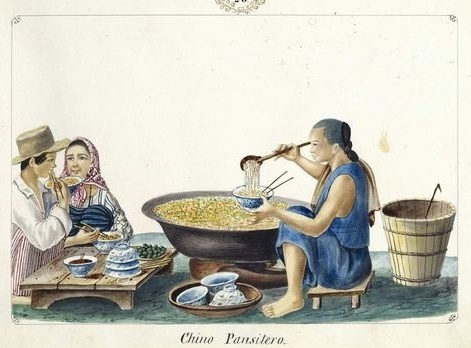
Early Malay settlers, who arrived thousands of years ago from regions that are now part of Malaysia, contributed important culinary practices. They introduced the use of hot chilies and the preparation of ginataan, a cooking method that uses coconut milk in sauces and stews to balance strong flavors. Chinese traders and settlers, who established communities in the Philippines between the 13th and 14th centuries, also had a lasting influence on Filipino food. They introduced noodle dishes known as pansit, along with bean curds, egg rolls, and soy sauce. The Chinese tradition of serving foods with a variety of dipping sauces also became common in Filipino meals.
Spanish colonial rule, which lasted nearly 400 years beginning in 1521, had perhaps the most significant impact on Filipino cuisine. Many everyday Filipino dishes show clear Spanish influence. The Spanish introduced Mediterranean-style cooking methods such as braising and sautéing, as well as the use of ingredients and seasonings like garlic, onions, tomatoes, sweet peppers, olive oil, and vinegar. Dishes from Spain came dishes such as puchero, a boiled meat stew; adobo, meat cooked in vinegar and spices; mechado, beef stewed in tomato sauce; and relleno, in which meat or fish is stuffed and cooked. The Spanish also introduced desserts such as leche flan, a rich custard, and pastries like ensaimada. According to the 19th-century Filipino national hero José Rizal, one of the most common home-cooked dishes in his time was tinola, a simple soup made with chicken and green papaya. In his famous novel Noli Me Tangere, the villainous friar Damaso complains about it, saying: “...you will change your opinion after you have frequented enough fiestas and bailujan (dance fests), slept in cots and eaten your fill of tinola.”
Americans took control of the Philippines after the Spanish–American War in 1898 and governed the islands until 1946. They introduced foods such as mayonnaise, hot dogs, hamburgers, Later, sandwiches, sliced bread, soft drinks, .and apple pie. They also popularized canned products, including evaporated and condensed milk, which became common ingredients in Filipino desserts such as flan. Foods like cheese and canned tomato sauce, rarely used elsewhere in Asian cuisine, became incorporated into Filipino cooking and remain popular today.
Filipino Spices and Food Preservation and Preparation
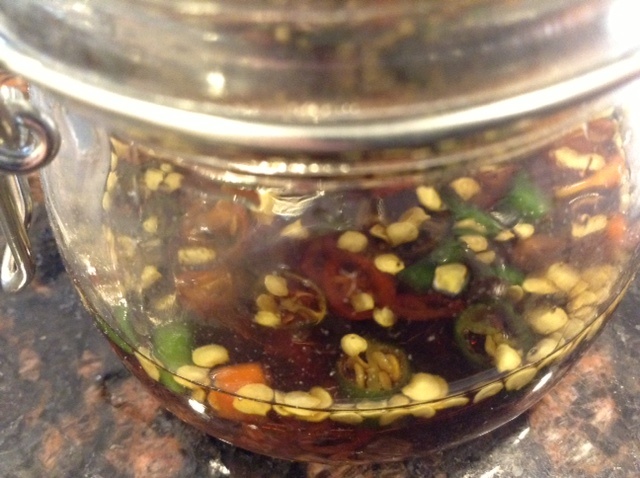
Compared with neighboring cuisines in Malaysia, Indonesia, and Thailand, Filipino cooking uses relatively few spices but strongly favors sour flavors, particularly vinegar. For example, kare-kare, a stew of meat in peanut sauce, is relatively mild compared with the more heavily spiced curries found elsewhere in South and Southeast Asia. Meats and fish are frequently marinated in palm vinegar, which is milder than most Western vinegars. In addition to flavoring food, vinegar helps preserve freshness. [Source: Junior Worldmark Encyclopedia of Foods and Recipes of the World, Gale Group, Inc., 2002]
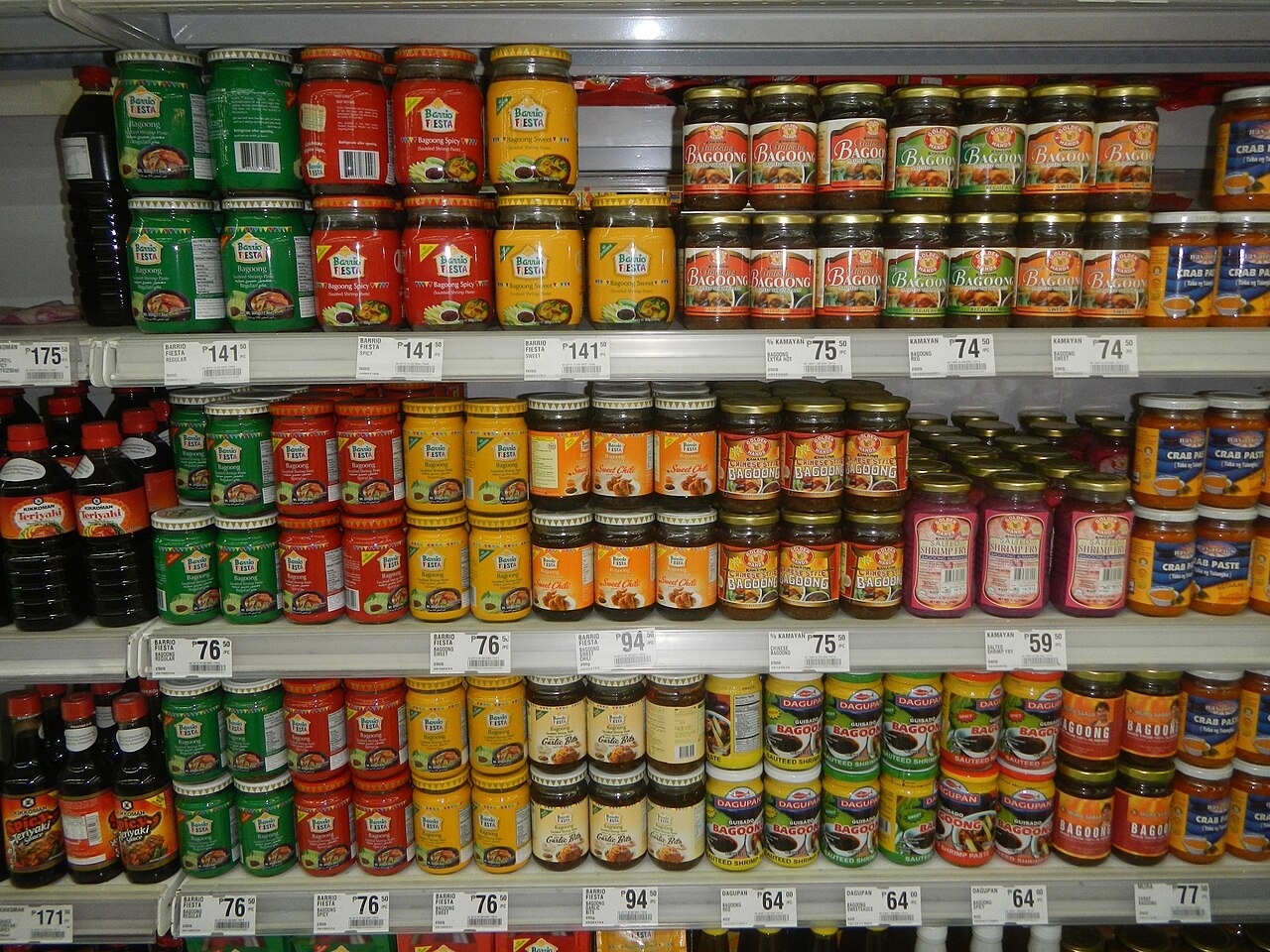
Common spices and flavoring include vinegar, “patis” (a very salty, fermented fish sauce), “bagoong” (pungent shrimp paste), banana ketchup, lemon, coconut milk, chilies, bay leaves and garlic. The sour taste that Filipinos like so much is made from a mixture of vinegar and unripe tamarind seeds. Patis is a thick, clear, amber-colored liquid. It is used in much the same way soy sauce is used in Chinese cuisine. Patis is often placed on the table to be added to dishes according to taste. Many dishes use natural fruit acids like tamarind, calamansi, or batuan for broth. Coconut Cream is prevalent in Southern Luzon and Mindanao.
Many staples reflect broader Malay–Polynesian food traditions, including the use of coconut milk, numerous varieties of rice, garlic, ginger, salted and dried fish or shrimp, fish sauce, and foods wrapped in leaves and cooked with condiments. Traditional desserts often feature sticky rice cooked with coconut milk, producing sweets such as suman and bibingka, both types of rice cakes. Rice used be cooked in woven bamboo. [Source: “Culture Shock!: Philippines” by Alfredo Roces and Grace Roces, Marshall Cavendish International, 2010]
Because refrigeration has historically been limited in many areas, Filipinos have long relied on preservation methods such as marinating, drying, salting, and fermenting. Rather than heavily seasoning dishes during cooking, meals are often accompanied by strongly flavored condiments that diners add according to taste. Grilling and roasting are widely used in the Visayas.
Unappreciated Pinoy Food
For decades, the food of the Philippines has struggled to gain the same global recognition enjoyed by other Asian culinary traditions. Around the world, Indian curry houses, Vietnamese noodle shops, and Chinese dim sum restaurants are common, yet establishments specializing in Filipino dishes remain relatively rare. Even within the Philippines, many diners often favor quick and inexpensive meals influenced by the country’s history with the United States, which once ruled the islands. Fast-food chains selling fried chicken and hamburgers dominate the urban food landscape. However, in the eyes of many Filipino cooking can be just as impressive as any cuisine in Asia. “It’s a very misunderstood cuisine,” chef Claude Tayag says, noting that its diversity makes it difficult to summarize simply. According to him, Filipino food reflects a wide range of regional traditions and ingredients that cannot be explained in a single description. [Source: Karl Malakunas, AFP, April 26, 2012]
Norma O. Chikiamco wrote in the Philippine Daily Inquirer, “I feel disheartened every time I hear people extol the virtues of Asian cuisine. Most likely they'd be referring to Japanese, Thai, Vietnamese, Indonesian or Chinese food; just as likely there won't be any mention of Filipino food. As if it isn't hard enough being called the Sad Sack of Asia, they have to snub our cuisine too. Is Filipino food meant to be loved by no one else but us? [Source: Norma O. Chikiamco, Philippine Daily Inquirer, July 6, 2008 -]
“Maybe it's because our food is indistinguishable. Being an aggregation of Spanish, Chinese, Malay, and American influences, it's neither East nor West, neither here nor there. Ours is probably the only country in Asia where American hamburger is seasoned with Chinese soy sauce, “Italian” spaghetti is cooked with hot dogs, and Chinese dishes are called by Spanish names (as in camaron rebosado, morisqueta tostada). And where else but in the Philippines can one find a dish called Arroz a la Cubana which doesn't exist at all in Cuba? All these alongside our own homegrown favorites such as dinuguan, sinigang, pakbet and tinola. Being accustomed to all these, we probably take them for granted. But a foreigner trying our cuisine for the first time would probably be scratching his head, wondering what culinary circus he has stumbled into. -
“That is why it's so gratifying when, once in a rare while, we get a bit of unsolicited publicity. I almost jumped with pride and joy when I saw Martha Stewart featuring Filipino cuisine in her highly-rated TV shows. With Martha by his side, Filipino chef Romy Dorotan demonstrated how to cook lumpia and adobo. The doyen of domesticity even had some favorable words to say about our cuisine and pronounced Romy's cooking delicious. Likewise, in an issue of Gourmet Magazine a few years ago, halo-halo was included among the featured Asian ices. And in the reality show “Fear Factor” (and later, in “The Amazing Race Asia”), one of the challenges contestants had to hurdle was eating balut, the dark, forbidding unhatched duck embryo that's a unique Filipino delicacy. As expected, it had some contestants gagging, and while this might have given Filipino cuisine some notoriety, it at least brought our much overlooked cuisine its 15 minutes of fame. -
“With more and more young Filipinos now going into culinary arts, is our cuisine then next to be launched into international stardom? Is a renaissance of Filipino food soon in the offing? I wish the answer could be “yes,” but I think it's more of “not yet.” True, there has been so much renewed interest in dining out, and options for the dinner crowd have expanded tremendously. And yet, what I see is young chefs opening Greek restaurants and French bistros, working in international ocean liners and developing recipes for American food imports. Few are those who have ventured into Filipino cuisine, or who've championed the cause of Pinoy food. Maybe it's because other endeavors are more lucrative. Maybe chefs feel (with reason, I believe) that their countrymen wouldn't pay restaurant prices for dishes they can cook at home. Maybe it's just a reflection of the diversity of our culture that our chefs can adapt so easily to foreign cooking. -
Recently someone said something about Filipino food being the best kept secret of Asia. And there perhaps we've found our squeeze, our rightful position in the global community. Filipino food as the ultimate culinary secret, a hidden treasure whose bewildering ways are understandable only to a chosen few. Never mind being snubbed and being obscure. While others are unaware of this last frontier, it's ours to savor and ours to enjoy. After all where else can one find pitisu, a derivative of the French petite choux, side by side with pancit Canton (which isn't really from Canton) or lumpiang Shanghai (which isn't really from Shanghai either).
James Corden Criticized for Mocking Filipino Cuisine
The Late Late Show with James Corden host James Corden faced criticism over a segment on the program that many viewers described as culturally offensive. The recurring game, “Spill Your Guts or Fill Your Guts,” is a variation of truth-or-dare in which celebrity guests must either answer an embarrassing question or eat foods presented as unpleasant or inedible. Critics say the problem lies in the fact that several of the foods featured in the segment are common dishes in other cultures, particularly in Asian cuisine. [Source: Aida Ylanan, Los Angeles Times, June 12, 2021]
Items such as Balut—a fertilized egg widely eaten in the Philippines—and Chicken feet, a common dish in Chinese cooking, have been described on the show as “terrible” or “really disgusting.” In a 2016 segment with Jimmy Kimmel, Corden presented balut to his guest and remarked, “I don’t even really know what that is.”
The game has long been one of the show’s most popular features and has included appearances by celebrities such as Cher, Kobe Bryant, Kim Kardashian, Harry Styles, Justin Bieber and Chrissy Teigen. Criticism intensified after a petition was launched on Change.org by a viewer who argued that the segment’s treatment of Asian foods was insensitive. The petition quickly gathered thousands of signatures and called for the segment to be revised or removed, along with a public apology and a donation to support Asian-owned businesses.
The petition’s creator explained that seeing balut mocked on television was particularly upsetting because it is a familiar and meaningful food within her culture and family traditions. Similar concerns appeared in comments beneath online videos of the segment, where viewers noted that many of the foods presented as “gross” were actually traditional dishes enjoyed by millions of people.
The controversy also emerged at a time when discussions about anti-Asian discrimination in the United States had become more prominent. Critics argued that portraying culturally significant foods as disgusting on a popular television program could reinforce stereotypes and contribute to broader patterns of cultural insensitivity.
Philippine Regional Cuisine
Philippine regional cuisine reflects the country’s diverse cultural history and geography, combining indigenous traditions with influences from Malay, Chinese, and Spanish culinary practices. Across the archipelago, dishes often balance sour, salty, and savory flavors. Natural fruit acids such as tamarind, calamansi, and batuan are frequently used to flavor broths and sauces. Cooking methods vary by region but commonly include grilling, roasting, stewing, and braising. Coconut milk and coconut cream are particularly important ingredients in southern regions of Luzon and in parts of Mindanao, while seafood and roasted meats are especially prominent in coastal areas of the Visayas.
Kapampangan cuisine (Pampanga Province) is widely regarded as the most elaborate in the Philippines, earning the region the reputation of being the country’s “culinary capital.” Kapampangan cooking is known for its complex preparations and rich flavors. One of its most famous dishes is sisig, a sizzling mixture of chopped pork—often including parts of the pig’s head—seasoned with citrus, onions, and chili. Other notable specialties include bringhe, a festive sticky rice dish similar to paella and cooked with coconut milk, and regional variations of kaldereta, a hearty meat stew. Kapampangan cuisine is also known for festive dishes traditionally served at large celebrations and communal gatherings.
Tagalog cuisine (Central Luzon and Manila region) features a balanced combination of sweet, sour, and savory flavors. Vinegar and soy sauce are common flavoring agents, often paired with garlic and onions. Well-known dishes include adobo, a braised dish typically made with chicken or pork cooked in vinegar, soy sauce, and garlic; sinigang, a sour soup flavored with tamarind or other fruits; and kare-kare, a stew made with oxtail and vegetables in a peanut-based sauce. Tagalog cuisine reflects the blending of indigenous cooking with Spanish and Chinese influences that developed around the country’s historical and political center.
Visayan cuisine (Central Philippines island group) emphasizes seafood and roasted meats, reflecting the region’s coastal environment and agricultural traditions. The area is especially famous for lechon, or whole roasted pig, with the version from Cebu widely regarded as one of the finest in the country. Other popular dishes include La Paz batchoy, a rich noodle soup originating in Iloilo, and inasal na manok, a grilled chicken marinated with citrus, garlic, and annatto oil. Grilling and open-fire roasting are common cooking techniques, and many dishes highlight fresh seafood caught in nearby waters.
Mindanao Cuisine (southern Philippines, particularly in the Bangsamoro region) has strong influences from Malay and Islamic culinary traditions. These dishes often feature aromatic spices such as turmeric, ginger, and lemongrass, as well as coconut-based sauces. Traditional dishes include piaparan, chicken cooked with turmeric, coconut milk, and spices; tiyula itum, a distinctive dark-colored beef soup flavored with burnt coconut; and pastil, rice topped with shredded meat and wrapped in banana leaves for easy transport. These foods reflect the cultural heritage of Muslim Filipino communities such as the Maranao, Maguindanao, and Tausug.
Bicolano Cuisine (Bicol Region, southern Luzon). is famous throughout the Philippines for its bold use of chili peppers and coconut milk. Many dishes are cooked in gata, or coconut cream, creating rich, spicy stews and vegetable dishes. Among the best-known dishes is Bicol Express, a stew made with pork, coconut milk, and fiery local chilies known as siling labuyo. Another traditional dish is laing, made from dried taro leaves simmered in coconut milk and spices. Regional specialties also include ginataang sigarilyas, in which winged beans are cooked with coconut milk, pork, and anchovies. Bicolano cuisine frequently combines seafood, vegetables, and meats in coconut-based sauces, producing dishes that are both flavorful and characteristically spicy.
Ilocano Cuisine
Ilocano cuisine reflects the resourcefulness and traditions of the Ilocano people of northern Luzon, whose homeland includes coastal areas, fertile plains, and mountainous terrain. The cuisine developed through a combination of indigenous practices and outside influences from Chinese, Spanish, and later American cultures. A defining characteristic of Ilocano food is its reliance on preserved and fermented ingredients, particularly bagoong (fermented fish paste), which strongly shapes the regional palate. Vegetables, known collectively as nateng, also play a central role in daily meals. Ilocanos are sometimes humorously referred to as “weed-eaters” because of their fondness for both cultivated and wild greens such as saluyot, rabong (bamboo shoots), and other edible plants gathered from fields and forests. [Source: Wikipedia]
Vegetable-based dishes form the core of the Ilocano diet. One of the most common is dinengdeng, also called inabraw, a simple soup of boiled vegetables and legumes often flavored with bagoong and accompanied by fish or pork. Another widely known dish is pinakbet, a mixture of vegetables such as bitter melon, eggplant, squash, and okra cooked with fermented fish paste. The distinctive taste of many Ilocano dishes comes from the use of bagoong as a seasoning, as well as sukang Iloko, a sugarcane vinegar frequently used in pickling vegetables and fruits. Pickled foods—known as inartem—may include mangoes, garlic, chilies, and other seasonal produce.
A distinctive feature of Ilocano culinary tradition is the appreciation of bitter flavors. Many Ilocanos believe that bitter foods are both beneficial to health and desirable in taste. As a result, ingredients such as ampalaya (bitter melon) are commonly used. Dishes such as pinapaitan, a stew made from beef or goat innards flavored with bile, illustrate this preference for bitterness. Similar dishes include sinanglao, a soup made with beef and offal seasoned with sour fruits, ginger, and bile, demonstrating the bold flavor combinations characteristic of the region.
Although vegetables dominate everyday meals, meat dishes hold special significance during celebrations such as weddings, fiestas, and family gatherings. Festive foods symbolize abundance and communal sharing. Among the best-known Ilocano specialties are bagnet, deep-fried pork belly cooked until crisp; dinakdakan, a dish made from grilled pig’s head meat mixed with onions, vinegar, and chili; and igado, a stew of pork and liver simmered with vinegar and spices. Another well-known dish is Ilocos empanada, a deep-fried pastry with a distinctive orange-colored rice flour crust filled with longganisa sausage, egg, and vegetables such as green papaya or mung beans.
Vegetables continue to play an important role even in dishes that contain meat. Marunggay (moringa) is especially valued in Ilocano cooking and is often added to soups such as lauya, a broth made with pork or beef knuckles similar to chicken tinola. Moringa leaves, pods, and flowers are frequently used in dishes like buridibod or dinengdeng, and many households grow the plant in their backyards, sharing it with neighbors. Ilocano food traditions also demonstrate a close connection with the natural environment; historically, some communities consumed insects such as ant larvae, beetles, and crickets as seasonal foods, a practice that has influenced food traditions in other parts of northern Luzon.
Ilocano desserts highlight local agricultural products such as glutinous rice, coconut, root crops, and sugarcane. Sticky rice cakes, known collectively as kakanin, are especially popular. Examples include tupig, a grilled rice cake wrapped in banana leaves and made with coconut milk and sugar, and tinubong, a similar mixture cooked inside bamboo tubes. Other sweets include patupat, sticky rice cooked in woven palm leaves with sugarcane juice; dudol, a chewy dessert made from rice flour and coconut milk; and balikutsa, a candy-like confection made from sugarcane molasses. These desserts illustrate the blend of indigenous ingredients and historical influences that characterize Ilocano cuisine.
Ihaw-Ihaw (Grill-Grill) — Pinoy BBQ,
Ihaw-Ihaw, which literally translates from Tagalog as "grill-grill", is one of the most popular cooking techniques in the Philippines. "Grilling is integral to local cuisine because a lot of rural cooking makes use of wood and charcoal," Chef Jordy Navarra of Toyo Eatery, named one of Asia's Top 50 Best Restaurants in 2021, told the BBC. "Because of this, I think the whole idea of ihaw is at the centre of a lot of Filipino food. It's a way of cooking that is simple, and can be done wherever you are, especially if you have no access to gas or electricity."[Source: Stephanie Zubiri, BBC, June 14, 2022]
Regional variations of grilled seafood and meat are abundant across the Philippines, ranging from the lemongrass- and annatto-marinated inasal of the Ilonggo region to the richer, peanut-flavoured satti of Zamboanga. Yet none is as widespread as the skewered barbecue affectionately called Pinoy BBQ (with “Pinoy” being the colloquial term for Filipino).
Whether purchased from a street vendor, served at a child’s birthday party, or ordered in upscale restaurants, this barbecue is a beloved national staple. “Pinoy BBQ is one of those dishes that stands out when recounting my memories of food growing up,” said Navarra. “Celebratory cooking in my family’s household always included some kind of grilled food. My lola (grandmother) used to run a palengke (wet market), and outside it were barbecue stalls we frequently bought from. Even today, it remains one of our go-to foods, whatever the occasion.”
Although widely popular, Pinoy BBQ appears in many forms. The most familiar are pork or chicken skewers, but more adventurous varieties include isaw (grilled intestines), Betamax (blocks of coagulated pig’s blood resembling the 1980s videotapes), and Adidas (grilled chicken feet, humorously named after the sportswear brand). Despite the range of ingredients, all Pinoy BBQ shares a distinctive marinade. Typically made with soy sauce, calamansi (a fragrant native citrus), banana ketchup, and lemon-lime soda, it is grilled until slightly charred and served with a dipping sauce of spicy vinegar. The result is a smoky treat with the sweet-tangy flavor profile Filipinos favor.
Barbecue in the Philippines carries strong social meaning as well. Vendors sell skewers from roadside grills near transportation hubs, outside homes and churches, and in schoolyards, as well as in established restaurant chains and delivery outlets. Aside from its comforting flavor, barbecue is also affordable, with a skewer typically costing between 12 and 50 pesos. According to Micky Fenix-Macabenta, president of the Food Writers Association of the Philippines, the snack represents more than just food. “Barbecue has a culture of its own,” she said. “It’s a place where people gather, interact, and share stories. Often these stalls cluster together in plazas or street corners, creating a lively scene by late afternoon.” Food historian Ige Ramos, author of “Dila at Bandila: Search for the National Palate of the Philippines” agrees. “There is an emotional and almost spiritual quality to barbecue,” he said. “It can be shared with friends at a birthday party alongside lumpiang shanghai (spring rolls) and pansit (noodles); it works as pulutan (bar snacks) during drinks; and even when eaten alone it brings back happy memories.”
History of Ihaw-Ihaw (Grill-Grill)
There is no precise record of how this marinade originated, but many believe the style developed in 1950s Metro Manila before spreading to other cities. This was a period when American cultural influence remained strong in the Philippines, a legacy of the American colonial era (1898–1946) and the continued presence of U.S. military forces. Some historians suggest the marinade may have been inspired by the smoky, tangy barbecue sauces of the American South. [Source: Stephanie Zubiri, BBC, June 14, 2022]
Two ingredients in particular give Pinoy BBQ its characteristic sweetness and caramelized finish: ketchup and soda. Both became widely available during the American Commonwealth period in the 1930s and grew even more popular after the Second World War. “Somehow, locals believed that imported items like soda and ketchup would add ‘deliciousness’ to a dish because they were ‘from America,’” explained Ramos.
During World War II, however, tomatoes became scarce. This shortage led to the creation and mass production of banana ketchup, a cheaper local substitute made from bananas, vinegar, and spices. Sweeter than tomato ketchup, it appealed strongly to Filipino tastes and eventually became a staple condiment in Filipino homes, contributing a distinctly candied quality to barbecue glazes.
The addition of lemon-lime soda also has practical effects. “I would have thought the main purpose of using 7UP was to mask the strong smell of meat exposed to the elements,” Ramos said, “but street vendors insist that carbonated drinks help tenderize inexpensive cuts of meat.” The sugar and citrus components in the marinade also form a crisp, caramelized coating during grilling, especially along the fatty edges of the meat. Ramos believes this marinade helped shape modern Filipino taste preferences. “One can presume that this very combination helped define the urban Filipino palate, which tends to favor sweeter foods,” he said.
Enjoying Ihaw-Ihaw
Although countless places serve Pinoy BBQ, everyone seems to have a favorite spot. Ramos recommends Aling Sosing’s in Pasay. When we visited, the carinderia was packed with diners and a long queue stretched along the street. At the grill, a slender, energetic cook worked quickly amid thick smoke, clicking his tongs while turning whole tilapia, strips of pork belly, and skewers of barbecued pork. [Source: Stephanie Zubiri, BBC, June 14, 2022]
Founded in the 1970s, the restaurant remains family-owned. Aling Sosing’s daughter-in-law, Gemma, and granddaughter, Mimay, now run the business. “My grandmother started small, serving breakfast and dishes like nilagang baka (boiled beef soup) to jeepney and taxi drivers,” Mimay said. “Over time she added more dishes, and eventually office workers from Makati began crossing over to eat here.”
The atmosphere was festive, with every table filled with grilled specialties shared family-style alongside heaps of rice, bowls of broth, and condiments such as bird’s-eye chilies, soy sauce, and vinegar. Their skewers and liempo (pork belly) leaned toward a saltier, more umami-rich flavor than many barbecue stands, making them suitable as ulam (a main dish) rather than simply a snack.
Despite serving a refined, savory version of barbecue at the restaurant Toyo—using three pork cuts and a concentrated glaze to emphasize the meat’s natural flavor—Navarra remains fond of the traditional street version. “I like exploring places recommended by colleagues, and our master bread baker Sherwin introduced me to Aling Bebeng’s BBQ,” he said. Located on the corner of Washington and Roosevelt Streets in Makati, the modest charcoal grill—set beside a small table and a few stools—has become one of Metro Manila’s most popular barbecuhans because of its extra-sweet marinade and tender meat. “It’s become a favorite merienda spot for the entire Toyo team,” Navarra said.
Eating Pinoy BBQ from a street stall also comes with its own informal etiquette. Large containers of spiced vinegar sit beside the grill so diners can dip their skewers. Double-dipping is discouraged with tightly packed pork skewers, but larger pieces such as Betamax can be separated and dipped again, provided they have not touched one’s lips.
People from all walks of life—office workers, jeepney drivers, and students—stand side by side at these stalls each day to enjoy the affordable treat. In that sense, Pinoy BBQ acts as a social equalizer. “It crosses the social divide,” Fenix-Macabenta said. “If you are Filipino, you will like it because of its sweet and nostalgic flavors.”
And although it can be eaten anytime and anywhere, many agree that barbecue tastes best fresh from the charcoal grill on the street. “Everyone shares the same experience when visiting a barbecue stall,” Navarra said. “You choose the skewers you want, watch as they cook, and then dip them in vinegar. It’s something people across the country can instantly relate to.”
Fusion Cuisine in the Philippines
Filipino cuisine was Asian fusion before "Asian fusion" existed. It is is a flavorful blend of Asian, European, and American influences combined with the country’s own local ingredients. Over centuries, Filipino cooks adapted foreign cooking styles to local tastes, creating dishes that are now uniquely Filipino. Fresh seafood, tropical fruits, rice, and coconut are common ingredients, and many recipes reflect a mix of indigenous Malay traditions with ideas brought by traders, colonizers, and migrants. [Source: Philippines Department of Tourism]
Early Filipino fusion restaurants focused mainly on Western flavors, Now many modern chefs reinterpret Filipino ingredients and techniques in creative ways. Restaurants such as Gallery Vask highlight local produce in unexpected forms—combining items like sea urchin, coconut milk, or tropical citrus with contemporary culinary techniques. This approach has helped elevate Filipino ingredients and revive interest in traditional flavors while presenting them in innovative formats. The growing experimentation has placed several Manila restaurants on influential lists such as Asia's 50 Best Restaurants, reflecting the expanding global attention to Filipino cuisine. [Source: Don Jaucian and Michelle Ayuyao, CNN Philippines Life, April 22, 2016]
Modern chefs continue to experiment.A good example is kare-kare, a thick stew often made with oxtail and vegetables. The dish is believed to have been inspired by curry, but Filipino cooks developed their own version. Instead of curry paste, peanuts were ground to make a rich sauce, which is then eaten with bagoong (fermented fish or shrimp paste). Over time the dish evolved into something quite different from curry and is now considered a classic Filipino specialty. One popular trend in recent decades has been Filipino-Mexican fusion, sometimes called “Fil-Mex.” This includes foods such as sisig tacos, sisig burritos, and loaded fries topped with Filipino-style pork sisig. Another trend blends Filipino dishes with Japanese cuisine, such as sushi rolls filled with daing na bangus (marinated milkfish) or tuyo flakes, and sushi topped with crispy adobo flakes.
Examples of Filipino Fusion
Filipino cuisine has borrowed, incorporated and modified elements of Spanish, Chinese, American, Malaysian, Indian, Thai and Mongolian cooking, to name a few. Examples include longganisa pasta inspired by Italian cooking, adobo-flavored rice dishes influenced by Southeast Asian cuisine, and even chicken adobo biryani made with spices such as saffron and cumin. Traditional cooking techniques are sometimes updated as well, with ingredients like butter, cream, or shallots added to familiar Filipino stews and sauces. One ingredient that has become especially popular in modern fusion dishes is ube, the purple yam widely used in Filipino desserts. Today it appears in pastries, ice cream, cakes, and drinks around the world, showing how Filipino flavors continue to evolve and spread globally.
Sue Halpern and Bill McKibben wrote in Smithsonian magazine: Hot dogs figure in Filipino cuisine, though in a roundabout way. It starts with spaghetti, which was adapted after being introduced to the Philippine archipelago by the European traders who sailed along the South China Sea. Yet while it may look like standard-issue, Italian-style spaghetti topped with marinara, prepare to be surprised. Filipino spaghetti is sweet — in place of tomato sauce Pinoy cooks use banana ketchup, developed during World War II when tomatoes were in short supply — and it is chock-full of not meatballs, but sliced hot dogs. [Source: Sue Halpern and Bill McKibben, Smithsonian magazine, May, 2015]
“We use rice noodles instead of the wheat noodles that the Chinese use,” explained Jason Ymson, a Filipino chef. “Siopao — our steamed buns with meat inside — are a direct transliteration from the Chinese. Flan is Spanish but we have leche flan. Adobo is a common derivative of Chinese soy sauce chicken. Filipino cuisine is a hybrid, so there is a lot of leeway to play with it.”
Image Sources: Wikimedia Commons
Text Sources: “Encyclopedia of World Cultures Volume 5: East/Southeast Asia:” edited by Paul Hockings, 1993; “Culture Shock!: Philippines” by Alfredo Roces and Grace Roces, Marshall Cavendish International, 2010; Metropolitan Museum of Art; National Geographic, Live Science, Philippines Department of Tourism, New York Times, Washington Post, Los Angeles Times, Smithsonian magazine, Encyclopedia.com, Library of Congress, The Conversation, The New Yorker, Time, BBC, CNN, Reuters, Associated Press, AFP, Lonely Planet Guides, Google AI, Wikipedia, The Guardian and various websites, books and other publications.
Last updated March 2026