
FILIPINO DISHES
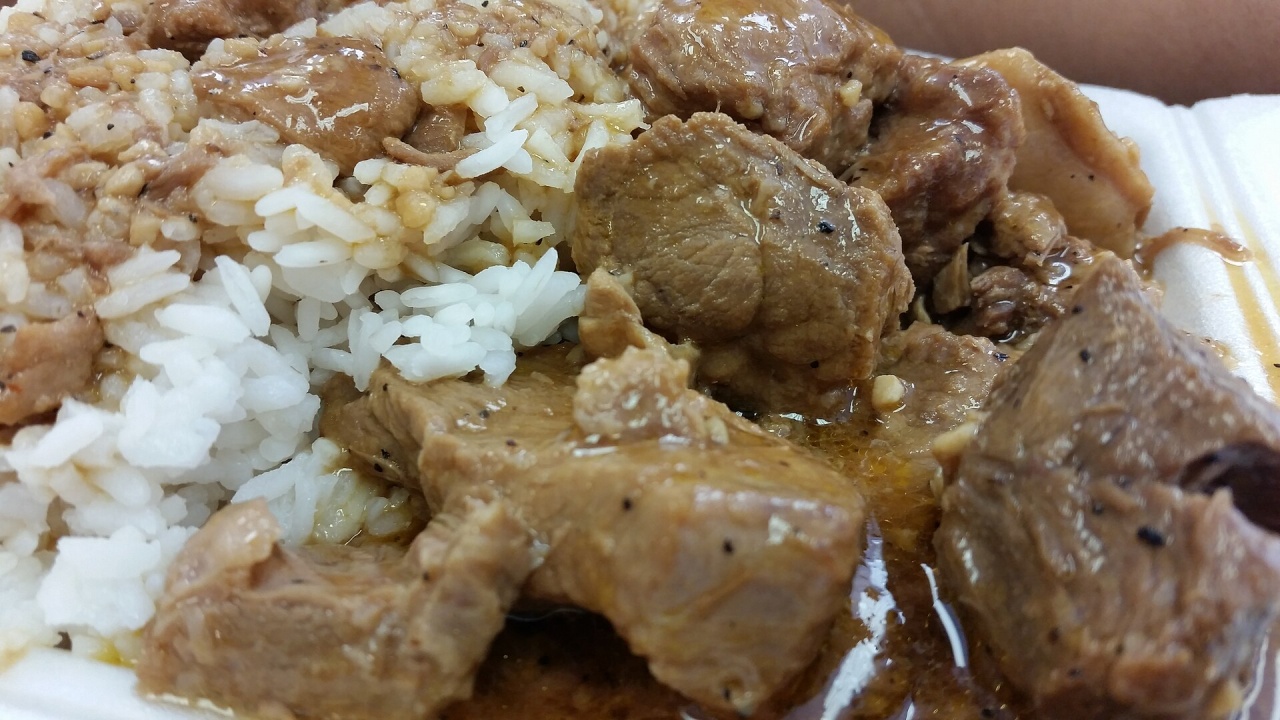
The Filipino national dish is “ababo” (pieces of chicken or pork marinated in palm vinegar, garlic and bay leaves, boiled, then fried in lard and finally simmered with a broth). “Lechon” (roast baby pig with liver sauce often served at gatherings), “pata” (crispy pork knuckle) and banana hearts (which taste like bamboo shoots) and prawns in peanut sauce are traditional Filipino feast foods.
Other typical Filipino dishes include “pochero” (a stew made with beef, sausage, or pork and sweet potatoes, tomatoes, cabbage, chick peas and cooked in a thick soup), “tapsilog” (dried beef, garlic fried rice and egg), “gulay” (a vegetable dish cooked in coconut milk), “pinigat” (a very hot vegetable dish), “sinigang” (meat or fish cooked with sour fruits, lime, tamarind, tomatoes and vegetables), “afritada” (beef in olive oil and tomato paste), and “kari-kari” (beef, ox tail and tripe cooked with a spicy peanut sauce.
Dishes with a Chinese touch include pork ribs marinated in sweet soy sauce and beef sauteed in black bean sauce with butter melted in and tomato. America dishes such as hamburgers, hot dogs and pizza are also widely available. Chinese restaurants serve mainly Mandarin or Cantonese dishes. Resorts and towns along the ocean are famous for fish, rock lobster, several species of crabs, giant prawns and other kinds of seafood. In some places you can get Spanish food like “paella”. Sometimes the beef comes from water buffalo. Fish often comes with the head attached and the chicken often has a lot of bones.
Traditional Dishes include: Adobong pusit (squid), adobong isda (fish), adobong gulay (vegetables), adobong karne (meat)—cooked in a mixture of vinegar, garlic, salt, peppercorns, bay leaves and soy sauce; Inihaw na bangus (grilled milkfish), inihaw na hipon (grilled shrimps), inihaw na lapu-lapu (grilled grouper), inihaw na baboy (charcoal grilled pork) with vinegar and garlic dip. Also, there is Relleno (stuffed)—rellenong bangus (stuffed milkfish), rellenong pusit (stuffed grilled squid); Daing na bangus (fried seasoned milkfish); Sinuam na isda (fish ginger with vegetables); Pinakbet (vegetable stew); Guinataang kalabasa at hipon (squash and shrimps in coconut milk); Sinigang (in sour broth)—sinigang na isda (fish sinigang); sinigang na hipon (shrimp sinigang), sinigang na baboy (pork sinigang), sinigang na manok (chicken sinigang); Pancit canton (sautéed egg noodles); Kare-kare (stew with peanut sauce); Lechon (roasted pork); and Halo-halo - literally means "mix-mix" which is what you do to it before eating it (a dessert made from shaved ice mixed with sweetened bananas, sweet potatoes, yam, black and white beans, agar-agar fruits, smothered in evaporated milk and mixed together). [Source: Canadian Center for Intercultural Learning]
Among the best meat dishes are Lechon Kawali (pork braised in a skillet pan) and Adobong manok (chunks of chicken, braised in a broth with soy sauce, bay leaves and other relatively delicate spices); beef dishes tend to be over-cooked, to ensure food safety. Root crops are simmered in the coconut milk and then eaten. Fresh fish is a must. Typically we will eat fish in a sour soup—Sinigang where the broth is made with tamarind and lemon grass. Green vegetables are added to the soup, before simmering the broth. If it is straight from the ocean, merely marinating the fish in coconut vinegar and a little pepper is exquisite fare: Kinilaw (can be Tanguige and other white fish, or "posit" (squid)). [Ibid]
RELATED ARTICLES:
FOOD AND THE PHILIPPINES: DIET, STAPLES, AND COOKING FOR U.S. PRESIDENTS factsanddetails.com
EATING AND DRINKING CUSTOMS IN THE PHILIPPINES factsanddetails.com
FILIPINO CUISINE: CHARACTERISTICS, REGIONAL VARIATIONS, FUSION, DEFENDING IT factsanddetails.com
FILIPINO SNACKS AND DESSERTS: SWEETS, FRUITS, STREET FOOD factsanddetails.com
FILIPINO FOOD RECIPES factsanddetails.com
EXOTIC AND WEIRD FOODS IN THE PHILIPPINES factsanddetails.com
FILIPINO RESTAURANTS AND PLACES TO EAT IN THE PHILIPPINES factsanddetails.com
JOLLIBEE: HISTORY, TONY TAN CAKTIONG, SUCCESS factsanddetails.com
DRINKS IN THE PHILIPPINES: BEER, TUBA, COCKTAILS, CIVET COFFEE factsanddetails.com
DRINKING IN THE PHILIPPINES: CUSTOMS, HOBBIT BAR, WINE PARTIES, TAXES factsanddetails.com
TOBACCO AND BETEL NUT IN THE PHILIPPINES: SMOKING, HISTORY, STRICT LAWS factsanddetails.com
ILLEGAL DRUG USE IN THE PHILIPPINES: MAINLY CANNABIS AND METH factsanddetails.com
ILLEGAL DRUG TRADE IN THE PHILIPPINES factsanddetails.com
Favorite Filipino Foods
A table of classic Filipino dishes might include lechon (whole roasted pig), adobo (chicken or pork cooked with garlic, soy sauce, and vinegar), caldereta (a spicy goat stew), kare-kare (oxtail in peanut sauce), and sinigang, the well-known sour soup. [Source: “Culture Shock!: Philippines” by Alfredo Roces and Grace Roces, Marshall Cavendish International, 2010]
Adobo is one of the most common dishes in the Philippines and is found in almost every household. Although the name has Spanish and Mexican roots, Filipinos developed their own way of cooking it. Meat—often chicken or pork—is simmered in vinegar, salt, garlic, pepper, soy sauce, and other spices. This method was practical because the vinegar helped preserve the meat before refrigeration was common. The same cooking style can also be used for seafood and other meats. [Source: Maida Pineda, Candice Lopez-Quimpo, CNN March 6, 2012 ]
Abode is sometimes called the national dish of the Philippines. It is not only a national dish, but also a style of cooking that involves marinating pieces of meat or seafood in vinegar and spices, then browning them in their own juices. Adobo sauce usually contains soy sauce, white vinegar, garlic, and peppercorns or pepper, and it is boiled with the meat. The vinegar preserves the meat, so adobo can be stored for four or five days without refrigeration. This is considered an advantage in the tropical heat. Pork adobo is the most popular option for those who can afford it, but any type of meat or seafood can be used. [Source: Junior Worldmark Encyclopedia of Foods and Recipes of the World, Gale Group, Inc., 2002]
Lechon is the star attraction at many Filipino celebrations and parties. The dish features a whole pig slowly roasted on a spit over hot coals. The crisp, golden-brown skin is the most prized part and is usually served with a rich liver sauce. In Cebu, the pig’s stomach is stuffed with spices such as star anise, pepper, spring onions, bay leaves, and lemongrass, giving the meat so much flavor that it is often eaten without any sauce. See Below
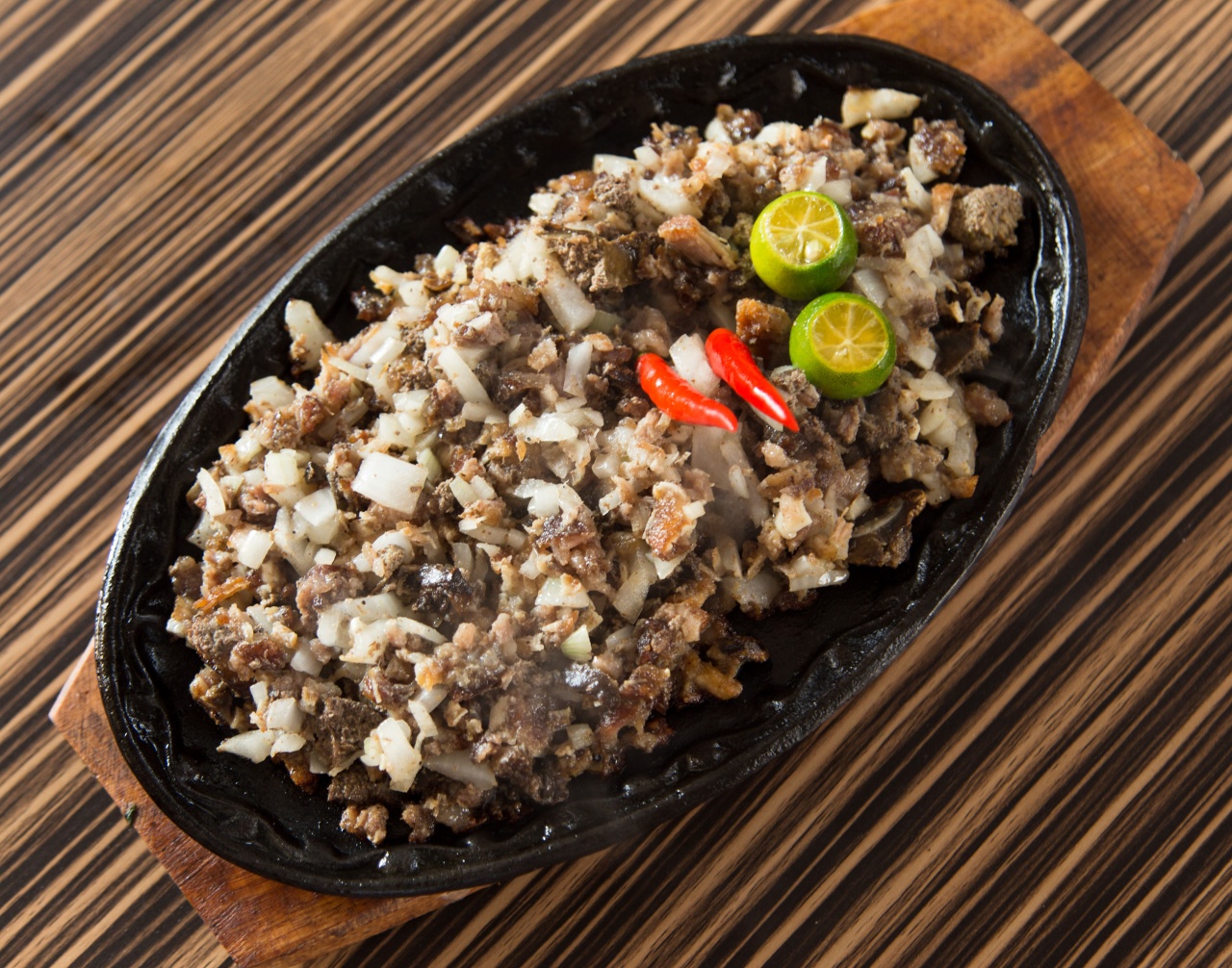
Sisig shows how Filipino cooking wastes almost nothing. In Pampanga, known as the country’s culinary capital, cooks turn parts of the pig’s head—such as the cheeks, ears, and liver—into a sizzling dish called sisig. The mix of crunchy and chewy textures makes it a popular appetizer, especially when paired with a cold beer. Diners often add hot sauce or seasoning to taste. The dish is credited to Aling Lucing, who first served it at a small stall near the railway tracks in Angeles City, Pampanga, where many people still seek out the original version today.
Kinilaw is the Filipino counterpart to Latin American ceviche and Hawaiian poke. The dish typically combines fresh raw fish with onions, garlic, ginger, tomatoes, and chilies, marinated in coconut vinegar and citrus juice. Some regional versions add coconut cream, producing a richer, milky flavor balanced by acidity and heat. The simplicity of kinilaw highlights the freshness of local seafood. A popular place to try it is along the seaside markets on Macapagal Boulevard in Pasay, where visitors can select seafood from a wet market and have nearby paluto restaurants cook it to order. [Source: Don Jaucian and Michelle Ayuyao, CNN Philippines Life, April 22, 2016]
Kare-kare is a rich Filipino stew known for its thick peanut-based sauce. While dishes like Adobo often represent Filipino cuisine abroad, many believe kare-kare deserves equal attention. The stew typically combines oxtail with vegetables such as daikon, Chinese cabbage, and eggplant, simmered in a sauce flavored with annatto and peanut butter. The result resembles a mild satay and is traditionally served with rice and a spoonful of bagoong (fermented shrimp paste) for contrast. A classic version is served at Milky Way Cafe in Makati, a long-standing restaurant known for its faithful renditions of Filipino classics.
Favorite Filipino Meat Dishes
Chicken inasal is Bacolod’s famous version of grilled chicken. The meat is marinated in lemongrass, calamansi, salt, pepper, and garlic, then brushed with orange-colored oil made from achuete (annatto seeds) while it cooks. In Bacolod, almost every part of the chicken is grilled, including the paa (drumstick), pecho (breast), baticulon (gizzard), atay (liver), pakpak (wings), and corazon (heart). It is usually eaten with plenty of garlic rice, sometimes drizzled with the same orange marinade oil. Pastured chickens in the Philippines are not fed commercial feed. They have a delicious taste and sell for a much higher price than chickens fed with commercial feed. [Source: Maida Pineda, Candice Lopez-Quimpo, CNN March 6, 2012 ]
Pork barbecue is a favorite street food across the Philippines. Meat is marinated, skewered on sticks, and grilled over charcoal on street corners. Pork is the most popular choice, and everyone seems to have a favorite stall. Cebu is known for its barbecue stands along Larsian Street near Fuente Osmeña Circle, while many people in Manila swear by the large, juicy pork skewers served by the well-known chain Ineng’s.
Inihaw na liempo is Filipino-style grilled pork belly. The cut of meat—liempo—has the perfect mix of fat and meat, making it especially flavorful when grilled. In Cebu, cooks often prepare it by stuffing a slab of pork belly with herbs and spices before roasting it. The result is juicy, flavorful meat on the inside with crispy, crackling skin on the outside.
Crispy pata is a rich dish made from a whole pork knuckle. The meat is first simmered until tender, then drained and deep-fried until the outside becomes crisp and crackling. Inside, the pork stays juicy and soft. It is usually served with a dipping sauce made from vinegar, soy sauce, and chili.
Max’s fried chicken is a legendary dish associated with one of the Philippines’ most enduring restaurant chains. Max's Restaurant traces its origins to the years of World War II, when its founder served fried chicken to American soldiers. Over time the dish became famous for its distinctive preparation—golden and crisp on the outside while remaining tender inside, seasoned with a closely guarded blend of spices. The chain’s slogan, “the restaurant that fried chicken built,” reflects the central role this dish has played in Filipino family gatherings and celebrations.[Source: Don Jaucian and Michelle Ayuyao, CNN Philippines Life, April 22, 2016]
Noodles (Pansit) in the Philippines
In Filipino culture, noodles symbolize prosperity, long life, and good fortune; therefore, they are typically left uncut during preparation so their length remains intact. One tradition in the Philippines, is for people to eat pancit (noodles) during one’s birthday under the belief that eating long noodles will give them long life.
The Chinese introduced pansit (noodles) to the Philippines. Over time these noodles developed into many local varieties, including pansit luglug, pansit guisado, pansit marilao, pansit palabok, and pansit molo, a soup similar to wonton soup. [Source: “Culture Shock!: Philippines” by Alfredo Roces and Grace Roces, Marshall Cavendish International, 2010]
Pancit Habhab (Lucban) is a sweet noodle dish made from rice flour. It acquired its name and developed its unique attraction by the way it is eaten. Otherwise known as Pancit Lucban, these noodles are hawked in the streets and served on a piece of banana leaf, sans fork or any other utensils. Thus, it is eaten straight from the leaf, licking permitted... "habhab"-style. In Lucban, Quezon, pancit habhab is served on a banana leaf and slurped. Garnished with carrots, chayote, and a few pieces of meat, this cheap noodle dish is most often eaten by students and jeepney drivers on the go.
Pancit Palabok is a richly flavored noodle dish commonly served at celebrations such as birthdays and family gatherings. The dish features rice noodles topped with a thick orange sauce made from shrimp broth and annatto, and is garnished with pork, shrimp, hard-boiled eggs, and crispy pork rinds (chicharon). In some versions, oysters or squid are also added, giving the dish a complex combination of flavors and textures.
Cebu Lechon – Whole Roasted Pig
Léchon, a suckling pig that has been roasted until the skin forms a hard brown crust, is served at important occasions. The inside is very fatty. Strips of the skin with attached fat are considered the best pieces. The importance of the host and the occasion are measured by the amount of léchon served. Blood drained from the pig is used to make dinuguan. Cebu-style Lechon baboy is usually enjoyed with lechon sauce or homemade liver sauce. [Source: LechonHQ]
Generally referred to as whole roasted pig, lechon got its name from the Spanish word for milk – leche. There is an assortment of ways to roasting a whole pig; however, it is Cebu lechon baboy that has earned the distinction of being the “world’s best” as unabashedly proclaimed by world-renowned chef and author, Anthony Bourdain.
In one past episode of his show on the Travel Channel, Anthony Bourdain—a self-proclaimed pork expert—declared Cebu lechon baboy as one of the best roasted pig dishes he has ever had the privilege of eating because of its crispy skin and tender juicy meat. On his blog he said: “And speaking of pig? It can now be said that of all the whole roasted pigs I’ve had all over the world, the slow roasted lechon I had on Cebu was the best.”
How to Do a Filipino Pig Roast
Jeremy Hoefs wrote: “Pig roasts are common for events and gatherings where you cook the whole pig over an open fire or in an underground pit. There are numerous recipes and cooking methods for a pig roast, but a Filipino pig roast — also referred to as lechon baboy — is a specific method that results in a roasted pig with crispy skin and delicious meat. A traditional Filipino pig roast is used during special occasions and holidays, but you can use a Filipino pig roast anytime to enjoy the flavor of pork. [Source: By Jeremy Hoefs, February 19, 2104]
Step 1: Select a pig that weighs about 100 lbs. Smaller pigs are easier to cook during a Filipino pig roast and a 100-lb. pig should feed a large party. Step 2: Clean and dress the pig by removing the entrails and washing the inside and outside of the pig. Use a garden hose to spray the inside cavity of the pig to remove excess blood or innards. Step 3: Season the pig with various spices, sauces and rubs. A traditional Filipino recipe calls for rubbing salt and pepper on the outside and inside of the pig along with rubbing soy sauce on the outside. The combination of flavors helps to result in a crispy skin.
Step 4: Stuff the inside cavity with lemongrass, apples and onions and sew shut. Step 5: Build the fire using firewood and coals. Avoid using propane and allow the fire to get red hot. Step 6: Push a bamboo stick through the pig's mouth and hind quarter. The bamboo stick serves as the rotisserie while cooking and adds to the overall flavor of the Filipino pig roast. Step 7: Place the pig over the fire, but avoid placing the pig's back directly over the flame. Make sure to leave room in the fire for grease to drip from the pig. Step 8: Cook the pig for about eight to nine hours, turning occasionally. You may need to adjust the cooking time based on the temperature, wind and size of the pig. Step 9: Check the internal temperature of the meat with a meat thermometer. The U.S. Department of Agriculture recommends cooking the pig to an internal temperature of 145 degrees before removing from the fire.
Tips: Serve the Filipino pig roast with a dipping sauce and other side dishes, which include include baked beans, cornbread, vegetables and fried rice. Things You'll Need: garden hose, spices and/or rubs, salt and pepper, soy sauce, lemongrass, apples, onions, firewood, coals, bamboo stick.
Favorite Filipino Seafood Dishes
Taba ng talangka is made from the rich orange fat of small crabs. The crab fat is pressed out and sautéed with garlic to create a thick, flavorful paste. Although it is very rich, many Filipinos love it and use it as a sauce for prawns or eat it with fried fish and rice. Some of the best versions are said to come from the provinces of Pampanga, Tarlac, and Bulacan, where jars of it are often sold in local markets and pasalubong (souvenir) shops. [Source: Maida Pineda, Candice Lopez-Quimpo, CNN March 6, 2012 ]
Fish tinola is a simple soup that highlights the freshness of Cebu’s seafood. The fish is simmered in a light, sour broth flavored with onions, tomatoes, and sambag (tamarind). The soup is often cooked slowly over coconut wood for hours, giving it a deep flavor.
Sinugno is a dish from Quezon Province, south of Manila, where cooking with coconut milk is very common. Fresh tilapia is first grilled, then simmered in coconut milk with chili peppers. It is especially good when eaten near the fishponds where the fish are freshly caught.
Relyenong alimango is a stuffed crab dish that shows the creativity of Filipino cooking. The crab meat is carefully removed from the shell, sautéed with onions, tomatoes, and herbs, then stuffed back into the crab shell before being deep-fried. Similar stuffed dishes, called relleno, are also made with chicken or bangus (milkfish). They are often prepared at home for fiestas but are also sold in weekend markets in big cities.
Inihaw na panga ng tuna is a popular dish in the tuna-rich regions of southern Philippines, especially around General Santos and Davao. The panga, or tuna jaw, is grilled over charcoal and served with a dipping sauce made from soy sauce, vinegar, chili, and calamansi.
Fish kinilaw is a Filipino-style raw seafood dish. Very fresh fish is mixed with coconut or palm vinegar, ginger, chili, and other spices. The vinegar lightly “cooks” the fish, giving it a bright and tangy flavor. Each province has its own way of preparing kinilaw, and many fish markets will even prepare it on the spot.
Sinanglay is another tilapia dish cooked with coconut milk. The fish is stuffed with tomatoes and onions, then wrapped in pechay leaves (similar to bok choy) and simmered in coconut milk. The leaves help hold the fish together and add a slightly peppery flavor.
Camaro rebosado is a simple fried shrimp dish. The shrimp are coated in an egg-and-flour batter and deep-fried until crisp. They are usually served with a sweet-and-sour tomato-based dipping sauce.
Favorite Filipino Soups, Stews and Porridges
Bulalo is a rich Filipino soup made with beef shanks and bone marrow. Even in the country’s hot climate, many Filipinos enjoy eating this steaming dish. The broth is slowly simmered for hours so the flavor from the beef and bones seeps into the soup. The large bones contain soft bone marrow, which many people consider the best part. Bulalo is especially famous in Batangas and nearby Tagaytay.
Arroz caldo is a comforting chicken rice porridge that many Filipinos eat when they are sick or want something warm and filling. The dish is cooked with chicken, rice, and ginger, giving it a fragrant flavor. It is often topped with hard-boiled eggs, toasted garlic, and chopped green onions. Arroz caldo is commonly sold at small street stalls across the country.
Kare-kare is a thick stew usually made with oxtail. Its rich sauce is made from ground toasted rice and crushed peanuts. Vegetables such as banana blossom, eggplant, and string beans are added, giving the dish a variety of textures. Kare-kare is typically served with steamed rice and bagoong (shrimp paste), which adds a salty contrast to the nutty sauce.
Sinigang is a popular sour soup in the Philippines. It can be made with fish, shrimp, pork, or beef and gets its sour flavor from ingredients such as tamarind, kamias, or tomatoes. The soup usually includes vegetables like kangkong (water spinach), string beans, and taro. It is almost always eaten with rice.
Bicol Express is a spicy stew made with pork, chili peppers, and coconut milk. The dish is known for its rich, creamy flavor and strong heat. It comes from the Bicol region of the Philippines, an area famous for dishes that combine coconut milk and chili.
Favorite Filipino Breakfasts
Tapa is a popular Filipino breakfast dish. A typical tap-si-log meal includes thin slices of dried, marinated beef served with garlic fried rice and a fried egg. Although it is considered breakfast food, many Filipinos eat it at any time of the day because it is quick and filling. The beef is usually slightly sweet, salty, and sometimes spicy.
Champorado is a sweet chocolate rice porridge often eaten for breakfast or as a snack. It is warm, rich, and comforting, especially during rainy days when children stay home from school. The porridge is made by cooking rice with cocoa or chocolate, creating a thick, chocolatey dish. To balance the sweetness, it is often served with salty dried fish.
Pan de sal is one of the most common breakfast breads in the Philippines. These small oval bread rolls have a lightly brown crust and a soft, fluffy inside. Many Filipinos buy them early in the morning from neighborhood bakeries and eat them with butter, cheese, or coffee. Traditional pan de sal is baked in wood-fired ovens, which give the bread a slightly smoky flavor.
Longaniza is a Filipino-style sausage often served for breakfast. Different provinces make their own versions, and the flavor can range from sweet to garlicky to spicy. It is usually served with garlic rice, a fried egg, and a small dish of vinegar for dipping. This classic breakfast combination is often called long-si-log.
Image Sources: Wikimedia Commons
Text Sources: “Encyclopedia of World Cultures Volume 5: East/Southeast Asia:” edited by Paul Hockings, 1993; “Culture Shock!: Philippines” by Alfredo Roces and Grace Roces, Marshall Cavendish International, 2010; Metropolitan Museum of Art; National Geographic, Live Science, Philippines Department of Tourism, New York Times, Washington Post, Los Angeles Times, Smithsonian magazine, Encyclopedia.com, Library of Congress, The Conversation, The New Yorker, Time, BBC, CNN, Reuters, Associated Press, AFP, Lonely Planet Guides, Google AI, Wikipedia, The Guardian and various websites, books and other publications.
Last updated March 2026