
PHILIPPINES CULTURE
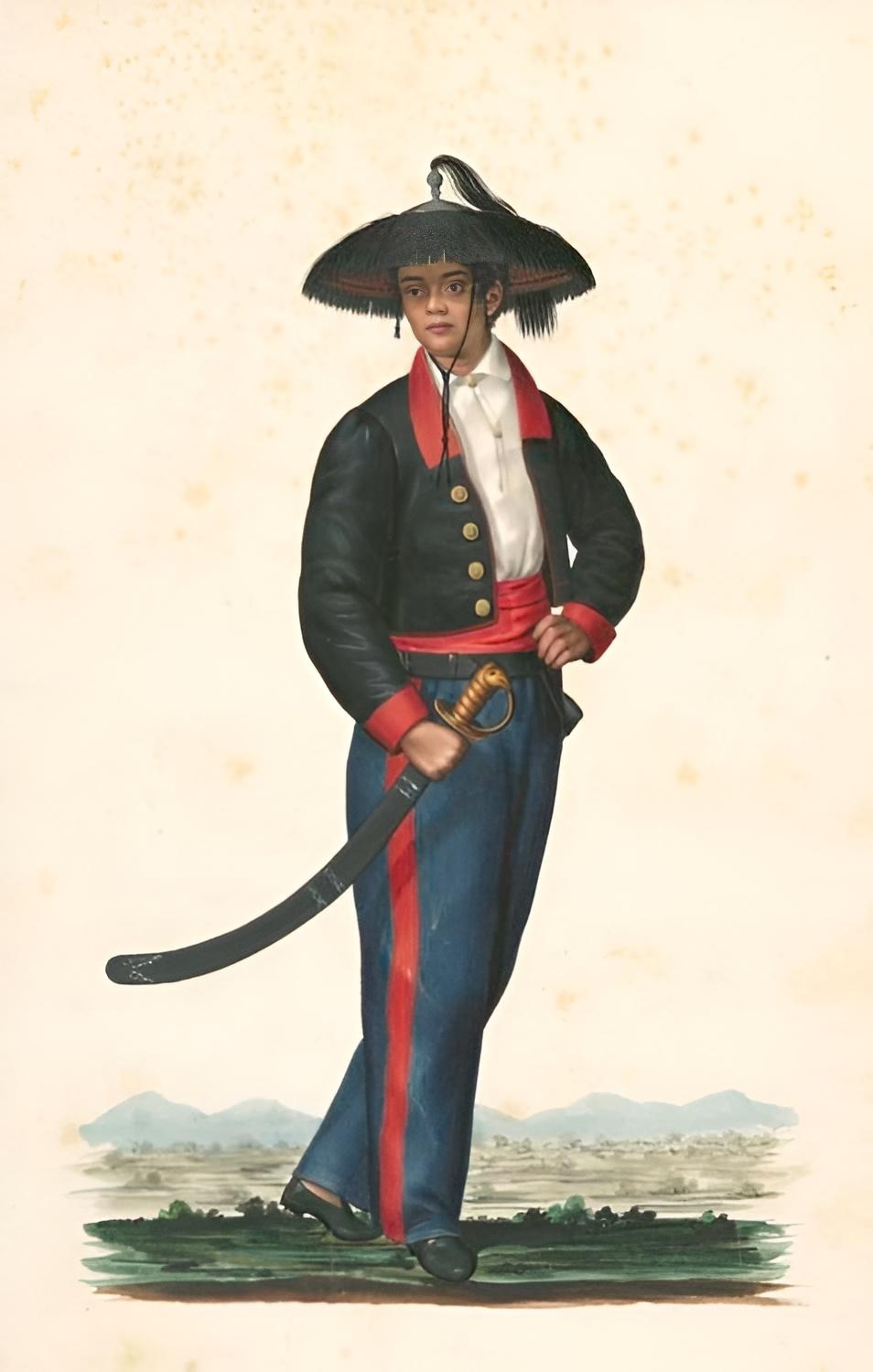
Traditional theater, literature, and love songs called kundimans are popular in the Philippines. Many people enjoy watching soap operas and movies and growing flowers. The Philippines has produced famous artists such as the painters Fabian de la Rosa and Fernando Amorsolo. Much of the country's literature consists of native legends and poems. These myths and legends center on topics such as the origin of the world, the first man and woman on Earth, the reason the sky is high, the reason the sea is salty, and the reason there are different ethnic groups. [Source: Blackbirch Kid's Visual Reference of the World, Gale Group, Inc., 2001]
Jeepneys, tricycles, bancas and fiestas are famous examples of Philippine culture. Among the most famous festivals are the Masskara in Bacolod, the Pahiyas in Quezon, Sinulog in Cebu, Kadayawan in Davao and Panagbenga in Baguio.
The Philippines has a literacy rate is around 95 percent and many people speak English to varying degrees. As the Far East's only predominantly Christian country, Western ideas and values have strongly influenced Philippine art. The art world is active and diversified.[Source: Cities of the World, Gale Group Inc., 2002, adapted from an August 1994.U.S. State Department report]
RELATED ARTICLES:
CATHOLIC, ASIAN, SPANISH AND AMERICAN INFLUENCES ON FILIPINO IDENTITY AND CULTURE factsanddetails.com
LITERATURE IN THE PHILIPPINES: FOLK STORIES, FLIP TOP AND BALAGTASAN (DEBATE POETRY) factsanddetails.com
MYTHS, LEGENDS AND CREATION STORIES IN THE PHILIPPINES factsanddetails.com
FILIPINO GHOSTS, WITCHES. DEMONS AND MONSTERS factsanddetails.com
JOSE RIZAL: THE WRITER AND JACK OF ALL TRADES factsanddetails.com
PHILIPPINE ART: HISTORY, PAINTERS, CRAFTS, CONTROVERSY factsanddetails.com
ARCHITECTURE OF THE PHILIPPINES: CHURCHES, MANSIONS, GIANT CHICKEN-SHAPED HOTEL factsanddetails.com
MUSIC FROM THE PHILIPPINES: ARTISTS, GOOD SINGERS, POP, ROCK factsanddetails.com
TRADITIONAL MUSIC IN THE PHILIPPINES: INSTRUMENTS, DRUMS, NOSE FLUTES, factsanddetails.com
FILIPINO BANDS: THEIR TALENT,VERSATILITY, HARD LIVES AND WHERE THEY PLAY factsanddetails.com
FOREIGN MUSICAL ARTISTS IN THE PHILIPPINES: THE BEATLES, AIR SUPPLY, LADY GAGA factsanddetails.com
FILIPINO AMERICAN POP-ROCK STARS: OLIVIA RODRIGO, BRUNO MARS, FANNY, H.E.R. factsanddetails.com
FILM IN THE PHILIPPINES factsanddetails.com
HISTORY OF FILM IN THE PHILIPPINES factsanddetails.com
History of Culture in the Philippines
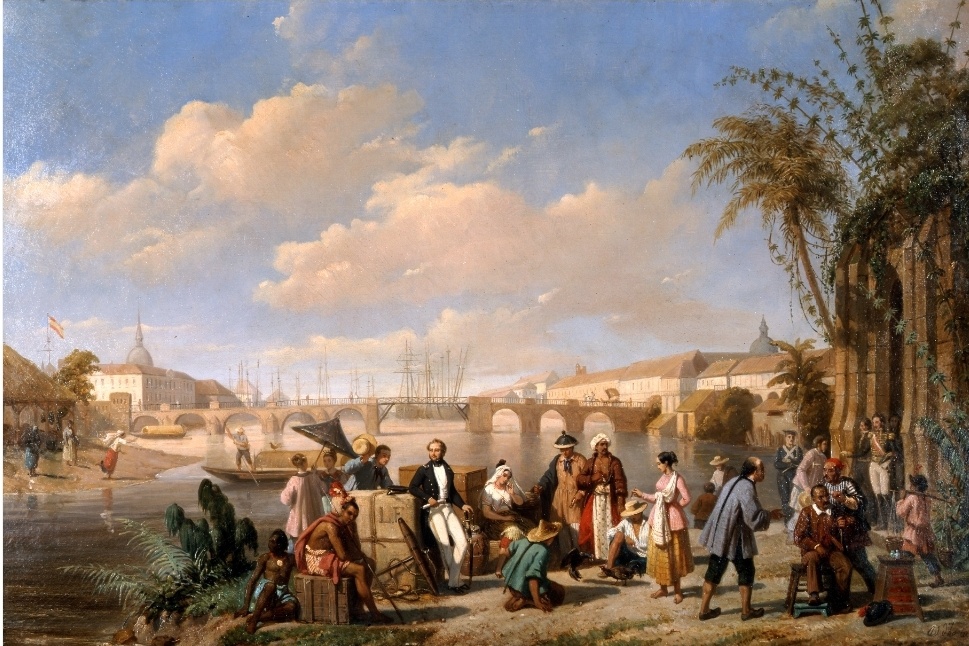
Indigenous music, art, and literature in the Philippines are largely based on oral folklore traditions, the influence of the Church, and Spanish and American colonialism. During the early years of Spanish colonial rule, most literary, musical, and artistic expressions in the Philippines were religious. For instance, popular subjects sung and performed in religious theatrical plays were the Pasan (Passion), the story of Christ's suffering and death on the cross. [Sources: Kathleen M. Nadeau, Worldmark Encyclopedia of Religious Practices, Thomson Gale, 2006; Rebecca, Philippines Baguio Mission, 2009-2011, the missionary website, preparetoserve.com]
During Spanish rule, Western culture gradually seeped into Filipino life. Filipinos adopted Western music, dance, art, recreation, and customs. Their beliefs and perspectives about life also shifted from Eastern Muslim philosophies to a more Westernized perspective. One example of this shift is the abolishment of slavery. However, the class divide between rich and poor remained.
In the mid-nineteenth century, the Spanish colonizers permitted some middle-class men to pursue a university-level education. As the middle class became educated, Filipino literature flourished. The greatest historical literature emerged from the movements for independence from Spain (1565–1898) and the United States (1898–1946). Jose Rizal's novels, written at the turn of the 20th century to counter Spanish colonialism, continue to inspire modern Filipino nationalism.
Tagalog Culture
Tagalogs are the largest ethnic group in the Philippines, making up 28 percent of the country’s population. In many ways Tagalog culture is synonymous with Filipino culture.Tagalogs have long been recognized for their excellence in the arts. [Source: “Encyclopedia of World Cultures Volume 5: East / Southeast Asia:” edited by Paul Hockings, 1993 |~|]
With the introduction of printing in 1593 in Binondo, Manila, a rich literary tradition emerged, expressed in Tagalog as well as in Spanish and English. This body of work includes poetry, drama, novels, short stories, essays, and criticism. As early as 1606, Tagalog poems were already being printed, including those by Fernando Bagonbanta. Over time, many notable writers rose to prominence, among them Francisco Baltazar—also known as Balagtas and celebrated as the “Prince of Tagalog Poets.” His masterpiece Florante at Laura remains a classic, and his name lives on in the balagtasan, a traditional poetic debate.
The writings of José Rizal, particularly his novels Noli Me Tángere and El Filibusterismo, played a crucial role in awakening Filipino nationalism; these works ultimately led to his execution by Spanish authorities in 1896 and secured his place as a national hero. Today, Tagalog continues to thrive in a vibrant film and television industry, and it remains widely used across all forms of media. A traditional art form that endures is the kundiman, a genre of romantic song deeply rooted in Filipino culture.
Manila Culture
Metro Manila stands at the heart of the Philippines’ entertainment and cultural life, serving as a hub for both local and international talent. Global performers frequently visit, while Filipino artists consistently take the stage, showcasing the country’s dynamic creative scene. Art galleries—found in upscale districts, shopping centers, cultural spaces, and historic streets—highlight the works of both established and emerging visual artists, offering a glimpse into the nation’s evolving artistic identity. [Source: Philippines Department of Tourism]
To stay informed about current happenings, residents and visitors alike often consult free event magazines available in restaurants and browse online city guides, which feature film festivals, dance events, weekend workshops, pop-up markets, and other engaging activities.
Folk dance groups continue to enjoy popularity alongside Western-style modern and classical ballet companies, reflecting the Philippines’ blend of indigenous and global influences. Manila is also home to symphony orchestras with regular concert seasons, while drama groups—including those with international members—stage performances throughout the year. In addition, the city showcases bold and innovative examples of modern architecture, particularly in its newer developments, further emphasizing its role as a center of cultural and artistic expression.
Folk Culture in the Philippines
Philippine dance traditions illustrate how foreign influences were reshaped into something distinctly local. Spanish forms such as the jota, rigodon, and polka were adopted and gradually transformed through rural interpretation, eventually becoming recognized as “Filipino.” A similar process can be seen in religious art: antique statues of saints, or santos, that are most valued today are often those infused with folk elements. Even modern symbols reflect this blending—the jeepney, now an iconic Filipino mode of transport, originated from the American military jeep but was reimagined with vibrant colors, decorations, and personalized designs. [Source: “Culture Shock!: Philippines” by Alfredo Roces and Grace Roces, Marshall Cavendish International, 2010]
This constant interplay between urban and rural life, between external (largely Western) influences and indigenous traditions, defines what may be called the Filipinization process. It allows for striking contrasts: the highly trained, urban neurosurgeon is just as Filipino as the rural faith healer deeply rooted in local beliefs.
These apparent contradictions are bridged by a wide spectrum of lived experiences and identities. A wealthy, cosmopolitan Filipino might still enjoy humble foods like dried fish and bagoong in private, while a young man from a rural village may eagerly follow the latest global dance trends. In this way, Filipino culture is shaped by the dynamic balance between tradition and change.
Beyond visible practices, this process also affects less tangible aspects of life—values, manners, belief systems, organizational structures, skills, and aesthetics. One result is “folk Catholicism,” a localized expression of religion blending official doctrine with indigenous practices. For outsiders, this can create a unique form of culture shock. What appears to be familiar Western-style behavior may carry different meanings. For instance, a Filipino’s “no, thanks” may not be a firm refusal but a polite hesitation, inviting reassurance or a second offer. Likewise, the American “okay” and the Filipino “okay lang” differ subtly, with the latter often implying acceptance tinged with modesty or reservation rather than full agreement.
Merging of Cultures to Create Something Filipino
The absorption of Western influences into indigenous traditions is part of what is often called the Filipinization process. Many cultural symbols that Filipinos identify as their own are, in fact, derived from Western origins but have been reshaped through local adaptation and folk creativity. [Source: “Culture Shock!: Philippines” by Alfredo Roces and Grace Roces, Marshall Cavendish International, 2010]
In many cases, foreign elements introduced and first embraced in urban areas do not fully become “Filipino” until they are taken up, reinterpreted, and integrated into rural life. It is through this broader, grassroots assimilation that these influences gain a distinctly national character.
A clear example can be seen in traditional attire. The barong Tagalog for men and the balintawak for women both have roots in Western-style clothing but were transformed through local materials and aesthetics. The barong Tagalog, for instance, originated from a 19th-century Western shirt worn untucked. Some historians suggest that Filipinos, then referred to as Indios, were required to wear their shirts untucked to distinguish them from Spaniards. Over time, however, the garment evolved into a cultural symbol through the use of indigenous fabrics such as jusi and piña, along with intricate embroidery featuring native designs, giving it a distinctly Filipino identity.
Government Support of Culture in the Philippines
The major cultural agencies of government are the Cultural Center of the Philippines, the National Historical Institute, the National Museum, The National Library, the Records Management and Archives Office, and the Commission on the Filipino Language. The Heads of these cultural agencies are all ex-officio members of the NCCA Board and all except the Commission on the Filipino Language are together under the National Commission on Culture and Arts.
The Philippine government supports institutions such as the National Museum in Manila. Colleges and universities have libraries. The best collections are in Manila. Museums are located in provincial capitals and in Manila. The Cultural Center of the Philippines, also in Manila, is a performing arts center that opened in 1970. Created under the direction of former First Lady Imelda Marcos, it is a multibuilding complex that encouraged musicians to enter the international community and receive additional training. Nongovernmental organizations preserve the folk heritage of indigenous groups. [Source: “Encyclopedia of World Cultures Volume 5: East / Southeast Asia:” edited by Paul Hockings, 1993 |~|]
Philippines’ Threatened Cultural Treasures
Cultural treasures in the Philippines face threats not only from thieves and illicit art dealers but also from less obvious dangers such as humidity, mildew, and excessive light exposure. The country possesses a remarkable range of historical artifacts—from ancient human remains dating back tens of thousands of years to grand churches built during Spanish colonial rule—but many of these are at risk. [Source: Cecil Morella, AFP, July 14, 2011]
Even within institutions meant to safeguard them, such as the National Museum of the Philippines, limited funding leaves collections vulnerable. Chief conservator Orlando Abinion has spent years working to preserve over half a million items, including ethnographic objects, artworks, and biological specimens. However, with an annual conservation budget of less than $23,000, he struggles to prevent deterioration, theft, and vandalism.
Despite these challenges, there have been notable successes. One of Abinion’s major achievements was restoring Spoliarium by Juan Luna, a monumental 1884 painting that had suffered damage from heat and humidity. The artwork, symbolizing Filipino aspirations for independence during Spanish rule, has since been stabilized and preserved.
Similar difficulties affect the National Library of the Philippines, where fragile collections are threatened by inadequate climate control. Conservation efforts have focused on restoring important works by José Rizal, including Noli Me Tángere and El Filibusterismo, which criticized Spanish colonial rule and contributed to the revolutionary movement. However, maintaining proper preservation conditions requires costly infrastructure upgrades that remain beyond reach.
Limited resources also hinder efforts to archive vast historical records, such as hundreds of thousands of pages documenting the Philippine Revolution. Some materials have already been lost, reportedly stolen by individuals who exploited access to sell them to private collectors.
Outside official institutions, the situation is even more precarious. Numerous archaeological and historical sites—including shipwrecks, churches, and burial caves—are exposed to looting. The Spanish galleon San Diego, discovered in 1991, was plundered before preservation efforts could begin. Even protected areas, such as the burial caves of Kabayan containing ancient mummies, have not been spared from theft.
Although new legislation has been passed to strengthen penalties against the illegal trade of cultural artifacts, enforcement remains weak due to delays in implementation. Older laws impose minimal fines and no prison terms, offering little deterrent. As a result, the Philippines’ cultural heritage continues to face serious risks, caught between limited resources, weak legal protection, and persistent exploitation.
Theater and Dance in the Philippines
Before Spanish colonisation, drama was of a religious nature and intended to persuade deities to provide the necessities of life. The Spanish used drama to introduce Catholicism. Filipino themes in drama emerged in the late nineteenth century alongside the independence movement. Current themes are nationalistic and reflect daily life. [Source: Sally E. Baringer, Countries and Their Cultures, Gale Group Inc., 2001]
Filipinos like to dance and generally better dancers than other Asians. They enjoy salsa and ballroom dancing and dance on rooftops when no other spaces are not available to them. Various kinds of dances are showcased at festivals.
Dance is a fusion of Filipino and Spanish cultures. Professional dance companies perform ballet, modern dance and folk dance. Folk dances, which reflect a strong Spanish influence, are performed at meetings and conferences. Indigenous dances are used in historical pageants. One example is a bamboo dance that tells the story of a bird moving among the reeds. People also enjoy ballroom dancing for recreation. Dance instructors are often present at parties to teach the waltz and the cha-cha.
Ballerina That Emerged From a Manila Slum
In a sprawling slum in Manila known as Aroma, families survive by collecting and recycling garbage, living amid harsh conditions of poverty, filth, and overcrowding. Children grow up surrounded by uncertainty, often expected to follow the same difficult path as their parents, with limited access to education or opportunity. [Source: Teresa Cerojano, Associated Press, December 26, 2012]
From this emerged an unlikely success story: Jessa Balote, who was discovered at age 10 and given a chance to train in ballet. Within just a few years, she progressed from a life of scavenging to performing in productions like Swan Lake and Don Quixote, even traveling abroad to compete in an international ballet competition in Hong Kong, where she became a finalist.
Her transformation was made possible by Lisa Macuja, the country’s most renowned prima ballerina and founder of Ballet Manila. Through her Project Ballet Futures scholarship, Macuja provides underprivileged children with years of free classical ballet training, academic support, and financial assistance—offering them a pathway out of poverty. The program supports dozens of young scholars from public schools, giving them daily training, stipends, meals, and performance opportunities. While the income they earn is modest, it represents a meaningful step toward independence and hope. For Jessa, ballet has not only provided financial help for her family but also opened up possibilities she never imagined.
Balote competed multiple times in the Asian Grand Prix in Hong Kong, earning placements as a finalist, fifth place, and later fourth place in higher divisions. She also reached the finals of the CCP National Dance Competition and, in 2016, was honored as Best Classical Ballet Dancer at the Aliw Awards. Her professional journey advanced when she became a company artist with Ballet Manila in 2014. Although she took a break from dancing after becoming a mother in 2018, she made a determined return in 2019 and eventually rose to the rank of soloist in 2022. [Source: Ballet Manila]
Jessa has taken on a range of notable roles, including Little Masha in The Nutcracker and parts in Sleeping Beauty, Swan Lake, and Giselle. She also performed in Sari’t Bahag, a work closely associated with Lisa Macuja-Elizalde, further highlighting her growth within the company. As a soloist, her first major role came in the world premiere of Romeo & Juliet (2023), where she portrayed Juliet’s nurse and confidante. This marked a significant milestone in her artistic development. Beyond the stage in Manila, Jessa has toured extensively with Ballet Manila, performing across the Philippines and internationally in places such as Hong Kong, Macau, Vietnam, the United Kingdom, Ireland, and Israel.
Japanese Pop Culture in the Philippines
Japanese popular culture has established a strong presence in the Philippines, extending far beyond anime and video games. Interest in Japan is evident in events such as the annual Philippines–Japan Friendship Month, when the Japanese embassy organizes activities including J-pop singing contests and cosplay competitions. These events attract both young people and adults, reflecting a broad and sustained enthusiasm for contemporary Japanese culture. [Source: Fritz Rodriguez, Rappler.com, May 19, 2012]
For many Filipinos, this interest begins at an early age. Jaymee Castillo, a 19-year-old art student, described how her fascination with Japan started in childhood through television anime. Over time, this initial exposure expanded into a wider engagement with Japanese culture, including cosplay, music, food, and visual art. She emphasized that the appeal of Japanese culture is not limited to its “kawaii” or cute aspects, but includes diverse and complex forms of expression.
Jaymee’s artistic development has been closely tied to this influence. She began drawing by copying anime characters and continues to incorporate Japanese aesthetics and concepts into her work. Beyond creating art, she attends conventions, reads manga, and listens to J-pop. Despite the expense of some hobbies, such as cosplay, she has remained committed, sometimes relying on shared resources or saving money to support her interests. She regards her appreciation for anime as a lasting influence rather than a passing phase.
Scholars describe Japanese popular culture as a broad set of cultural exports that have gained international appeal. According to Kyoto-based professor Bernard Susser, it includes food like sushi, as well as manga, anime, music, and global franchises. He noted that its popularity is partly due to its distinctiveness, combining familiar entertainment forms with elements that feel new or different to foreign audiences.
In the Philippines, this cultural influence has historical roots. University of the Philippines professor Wendell Capili explained that Japanese pop culture gained traction in the 1970s with the rise of amusement centers and the broadcast of anime series such as Voltes V and Mazinger Z. He added that Filipinos’ openness to foreign influences, shaped by a post-colonial history, has contributed to the widespread acceptance of Japanese media. At the same time, he emphasized that Filipino popular culture remains significant, shaped by the country’s diverse cultural traditions.
The impact of Japanese pop culture is also visible in figures such as Alodia Gosiengfiao, a prominent cosplayer and media personality. She began cosplaying as a teenager and gained recognition through competitions and media appearances, eventually becoming an international figure in the cosplay community. [Source: Wikipedia]
Image Sources: Wikimedia Commons
Text Sources: “Encyclopedia of World Cultures Volume 5: East/Southeast Asia:” edited by Paul Hockings, 1993; “Culture Shock!: Philippines” by Alfredo Roces and Grace Roces, Marshall Cavendish International, 2010; Metropolitan Museum of Art; National Geographic, Live Science, Philippines Department of Tourism, New York Times, Washington Post, Los Angeles Times, Smithsonian magazine, Encyclopedia.com, Library of Congress, The Conversation, The New Yorker, Time, BBC, CNN, Reuters, Associated Press, AFP, Lonely Planet Guides, Google AI, Wikipedia, The Guardian and various websites, books and other publications.
Last updated March 2026