
MULTI-TALENTED JOSE RIZAL
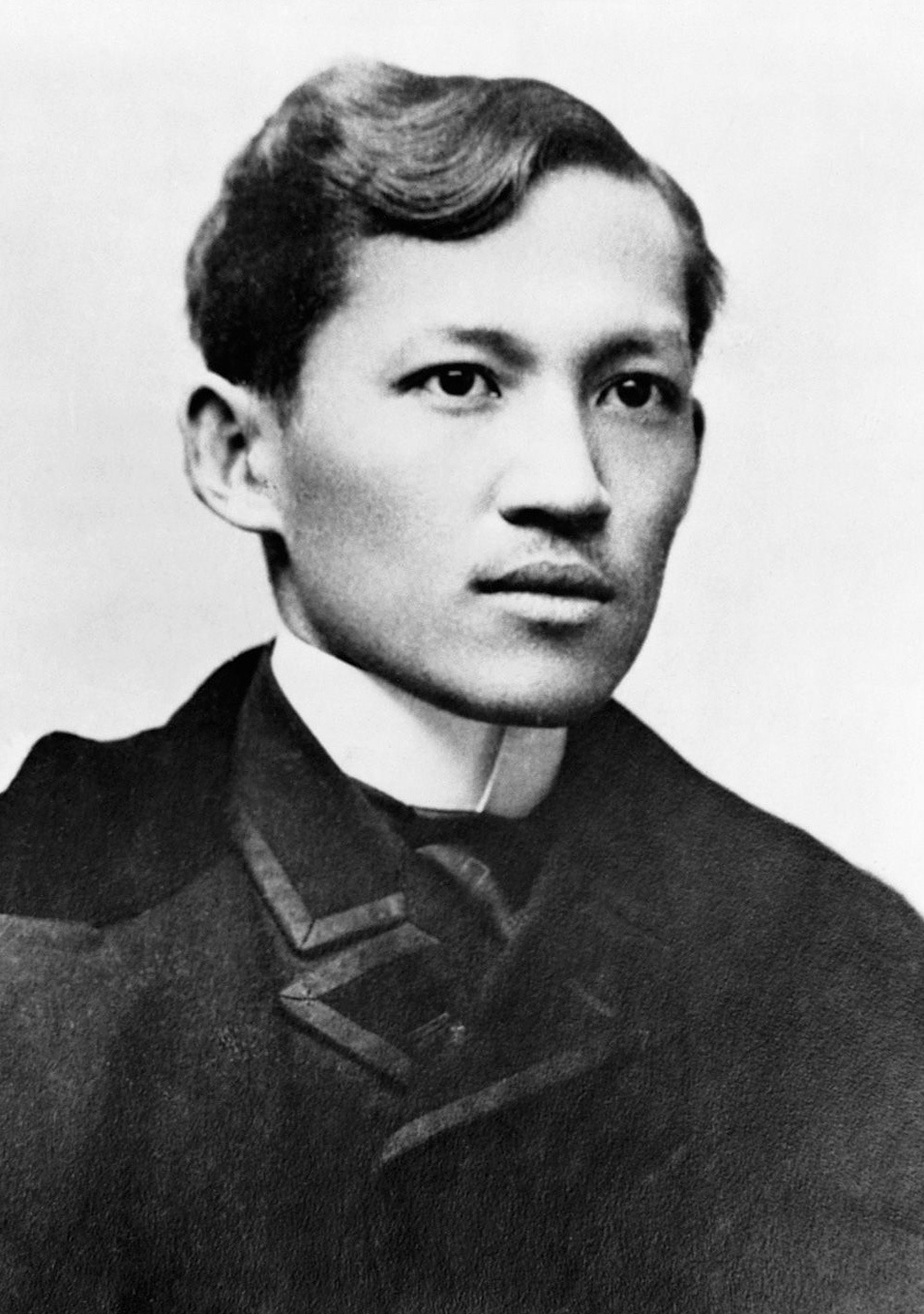
Jose Rizal, a young doctor-writer, is regarded as the father of the Philippines. He criticized the Spanish government in the Philippines in two novels and drummed up nationalist sentiments, but called for peaceful reform under colonial rule. In one of his novels Rizal referred to the Philippines as the "Pearl of the Orient Seas." Rizal was arrested and executed on December 30, 1896 by Spanish officials when he was just 30. He was later recognized by some historians as Asia's first nationalists. His contemporaries include Gandhi and Dr. Sun Yat-sen. Gandhi was reportedly influenced by him.
Rizal was a scholar and scientist, as well as a physician and and writer, and most outstanding member of the Propagandist movement. Born in 1861 into a prosperous Chinese mestizo family in Laguna Province, he displayed great intelligence at an early age. He began learning to read and write at age two and grew up to speak more than 20 languages, including Latin, Greek, German, French, and Chinese. His last words were in Latin: "Consummatum est!" ("It is done!")
Having traveled extensively in Europe, America and Asia, Jose Rizal mastered 22 languages. These include Arabic, Catalan, Chinese, English, French, German, Greek, Hebrew, Italian, Japanese, Latin, Malayan, Portuguese, Russian, Sanskrit, Spanish, Tagalog, and other native dialects. A versatile genius, he was an architect, artists, businessman, cartoonist, educator, economist, ethnologist, scientific farmer, historian, inventor, journalist, linguist, musician, mythologist, nationalist, naturalist, novelist, opthalmic surgeon, poet, propagandist, psychologist, scientist, sculptor, sociologist, and theologian. [Source: Teofilo H. Montemayor, Jose Rizal University ^^]
He was an expert swordsman and a good shot. In the hope of securing political and social reforms for his country and at the same time educate his countrymen, Rizal, the greatest apostle of Filipino nationalism, published, while in Europe, several works with highly nationalistic and revolutionary tendencies. ^^
The sciences, vocational courses including agriculture, surveying, sculpturing, and painting, as well as the art of self defense; he did some researches and collected specimens; he entered into correspondence with renowned men of letters and sciences abroad; and with the help of his pupils, he constructed water dam and a relief map of Mindanao - both considered remarkable engineering feats. His sincerity and friendliness won for him the trust and confidence of even those assigned to guard him; his good manners and warm personality were found irresistible by women of all races with whom he had personal contacts; his intelligence and humility gained for him the respect and admiration of prominent men of other nations; while his undaunted courage and determination to uplift the welfare of his people were feared by his enemies. ^^
RELATED ARTICLES:
JOSE RIZAL — FATHER OF THE MODERN PHILIPPINES — AND HIS LIFE AND EDUCATION factsanddetails.com
JOSE RIZAL’S EXECUTION AND FILIPINO ACTIVISM AND REBELLIONS AGAINST SPAIN factsanddetails.com
DECLINE OF THE SPANISH IN THE PHILIPPINES AND RISE FILIPINO NATIONALISM factsanddetails.com
SPANISH-AMERICAN WAR (1898) AND ITS IMPACT ON THE PHILIPPINES AND THE NORTHERN PACIFIC factsanddetails.com
U.S. TAKES OVER THE PHILIPPINES factsanddetails.com
CHRISTIANIZATION OF THE PHILIPPINES: MISSIONARIES, SUCCESS, FRIAROCRACY factsanddetails.com
PHILIPPINES UNDER SPANISH RULE: LIFE, COLONIZATION, CHINESE factsanddetails.com
TRADE AND PLANTATIONS IN THE PHILIPPINES UNDER THE SPANISH factsanddetails.com
MANILA GALLEONS: SPANISH TRADE BETWEEN THE PHILIPPINES AND MEXICO factsanddetails.com
Jose Rizal’s Many Facets and Interests
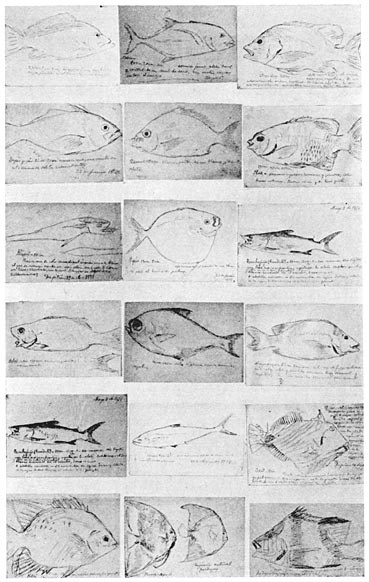
Jose Rizal’s early boyhood precocity turned into versatility in later years. Being curious and inquisitive, he developed a rare facility of mastering varied subjects and occupations. Actor: Rizal acted as a character in one of Juan Luna’s paintings and acted in school dramas. Agriculturist: Rizal had farms in Dapitan, Zamboanga del Norte (1892-1896) where he planted lanzones, coconuts and other fruit-bearing trees. Ambassador Of Good Will: His friendliness, goodwill and cultural associations with friends entitled him as one. Animal Lover: As a small boy, Rizal loved animals including birds, fish, insects, and other specimens of animal life. Fowls, rabbits, dogs, horses, and cats constituted his favorites. As much as possible, he did not wish fowls to be killed even for food, and showed displeasure in being asked to eat the cooked animal. The family garden in Calamba abounded with insects galore and birds native to the Calamba environs. He wrote about and sketched animals of the places he had toured. Anthropologist: He made researches on the physical and social make up of man. Archeologist: Rizal studied monuments and antique currency everywhere he went. He drew most of the monuments he saw.
Ascetic: Rizal always practiced self-discipline wherever he went. Book lover: He had a big library and brought many books abroad. Botanist: Rizal maintained a garden in Dapitan where he planted and experimented on plants of all kinds Businessman: He had a partner in Dapitan in the Abaca business there (1892-1896). Cartographer: He drew maps of Dapitan, The Philippines and other places he visited. Chess Player: He played chess and bear several Germans and European friends and acquaintances. Citizen of the world: His extensive travels and multitude of friends in Europe, Middle East and Asia made him one. Commentator: Rizal always expresses and published his personal opinion. [Source: Jose Rizal University ]
— Conchologist: He had a good shell collection in Dapitan. An American conchologist praised him. Educator: Rizal taught in his special school in Dapitan. Ethnologist: In his travels, Rizal was able to compare different races and he noted the differences. Father of community school: He proposed college in Hong Kong and his special school in Dapitan made him a father of community schools. Fencer: He fenced with Europeans and Juan Luna and other friends in Europe. Freemason abroad: He was member of La Solidaridad Lodge in Spain. Horticulture and farmer: He experimented on and cultivated plants in Dapitan. Historian: His annotation of Antonio de Morga’s Sucesos de las Islas Filipinas entitled him as one. Humorist: There are many humorous incidents in the “Noli Me Tangere” and “El Filibusterismo”. Ichthyologist: He collected 38 new varieties of fish in Dapitan.
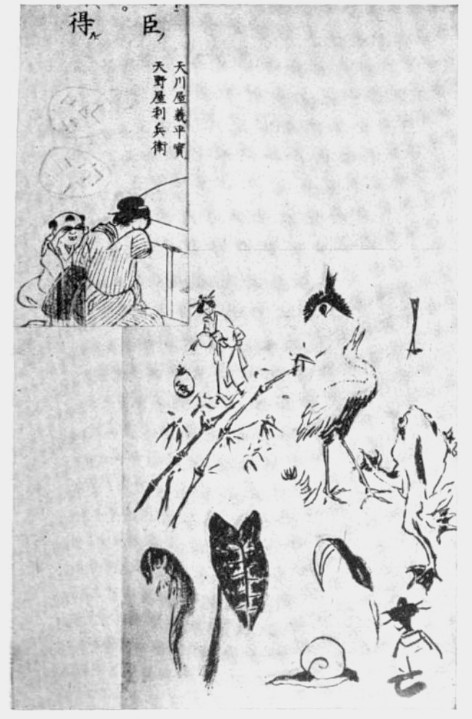
Japanophile: His admiration of Japanese traits and his knowledge of her language proved he was one. Journalist: He authored the published many articles in Spanish and English and London. Laboratory worker: He was employed in the clinic of Dr. L. Wecker in Paris. Linguist: He spoke over 20 foreign languages. Lover of truth: He chided Spanish writers for not writing the truth about the Filipinos. He was always truthful since boyhood. Musicians: He played the flute and composed pieces of music and cultivated music appreciation. Mythologist: Rizal used mythology in his Noli and Fili. Nationalist: He gave full expression of the native spirit strengthened by world civilization and loved and defended everything Filipino. Newspaperman: He wrote and published articles in many publications and was one of the organizers of the La Solidaridad. Ophthalmologist: He graduated in an ophthalmologic college in Spain. Orientalist: Rizal admired the special characteristic and beauties of Oriental countries peoples.
Pharmacologist: Rizal treasured and popularized the usefulness and preparation of cures for treatment of his patients. Philologist: Rizal loved of learning and literature is unequalled. Philosopher: Rizal not only loved wisdom but also regulated his life and enjoyed calmness of the life at all time Physical culturist: Rizal maintained a good health by exercising all parts of his body and eating proper foods Physicians: He treated several patients afflicted not only with eye diseases. Plant lover: As a child, Rizal spend most of his time in the family garden which was planted with fruit trees, Shrubs His diaries contained detailed description and sketches of plants, flowers and fruits he saw in the places he visited. He wrote poems on flower he like very much as his poems To the Flowers of Heidelberg. Poet: Rizal wrote over 35 poems including his famous Ultimo Adios. Politician: Although Rizal did not engage in Politics, he exposed the evils of the political activities of the Spaniards in the Philippines through his writing.
Polyglot: Rizal spoke and wrote in 20 languages. Proofreader: In Germany, He worked as a part-time proofreader of his livelihood. Propagandist: As a reformer, Rizal encourages the recommendation of improving the government entities and discourage abuses publishing articles. Public relation man: He worked for better cooperation of rulers and subjects in his country. Reformer: He published the modern methods of government administration, so changes could be made. Researcher: Being a wide reader, he compared the old and new practices in life. Revolutionist: Rizal encouraged reforms, discouraged old, impractical usage, and desired new and useful laws to benefit his countrymen. He desired changes for the better. Rhetorician: Rizal has always practiced the art of persuasive and impressive speaking and writing. Rural reconstruction worker: He practiced rural reconstruction work in Dapitan in 1894 and succeeded. Sanitary engineer: His construction of a water system in Dapitan exemplified this practice by Rizal. Scientist: Rizal’s practice of many sciences here and abroad made him noted scientist. Sculptor: His works of his father and of Father Guerrico, S. J. typified his sculptural ability.
Sharp shooter: He could hit a target 20 meters away. Sinologist: Rizal’s ancestry and his ability to speak Chinese made him one. Sociologist: In Rizal’s study of Philippines social problems, he always encouraged and introduced solutions. Sodalist: He always joined fraternities, associations and brotherhood, for self-improvement. Sportsman: He engaged from a surveying class at the Ateneo after passing his A. B. there. Tourist: He was considered the foremost tourist due to his extensive travels. Traveler: He traveled around the world three times. Tuberculosis expert: For having cured himself of this disease, he became and was recognized as an expert. Youth leader: He considered the youth as "the hope of his Fatherland." Zoologist: He was fond of pets. He researched later on their physiology, classification and habits.
Jose Rizal, the Writer
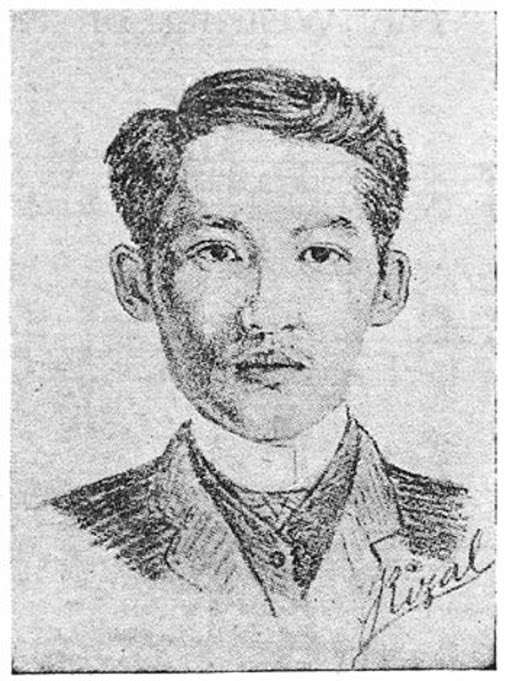
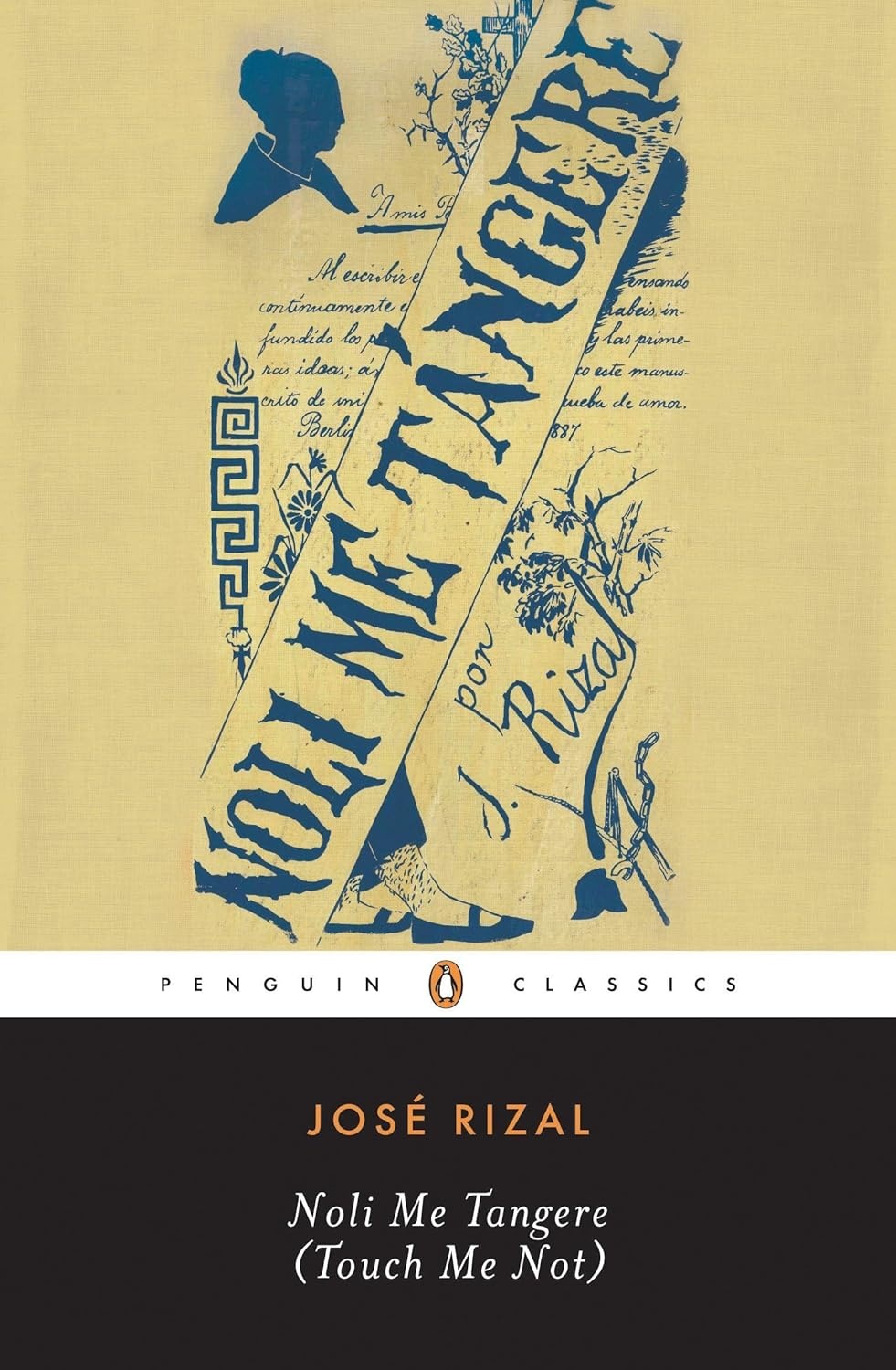
Jose Rizal’s greatest impact on the development of a Filipino national consciousness was his publication of two novels–“Noli Me Tangere” (“Touch Me Not”) in 1886 and “El Filibusterismo” (“The “Reign of Greed”) in 1891. Rizal drew on his personal experiences and depicted the conditions of Spanish rule in the islands, particularly the abuses of the friars. Although the friars had Rizal's books banned, they were smuggled into the Philippines and rapidly gained a wide readership. [Source: Library of Congress]
In March 1887, his daring book,“Noli Me Tangere,” a satirical novel exposing the arrogance and despotism of the Spanish clergy, was published in Berlin; in 1890 he reprinted in Paris, Morga’s Successos De Las Islas Filipinas with his annotations to prove that the Filipinos had a civilization worthy to be proud of even long before the Spaniards set foot on Philippine soil; on September 18, 1891, “El Filibusterismo”, his second novel and a sequel to the “Noli” and more revolutionary and tragic than the latter, was printed in Ghent. [Source: Teofilo H. Montemayor, Jose Rizal University ^^]
Because of his fearless exposures of the injustices committed by the civil and clerical officials, Rizal provoked the animosity of those in power. This led himself, his relatives and countrymen into trouble with the Spanish officials of the country. As a consequence, he and those who had contacts with him, were shadowed; the authorities were not only finding faults but even fabricating charges to pin him down. Thus, he was imprisoned in Fort Santiago from July 6, 1892 to July 15, 1892 on a charge that anti-friar pamphlets were found in the luggage of his sister Lucia who arrive with him from Hong Kong. While a political exile in Dapitan, he engaged in agriculture, fishing and business; he maintained and operated a hospital; he conducted classes- taught his pupils the English and Spanish languages, the arts. ^^
“Noli Me Tangere”
“Noli Me Tangere” is a satirical novel exposing the arrogance and despotism of the Spanish clergy.John Louie Ramos wrote in International Writers And Literature: “In the patriotic novel Noli Me Tangere, Jose Rizal shaped the minds and opened the eyes of his fellow Filipinos to the abuse they suffered at the hands of tyrannical Spanish authorities. He proved that the pen is mightier than the sword. He symbolically painted a portrait quite similar to the conditions of the Philippines during that time. [Source: John Louie Ramos, International Writers And Literature, May 21, 2010 humanities360.com ]
“Rizal introduces the character of Juan Crisostomo Ibarra, the only son of the late Haciendero Don Rafael Ibarra. Ibarra was near perfect, he's handsome, intelligent, rich and famous. Upon his return in the Philippines, a celebration was held. A local newspaper even took note of his arrival. A picture of him at the front page bearing the words, "Imitate him" - it was a nonetheless an arrival fit for a king. Ibarra was full of hopes and desires of a better nation, he was full of new ideas which he learned from his travel in Europe. He felt that with his wealth, power and connections to the illustrious figures of society, he can make a difference.
“Ibarra has a bright future, he has a beautiful girlfriend named Maria Clara, the daughter of Don Santiago. Maria Clara was a symbolic representation of the ideal Filipina woman, full of grace and royalty. Somehow, Maria Clara's beauty was that of a pure and innocent child. Ibarra could have just settled down but he wasn't the type of person that would enjoy while others are suffering. He ultimately planned on building a school. With the advice of the Philosopher Tacio and the help of prominent local figures including Don Custodio, Ibarra's school was completed. However, during the inauguration of the school an assassination plot against Ibarra was revealed. Fortunately, he was saved by a mysterious man named Elias.
“More revelations were unveiled. From the untimely death of his father, to the real identity of Maria Clara.On the other hand, Elias approached Ibarra. Elias happens to be the courier of the rebel soldiers. The rebels want government reforms through a violent revolution. However, Ibarra does not bear the same idealism. Later, an uprising was orchestrated by Father Salvi, a Spanish friar who secretly admired Maria Clara. The plot was to make it appear that Ibarra was the mastermind of the revolt.
“Ibarra was arrested but escaped with the help of Elias. A shooting occurred at the Pasig river with Elias being hit by bullets. The civil guards thought that they have killed Ibarra but the latter survived. With the vast wealth and gems he has, Ibarra swore to take revenge to all those who destroyed his life. He swore to free the country even if that will result into loss of lives. Ibarra went overseas but he vowed to come back to claim what rightfully belongs to him.”
Writing “Noli Me Tangere” and Getting It Published
Spain, to Rizal, was a venue for realizing his dreams. He finished his studies in Madrid and this to him was the realization of the bigger part of his ambition. His vision broadened while he was in Spain to the point of awakening in him an understanding of human nature, sparking in him the realization that his people needed him. It must have been this sentiment that prompted him to pursue, during the re-organizational meeting of the Circulo-Hispano-Filipino, to be one of its activities, the publication of a book to which all the members would contribute papers on the various aspects and conditions of Philippines life. [Source: Jose Rizal University ]
"My proposal on the book," he wrote on January 2, 1884, "was unanimously approved. But afterwards difficulties and objections were raised which seemed to me rather odd, and a number of gentlemen stood up and refused to discuss the matter any further. In view of this I decided not to press it any longer, feeling that it was impossible to count on general support…" "Fortunately," writes one of Rizal’s biographers, the anthology, if we may call it that, was never written. Instead, the next year, Pedro Paterno published his Ninay, a novel sub-titled Costumbres filipinas (Philippines Customs), thus partly fulfilling the original purpose of Rizal’s plan. He himself (Rizal), as we have seen, had ‘put aside his pen’ in deference to the wishes of his parents.
But the idea of writing a novel himself must have grown on him. It would be no poem to forgotten after a year, no essay in a review of scant circulation, no speech that passed in the night, but a long and serious work on which he might labor, exercising his mind and hand, without troubling his mother’s sleep. He would call it “Noli Me Tangere”; the Latin echo of the Spoliarium is not without significance. He seems to have told no one in his family about his grand design; it is not mentioned in his correspondence until the book is well-nigh completed. But the other expatriates knew what he was doing; later, when Pastells was blaming the Noli on the influence of German Protestants, he would call his compatriots to witness that he had written half of the novel in Madrid a fourth part in Paris, and only the remainder in Germany.
"From the first," writes Leon Ma. Guerrero, Rizal was haunted by the fear that his novel would never find its way into print, that it would remain unread. He had little enough money for his own needs, let alone the cost of the Noli’s publication… Characteristically, Rizal would not hear of asking his friends for help. He did not want to compromise them. Viola insisted on lending him the money (P300 for 2,000 copies); Rizal at first demurred… Finally Rizal gave in and the novel went to press. The proofs were delivered daily, and one day the messenger, according to Viola, took it upon himself to warn the author that if he ever returned to the Philippines he would lose his head. Rizal was too enthralled by seeing his work in print to do more than smile.
The printing apparently took considerably less time than the original estimate of five months for Viola did not arrive in Berlin until December and by the 21st March 1887, Rizal was already sending Blumentritt a copy of "my first book." Rizal, himself, describing the nature of the “Noli Me Tangere” to his friend Blumentritt, wrote, "The Novel is the first impartial and bold account of the life of the tagalogs. The Filipinos will find in it the history of the last ten years…"
Criticism of “Noli Me Tangere” and Its Defenders
Criticism and attacks against the Noli and its author came from all quarters. An anonymous letter signed "A Friar" and sent to Rizal, dated February 15, 1888, says in part: "How ungrateful you are… If you, or for that matter all your men, think you have a grievance, then challenge us and we shall pick up the gauntlet, for we are not cowards like you, which is not to say that a hidden hand will not put an end to your life." A special committee of the faculty of the University of Santo Tomas, at the request of the Archbishop Pedro Payo, found and condemned the novel as heretical, impious, and scandalous in its religious aspect, and unpatriotic, subversive of public order and harmful to the Spanish government and its administration of theses islands in its political aspect. [Source: Jose Rizal University ]
On December 28, 1887, Fray Salvador Font, the cura of Tondo and chairman of the Permanent Commission of Censorship composed of laymen and ordered that the circulation of this pernicious book" be absolutely prohibited. Not content, Font caused the circulation of copies of the prohibition, an act which brought an effect contrary to what he desired. Instead of what he expected, the negative publicity awakened more the curiosity of the people who managed to get copies of the book. Assisting Father Font in his aim to discredit the Noli was an Augustinian friar by the name of Jose Rodriguez. In a pamphlet entitled Caiingat Cayo (Beware). Fr. Rodriguez warned the people that in reading the book they "commit mortal sin," considering that it was full of heresy.
As far as Madrid, there was furor over the Noli, as evidenced by an article which bitterly criticized the novel published in a Madrid newspaper in January, 1890, and written by one Vicente Barrantes. In like manner, a member of the Senate in the Spanish Cortes assailed the novel as "anti-Catholic, Protestant, socialistic." It is well to note that not detractors alone visibly reacted to the effects of the Noli. For if there were bitter critics, another group composed of staunch defenders found every reason to justify its publication and circulation to the greatest number of Filipinos. For instance, Marcelo H. Del Pilar, cleverly writing under an assumed name Dolores Manapat, successfully circulated a publication that negated the effect of Father Rodriguez’ Caiingat Cayo, Del Pilar’s piece was entitled Caiigat Cayo (Be Slippery as an Eel). Deceiving similar in format to Rodriguez’ Caiingat Cayo, the people were readily "misled" into getting not a copy o Rodriguez’ piece but Del Pillar’s.
The “Noli Me Tangere” found another staunch defender in the person of a Catholic theologian of the Manila Cathedral, in Father Vicente Garcia. Under the pen-name Justo Desiderio Magalang. Father Garcia wrote a very scholarly defense of the Noli, claiming among other things that Rizal cannot be an ignorant man, being the product of Spanish officials and corrupt friars; he himself who had warned the people of committing mortal sin if they read the novel had therefore committed such sin for he has read the novel.
Consequently, realizing how much the Noli had awakened his countrymen, to the point of defending his novel, Rizal said: "Now I die content. Fittingly, Rizal found it a timely and effective gesture to dedicate his novel to the country of his people whose experiences and sufferings he wrote about, sufferings which he brought to light in an effort to awaken his countrymen to the truths that had long remained unspoken, although not totally unheard of.
El Filibusterismo
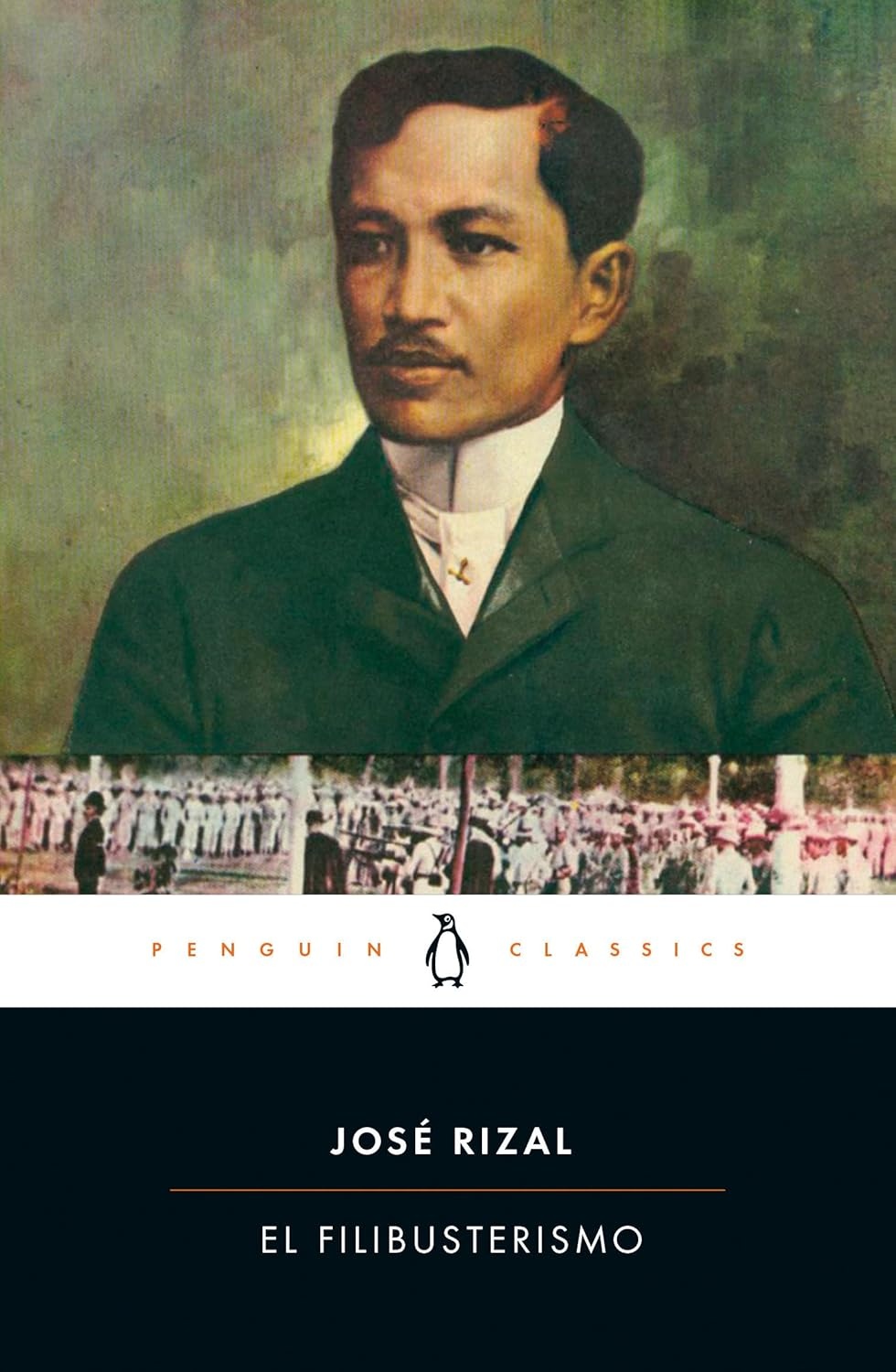
“El Filibusterismo”, Jose Rizal’s second novel and a sequel to the “Noli” is more revolutionary and tragic than “Noli.” John Louie Ramos wrote in International Writers And Literature: “In Noli Me Tangere, Rizal described the full extent of slavery and abuse suffered by the native Indios at the hands of Spanish authorities. Hence in this second book, Rizal pictured a society at the brink of revolution. The Indios have started to adapt liberal ideas and guerrilla factions have started to revolt against the government. The advent of the novel starts 13 years after the events in the Noli Me Tangere, Juan Crisostomo Ibarra orchestrated a plot of evil means but heroic desires. [Source: John Louie Ramos, International Writers And Literature, May 21, 2010 humanities360.com /=/]
“During his travels in Europe, Ibarra changed his name to Simoun. He becomes a renowned jeweler thus his wealth grew further. He started to make new connections with the illustrious societal personalities in Spain. With his influence, he helped a military colonel to rise the ladder and be promoted as captain general of the colonial territory, the Philippines. For Simoun, it was all planned. Upon his return in the Philippines, he was dubbed as his black eminence. People saw him as an influential figure whom his majesty consults whenever decisions are to be made. After all, his majesty, the captain general owed so much to Simoun. /=/
“Simoun wants to take revenge and bring back the love of Maria Clara who now resides at the convent. The jeweler was famed for his wealth and power. Hence, no one thought that the opportunists and fearsome Simoun was the same idealistic Ibarra of the past. Simoun started to look for followers. He found his allies with the oppressed and enslaved. He form an alliance with Kabesang Tales' group, an outlaw whose land was grabbed by the friar's corporation. He then, looks for more men. He searched the villages looking for strong willed men who have a gripe on the government. /=/
Simoun, using the influence he has on the captain general, ordered stricter and more abusive government policies - a move that will make the people angrier. This was the plot of Simoun, to use the people's hatred against the government to his advantage. Simoun also ordered attacks that will backfire and weaken the government's military forces. However, the revolution scheduled at the night of a musical play in Manila didn't come into fruition. Months, later another plan was made. At the grand wedding of Juanita Pelaez, the son of a successful businessman and the beautiful Paulita Gomez, Simoun insisted to take charge in the decorating. /=/
“Simoun knew that the feast would be attended by friars, government officials and prominent figures - the same people who wrecked havoc to his life. Beneath the beautiful decorations and lighting were sacks of gun powder. The whole house was filled with explosives. Simoun formed his own army of the oppressed and enslaved and with the help of government soldiers and outlaws whom he commissioned, they will start a bloody revolution. The mission, to kill all Spanish authorities and to take control of the country. At the wedding, Simoun puts a beautiful lamp at the center of the table carved with gold linings and other kind of gems and jewelries. Simoun left as soon as delivering his gift, the lamp. /=/
“It was a festive celebration but unknown to the guests, the lamp is a time bomb that will explode once lifted. It will result into a huge explosion that will be a signal to Simoun's troops to simultaneously attack Manila. Just before the lamp explodes, a piece of mysterious paper bearing the message "You will die tonight" was being passed. It was signed by Juan Crisostomo Ibarra. Father Salvi confirmed that it was the real signature of Ibarra, a long-forgotten filibuster. The guests at the wedding were all frightened. Slowly, the lamp's light started to diminish and soon one will lift it and will cause a huge explosion. /=/
“However, a Isagani, a student and friend of the newly-weds knew the plot and because of his undying love to Paulita threw the lamp before it explodes. After the wedding, the plot was unraveled and a shoot-to-kill order for Simoun was commissioned. Hence, Simoun, the sly fox that he is, makes sure that he won't get caught alive. He drank a poison and as it effects started to take toll on his body, he was able to confess his plans and real name to a Filipino priests.” /=/
Writing El Filibusterismo and Getting It Printed
To prove his point and refute the accusations of prejudiced Spanish writers against his race, Rizal annotated the book, Sucesos de las Islas Filipinas, written by the Spaniard Antonio Morga. The book was an unbiased presentation of 16th century Filipino culture. Rizal through his annotation showed that Filipinos had developed culture even before the coming of the Spaniards. While annotating Morga’s book, he began writing the sequel to the Noli, the “El Filibusterismo”. He completed the Fili in July 1891 while he was in Brussels, Belgium. As in the printing of the Noli, Rizal could not published the sequel for the lack of finances. Fortunately, Valentin Ventura gave him financial assistance and the Fili came out of the printing press on September 1891. The “El Filibusterismo” indicated Spanish colonial policies and attacked the Filipino collaborators of such system. The novel pictured a society on the brink of a revolution. [Source: Jose Rizal University ]
The word "filibustero" wrote Rizal to his friend, Ferdinand Blumentritt, is very little known in the Philippines. The masses do not know it yet. Jose Alejandro, one of the new Filipinos who had been quite intimate with Rizal, said, "in writing the Noli Rizal signed his own death warrant." Subsequent events, after the fate of the Noli was sealed by the Spanish authorities, prompted Rizal to write the continuation of his first novel. He confessed, however, that regretted very much having killed Elias instead of Ibarra, reasoning that when he published the Noli his health was very much broken, and was very unsure of being able to write the continuation and speak of a revolution.
Explaining to Marcelo H. del Pilar his inability to contribute articles to the La Solidaridad, Rizal said that he was haunted by certain sad presentiments, and that he had been dreaming almost every night of dead relatives and friends a few days before his 29th birthday, that is why he wanted to finish the second part of the Noli at all costs. Consequently, as expected of a determined character, Rizal apparently went in writing, for to his friend, Blumentritt, he wrote on March 29, 1891: "I have finished my book. Ah! I’ve not written it with any idea of vengeance against my enemies, but only for the good of those who suffer and for the rights of Tagalog humanity, although brown and not good-looking."
To a Filipino friend in Hong Kong, Jose Basa, Rizal likewise eagerly announced the completion of his second novel. Having moved to Ghent to have the book published at cheaper cost, Rizal once more wrote his friend, Basa, in Hongkong on July 9, 1891: "I am not sailing at once, because I am now printing the second part of the Noli here, as you may see from the enclosed pages. I prefer to publish it in some other way before leaving Europe, for it seemed to me a pity not to do so. For the past three months I have not received a single centavo, so I have pawned all that I have in order to publish this book. I will continue publishing it as long as I can; and when there is nothing to pawn I will stop and return to be at your side."
Inevitably, Rizal’s next letter to Basa contained the tragic news of the suspension of the printing of the sequel to his first novel due to lack of funds, forcing him to stop and leave the book half-way. "It is a pity," he wrote Basa, "because it seems to me that this second part is more important than the first, and if I do not finish it here, it will never be finished." Fortunately, Rizal was not to remain in despair for long. A compatriot, Valentin Ventura, learned of Rizal’s predicament. He offered him financial assistance. Even then Rizal’s was forced to shorten the novel quite drastically, leaving only thirty-eight chapters compared to the sixty-four chapters of the first novel.
Rizal moved to Ghent, and writes Jose Alejandro. The sequel to Rizal’s Noli came off the press by the middle of September, 1891.On the 18th he sent Basa two copies, and Valentin Ventura the original manuscript and an autographed printed copy. Inspired by what the word filibustero connoted in relation to the circumstances obtaining in his time, and his spirits dampened by the tragic execution of the three martyred priests, Rizal aptly titled the second part of the “Noli Me Tangere”, “El Filibusterismo”. In veneration of the three priests, he dedicated the book to them.
"To the memory of the priests, Don Mariano Gomez (85 years old), Don Jose Burgos (30 years old), and Don Jacinto Zamora (35 years old). Executed in the Bagumbayan Field on the 28th of February, 1872." "The church, by refusing to degrade you, has placed in doubt the crime that has been imputed to you; the Government, by surrounding your trials with mystery and shadows causes the belief that there was some error, committed in fatal moments; and all the Philippines, by worshipping your memory and calling you martyrs, in no sense recognizes your culpability. In so far, therefore, as your complicity in the Cavite Mutiny is not clearly proved, as you may or may not have been patriots, and as you may or may not cherished sentiments for justice and for liberty, I have the right to dedicate my work to you as victims of the evil which I undertake to combat. And while we await expectantly upon Spain some day to restore your good name and cease to be answerable for your death, let these pages serve as a tardy wreath of dried leaves over one who without clear proofs attacks your memory stains his hands in your blood." Rizal’s memory seemed to have failed him, though, for Father Gomez was then 73 not 85, Father Burgos 35 not 30 Father Zamora 37 not 35; and the date of execution 17th not 28th. The FOREWORD of the Fili was addressed to his beloved countrymen, thus: "TO THE FILIPINO PEOPLE AND THEIR GOVERNMENT"
Image Sources: Wikimedia Commons
Text Sources: Library of Congress, Philippines Department of Tourism, Philippines government websites, Encyclopedia.com, New York Times, Washington Post, Los Angeles Times, Wikipedia, “Encyclopedia of World Cultures Volume 5: East/Southeast Asia:” edited by Paul Hockings, 1993, UNESCO, National Commission for Culture and the Arts (NCCA) the official government agency for culture in the Philippines), Lonely Planet Guides, The Guardian, National Geographic, Smithsonian magazine, The New Yorker, Time, The Conversation, BBC, CNN, Reuters, Associated Press, AFP, Google AI, and various websites, books and other publications.
Last updated February 2026