
RISE FILIPINO NATIONALISM IN THE 19TH CENTURY

By the mid-nineteenth century, strong resistance to Spanish rule had developed in the Philippines, particularly in the Tagalog region around Manila. This area produced national heroes such as José Rizal, Andrés Bonifacio, and Emilio Aguinaldo, whose goals were national not just regiona. Rizal said: ‘Instead of aspiring to be a mere province, aspire to be a nation; develop an independent, not a colonial mentality; resignation is not always a virtue, it is a crime when it encourages oppression. There are no tyrants where there are no slaves.’
The long period of Spanish rule was marked by numerous uprisings. In the latter half of the nineteenth century, European-educated Filipinos, or ilustrados, such as Rizal—who had Chinese and Filipino ancestry—began criticizing the excesses of Spanish rule and instilling a new sense of national identity. Inspired by this movement, the final revolt against Spain began in 1896 under the leadership of Emilio Aguinaldo (another Chinese Filipino). The revolt continued until the Americans defeated the Spanish fleet in Manila Bay on May 1, 1898, during the Spanish-American War. On June 12, 1898, Aguinaldo declared independence from Spain.[Source: Countries of the World and Their Leaders Yearbook 2009, Gale, 2008]
In the late nineteenth century, Filipinos began demanding assimilation with Spain, representation in the Spanish Cortes, and freedom of speech. It was the opposition to the power of the clergy that in large measure brought about the rising sentiment for independence.Spanish injustices, bigotry, and economic oppression fueled the movement, which was greatly inspired by José Rizal's brilliant writings. The Propaganda Movement, led by Rizal and Marcelo H. del Pilar, attacked the Spanish friars, who were seen as a symbol of Spanish domination. Rizal's novel Noli Me Tangere (1884) was a scathing critique of Spanish colonialism in the Philippines. The movement helped instill a sense of nationalism.
The revolution began in the province of Cavite in 1896, and after Rizal's execution in December of that year, it spread throughout the major islands. Filipino leader Emilio Aguinaldo achieved considerable success before a peace treaty was established with Spain. However, the peace was short-lived, as neither side honored the agreement. A new revolution was brewing when the Spanish-American War broke out in 1898. [Source: Columbia Encyclopedia, 6th ed., Columbia University Press]
RELATED ARTICLES:
JOSE RIZAL — FATHER OF THE MODERN PHILIPPINES — AND HIS LIFE AND EDUCATION factsanddetails.com
JOSE RIZAL: THE WRITER AND JACK OF ALL TRADES factsanddetails.com
JOSE RIZAL’S EXECUTION AND FILIPINO ACTIVISM AND REBELLIONS AGAINST SPAIN factsanddetails.com
SPANISH-AMERICAN WAR (1898) AND ITS IMPACT ON THE PHILIPPINES AND THE NORTHERN PACIFIC factsanddetails.com
U.S. TAKES OVER THE PHILIPPINES factsanddetails.com
CHRISTIANIZATION OF THE PHILIPPINES: MISSIONARIES, SUCCESS, FRIAROCRACY factsanddetails.com
PHILIPPINES UNDER SPANISH RULE: LIFE, COLONIZATION, CHINESE factsanddetails.com
TRADE AND PLANTATIONS IN THE PHILIPPINES UNDER THE SPANISH factsanddetails.com
MANILA GALLEONS: SPANISH TRADE BETWEEN THE PHILIPPINES AND MEXICO factsanddetails.com
Illustrados and Emergence of a Filipino Idenity
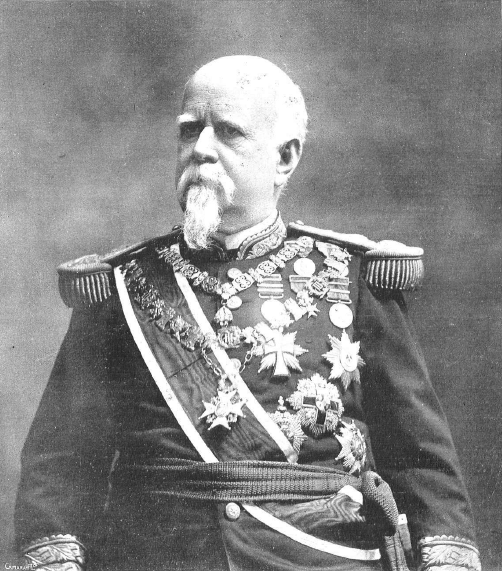
At the beginning of Spanish colonization In the sixteenth century the Philippines was called Las Islas Filipinas. The inhabitants of the Philippines were called "Indios." The term "Filipino" was first applied to Spaniards born in the Philippines (also known as insulares, Creoles and Spanish mestizos) to distinguish them from Spaniards born in Spain (peninsulares). The "luckier" Spaniards born in Spain stressed that they were "Peninsulares." Soon enough, the Spanish and Chinese mestizos were also identified as Filipinos. [Source: “Culture Shock!: Philippines” by Alfredo Roces and Grace Roces, Marshall Cavendish International, 2010; Google AI]
In the late nineteenth century, the meaning of “Filipino” began to change dramatically. Reformists and revolutionaries, most notably José Rizal, redefined the term to include all native inhabitants of the archipelago, regardless of race or regional background. This shift was deliberate and political: it fostered unity among diverse groups and strengthened the growing nationalist movement against Spanish rule.
During the American colonial period (1898–1946), the United States administration officially adopted “Filipino” as the standard term for all inhabitants of the Philippines. The Americans did not continue the Spanish racial classifications such as indio, and the broader usage of “Filipino” became firmly established, solidifying its meaning as a national identity rather than a colonial category.
In the late 19th century, the term Illustrados ("enlightened ones") emerged to the educated, middle-class Filipino intelligentsia They voiced their national identity, played a crucial role in shaping nationalist thought and reform movements, wrote in Spanish, which was understood by other illustrados from different regions of the country and agitated for reforms. They used their erudite training to demonstrate that Filipinos were equal to Westerners and capable of representation in the Spanish Cortes, if not self-government. The illustrados acclaimed the artistic triumphs of two Filipino painters, Luna and Hidalgo, as triumphs of the race. However, the reform movements were viewed as subversive.
By the mid-nineteenth century, a prosperous native class had emerged. Grand colonial houses appeared in major towns, banking institutions were established, large agricultural estates developed, and industries such as sugar production and tobacco manufacturing expanded. The educational system advanced as well, boasting institutions of higher learning and even a scientific observatory. Wealthy families sent their children abroad to pursue professional studies, and upon their return these educated Filipinos became known as the ilustrados. [Source: “Culture Shock!: Philippines” by Alfredo Roces and Grace Roces, Marshall Cavendish International, 2010]
Frailocracy and Conflict Between Nationalists and the Clergy
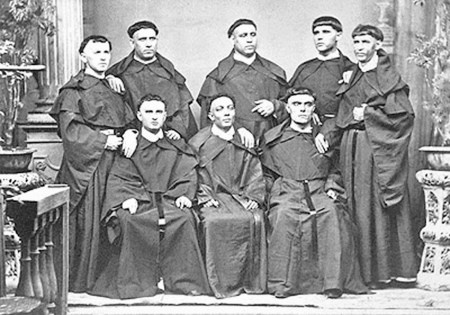
Illustrados attributed the evils of colonisation in the Philippines to a ‘frailocracy’. Frailocracy refers to a system of government in the Spanish Philippines where Catholic friars (religious priests) held immense, often invisible, political and social control, frequently overshadowing civil authorities. During the colonial period, Spanish missionary zeal pushed friars into remote regions of the archipelago, where they established parishes and built churches among local communities. In contrast, many Spanish civil officials preferred the relative comfort of Intramuros, enriching themselves through the lucrative galleon trade. Over time, the clergy became the dominant authority in provincial towns and an influential political force in Manila. For members of the principalia, the Filipino elite, the priesthood represented the highest attainable position of prestige and influence, since senior political offices were largely closed to them under Spanish rule. [Source: “Culture Shock!: Philippines” by Alfredo Roces and Grace Roces, Marshall Cavendish International, 2010]
Although some friars were successful in converting large numbers of people, they also set a poor example, and Filipinos today think of friars as people who enjoy the good life. A long, lazy, easy chair is known as a silya de fraile, or "friar's chair." The loose morals of some Spanish friars were responsible for fathering the mestizo class in many parishes. Imelda Marcos herself has traced her ancestry directly to a Spanish priest.
The emergence of a Filipino secular clergy eventually created tension with the Spanish friars. As more native-born Filipinos became not only Christians but ordained priests, they began to challenge the exclusive control of Spanish religious orders over parishes and ecclesiastical authority. Spanish friars strongly resisted efforts to transfer parish control to Filipino priests, refusing to share their status, authority, and privileges. With ecclesiastical advancement blocked, many members of the Filipino elite redirected their ambitions toward secular professions and economic enterprise.
The struggle over the “Filipinization” of the clergy marked one of the earliest organized conflicts between colonizers and colonized. The frustrated movement for the Filipinization of the church during the "Gomburza" era created a strong schism within Philippine Catholicism. One major splinter group is the Philippine Independent Church, led by Gregorio Aglipay. He was a Catholic priest who split with Rome to found a Filipino Catholic church. Many Christian towns have two churches: one Catholic and one Aglipayan. Filipinization conflicts still surface occasionally in various Catholic institutions dominated by Western clergy.
José Rizal and his family were victims of land conflicts with the clergy in Calamba. Rizal attacked the abuses of Spanish friars in the Philippines. Another Filipino propagandist, Marcelo del Pilar, was also known for his biting pen and directed satirical attacks on what he called the “monastic supremacy in the Philippines.”
Crumbling of the Spanish Empire in the Philippines
By the 18th century, Spain's was losing its power and influence in Asia. Traditional trade routes were shared with colonial rivals. A war with England depleted its treasury. It had few friends. Slow communications made maintaining the empire so far away difficult. Messages to Madrid from Naples and Brussels took two weeks to arrive. Messages from the Philippines took six months or more (and another six months to return the message).
Spanish decline of the Philippines began in the 1700s when the power of Spain was eclipsed in Europe by the England, France and the Netherlands. Foreign competition in the late 1700s disrupted the trans-Pacific trade routes and independence of Mexico and other Latin countries in the early 1800s brought an end to Spain's trans-Pacific monopoly.
Mestizos (people of mixed Malay, Chinese and Spanish ancestry) began to move into positions of influence and take the place of the Spanish. The opening of trade created a wealthy class that was educated in Europe, where they were exposed to the same kind of liberal ideas and philosophies that fostered the independence movements in the U.S., France and Latin America.
Still the Philippines remained important. After the Spanish colonies in Latin America became independent in the early 1800s, the Philippines was Spain’s most important colony. In the 19th century, Spain, in many ways ruled the Philippines more harshly than ever, and worked hard hold on to it.
British Capture Manila and Its Impact on the Philippines
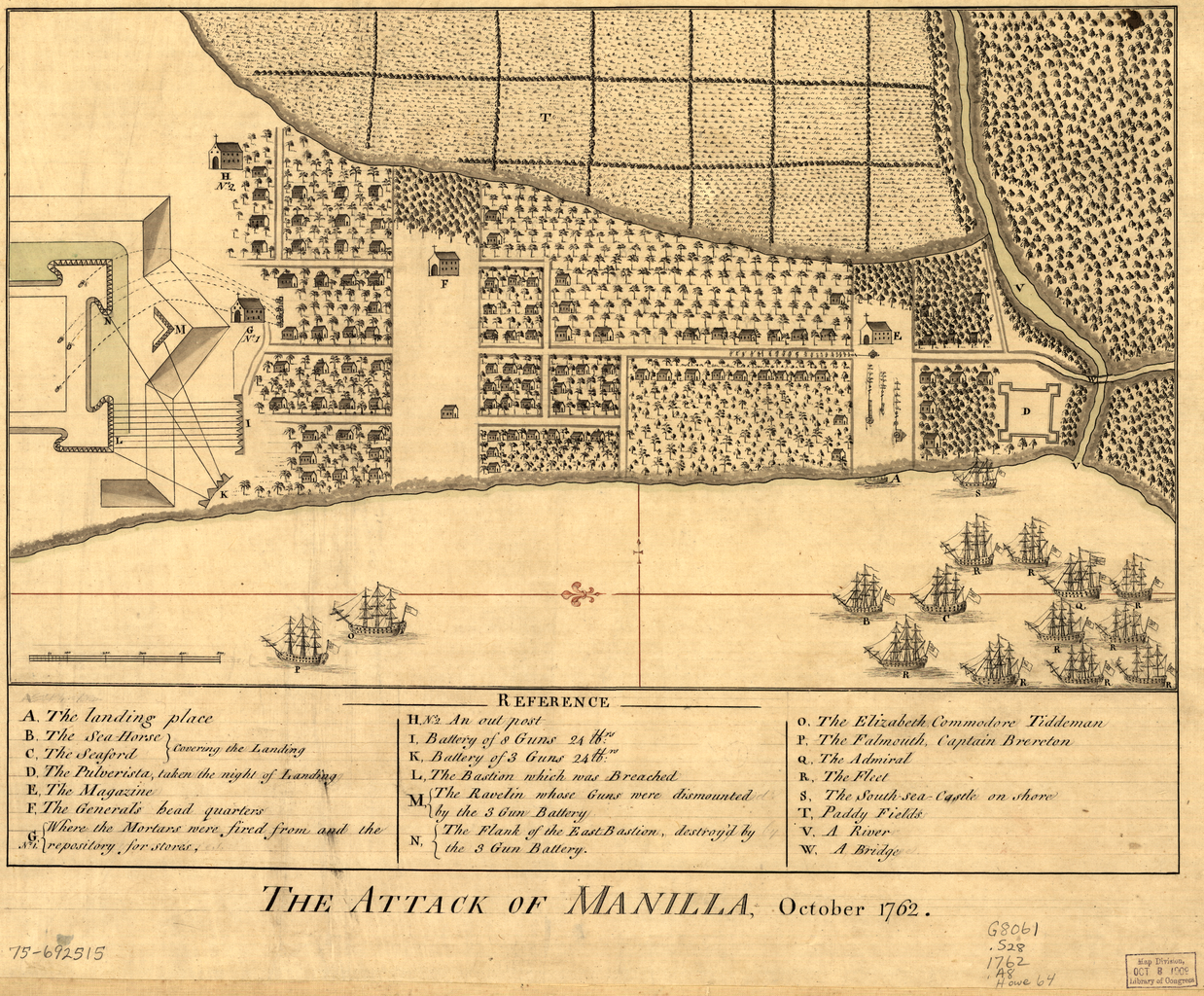
In 1762 Spain became involved in the Seven Years' War (1756-63) on the side of France against Britain; in October 1762, forces of the British East India Company captured Manila after fierce fighting. According to Lonely Planet the arrival of the British “sparked the same sort of antipathy a busload of hooligans sparks today, and less than two years later the British were chased out of Manila Bay by a homegrown resistance.” The Spanish resistance was led by Lieutenant Governor Simón de Anda, based at Bacolor in Pampanga Province. Manila was returned to the Spanish in May 1764 in conformity with the Treaty of Paris, which formally ended the war.
The British occupation marked the beginning of the end of the old order and helped spark a united, nationalist spirit. Rebellions broke out in the north, and while the Spanish were busy fighting the British, Moros raided from the south. The Chinese community, resentful of Spanish discrimination, supported the British with laborers and armed men. Anticolonial sentiment intensified as friars and other Spanish colonisers increasingly used brutal methods to try to retain control. By 1894 there were incidents of open rebellion.
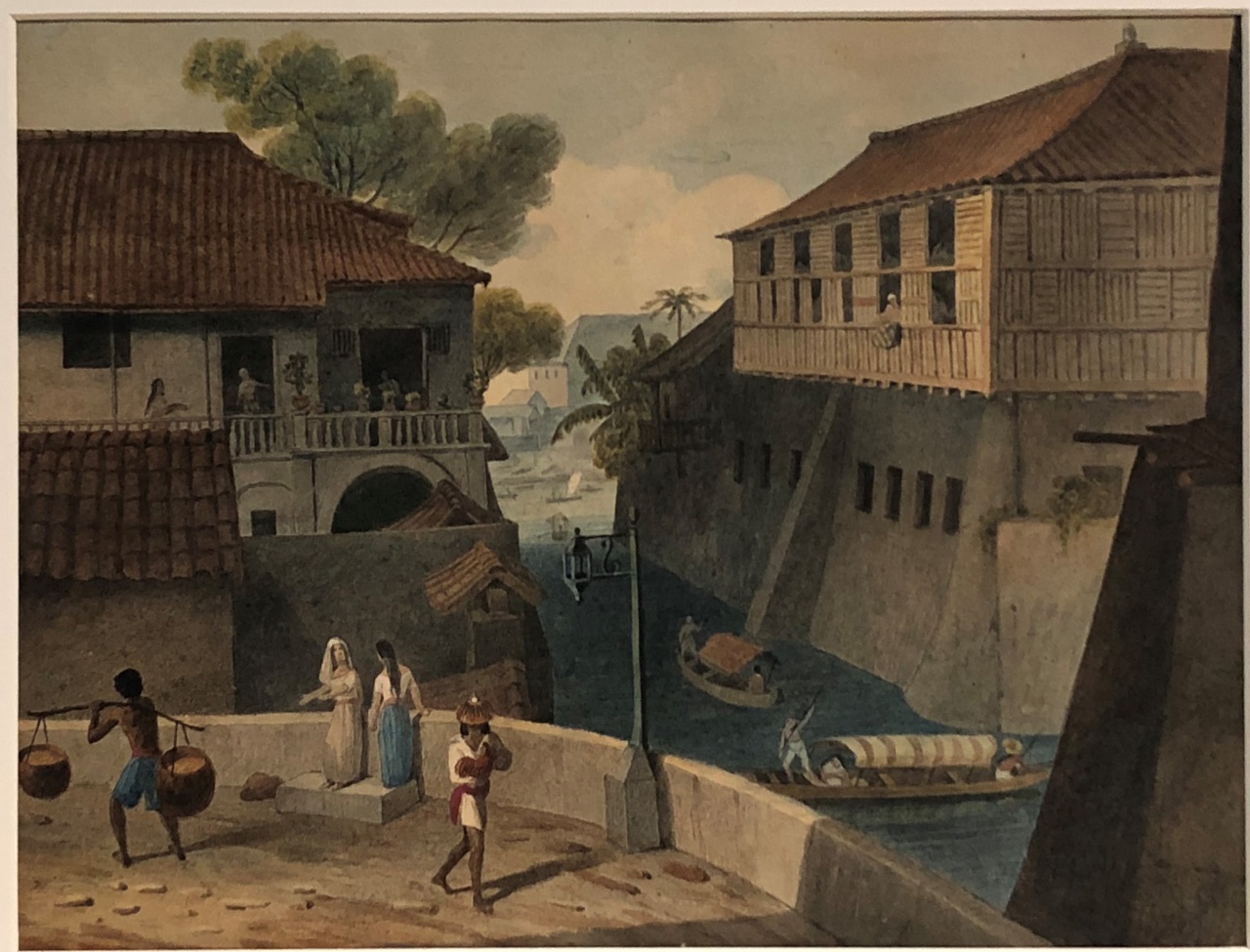
Spanish prestige suffered irreparable damage because of the defeat at British hands. A number of rebellions broke out, of which the most notable was that of Diego Silang in the Ilocos area of northern Luzon. In December 1762, Silang expelled the Spanish from the coastal city of Vigan and set up an independent government. He established friendly relations with the British and was able to repulse Spanish attacks on Vigan, but he was assassinated in May 1763. The Spanish, tied down by fighting with the British and the rebels, were unable to control the raids of the Moros of the south on the Christian communities of the Visayan Islands and Luzon. Thousands of Christian Filipinos were captured as slaves, and Moro raids continued to be a serious problem through the remainder of the century. The Chinese community, resentful of Spanish discrimination, for the most part enthusiastically supported the British, providing them with laborers and armed men who fought de Anda in Pampanga. [Source: Library of Congress]
Late-18th-and-Early-19th- Century Changes and Reforms in Colonial Philippines
After Spanish rule was restored after the British takeover, José Basco y Vargas one of the ablest of Spanish administrators, was the governor from 1778 to 1787, and he implemented a series of reforms designed to promote the economic development of the islands and make them independent of the subsidy from New Spain. In 1781 he established the Economic Society of Friends of the Country, which, throughout its checkered history extending over the next century, encouraged the growth of new crops for export — such as indigo, tea, silk, opium poppies, and abaca (hemp) — and the development of local industry. A government tobacco monopoly was established in 1782. The monopoly brought in large profits for the government and made the Philippines a leader in world tobacco production. [Source: Library of Congress *]
The venerable galleon trade between the Philippines and Mexico continued as a government monopoly until 1815, when the last official galleon from Acapulco docked at Manila. The Royal Company of the Philippines, chartered by the Spanish king in 1785, promoted direct trade from that year on between the islands and Spain. All Philippine goods were given tariff-free status, and the company, together with Basco's Economic Society, encouraged the growth of a cash-crop economy by investing a portion of its early profits in the cultivation of sugar, indigo, peppers, and mulberry trees for silk, as well as in textile factories. *
Cash crops were cultivated for trade with Europe and Latin America, but profits diminished after Spain’s Latin American colonies became independent in the 1810s and 1820s. In 1834 the Royal Company of the Philippines was abolished, and free trade was formally recognized. With its excellent harbor, Manila became an open port for Asian, European, and North American traders. In 1873 additional ports were opened to foreign commerce, and by the late nineteenth century three crops—tobacco, abaca, and sugar—dominated Philippine exports. *
Brother Apolinario and the the 1839-41 Cofradía de San José Revolt
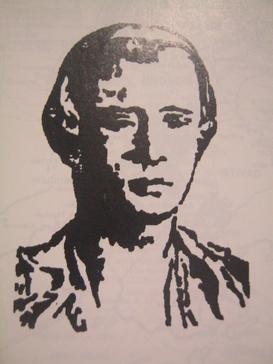
Apolinario de la Cruz (Hermano Pulea)
Apolinario de la Cruz, better known as Hermano Pulea, was Tagalog who led the 1839-41 Cofradía de San José revolt, which embodied the religious aspirations and disappointments of the Filipinos. A pious individual who sought to enter a religious order, he made repeated applications that were turned down by the racially conscious friars, and he was left with no alternative but to become a humble lay brother performing menial tasks at a charitable institution in Manila. While serving in that capacity, he started the cofradía (confraternity or brotherhood), a society to promote Roman Catholic devotion among Filipinos. From 1839 to 1840, Brother Apolinario sent representatives to his native Tayabas, south of Laguna de Bay, to recruit members, and the movement rapidly spread as cells were established throughout the southern Tagalog area. Originally, it was apparently neither anti-Spanish nor nativist in religious orientation, although native elements were prevalent among its provincial followers. Yet its emphasis on secrecy, the strong bond of loyalty its members felt for Brother Apolinario, and, above all, the fact that it barred Spanish and mestizos from membership aroused the suspicions of the authorities. The cofradía was banned by the authorities in 1840. [Source: Library of Congress *]
In the autumn of 1841 Brother Apolinario left Manila and gathered his followers, then numbering several thousands armed with rifles and bolos (heavy, single-bladed knives), at bases in the villages around the town of Tayabas; as a spiritual leader, he preached that God would deliver the Tagalog people from slavery. Although the rebel force, aided by Negrito hill tribesmen, was able to defeat a detachment led by the provincial governor in late October, a much larger Spanish force composed of soldiers from Pampanga Province — the elite of the Philippine military establishment and traditional enemies of the Tagalogs — took the cofradía camp at Alitao after a great slaughter on November 1, 1841. *
The insurrection effectively ended with the betrayal and capture of Brother Apolinario. He was executed on November 5, 1841. Survivors of the movement became remontados (those who go back into the mountains), leaving their villages to live on the slopes of the volcanic Mount San Cristobal and Mount Banahao, within sight of Alitao. These mountains, where no friar ventured, became folk religious centers, places of pilgrimage for lowland peasants, and the birthplace of religious communities known as colorums. *
Father Burgos and the Early Filipino Resistance Against the Spanish
The seeds of the Philippine independence movement was sewn in the 1860s, when a local priest—Father Burgos— began protesting against inequality in the clergy. Father Burgos is one of the Philippines’s greatest heroes. Accused of leading a mutiny, he was executed by the Spanish in 1872 after a show trial, a move that outraged many Filipinos, triggering a sense of national that evolved into an armed struggle by the end of the century.
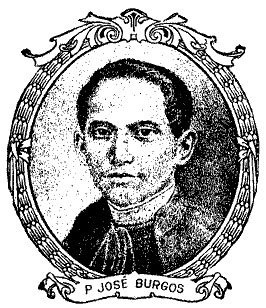
José Apolonio Burgos
Following the Spanish revolution of September 1868, in which the unpopular Queen Isabella II was deposed, the new government appointed General Carlos María de la Torre governor of the Philippines. An outspoken liberal, de la Torre extended to Filipinos the promise of reform. In a break with established practice, he fraternized with Filipinos, invited them to the governor's palace, and rode with them in official processions. Filipinos in turn welcomed de la Torre warmly, held a "liberty parade" to celebrate the adoption of the liberal 1869 Spanish constitution, and established a reform committee to lay the foundations of a new order. Prominent among de la Torre's supporters in Manila were professional and business leaders of the ilustrado community and, perhaps more significantly, Filipino secular priests. [Source: Library of Congress *]
These included the learned Father José Burgos, a Spanish mestizo, who had published a pamphlet, Manifesto to the Noble Spanish Nation, criticizing those racially prejudiced Spanish who barred Filipinos from the priesthood and government service. For a brief time, the tide seemed to be turning against the friars. In December 1870, the archbishop of Manila, Gregorio Melitón Martínez, wrote to the Spanish regent advocating secularization and warning that discrimination against Filipino priests would encourage anti-Spanish sentiments. *
According to historian Austin Coates, "1869 and 1870 stand distinct and apart from the whole of the rest of the period as a time when for a brief moment a real breath of the nineteenth century penetrated the Islands, which till then had been living largely in the seventeenth century." De la Torre abolished censorship of newspapers and legalized the holding of public demonstrations, free speech, and assembly — rights guaranteed in the 1869 Spanish constitution. Students at the University of Santo Tomás formed an association, the Liberal Young Students (Juventud Escolar Liberal), and in October 1869 held demonstrations protesting the abuses of the university's Dominican friar administrators and teachers. *
Rise of Filipino National Consciousness and Aggression Towards Spanish Rule
Religious movements such as the cofradía and colorums expressed an inchoate desire of their members to be rid of the Spanish and discover a promised land that would reflect memories of a world that existed before the coming of the colonists. Nationalism in the modern sense developed in an urban context, in Manila and the major towns and, perhaps more significantly, in Spain and other parts of Europe where Filipino students and exiles were exposed to modern intellectual currents. Folk religion, for all its power, did not form the basis of the national ideology. Yet the millenarian tradition of rural revolt would merge with the Europeanized nationalism of the ilustrados to spur a truly national resistance, first against Spain in 1896 and then against the Americans in 1899. [Source: Library of Congress *]
Also in the late nineteenth century, Chinese immigration, now with official approval, increased, and Chinese mestizos became a feature in Filipino social and economic life. So, too, did the growing Filipino native elite class of “ilustrados”(literally, enlightened ones), who became increasingly receptive to liberal and democratic ideas. Conservative Catholic friars continued to dominate the Spanish establishment, however. They resisted the inclusion of native clergy and were economically secure, with their large land holdings and control of churches, schools, and other establishments. Despite the bias against native priests, brothers, and nuns, some members of Filipino religious orders became prominent to the point of leading local religious movements and even insurrections against the establishment. Additionally, “ilustrados” returning from education and exile abroad brought new ideas that merged with folk religion to spur a national resistance.
The liberal period came to an abrupt end in 1871. Friars and other conservative Spaniards in Manila managed to engineer the replacement of de la Torre by a more conservative figure, Rafael de Izquierdo, who, following his installation as governor in April 1871, reimposed the severities of the old regime. He is alleged to have boasted that he came to the islands "with a crucifix in one hand and a sword in the other." Liberal laws were rescinded, and the enthusiastic Filipino supporters of de la Torre came under political suspicion. *
The heaviest blow came after a mutiny on January 20, 1872, when about 200 Filipino dockworkers and soldiers in Cavite Province revolted and killed their Spanish officers, apparently in the mistaken belief that a general uprising was in progress among Filipino regiments in Manila. Grievances connected with the government's revocation of old privileges — particularly exemption from tribute service — inspired the revolt, which was put down by January 22. The authorities, however, began weaving a tale of conspiracy between the mutineers and prominent members of the Filipino community, particularly diocesan priests. The governor asserted that a secret junta, with connections to liberal parties in Spain, existed in Manila and was ready to overthrow Spanish rule. *
Between 1872 and 1892, a national consciousness was growing among the Filipino émigrés who had settled in Europe. In the freer atmosphere of Europe, these émigrés — liberals exiled in 1872 d students attending European universities — formed the Propaganda Movement. Organized for literary and cultural purposes more than for political ends, the Propagandists, who included upper-class Filipinos from all the lowland Christian areas, strove to "awaken the sleeping intellect of the Spaniard to the needs of our country" and to create a closer, more equal association of the islands and the motherland. Among their specific goals were representation of the Philippines in the Cortes, or Spanish parliament; secularization of the clergy; legalization of Spanish and Filipino equality; creation of a public school system independent of the friars; abolition of the polo (labor service) and vandala (forced sale of local products to the government); guarantee of basic freedoms of speech and association; and equal opportunity for Filipinos and Spanish to enter government service. The most outstanding Propagandist was José Rizal,*
Execution of Three Filipino Priests
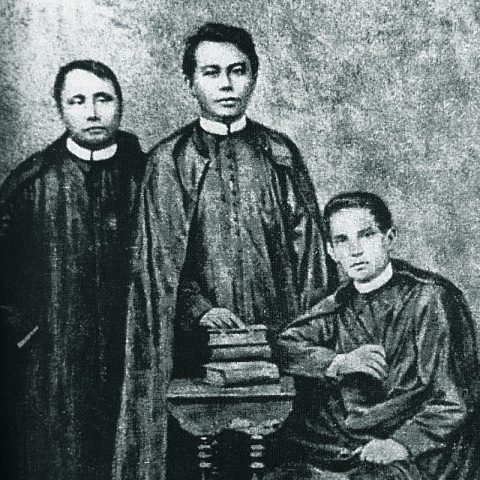
In the 1870s, a military court sentenced to death three Filipino priests most closely associated with liberal reformism— José Burgos, Mariano Gomez, and Jacinto Zamora—and exiled a number of prominent ilustrados to Guam and the Marianas (then Spanish possessions), from which they escaped to carry on the struggle from Hong Kong, Singapore, and Europe. Archbishop Martínez requested that the governor commute the priests' death sentences and refused the governor's order that they be defrocked. [Source: Library of Congress *]
Martínez's efforts were in vain, however, and on February 17, 1872, they were publicly executed with the brutal garrote on the Luneta (the broad park facing Manila Bay, also known as Bagumbayan, now Rizal Park). The archbishop ordered that Manila church bells toll a requiem for the victims, a requiem that turned out to be for Spanish rule in the islands as well. Although a policy of accommodation would have won the loyalty of peasant and ilustrado alike, intransigence — particularly on the question of the secularization of the clergy — led increasing numbers of Filipinos to question the need for a continuing association with Spain.
Gómez, José and Zamora were falsely accused of involvement in the 1872 Cavite mutiny. Their deaths, remembered collectively as Gomburza, became a turning point in Philippine history. Among those deeply affected was the young José Rizal, then only eleven years old. His older brother Paciano had been a student of one of the priests. Rizal later dedicated his second novel to the three martyrs, honoring them as victims of injustice and symbols of a broader struggle for liberty. [Source: “Culture Shock!: Philippines” by Alfredo Roces and Grace Roces, Marshall Cavendish International, 2010]
Beginning of Filipino Rebellion Against the Spanish
A rebel movement against the Spanish began when three Filipino priests, including Burgos, were executed for nationalist activities. The roots of this movement begin in the reformist Propaganda Movement, which later paved the way for the Philippine Revolution. Reformist and rebels fought for 25 years but were unsuccessful in their efforts to oust the Spanish.
One of the early nationalist leaders was José Rizal, a physician, scientist, scholar, and writer. His writings as a memer of the Propaganda Movement (intellectually active, upper-class Filipino reformers) had a considerable impact on the awakening of the Filipino national consciousness. His books were banned, and he lived in self-imposed exile. Rizal returned from overseas in 1892 to found the Liga Filipina (Philippine League), a national, nonviolent political organization, but he was arrested and exiled and the league dissolved. One result was the split of the nationalist movement between the reform-minded “ilustrados” and a more revolutionary and independence-minded plebeian constituency. [Source: Library of Congress *]
Many of the latter joined the Katipunan, a secret society founded by Andres Bonifacio in 1892 and committed to winning national independence. By 1896, the year the Katipunan rose in revolt against Spain, it had 30,000 members. Although Rizal, who had again returned to the Philippines, was not a member of the Katipunan, he was arrested and executed on December 30, 1896, for his alleged role in the rebellion. With Rizal’s martyrdom, the rebels, led by Emilio Aguinaldo as president, were filled with new determination. Spanish troops defeated the insurgents, however, and Aguinaldo and his government went into exile in Hong Kong in December 1897.
Image Sources: Wikimedia Commons
Text Sources: Library of Congress, Philippines Department of Tourism, Philippines government websites, Encyclopedia.com, New York Times, Washington Post, Los Angeles Times, Wikipedia, “Encyclopedia of World Cultures Volume 5: East/Southeast Asia:” edited by Paul Hockings, 1993, UNESCO, National Commission for Culture and the Arts (NCCA) the official government agency for culture in the Philippines), Lonely Planet Guides, The Guardian, National Geographic, Smithsonian magazine, The New Yorker, Time, The Conversation, BBC, CNN, Reuters, Associated Press, AFP, Google AI, and various websites, books and other publications.
Last updated February 2026