
ART IN THE PHILIPPINES
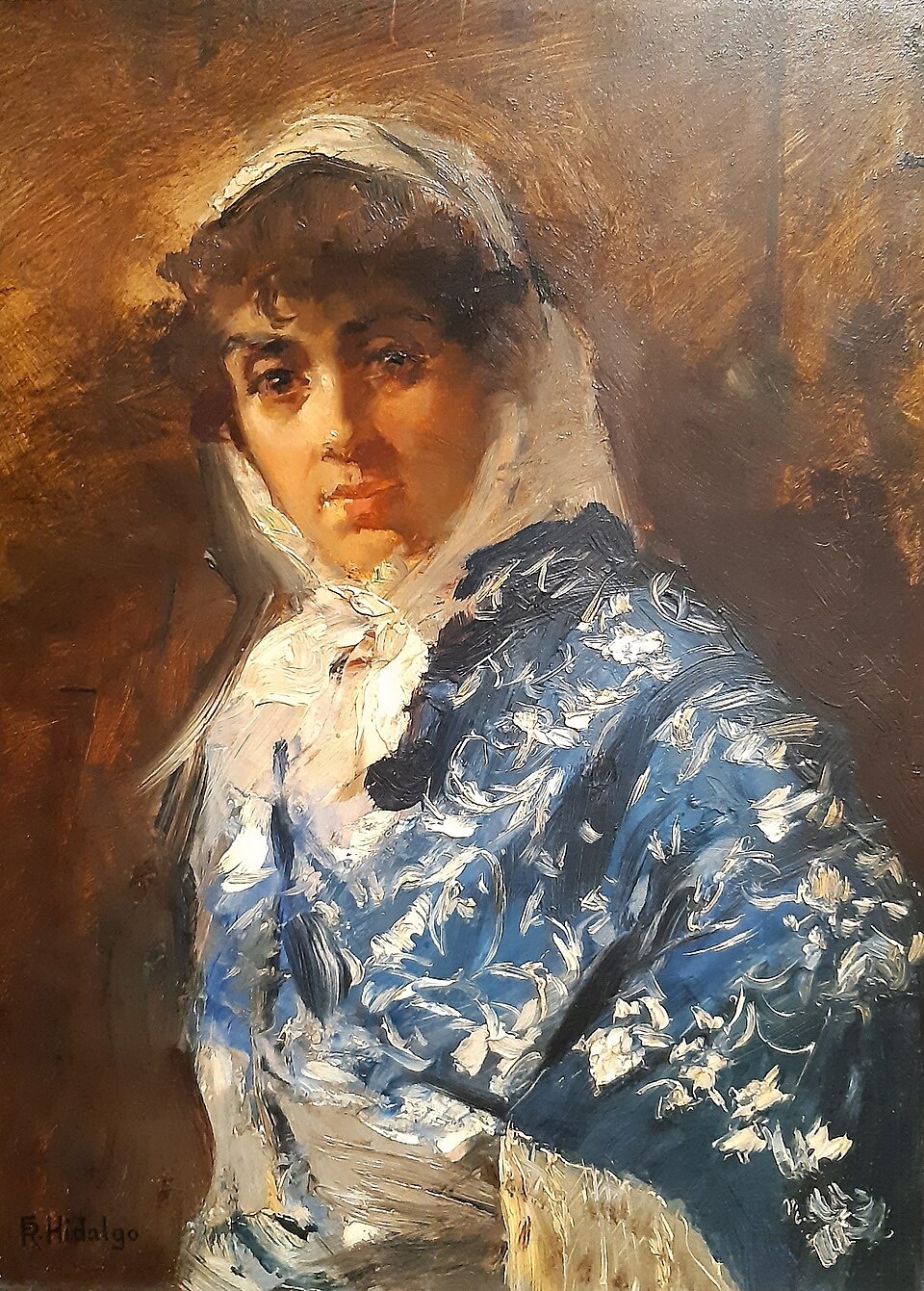
Established in 1821, the Filipino Academy of Art showcases early art reflecting Spanish and religious themes. At the end of the nineteenth century, Juan Luna and Félix Resurrección Hidalgo became the first Filipino artists to gain recognition in Europe. Contemporary artists use a variety of techniques and mediums to depict social and political life. The Bonifacio Monument in Monumento, Caloocan City was designed by a noted Filipino sculptor Guillermo Tolentino. [Source: Sally E. Baringer, Countries and Their Cultures, Gale Group Inc., 2001]
Crafts reflect the national culture. Different regions of the country have their own specialties, ranging from batik cotton prints in Muslim areas to wood carvings in the mountain provinces of Luzon. Baskets and mats are made from rattan. Textiles are woven by hand in cooperatives, storefronts, and homes. These textiles are made from banana and pineapple fiber cloth, cotton, and wool. Furniture and decorative items are carved. Silver and shell crafts are also created.
Kenneth Cobonpue is an award-winning Filipino industrial designer based in Cebu. Jun Ventura wrote: He sees forms and patterns around us and creates unique furniture pieces that have made him win prestigious design awards in Singapore and Hong Kong. Hollywood also took notice, commissioning him to design the furniture in the movie set of Ocean’s 13. Our designers are considered the best in Southeast Asia — neighboring countries try to pirate them. But Kenneth points out, “the complexity of many of my designs ensures that these can only be made in the Philippines.” His workshop is where our inherent creativity meets our world-class craftsmanship.
RELATED ARTICLES:
ARCHITECTURE OF THE PHILIPPINES: CHURCHES, MANSIONS, GIANT CHICKEN-SHAPED HOTEL factsanddetails.com
PHILIPPINES CULTURE: HISTORY, MERGING TRADITIONS, THREATS factsanddetails.com
CATHOLIC, ASIAN, SPANISH AND AMERICAN INFLUENCES ON FILIPINO IDENTITY AND CULTURE factsanddetails.com
Spanish Influence on Philippines Art
Before Spanish rule, much of Philippine art was temporary—wood carvings and offerings made of flowers and leaves were left exposed to nature. The Spanish introduced more durable materials such as stone for churches and sculptures, along with oil painting and written literature. They also brought the concept of large-scale art, seen in grand stone churches, oversized religious statues, and expansive murals, which contrasted with the generally smaller forms of precolonial artistic expression. [Source: “Culture Shock!: Philippines” by Alfredo Roces and Grace Roces, Marshall Cavendish International, 2010]
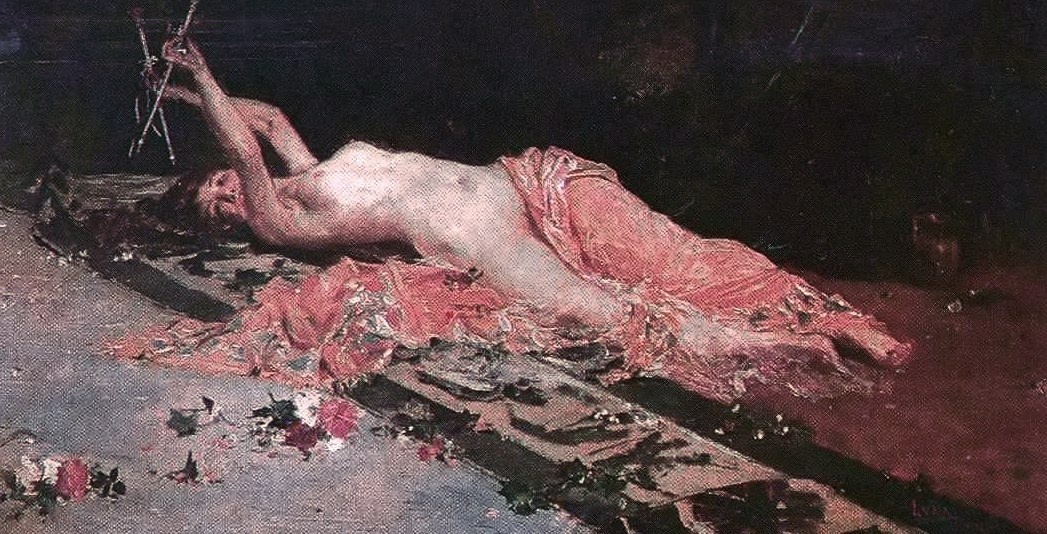
The integration of Western Renaissance ideas of “fine arts” broadened Filipino artistic traditions. Previously, art was often created by anonymous villagers skilled in crafts like pottery, weaving, basketry, or carving. Over time, however, individual artists began to gain recognition and sign their works, marking a shift toward personal authorship.
Despite these strong influences, Filipinos did not simply replicate Spanish culture. Instead, they selectively adapted elements that suited their way of life. Music, clothing, dance, cuisine, rituals, governance, and political ideas were all reshaped to fit local contexts. Even borrowed Spanish words often took on new meanings in Philippine languages. For example, seguro means “certain” in Spanish but can imply “uncertain” in Filipino, while segurado conveys certainty. Similarly, pilósofo (philosopher) in Spanish evolved in Filipino usage to describe a “wise guy” or someone who argues cleverly rather than a true thinker.
Famous Filipinos Painters
Among the most acclaimed painters in the Philippines are Juan Luna y Novicio (1857–99) and Félix Resurrección Hidalgo y Padilla (1853–1913). Works by world-class Filipino masters Juan Luna, Félix Resurrección Hidalgo, and Félix Resurrección Hidalgo, as well as National Artists Fernando Amorsolo, Carlos Francisco, Victor Edades, and Vicente Manansala, can be viewed at the Philippine National Museum, the Metropolitan Museum of Manila, the Ayala Museum, and in galleries and university museums around Metro Manila. [Source: Philippines Department of Tourism]
Juan Luna won a gold medal at the Exposición de Madrid in 1884 for his monumental painting Spoliarium, marking a milestone that placed Filipino artistry on the global stage. A contemporary of José Rizal and other reformists, his works remain among the highlights of the National Museum. [Source: “Culture Shock!: Philippines” by Alfredo Roces and Grace Roces, Marshall Cavendish International, 2010]
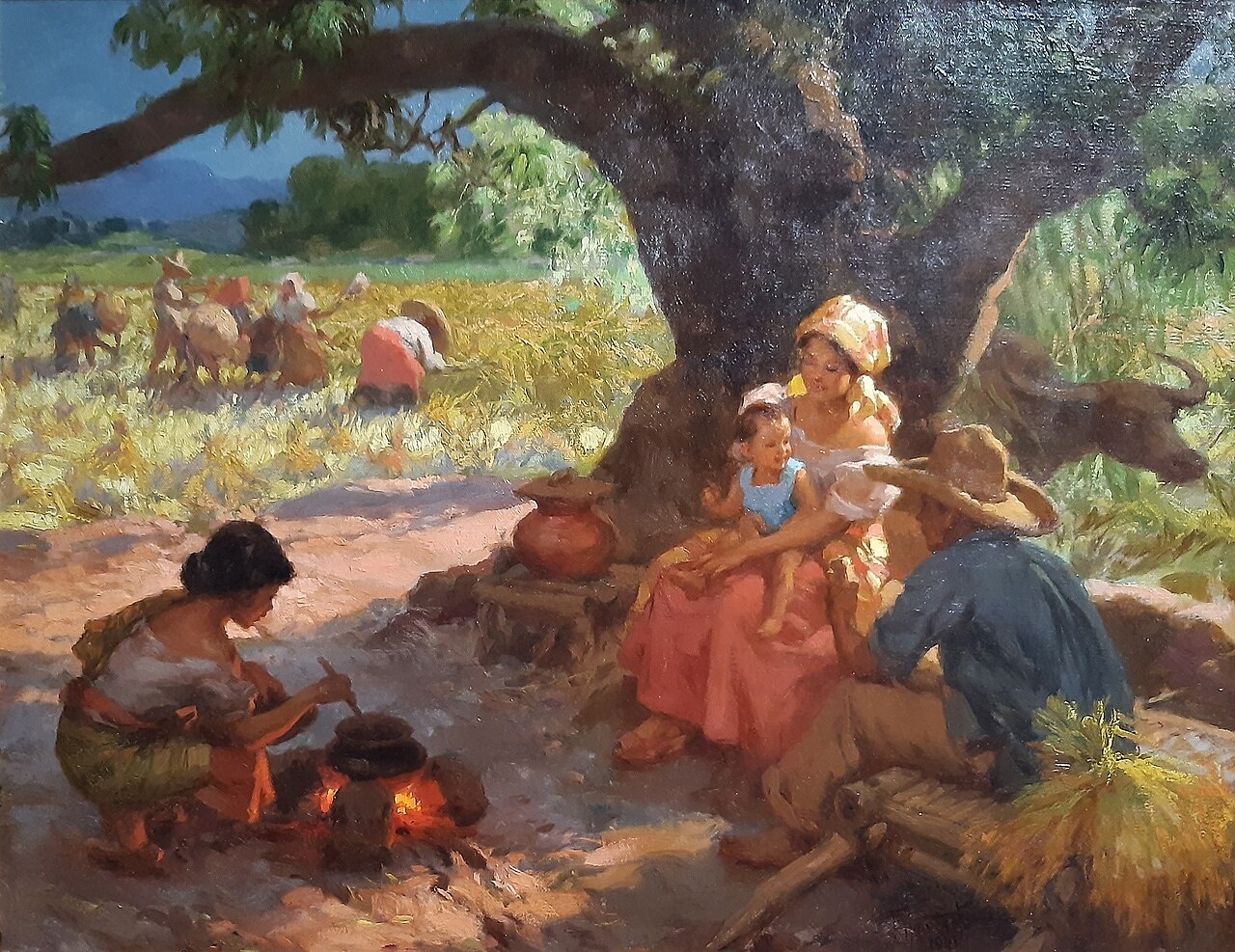
Fernando Amorsolo is often regarded as the Philippines’ most beloved painter. He became known for his romanticized depictions of rural life and the Filipina maiden. His works were widely reproduced from the 1930s to the 1950s. He also served as director of the University of the Philippines’ Fine Arts Department, and his paintings are prominently displayed in institutions such as the Ayala Museum. Amorsolo was officially the first National Artist of the Philippines. He was given the distinction of National Artist for Painting in 1972.
Bencab
Benedicto Cabrera, widely known as Bencab, stands as one of the Philippines’ most celebrated and sought-after contemporary artists. During a recent residency at the Singapore Tyler Print Institute, his reputation was on full display—collectors eagerly acquired his works even before they were completed, leaving his entire output from the four-week program sold out ahead of its scheduled exhibition. Demand for his art has become so intense that waiting lists of buyers are maintained, reflecting both his popularity and the scarcity of his work. [Source: Sonia Kolesnikov-Jessop, New York Times, July 12, 2005]
Bencab’s rise began early. The youngest of nine children, he showed artistic talent as a boy, sketching scenes from everyday life and copying comic books. As a teenager, he earned money by drawing portraits of popular figures like James Dean and Elvis Presley. After studying fine arts, he worked briefly as a newspaper illustrator while continuing to develop his craft in Manila’s vibrant art scene. His early success was marked by international attention, including the purchase of one of his works by Paul McCartney during the The Beatles’ visit to Manila in 1966.
In the late 1960s, Bencab moved to London, where exposure to European artistic trends initially shaped his work. However, he soon turned away from imitation, choosing instead to explore Filipino identity through his “Filipiniana” series. Drawing from historical photographs and colonial imagery, he created works like Larawan, which examined the enduring connections between the Philippines’ past and present.
Throughout the 1970s, his art became deeply engaged with social themes—migration, colonization, and national identity. His works often served as visual commentaries on Filipino experience, reflecting both historical struggles and contemporary realities. Over time, however, Bencab shifted toward a stronger emphasis on aesthetics, balancing humanist concerns with form, color, and composition.
One of his most enduring inspirations is “Sabel,” a homeless woman he observed in his youth. Her flowing, improvised garments became the basis for a long-running series that evolved from figurative representation into near abstraction. For Bencab, Sabel embodies movement, memory, and emotion, becoming less a literal subject and more a symbol expressed through lines, color, and form.
In his recent works, including those produced in Singapore, Bencab continues to experiment with new materials and techniques. His mono-prints and paper-based works explore fluidity and motion, while his use of brighter colors marks a departure from his traditionally muted palette. Always evolving, he has also begun working with metal sculpture, embracing the challenges of cutting and shaping steel.
After returning to the Philippines in 1985, Bencab settled in Baguio, where he fostered a community of artists and supported the local art scene. His career reflects not only artistic mastery but also a lifelong exploration of identity, history, and transformation—qualities that continue to captivate collectors and audiences around the world.
Filipino Crafts
Filipino crafts reflect a rich cultural heritage rooted in the use of natural materials such as rattan, bamboo, abaca, and capiz shells. Across the Philippines, artisans have long produced iconic handicrafts including woven textiles like t’nalak and piña cloth, intricate woodcarvings, parol (Christmas lanterns), and pandan mats. These traditions are passed down through generations, preserving skills in basketry, pottery, and jewelry-making while expressing local identity and creativity. [Source: Mandala Meadow]
Weaving is among the most widespread crafts, with rattan and bamboo fashioned into durable baskets, mats, and furniture. Traditional fabrics are also produced on handlooms, such as garments like the malong. Woodcarving, practiced for over five centuries, often uses hardwoods like narra or acacia to create both functional and decorative pieces. Capiz shell crafting is another notable tradition, producing delicate items such as lanterns, window panels, and ornamental boxes. Pottery remains significant as well, particularly the burnay jars of the Ilocos region, made from high-quality clay. Metalwork and jewelry-making flourish in areas like Batangas—known for balisong knives—and Bulacan and Mindanao, which are recognized for fine jewelry. Meanwhile, parol making continues to be a cherished Christmas tradition, using bamboo frames and colorful paper to create festive lanterns. [Source: Scribd]
Regional specialization further highlights the diversity of Filipino craftsmanship. Cebu is renowned for its rattan furniture and capiz shell products, while Mindanao is celebrated for its vibrant woven textiles such as t’nalak. The Cordillera region and Southern Luzon are known for their distinctive woodcarving traditions. These crafts serve not only as everyday household items but also as cultural symbols that embody the artistry and heritage of their communities. [Source: Scribd]
One traditional product that gained prominence in the early 20th century is the bakya, a type of wooden footwear made from light materials like laniti and santol wood. Carefully carved, smoothed, and often decorated with floral designs or polished finishes, bakya became a popular export item in the 1930s. Its simple yet functional design reflects both practicality and aesthetic sensibility.
The Philippines also has an ancient tradition of goldworking dating back to at least the first millennium B.C. Early Filipinos mined and crafted gold into intricate objects, many of which were used in burial practices. Among the most notable are gold facial ornaments placed over the eyes, nose, and mouth of the deceased—likely signifying high social status. Such practices continued into the 14th and 15th centuries, particularly in regions like Iloilo and Panay in the Visayas. Similar artifacts have been found across Southeast Asia, linking the Philippines to a broader regional tradition of gold artistry. A surviving example, known as Funerary Ornaments, dates to this period and demonstrates the sophistication of early Filipino metalwork. [Source: Metropolitan Museum of Art]
Ivory Crafts from the Philippines
In 2013 University of Santo Tomas Museum mounted an exhibition titled “Art of Sacred Ivory” showcasing religious objects carved from ivory. The exhibition was criticized because of fact that most ivory is obtained by killing elephants. [Source: Igan D’bayan, Philippine Star, August 19, 2013]
Museum director Isidro Abaño emphasized that the museum does not support the modern ivory trade and clarified that its collection, dating from the 17th to 20th centuries, predates international restrictions such as the Convention on International Trade in Endangered Species of Wild Fauna and Flora enacted in 1981. Rather than promoting ivory use, the exhibit aims to educate the public while preserving historically significant religious artifacts.
Among the most striking pieces is a massive ivory crucifix from the 16th or 17th century, considered the largest of its kind in the Philippines. The sculpture, mounted on a dark wooden cross, evokes both reverence and curiosity. Small holes in the cross may have once held relics of saints or served as spaces for ex voto offerings—tokens of gratitude from devotees, such as small sculpted body parts symbolizing healing or answered prayers.
Fr. Abaño, a scholar of cultural heritage trained in Rome, has long been involved in documenting and preserving sacred art. As part of his research for Power + Faith + Image, a collaboration between the Ayala Museum and UST, he traveled across the country studying ivory saints in churches from Samar and Leyte to Cebu and Antique. Some of these pieces have since been lost or stolen, highlighting the vulnerability of such artifacts.
Historically, Filipino artisans produced ivory carvings not only for local devotion but also for export to Spain and Mexico. Many early works bear Chinese stylistic influences, reflecting the multicultural background of their makers. Crafting ivory required skill and patience—the material, as hard as teeth, had to be soaked in water for weeks to soften before carving, then hardened again as it dried.
New York Designer Criticized Not Crediting Filipino "Basahan" Design
In February 2022, Vogue featured a sustainable T-shirt project by New York-based designer Elise McMahon and textile artist Francesca Capone, highlighting their use of handmade looms and upcycled materials. However, the feature quickly drew criticism for failing to acknowledge that the design closely resembled the Filipino basahan—a traditional woven rag made from discarded textiles. [Source: Pauline De Leon, Hypebae, February 14, 2022}
Filipino-American designer Jan Vincent Gonzales publicly challenged the omission on Instagram, emphasizing that basahan has existed in the Philippines for generations. He argued that Filipino communities have long practiced sustainability without recognition, pointing out a pattern where similar practices gain praise only when presented by Western creatives. Gonzales also expressed frustration that efforts to gain media attention for similar culturally rooted work had been overlooked, while the Vogue feature brought widespread acclaim to the project.
In response, McMahon acknowledged the oversight, stating that she had begun educating herself about the broader global history of such weaving techniques, which are also found in parts of Latin America, Africa, and Southeast Asia. Gonzales, while critical, clarified that responsibility did not lie solely with the designers, but with a wider system that often fails to properly credit cultural origins.
Although Vogue did not issue a formal statement, the publication later updated its article to include a reference to the Philippines, noting that discarded textiles are traditionally woven into doormats known as basahan, a common household item.
Art Exhibit That Mixed Religious, Sexual and Pop Culture Images Closed
In August 2011, a controversial art exhibition at the Cultural Center of the Philippines was shut down following intense public backlash, including criticism from President Benigno S. Aquino III, who described the works as offensive to the country’s predominantly Christian population. One of the featured artists, Mideo Cruz, condemned the closure, warning that it raised serious concerns about freedom of expression and could have lasting consequences for artists and publicly funded cultural institutions. [Source: Carlos H. Conde, New York Times, August 9, 2011]
Among the most controversial pieces was a wooden cross altered with male genitalia. While the center’s board cited vandalism and threats as the immediate reasons for shutting down the exhibit, President Aquino stated that he had advised them the display was inappropriate for a government-funded institution. He emphasized that although freedom of expression is important, it is not without limits.
The controversy intensified after Imelda Marcos visited the exhibit and publicly denounced it. “It was a shameful exhibit, especially since it was placed in the Cultural Center of the Philippines,” Marcos told reporters. “We built that to be the sanctuary of the Filipino soul and a monument to the Filipino spirit.”
Mr. Cruz is known for his irreverent installations, which he says are meant to raise questions about the “culture of idolatry” in the Philippines. He began work on the installation, “Poleteismo,” in 2002, and it has been exhibited in various venues, including a Jesuit university. The controversy erupted when a television network broadcast a report that focused on the male genitals protruding out of the cross and on the condom.
Image Sources: Wikimedia Commons
Text Sources: “Encyclopedia of World Cultures Volume 5: East/Southeast Asia:” edited by Paul Hockings, 1993; “Culture Shock!: Philippines” by Alfredo Roces and Grace Roces, Marshall Cavendish International, 2010; Metropolitan Museum of Art; National Geographic, Live Science, Philippines Department of Tourism, New York Times, Washington Post, Los Angeles Times, Smithsonian magazine, Encyclopedia.com, Library of Congress, The Conversation, The New Yorker, Time, BBC, CNN, Reuters, Associated Press, AFP, Lonely Planet Guides, Google AI, Wikipedia, The Guardian and various websites, books and other publications.
Last updated March 2026