
NEGATIVE SIDE OF TOURISM IN BALI
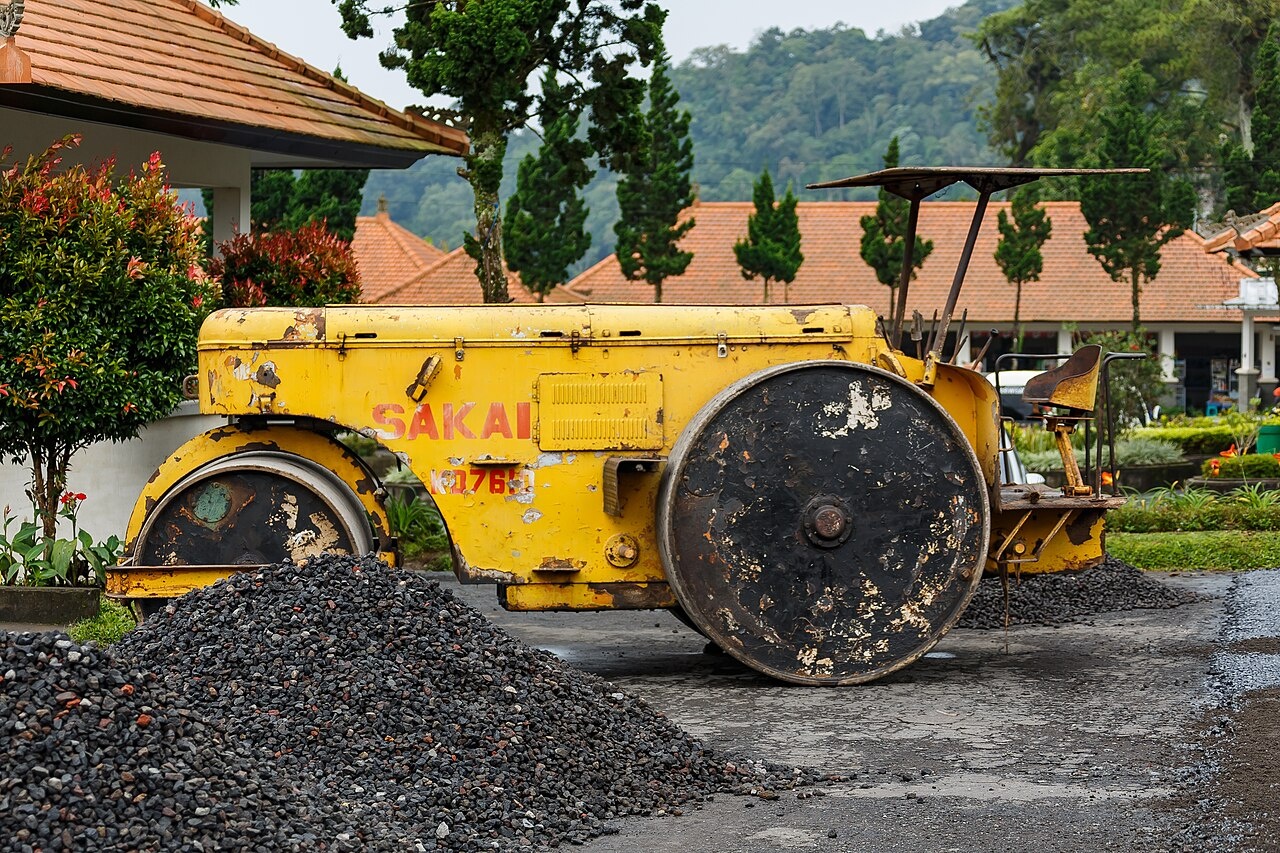
Mass tourism initially proved a boon for small, densely populated Bali —roughly half the size of Jamaica but home to about 4.4 million people. With limited fertile land, tourism created jobs in hotels, services, souvenir and furniture manufacturing, and construction. Even after downturns caused by political unrest in the late 1990s, the September 11 attacks, the 2002 and 2005 Bali bombings, and the 2008 global financial crisis, tourism has rebounded strongly. [Source: Olivia Rondonuwu, Reuters Life! August 12, 2011]
But in recent decades the negative side of tourism has been showing its face more and more. Despite its scale, the benefits of tourism have not always been evenly distributed. According to one account, in 1999 Bali retained only about one percent of the revenue generated by tourism on the island. Many Balinese have long resented hotels owned by Jakarta-based companies, in the old days, often linked to associates or relatives of former president Suharto, who ran Indonesia from 1966 to 1998, as profits were largely repatriated to Java. Additional resentment was directed at the presence of the military, which operated businesses such as karaoke bars across Bali. Tourism-related employment has also frequently gone to non-Balinese workers, adding to local frustrations.
Tensions occasionally erupted into open conflict. In October 1998, during the Asian financial crisis, disputes between Balinese and Javanese vendors escalated into a brief but destructive riot at Kuta Beach, where locals armed with sticks chased Javanese traders. That unrest coincided with a sharp drop in tourist arrivals, from 134,153 in September 1998 to 88,934 by December.
RELATED ARTICLES:
BALI: GEOGRAPHY, LIFESTYLE, REPUTATION, GETTING THERE factsanddetails.com
HISTORY OF BALI: ORIGIN, KINGDOMS, MASS ROYAL SUICIDES factsanddetails.com
MODERN HISTORY OF BALI: VOLCANIC ERUPTIONS, TERRORISM, RECOVERY factsanddetails.com
BALI BOMBING IN 2002 factsanddetails.com
TOURISM IN BALI: CELEBRITIES, RESILIENCE AND ITS RISE FROM A 1930s SOCIALITE ARTIST COLONY factsanddetails.com
BALINESE: LANGUAGE, CUSTOMS, BEHAVIOR factsanddetails.com
BALINESE SOCIETY: GROUPS, CASTE, THE SUBAK SYSTEM factsanddetails.com
BALINESE FAMILY: MARRIAGE, WOMEN, RITES OF PASSAGE factsanddetails.com
LIFE IN BALI: VILLAGES, FOOD, CLOTHES, WORK, AGRICULTURE factsanddetails.com
BALINESE RELIGION: HINDUISM, SPIRITS, TEMPLE LIFE, PRIESTS factsanddetails.com
FUNERALS AND DEATH IN BALI factsanddetails.com
BALINESE CALENDAR factsanddetails.com
BALINESE HOLIDAYS, FESTIVALS, RITUALS, CEREMONIES AND OFFERINGS factsanddetails.com
BALINESE CULTURE AND ARTS factsanddetails.com
Impact of of Tourism on Bali’s Environment
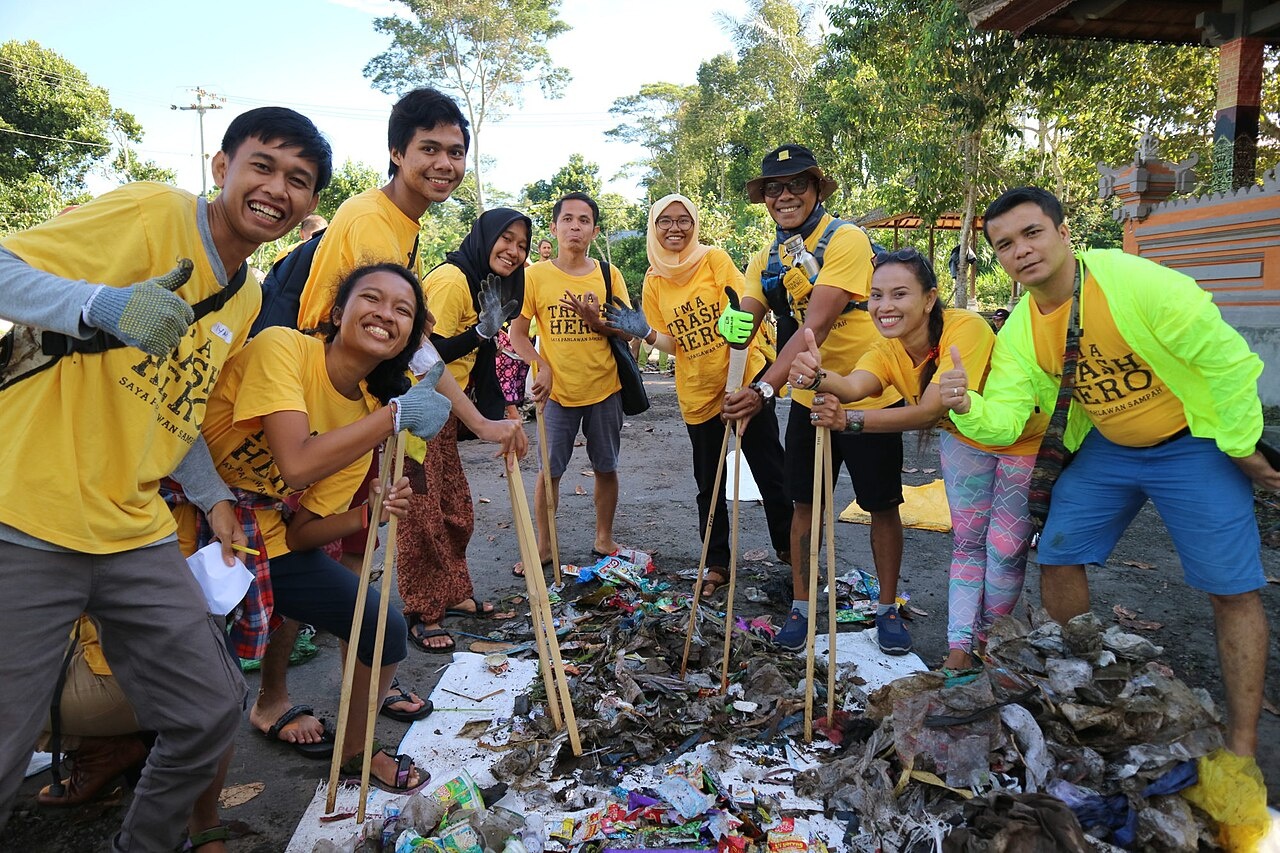
The environmental costs of tourism in Bali have been mounting. Hundreds of hotels have placed heavy demands on Bali’s water supply, Wayan Suardana, head of the Bali branch of environmental group Walhi told Reuters, leaving farmers in the north—where rice and coffee plantations still operate—chronically short of water. Each year, about 700 hectares of land are converted for hotels, roads, housing, and villas for foreigners and wealthy Indonesians, according to Bali’s Environmental Agency. [Source: Olivia Rondonuwu, Reuters Life! August 12, 2011]
Waste is another growing crisis. An estimated 13,000 cubic meters of trash reach processing facilities across Bali every day, but only about half is treated, said agency head Alit Sastrawan. Weak monitoring allows some large hotels to dump waste on vacant land, said Made Suarnata of the Wisnu Foundation, which promotes community-based recycling.
Perhaps most alarming is the damage to Bali’s marine environment, one of its greatest attractions. Decades of development in the south have contributed to coral bleaching and beach erosion, compounded by El Niño conditions in the late 1990s. “What used to be a huge reef in Sanur—the natural barrier of Bali—was buried by sedimentation from massive development and reclamation,” said Ketut Sarjana Putra of Conservation International Indonesia, noting that the coral was eventually killed.
While coral reefs are recovering in northwestern Pemuteran and around Nusa Penida, veteran divers report significantly reduced fish populations. Reflecting on the environmental toll, Suarnata recalled a Balinese proverb: Merta matemahang wishya—a blessing that is not managed wisely can become a danger. “The tourism industry has brought real benefits,” he said, “but if we fail to manage it—if trash piles up and disease spreads—who will want to come?”
Overdevelopment in Bali
Construction cranes on beaches, damaged coral reefs and floating trash in Bali’s turquoise water are among the effects that overdevelopment have had on Bali. “What is happening in Bali now is overexploitation of the tourism industry—a policy of selling it cheap and exploiting it to the last bit,” said Suardana. He argues that older resorts should be renovated rather than expanding endlessly, and that urgent attention is needed for worsening problems such as electricity shortages, lack of clean water, mounting trash, and chronic traffic congestion. [Source: Olivia Rondonuwu, Reuters Life! August 12, 2011]
Despite these concerns, Suardana noted that the local government approved a 200-hectare resort project in Jimbaran to host the 2013 Asia-Pacific Economic Cooperation (APEC) forum. The hilly coastal site overlooks a scenic bay but threatens local farmers’ livelihoods. In nearby Nusa Dua, narrow roads are coated in dust from ongoing construction, while trucks haul rock and cement through the area. Local administrator Wayan Solo said two new resorts and a villa complex were under construction south of Nusa Dua, with completion expected the following year.
In the early 1990s, Balinese communities protested plans to build a golf course near the sacred Hindu shrine of Tanah Lot. Despite strong opposition, the resort was ultimately constructed, reinforcing long-standing concerns about cultural preservation, local control, and who truly benefits from Bali’s tourism boom.
Donald Trump’s Disastrous Golf Course Project in Bali
A planned Trump-branded redevelopment of Bali’s Nirwana Golf Resort collapsed, leaving an overgrown, abandoned golf course and hundreds of former workers without the promised return of their jobs. Beer bottles and broken plastic chairs now dot the fairways of the once-profitable-but-now-abandoned golf course that was once promoted as a Donald Trump “dream project.” [Source: Bagus Saragih, Jack Moore, AFP, December 9, 2022]
Launched in 2015 by the Trump Organization and Indonesia’s MNC Group, the resort closed in 2017 and was never rebuilt. While developers cited financial issues and later the pandemic, the project stalled long before Covid-19. Many workers, including caddies who received no compensation, lost stable and lucrative livelihoods.
In the mid 2010s, before he became U.S. president, Trump president agreed to license his name to a planned six-star resort meant to replace the acclaimed Nirwana Golf Resort. Today, however, the once-lush course lies choked with weeds, standing as another failed Trump venture. Over two decades, his casino and hotel businesses have entered bankruptcy six times, leaving billions in debt and affecting thousands of workers. “There was no certainty about our future. We were told we might be rehired, but it never happened,” Ditta Dwi, a former caddy who took a waitressing job after waiting in vain for the resort to reopen, told AFP.
Donald Trump Jr. described the redevelopment—his father’s first major project in Southeast Asia—as a “dream project” during a 2019 visit to Jakarta. In reality, the agreement struck in 2015 to operate and brand the resort has proven illusory. Years after staff were sent home, the hotel has been demolished and the golf course abandoned, patrolled only by a lone security guard keeping tourists away.
In the meantime, MNC focused on another Trump-linked resort project in Lido, West Java, which has drawn controversy over allegations that ancestral graves were disturbed without local consent. For many Balinese, the stalled development meant lost livelihoods. While hotel staff received severance pay, around 150 contract caddies were dismissed without compensation. Dwi recalled earning a modest base salary but making substantial income from tips—sometimes more than ten times her wages—which she has since lost. The Trump Organization declined to comment on the Bali project.
Bad-Behaving Tourists in Bali
According to The Telegraph: Reports of tourists offending local customs in Bali now seem almost daily. Images circulate of bikini-clad visitors striking yoga poses in temple gateways or half-dressed foreigners arguing with traffic police over helmet laws. While outsiders ask what has triggered this surge in inappropriate behavior, long-time visitors and residents are more surprised that Balinese patience has lasted so long before firmly declaring that enough is enough. In May 2023, The Jakarta Post reported that 101 foreigners were deported in the first four months of the year, including 27 Russians, eight Britons, and seven Americans. [Source: Jack Orchard, The Telegraph, June 17, 2023]
Disrespectful tourism is hardly new. As early as 1972, the iconic surf film Morning of the Earth depicted a naked hippie teaching elderly Balinese fishermen how to smoke cannabis. Long before that, deserters from a Dutch ship in the 17th century had effectively become Bali’s earliest sex-tourist expatriates. By the late 20th century, the alleyways around Kuta Beach were already notorious as hangouts for drunken revelers in search of drugs and prostitution.
Following the pandemic, Bali became a magnet for digital nomads, and more recently for tens of thousands of Russians. Economic pressures have fueled resentment among locals, particularly when newcomers were seen as competing for jobs. Viral videos of foreign motorcyclists arguing with police over helmet violations, a road-rage fight during a religious procession, and complaints by foreigners about crowing roosters—an integral part of Hindu ritual life—have further inflamed tensions. In at least one case, it was the complainants, not the roosters, who were asked to leave.
Hotelier Lucienne Anhar of Hotel Tugu Bali in Canggu stresses that badly behaved tourists remain a tiny minority. Most, she says, are younger visitors with little understanding of Balinese culture beyond what they see in fleeting social media posts. Over the past year, areas such as Canggu and Ubud have seen a spate of incidents involving influencers and self-styled life coaches, including naked photo shoots beside sacred trees. What some viewed as provocative backdrops for Instagram were, in fact, spiritually significant sites—and images of this kind can fall foul of Indonesia’s strict anti-pornography laws.
The consequences can be severe. Beyond deportation, offenders risk lengthy prison sentences. Balinese Hindus were particularly outraged when naked foreigners used the summits of Mount Agung and Mount Batur—two of the island’s most sacred volcanoes—as selfie backdrops. In response, the governor announced a permanent ban on all recreational activities across Bali’s 22 mountains. Yet, in practice, enforcement has been inconsistent. Just weeks after the ban was declared “effective immediately,” hundreds of climbers were reportedly still ascending Mount Batur.
Despite all this, most residents—locals, expatriates, and visitors alike—agree that Bali remains one of the world’s most appealing island destinations. The unruly minority is small and tends to cluster in predictable areas, making them easy to avoid. As one French hotelier with nearly three decades on the island put it, the situation is “une tempête dans un verre d’eau”—a storm in a teacup. An Australian tourism veteran echoed the sentiment, predicting that Bali will soon return to normal, perhaps wiser, and hopefully with fewer culturally insensitive visitors than before.
Sex and Foreign Tourists in Bali
In 2022, the Indonesian government passed a bill making it illegal for unmarried couples to cohabit and engage in sexual activities outside of marriage. The law went into effect in Bali and elsewhere in Indonesia on January 2, 2026. Officially, offenders can face up to a year in jail but the Bali government said it would not prosecute offenders after a slew of foreign tourists canceled hot reservations after the law was announced..
In 2013, officials on Bali said they were considering putting up “no sex” signs at Hindu temples after a lusty Estonian couple were caught in the act. Police took the pair in for questioning after they were found by youth leaders who had gone to check up on repairs at the temple in the village of Saraseda. “They said they really did not know that sex at temples was prohibited in Bali, so we just let them go and left it up to the village heads to decide how to handle the case,” [Source: Agence France-Presse, March 8th, 2013]
Gianyar district police chief Hadi Purnomo told AFP: “In the end, the village decided they wanted to hold a cleansing ceremony and ordered the couple to pay 20 million rupiah ($2,000) to fund the ritual.” The couple admitted they had also used the temple’s outdoor shower before having sex, Purnomo said, and apologized. District officials are now discussing whether to add “no sex” signs to the temples besides the usual “no eating” and “no smoking” warnings.
Efforts to Reign-In Bad-Behaving Tourists in Bali
In June 2023, the Bali government banned hiking on the sacred Balinese mountains Agung and Bature and ordered a crackdown on so-called digital nomads working illegally as guides or hairdressers and announced tighter controls on motorbike rentals following a spate of accidents and reckless stunts by influencers. The new mountain restrictions would cover all 22 of Bali’s peaks, which are now considered closed indefinitely to climbers. The move follows a series of high-profile incidents. In 2021, police confirmed that a pornographic video had been filmed on Mount Batur. In 2023 a Russian tourist sparked outrage after posting a semi-nude photo taken atop Mount Agung, Despite issuing a public apology and taking part in a traditional offering ceremony, he was deported in April and banned from entering Indonesia for at least six months. [Source: Heather Chen, CNN, June 14, 2023]
According to The Telegraph: Bali’s governor, I Wayan Koster, also issued a formal code of conduct for tourists. Among its key points are reminders to dress and behave modestly at religious sites, as well as stricter enforcement of traffic laws, particularly those governing rented motorcycles and helmet use. Officials have also floated the idea of a substantial “tourist tax,” potentially as high as £80. Ida Bagus Agung Partha Adnyana, chairman of the Bali Tourism Board, has argued that such a levy could fund protective measures and help prevent Bali from being perceived solely as a cheap party destination. [Source: Jack Orchard, The Telegraph, June 17, 2023]
These efforts are not unprecedented. In 2015, Bali briefly restricted alcohol sales outside major tourist establishments. In 2018, headlines announced a ban on bikinis, which quickly faded from public attention. More controversial was what the Australian media dubbed the “Bali bonk ban,” a nationwide prohibition on cohabitation passed in December last year. After a wave of canceled holidays, the governor was quick to reassure tourists that the law would not be enforced against them.
Some within the tourism industry believe the mountain ban and tighter controls on scooter rentals are less about culture and more about reshaping Bali’s visitor profile—discouraging lower-budget travelers while appealing to higher-end tourists. Anhar acknowledges that clearer guidance was long overdue. “We hadn’t done a good job of explaining how tourists should behave,” she said. “Clear communication, rules, and penalties can prevent many of these problems.”
Image Sources: Wikimedia Commons, Indonesia Tourism website
Text Sources: “Encyclopedia of World Cultures Volume 5: East/Southeast Asia:” edited by Paul Hockings, 1993; Wikipedia; National Geographic, Live Science, Metropolitan Museum of Art, Natural History magazine, New York Times, Washington Post, Los Angeles Times, Smithsonian magazine, Encyclopedia.com, Library of Congress, The Conversation, The New Yorker, Time, BBC, CNN, Reuters, Associated Press, AFP, Lonely Planet Guides, Google AI, The Guardian and various websites, books and other publications.
Last updated January 2026