
GENDER ROLES IN THE PHILIPPINES
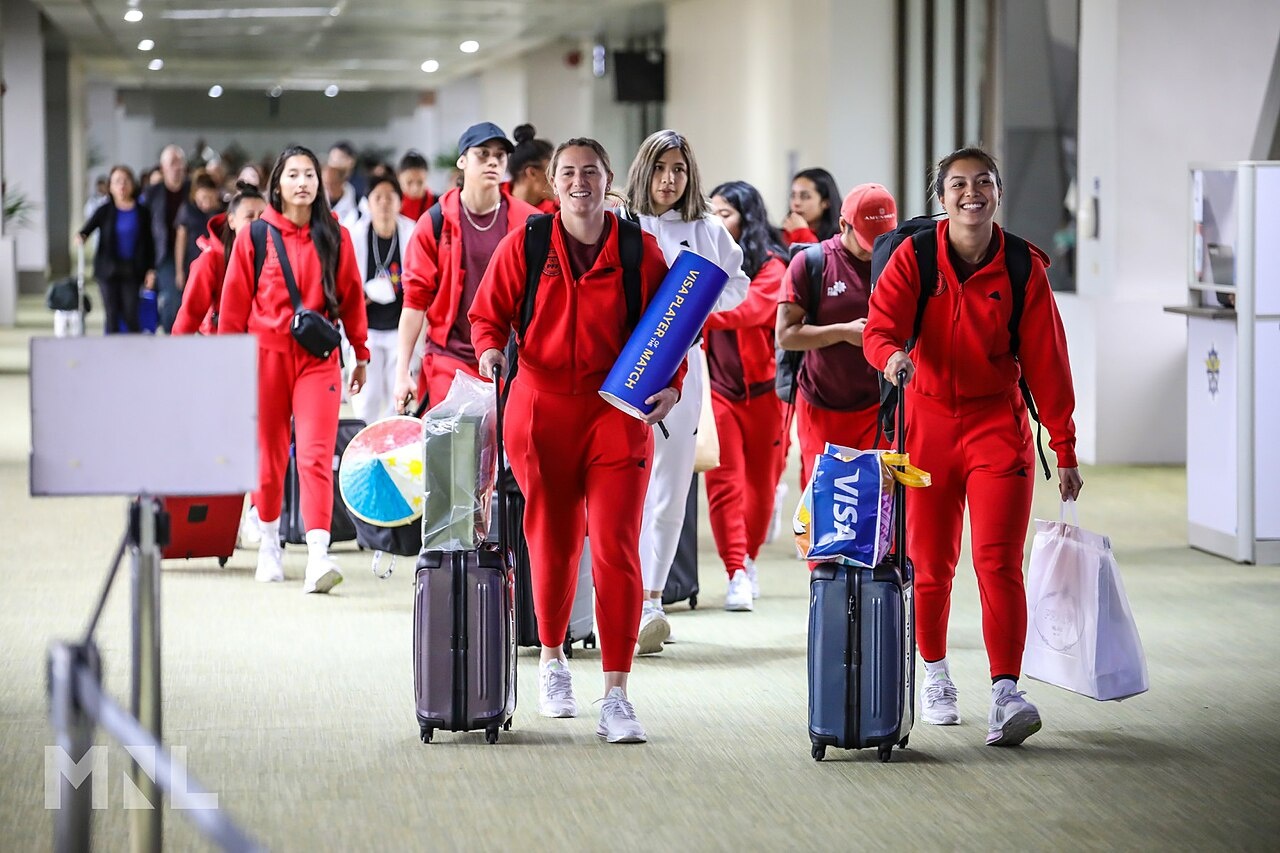
Traditional gender roles in Filipino society have been shaped by centuries of cultural influence, including American occupation, Chinese social norms, Islamic traditions, and almost four centuries of Spanish Catholic rule. Since the 1960s, however, these patterns have been increasingly reshaped by strong Western influences, particularly from Europe and the United States. This transformation has been less pronounced in the Muslim-dominated areas of the southern Philippines, where Western cultural contact has had a more limited impact. In these regions, practices such as polygamy, the notion of the wife as the husband’s property, and the expectation that women show deference to men remain influential social values. Traditional Muslim ideals of feminine behavior often emphasize women’s dependence, obedience, and modesty within a male-dominated social order. [Source: Jose Florante J. Leyson, M.D., Encyclopedia of Sexuality, 2001]
The Filipino family is generally classified as egalitarian. Authority is more or less divided between husband and wife. The husband is formally recognized as the head but the wife has the important position of treasurer of the household and manager of the domestic affairs. Since there are more working women now then ever before, today’s Filipina does a balancing act between career and family. [Source: Canadian Center for Intercultural Learning]
Although families desire male children, female children are welcomed and expected to help around the house and care for their parents in their old age. Women have firmly established rights to equality and to share the family inheritance with male siblings, which are not questioned. Traditional gender roles persist in rural areas. Men cultivate the land, while the entire family participates in planting and harvesting crops. Women work in the garden, care for the house and children, and tend to barnyard animals. In urban areas, men work in construction, maintain machinery, and drive passenger vehicles. Women work as teachers, clerks, sari-sari store owners, produce marketers, and healthcare providers. However, occupational gender lines are blurred since men also work as nurses and teachers. In professional fields, gender is less important. There are women attorneys, doctors, and lawyers in the provinces as well as in urban areas. [Source: Charles Kaut, “Encyclopedia of World Cultures Volume 5: East / Southeast Asia:” edited by Paul Hockings, 1993]
RELATED ARTICLES:
WOMEN IN THE PHILIPPINES: STATUS, STEREOTYPES, MARIA CLARA AND ABUSE factsanddetails.com
FILIPINA WIVES, NON-FILIPINO MEN AND MAIL-ORDER BRIDES factsanddetails.com
See Dating Filipino Women Under COURTSHIP, DATING AND LOVE IN THE PHILIPPINES factsanddetails.com
PREGNANCY, CHILDBIRTH AND INFANTS IN THE PHILIPPINES factsanddetails.com
FAMILIES IN THE PHILIPPINES: GODPARENTS, KINSHIP, TIES, STRUCTURE factsanddetails.com
FILIPINO MEN: MACHISMO, HENPECKED HUSBANDS AND SUDDEN UNEXPECTED DEATH factsanddetails.com
CHILDREN IN THE PHILIPPINES: RAISING THEM, RITES OF PASSAGE, STREET KIDS factsanddetails.com
MARRIAGE IN THE PHILIPPINES factsanddetails.com
COURTSHIP, DATING AND LOVE IN THE PHILIPPINES factsanddetails.com
DIVORCE IN THE PHILIPPINES: BAN, LAWS, ANNULMENTS, IMPACTS factsanddetails.com
WEDDINGS IN THE PHILIPPINES factsanddetails.com
Women’s Roles in the Philippines
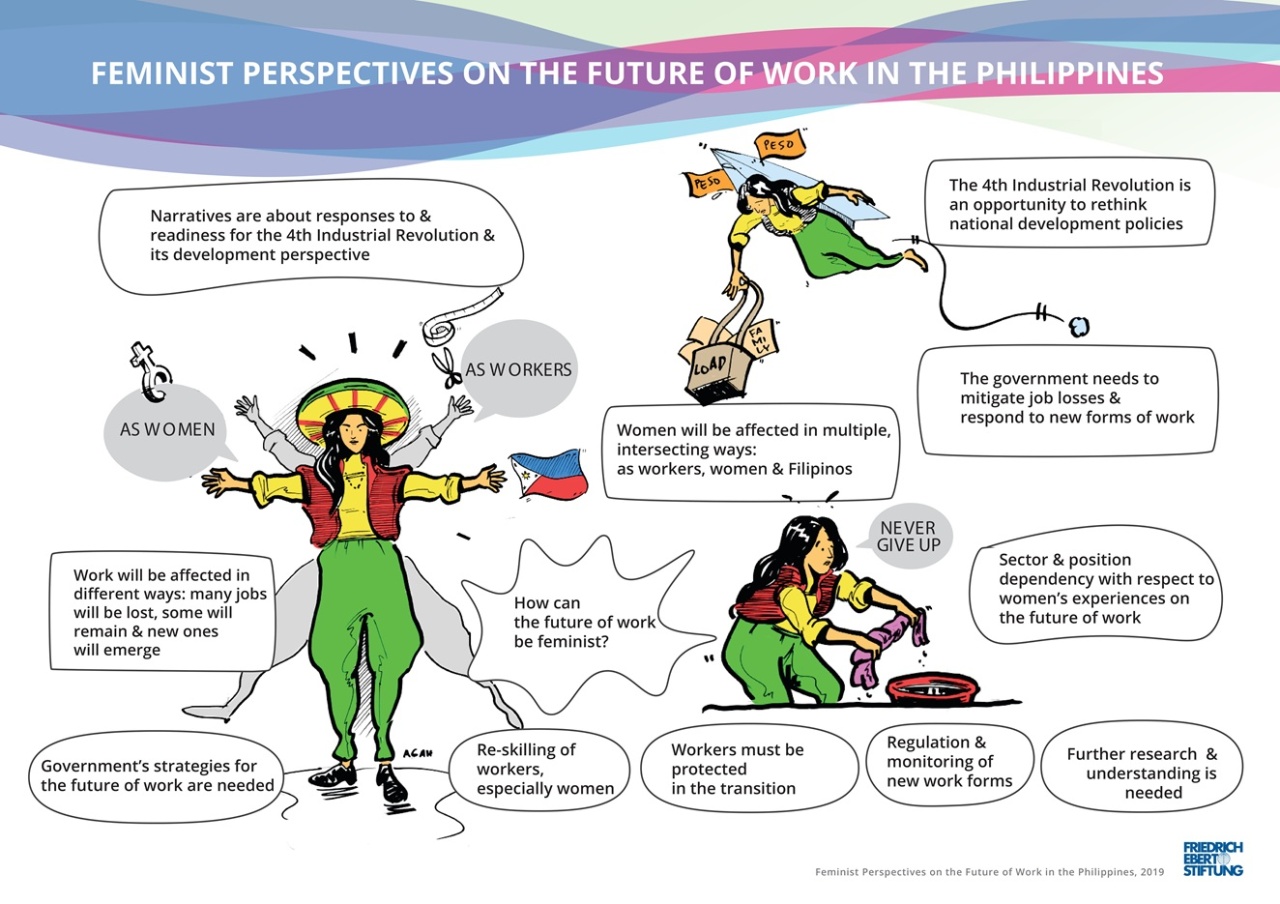
In the Philippines, marriage and family life remain highly valued, and women who remain unmarried past their early thirties may face a degree of social stigma. Because marriage and childbearing are seen as central to adulthood, many people assume that an unmarried woman simply did not receive marriage proposals. Such women are sometimes referred to as matandang dalaga, a term that suggests a woman who has been “left on the shelf.” Despite these attitudes, Filipino women often fulfill multiple roles simultaneously—daughter, worker, caregiver, and community member—and move skillfully between these responsibilities. In many cases, the guiding principle behind these roles is the belief that family interests come first. [Source: “Culture Shock!: Philippines” by Alfredo Roces and Grace Roces, Marshall Cavendish International, 2010]
Filipino women also traditionally act as guardians of family values and reputation. Older women in particular feel a responsibility to preserve the family’s good name and moral standing. They often speak openly about what they consider proper behavior, attitudes, and conduct, especially in matters that could affect the family’s image. Through advice, mediation, or direct confrontation, they help manage conflicts within the household and discourage behavior that could bring embarrassment or dishonor to the family.
Beyond formal positions describes below in “Working Women,”, Filipinas frequently exercise influence behind the scenes in professional and political life. The saying “behind every great man is a woman” is often applied in the Philippine context, where wives and mothers may play crucial roles in building social networks that support a husband’s career. Social relationships and personal connections are particularly important in Philippine business culture, and many women are highly skilled at cultivating these networks, hosting gatherings, and maintaining ties that can advance family and professional interests.
This influence can also be seen in the public sphere, particularly in the role of the First Lady. Although unofficial, the position carries considerable prestige and influence. The wife of a president—or of other high-ranking officials—is expected to display grace and charm, assist her husband politically, and support civic or charitable projects. At the same time, Filipino culture often acknowledges the strong personalities of many wives, humorously describing husbands who are dominated by their spouses as living “under the saya” (under their wives’ skirts). This expression reflects the widely recognized ability of Filipinas to exercise authority within both the household and broader society.
Working Women in the Philippines
In most Filipino families, men are regarded as the formal heads of households. In practice, however, women frequently play equally significant—if not greater—roles in sustaining family life. Many women serve not only as homemakers and primary caregivers for their children but also as major income earners. Filipino women are just as likely as men to pursue overseas contract work in order to support their families. Families that can afford it generally show a strong commitment to providing secondary and tertiary education for both daughters and sons. In households with limited financial resources, however, girls are sometimes expected to postpone or sacrifice their education so that younger siblings—particularly younger brothers—can continue their schooling. [Source: Canadian Center for Intercultural Learning]
Although men still dominate the highest positions in the business sector, women are increasingly visible in leadership roles. Many hold senior posts in government agencies and large organizations. Even when a man officially heads a company or enterprise, it is not unusual for a woman to exercise substantial influence behind the scenes and effectively manage day-to-day operations. In this way, Filipino women often wield considerable informal power within both family and professional spheres. Chief Justice of the Supreme Court Maria Lourdes Sereno was appointed in 2012.
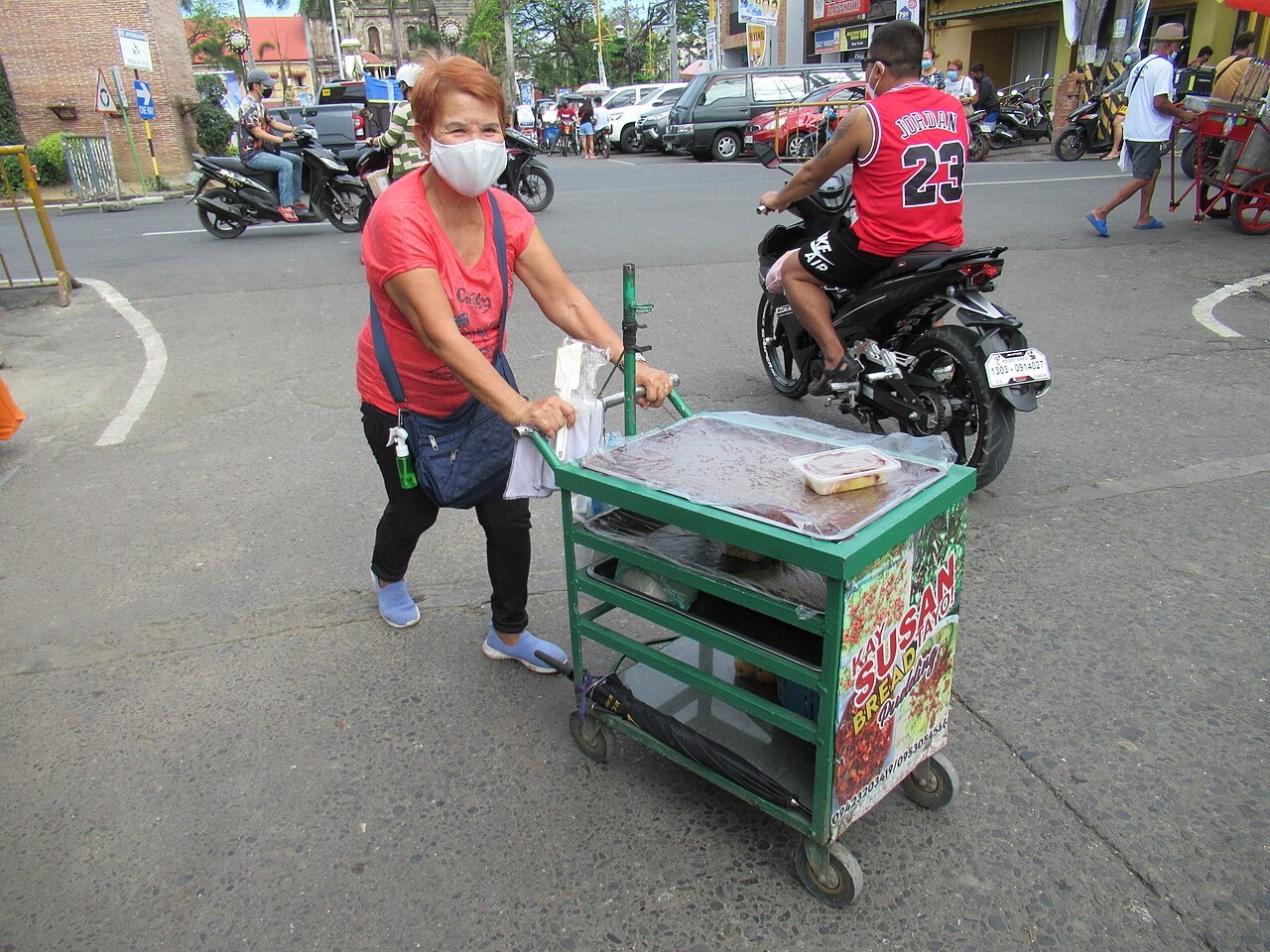
Filipinas have strong presence in small-scale entrepreneurship. Many married women run businesses on the side, such as neighborhood stores, food stalls, home-based baking enterprises, or informal trading ventures. These activities often supplement family income and can become quite successful. Women also appear prominently in larger enterprises, with some founding or managing major institutions and businesses, demonstrating their capacity as effective entrepreneurs and administrators. [Source: “Culture Shock!: Philippines” by Alfredo Roces and Grace Roces, Marshall Cavendish International, 2010]
The oldest daughter is expected to become an overseas worker (OSW) to fund the education of her younger siblings and the needs of her aging family members. Women are the family's money managers. In some cases, the wedding ceremony includes the groom giving a coin to the bride to acknowledge this role. Since personal relationships and wealth are considered the road to success, women have an equal opportunity to achieve it. Winners of beauty pageants, especially international ones, are likely to succeed in the business and professional world.
Filipina Overseas Workers
Filipina overseas workers make up a significant portion of the global Filipino migrant workforce. As of 2023, women account for more than 55 percent of the approximately 2.16 million Filipinos working abroad. Most of these women are employed in care, domestic, and service occupations in countries such as Saudi Arabia, the United Arab Emirates, Hong Kong, and Kuwait. Despite the difficulties they often face, these workers play a vital role in supporting the Philippine economy through the remittances they send home. [Source: Chiho Agaya, Ferris University, Asian Breeze]

Many Filipina migrant workers are concentrated in lower-wage occupations. Nearly two-thirds, about 64.1 percent, work in elementary jobs such as domestic service, housekeeping, and cleaning. Another 14.1 percent are employed in service and sales positions. These jobs frequently involve long hours, demanding physical labor, and work in isolated environments, making workers particularly vulnerable to exploitation.
The largest numbers of Filipina migrant workers are found in several Middle Eastern and Asian destinations. Saudi Arabia hosts the largest share at about 21.6 percent, followed by the United Arab Emirates with 15.9 percent. Hong Kong accounts for roughly 10.9 percent, while Kuwait receives about 10.6 percent. These destinations offer employment opportunities but also present risks related to labor protections and working conditions.
Filipina overseas workers often encounter serious challenges, including contract violations, delayed or unpaid wages, and, in some cases, physical or emotional abuse. Their working and living conditions may depend heavily on employers, particularly for domestic workers who live in their employers’ homes. Even so, these women remain an essential economic lifeline for their families, with their remittances forming nearly ten percent of the Philippines’ gross domestic product.
The Philippine government has taken steps to strengthen protections for migrant workers through labor agreements and international conventions aimed at improving working conditions and safeguarding rights. Agencies such as the Department of Migrant Workers are working to create safer migration pathways and assist returning workers with reintegration into the domestic economy. Beyond their economic contributions, the experiences of Filipina migrant workers have also become an important theme in literature and film, highlighting both the hardships they endure and the resilience that defines their role in modern Filipino society.
Role of Daughters and Sisters in the Philippines
Because family occupies a central place in Filipino culture, children learn from an early age that they owe their parents a lifelong debt of gratitude for bringing them into the world. Within the family, daughters are often expected to provide greater personal care for their mothers than sons do. Mothers are typically the first people daughters turn to in times of difficulty, and they serve as the primary source of knowledge about household responsibilities and family relationships. Through close daily interaction, mothers pass on practical skills, values, and attitudes that shape their daughters’ roles in family life. [Source: “Culture Shock!: Philippines” by Alfredo Roces and Grace Roces, Marshall Cavendish International, 2010]
For many Filipino daughters, the mother becomes the first and most important role model. In a society where role modeling strongly influences how gender roles are learned, the mother’s example carries great weight. Combined with the long period of emotional and physical nurturing provided during childhood, this relationship often creates a particularly strong bond between mother and daughter.
Older sisters also play a significant role in Filipino families. An older sister is called Ate, and she often helps care for younger siblings by bathing, dressing, and feeding them, especially in large families where the mother cannot attend to every child at once. From a young age, older children learn that helping care for younger brothers and sisters is part of their responsibility. The eldest daughter may assume this “deputy mother” role early in life, sometimes when she is still very young herself. Because of this responsibility, younger siblings often respect and obey her much as they do their mother. She may also act as an intermediary between siblings and parents, and in cases where parents die, she may take on the responsibility of keeping the family together. The term Ate is also commonly used among cousins and extended family members of the same generation, reflecting the broader kinship relationships that characterize Filipino family life.
Role of Young Women and Wives in the Philippines
The role of the dalaga, or young unmarried woman, is largely defined by social expectations. From childhood, girls learn the accepted code of behavior through role modeling as well as direct instruction from parents and teachers. They are often reminded to behave in a “proper” manner—for example, being told to sit modestly or act with restraint. Social pressure also plays an important role in shaping behavior, as teasing and the fear of gossip discourage actions that might be considered inappropriate. [Source: “Culture Shock!: Philippines” by Alfredo Roces and Grace Roces, Marshall Cavendish International, 2010]
Society generally expects a young woman to conduct herself with modesty and decorum, particularly in the presence of men. Shyness and reserve are often seen as desirable traits, while openly displaying sexuality can damage a young woman’s reputation. A woman who appears too forward may be labeled a flirt and judged as morally loose, which can affect how she is treated within the community.
Courtship represents one of the more complex aspects of the dalaga’s role. In the Philippines, courtship is often viewed as a social game that both young men and women participate in with enthusiasm. The young woman is traditionally expected to appear difficult to win over, showing only limited interest in a suitor. Some even pretend complete indifference. The more restraint she displays, the more her perceived value and respectability may increase in the eyes of the suitor and the wider community.
Once married, however, women often face a different set of expectations shaped by a double standard. Society frequently places the responsibility for maintaining harmony in marriage on the wife. As a result, women who openly criticize or complain about their husbands may receive little sympathy. Publicly discussing a husband’s faults is often frowned upon, since family problems are expected to remain private. Speaking ill of one’s spouse can be seen as damaging the honor and reputation of the entire family.
Within these cultural expectations, a “good wife” is traditionally defined as someone who supports her husband emotionally and, at times, materially, while effectively managing the household and caring for the children. She is expected to safeguard the family’s well-being and reputation, fulfilling her responsibilities with loyalty, discretion, and dedication to the family’s interests.
Mothers in Filipino Society
Children hold a central place in family-oriented Philippine culture. Because of this cultural emphasis on family continuity, married women are generally expected to have children. Motherhood is therefore considered one of the most important roles a Filipina assumes in her lifetime. [Source: “Culture Shock!: Philippines” by Alfredo Roces and Grace Roces, Marshall Cavendish International, 2010]
The mother usually manages household affairs and carries the primary responsibility for raising the children. This position gives her significant authority within the family. In a society where kinship ties strongly influence social and economic life—sometimes reflected in practices such as nepotism—the mother’s influence should not be underestimated. Her authority is reinforced by the cultural value that children owe lifelong respect and obligation to their parents.
Another important factor shaping the mother’s role is the strong Filipino sense of belonging within the family. Individuals commonly identify themselves through their family connections, and many feel that they “belong” to their family as a whole. Emotional attachment and loyalty are often stronger toward the mother than toward the father, largely because mothers provide most of the daily care and emotional support during childhood. This close bond fosters a sense of love, protection, and obligation that can persist throughout a person’s life.
Influence of Filipina Mothers
The mother’s influence often extends into the personal lives of her children. Because she feels responsible for guiding them, she may expect to know their concerns, thoughts, and problems. Children are encouraged to confide in their mothers, who then offer advice and direction. While this guidance is generally given with the intention of helping them, it can also reinforce emotional dependence and strengthen the mother’s lasting influence over family members. [Source: “Culture Shock!: Philippines” by Alfredo Roces and Grace Roces, Marshall Cavendish International, 2010]
Studies of Filipino child-rearing practices highlight distinctive cultural patterns. Research comparing Filipino and American families has found that Filipino mothers tend to be more flexible about feeding, weaning, and toilet training. Discipline often includes scolding or occasional physical punishment, but children are also raised within a wide network of relatives who share responsibility for their care. Unlike in many Western households, where parents typically raise children independently, Filipino children grow up surrounded by extended family members who contribute to their upbringing.
These practices reflect a cultural emphasis not on individual independence but on family cohesion and reciprocity. Parents often express hopes that their children will respect family values and maintain harmonious relationships rather than pursue individual wealth or fame. Although relatives may assist in caring for children, the mother remains the central authority figure. Society tends to credit her if children grow up to become responsible members of the community and blame her if they do not.
The mother’s influence usually continues even after her children marry. Although her role may become less direct, she often remains an important advisor in family decisions, ranging from major life choices to everyday matters. When grandchildren are born, she typically becomes involved in family celebrations and childcare. This continuing influence can sometimes lead to tension between a wife and her mother-in-law. In such situations, the husband may find himself caught between loyalty to his mother and responsibility to his wife, reflecting the enduring strength of family obligations in Philippine society.
Filipina Mother-in-Laws and Daughter-in-Laws
Filipino wives make a great effort to maintain harmonious relationships with their mothers-in-law. In “Filipino Marriages in Crisis” (1977), Dr Lourdes V. Lapus wrote: ‘It is a tribute, dubious perhaps, to the Filipino daughter-in-law that she continues to want to be liked by her husband’s mother.’ [Source: “Culture Shock!: Philippines” by Alfredo Roces and Grace Roces, Marshall Cavendish International, 2010]
Scholars of family life in the Philippines have noted that many daughters-in-law place great importance on gaining their mother-in-law’s approval. One reason for this is the considerable influence a mother may continue to hold over her son even after his marriage. When relations between a wife and her mother-in-law are good, the daughter-in-law may benefit from emotional support and sometimes practical assistance, which can help ease the challenges of family life. Understanding this dynamic is important because the Filipino daughter-in-law often navigates expectations that differ from those found in many Western cultures.
Because of these family dynamics, a Filipino daughter-in-law may respond differently to conflict than her American or European counterparts might. Rather than confronting a mother-in-law directly, she may try to maintain harmony and preserve family unity. Respectful cooperation is often viewed as the best strategy, particularly in a society where extended family ties and obligations remain very strong.
Older Unmarried Women in the Philippines
The role of the matandang dalaga, or unmarried older woman, also reflects the importance of family obligations in Philippine society. A spinster is not generally seen as a completely independent individual without responsibilities. Even without a husband or children of her own, she remains closely connected to her family of origin—her parents, siblings, and extended relatives—and is expected to contribute to their well-being. [Source: “Culture Shock!: Philippines” by Alfredo Roces and Grace Roces, Marshall Cavendish International, 2010]
Many unmarried women live with relatives and assist with household responsibilities, helping manage the home or caring for aging parents. Others may take on supportive roles within the extended family, providing help where it is needed. In addition, the matandang dalaga may hold a recognized role within her local church community, sometimes helping maintain church facilities or participating in parish activities.
Through these family and community roles, unmarried women maintain a sense of belonging and purpose. Although they do not form their own nuclear families, they remain integrated into the wider kinship network. Their contributions to family life and community activities help ensure that they remain valued members of society rather than isolated individuals.
Mistresses in the Philippines
In Philippine society, it has traditionally not been unusual for some men to maintain a mistress, and in certain circles this has even been interpreted as a sign of masculinity. In such situations, the wife is often expected to tolerate the arrangement and may even be blamed for her husband’s behavior. People sometimes suggest that the husband strayed because his wife failed to care for herself or did not adequately meet his needs.
As a result, responsibility for repairing the relationship is frequently placed on the wife. Directly confronting the husband or his mistress often brings little sympathy. Instead, wives are commonly advised to try to win back their husbands by being attentive, supportive, and presenting themselves attractively. When a wife follows this approach, she may gain the support of relatives and friends, whose influence can sometimes pressure the husband to become more attentive or abandon the affair. [Source: “Culture Shock!: Philippines” by Alfredo Roces and Grace Roces, Marshall Cavendish International, 2010]
Within the household, husbands traditionally play a limited role in daily domestic life and child-rearing. Fathers often become more involved only when children reach their teenage years, particularly in matters of discipline. At the same time, wives are generally free to pursue employment or small businesses as long as they continue to fulfill their responsibilities at home. In urban areas such as Manila, many women run small enterprises or work as professionals while managing household duties. The widespread use of domestic helpers also allows many families to delegate routine household tasks.
Despite cultural assumptions that may place wives in a secondary position within marriage, Filipino women often exercise considerable influence within the family. They typically maintain closer emotional relationships with the children and play the central role in guiding their upbringing and development. In many households, wives influence major decisions ranging from child-rearing to financial matters and even their husband’s social relationships. Their authority may be subtle, but it can be significant in shaping family life.
The role of the querida, or mistress, in Philippine society has also attracted attention. In some cases, a mistress performs functions similar to those of a wife and mother. She may manage a household, care for the man, and raise children fathered by him. This can create rivalry between the wife and the mistress, not only over the man’s affection but also over domestic roles such as cooking, household management, and caring for the family.
In many instances, the mistress is treated by the man almost like a second wife, even though the relationship lacks legal or social recognition in the predominantly Catholic society. Children born from such unions may be supported by the father and regarded as part of his extended family. Some men maintain more than one household, providing for multiple families simultaneously. Although these arrangements remain socially sensitive and often lead to tension between the legal wife and the mistress, they illustrate the complex and sometimes contradictory dynamics of family and gender relations in Philippine society.
Image Sources: Wikimedia Commons
Text Sources: “Encyclopedia of World Cultures Volume 5: East/Southeast Asia:” edited by Paul Hockings, 1993; “Culture Shock!: Philippines” by Alfredo Roces and Grace Roces, Marshall Cavendish International, 2010; National Geographic, Live Science, Philippines Department of Tourism, New York Times, Washington Post, Los Angeles Times, Smithsonian magazine, Encyclopedia.com, Library of Congress, The Conversation, The New Yorker, Time, BBC, CNN, Reuters, Associated Press, AFP, Lonely Planet Guides, Google AI, Wikipedia, The Guardian and various websites, books and other publications.
Last updated March 2026