
MEN IN THE PHILIPPINES
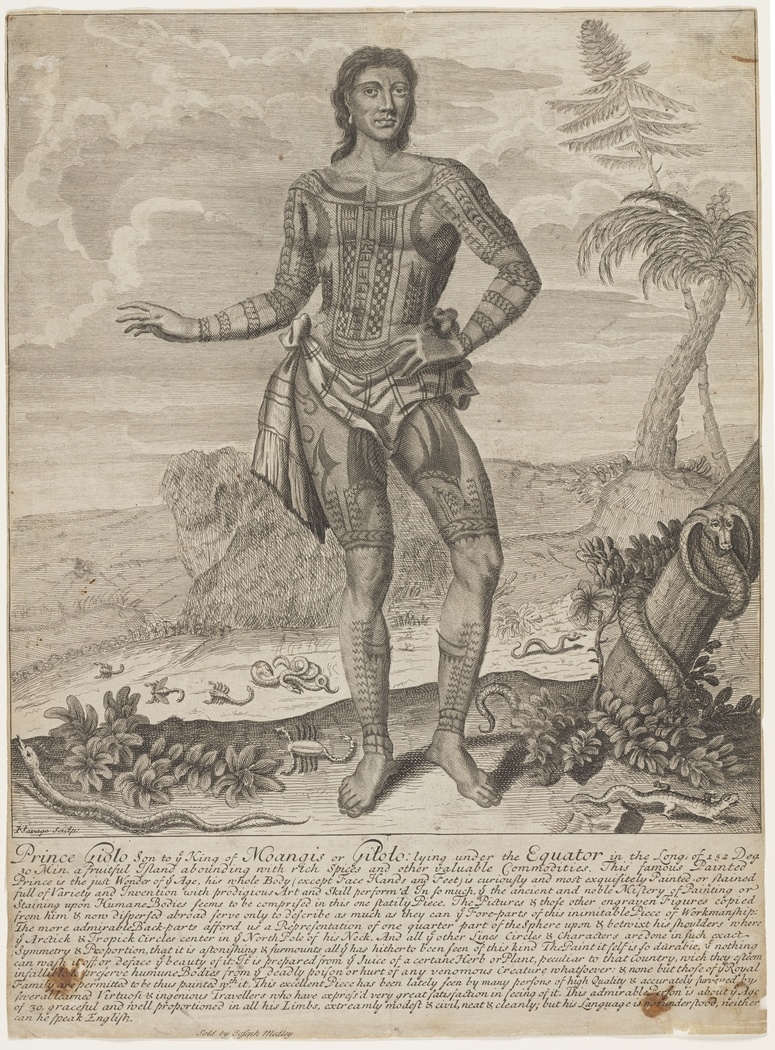
Macho culture and male dominance are still very much alive in the Philippines. According to one government report, “Sexual relations, child bearing and child rearing are still dependent on men as the ultimate decision makers” in Filipino households. In traditional society, men were responsible for doing heavy work such as plowing and caring for irrigation systems and clearing brush.
According to humanbreeds.com: Filipino men stereotypes: Certainly, the stereotypes below do not apply to all Filipino men. However, the occurrences of these situations are so frequent as to justify an entry in my Filipino Stereotypes. Here we go: 1) Filipino men are usually very unfaithful; many might argue that all men from all nationalities do cheat, but the rate at which I encounter stories about broken Filipino families stories is just ridiculous. 2) A great number of Filipino men suffer from gambling and drinking problems. 3) An alarmingly huge number of Filipino men are simply unfit to be good fathers or good husbands. A typically Filipino house is financed by the women… women are the bread earners whereas men are usually immersed in their destructive hobbies of drugs, alcoholism, gambling and adultery. [Source: humanbreeds.com, February 7, 2014]
Gamma posted on Yahoo Answers in 2009: “From what I saw in the Philippines alot of the guys in my age bracket (17-23) try to imitate what they see in American media. However they tend to go to far and end up becoming caricatures rather than truly strong men. Many like to act like bad boy brawlers, but are quick to back down once they actually meet one in person. Also many young Filipino guys are very much into going to the gym and are obsessed with becoming muscle bound freaks. Conversely, the nerds in the Philippines dedicate their whole lives to their study. Their whole identity is based off of their academic achievements, simply because they lack any personality or good looks. They truly believe they will be able to attract good looking, wonderful women through academic and financial success, which is pathetic in my opinion Also there are a large number of men in the Philippines who consider themselves "playboys". However I found their style and way of flirting quite 'bastos' and not smooth at all. Not like the Filipino's over here in my country. However these trends are seen all over the world. It just seems like it is more exaggerated in the Philippines, from what I've seen anyway. [Source: Yahoo Answers]
Regarding the Filipino male, Dr. Lourdes V. Wrote in the 1970s that ‘the ego-ideal for men is that of one who is cool, cautious, inoffensive, pleasant, relaxed to the point of being rather easygoing, incapable of anger except when his amor-propio ... is provoked. His masculinity is definitely and emphatically regarded as intrinsic to this narcissism (self-esteem). Of this masculinity he is quite conscious and proud, and will emphasise it in many subtle and not-so-subtle ways. Outside of this ego-ideal, the Filipino male may appear to some, and in particular to foreigners, as not being masculine enough. He tends to be fastidious about his appearance, particularly his hair and clothes, and have soft and graceful movements. With strangers and in some unfamiliar situations, he may tend to say very little and act even less, which is the antithesis of the American male’s tendency to quickly state his identity and give his opinion. The Filipino will be quiet and will strive to be inoffensive in situations where an American would feel obliged to be more vociferous.’
RELATED ARTICLES:
See Dating Filipino Men Under COURTSHIP, DATING AND LOVE IN THE PHILIPPINES factsanddetails.com
FAMILIES IN THE PHILIPPINES: GODPARENTS, KINSHIP, TIES, STRUCTURE factsanddetails.com
WOMEN IN THE PHILIPPINES: STATUS, STEREOTYPES, MARIA CLARA AND ABUSE factsanddetails.com
ROLES OF WOMEN IN THE PHILIPPINES: MOTHER, DAUGHTER factsanddetails.com
FILIPINA WIVES, NON-FILIPINO MEN AND MAIL-ORDER BRIDES factsanddetails.com
PREGNANCY, CHILDBIRTH AND INFANTS IN THE PHILIPPINES factsanddetails.com
CHILDREN IN THE PHILIPPINES: RAISING THEM, RITES OF PASSAGE, STREET KIDS factsanddetails.com
MARRIAGE IN THE PHILIPPINES factsanddetails.com
DIVORCE IN THE PHILIPPINES: BAN, LAWS, ANNULMENTS, IMPACTS factsanddetails.com
WEDDINGS IN THE PHILIPPINES factsanddetails.com
Gender Roles in the Philippines
Dr. Jose Florante J. Leyson wrote in the Encyclopedia of Sexuality: “The traditional gender roles in Filipino society are strongly influenced by centuries of Islamic culture, Chinese mores, and 425 years of deep-rooted Spanish Catholic traditions. However, since the 1960s, traditional Filipino gender culture has been transformed by tremendous Western - European and American - influences, except in the Muslim-dominated southern islands, which have been much less influenced by Western contacts. Polygamy, the wife as the husband’s chattel, and deferential behavior of women in the presence of men are still strong values in the Muslim-dominated areas. The Muslim ideals of feminine behavior still produce a dependent, inferior, passive, and obedient woman. [Source: Jose Florante J. Leyson, M.D., Encyclopedia of Sexuality, 2001 |~|]
Men are seen as head the head of the family, but women often assume the role of major income or wage earner as well as homemaker and nurturer of their children. Women are just as likely as men to seek and take overseas contract work. There is broad commitment to extended education at secondary and tertiary education for girls as well as for boys, by all families that can afford it. However, in families with limited means, girls are more likely than boys to be asked to defer or sacrifice their own education in order to support the education of younger siblings, especially younger brothers. Although most CEOs of business enterprises are men, this is not exclusively the case. There are many women in senior positions, especially in government departments. Even when the head of a business or enterprise is a man, it is not uncommon to find that it is a woman who really "runs the show". [Source: Canadian Center for Intercultural Learning+++]
The Filipino family is generally classified as egalitarian. Authority is more or less divided between husband and wife. The husband is formally recognized as the head but the wife has the important position of treasurer of the household and manager of the domestic affairs. Since there are more working women now then ever before, today’s Filipina does a balancing act between career and family. +++
Traditional gender roles persist in rural areas. Men cultivate the land, while the entire family participates in planting and harvesting crops. Women work in the garden, care for the house and children, and tend to barnyard animals. In urban areas, men work in construction, maintain machinery, and drive passenger vehicles. Women work as teachers, clerks, sari-sari store owners, produce marketers, and healthcare providers. However, occupational gender lines are blurred since men also work as nurses and teachers. In professional fields, gender is less important. There are women attorneys, doctors, and lawyers in the provinces as well as in urban areas. [Source: Charles Kaut, “Encyclopedia of World Cultures Volume 5: East / Southeast Asia:” edited by Paul Hockings, 1993]
Filipino Men ‘Most Narcissistic in Asia’
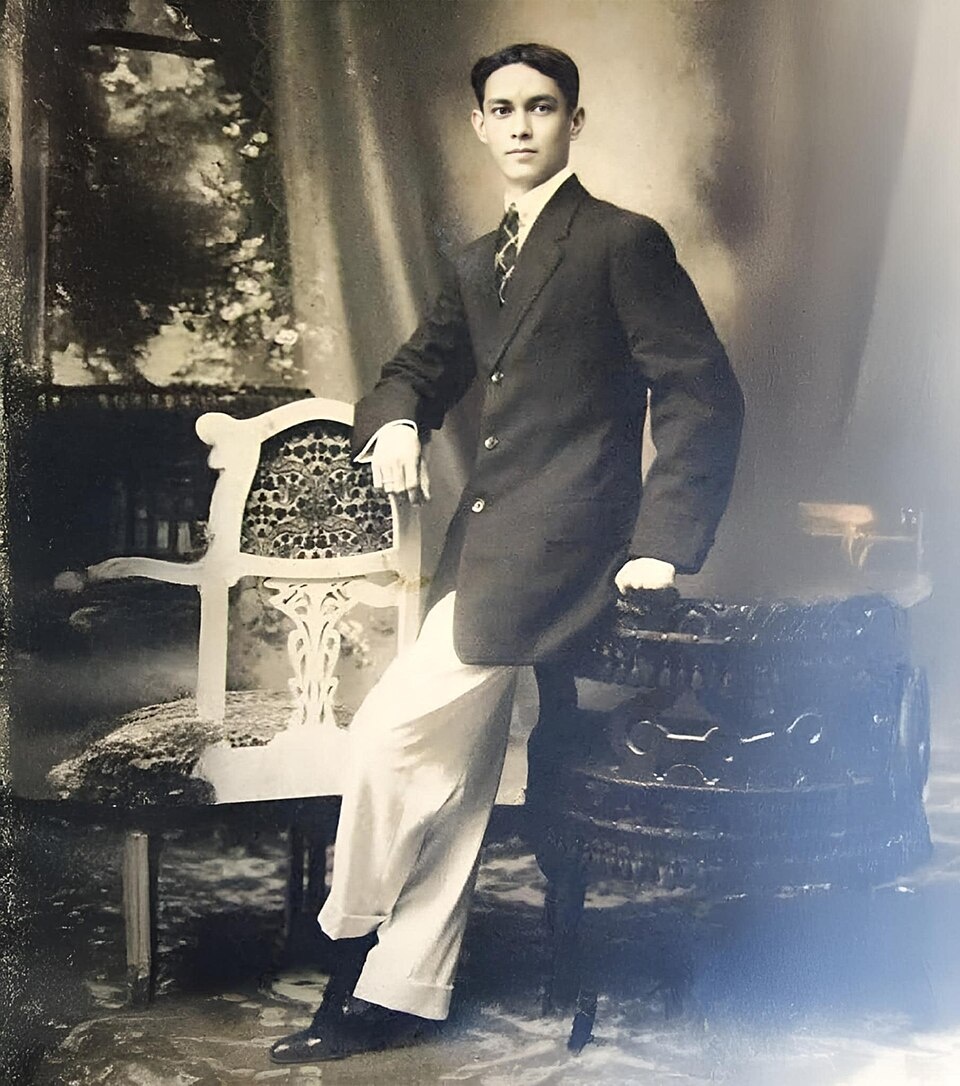
In 2011, Travel Wire Asia reported: “ According to a study from Synovate, Filipino men are the most narcissistic in Asia. A whopping 48 percent consider themselves sexually attractive. And if the ladies reading this think the guys’ encounters with the brow tweazers are for your benefit, sorry — nine out of 10 Filipino men polled said they liked to look good for themselves, not anyone else. By way of comparison, just 25 percent of men in Singapore considered themselves sexually attractive, 17 percent in China and Taiwan and a measly 12 percent of Hong Kong guys think the same. The Synovate survey notes that “the findings have a wide-ranging implication for the marketers of personal grooming products.” Traditionally, it says, “marketers have addressed this market by selling to wives, mothers, sisters, girlfriends. Now, they can go directly to the newly minted beautiful male.” [Source: Travel Wire Asia, April 26, 2011 ~~]
“It’s not difficult to substantiate the survey’s claim. If you have a Filipino male friend, take a peek into his backpack or bathroom cabinet and you will invariably find all sorts of personal hygiene, even beauty, products: toothbrush, toothpaste, perhaps even a mouthwash, an underarm roll or spray, a cologne or perfume, an aftershave perhaps, a comb, a pair of nail cutters, hair gel… If you’re lucky you can probably even find a compact mirror. ~~
“Filipino men are just as finicky about their looks as the women. The “metrosexual” phenomenon has recently caught on in urban centers. Products that used to be marketed only to women are now also being peddled to men, such as Nivea for Men. On its Facebook page for the Philippines, Nivea tells Filipino men: “Hey BROs, how’s the summer vacation preps so far? But first, make sure your skin has the freedom to enjoy under the sun by getting the right sunblock based on your skin tone, skin type, target location and date!” One fan remarked: “I love this stuff — The best way to look good and smell good: Honestly Nivea team — Thumbs up;)” ~~
“The “narcissistic Filipino,” in fact, is now part of popular culture. Movie posters and billboards always feature men in various stages of undress, usually to display washboard abs. One movie star, Piolo Pascual, has made a career out of these advertising endorsements apparently with the stipulation that all of his posters should show his midsection — even if what he endorses has absolutely nothing to do with those abs, like a condominium. Looking at these posters and billboards, you’d think that Filipino men are the healthiest, fittest men on earth. In truth, obesity is rising in the Philippines. Cases of diabetes and other so-called lifestyle diseases, such as hypertension, are on the rise. ~~
Machismo in the Philippines
Macho culture is prevalent on television, in the workplace and in everyday life in the Philippines. One Filipino woman told Newsweek, "our culture teaches that men are to be strong." The roots of the macho lie both in Spanish colonial and traditional familial hierarchal structures. According to Thank God I'm Filipino: “Some male Filipinos are proud and arrogant that they will not accept losing face, particularly in the crowd. They don’t like the idea of being defeated or embarrassed. In some cases, losing face or being humiliated is the cause of street brawls, drinking bouts or even killings in the country.” [Source: Thank God I'm Filipino - TGIF, Facebook, October 8, 2010]
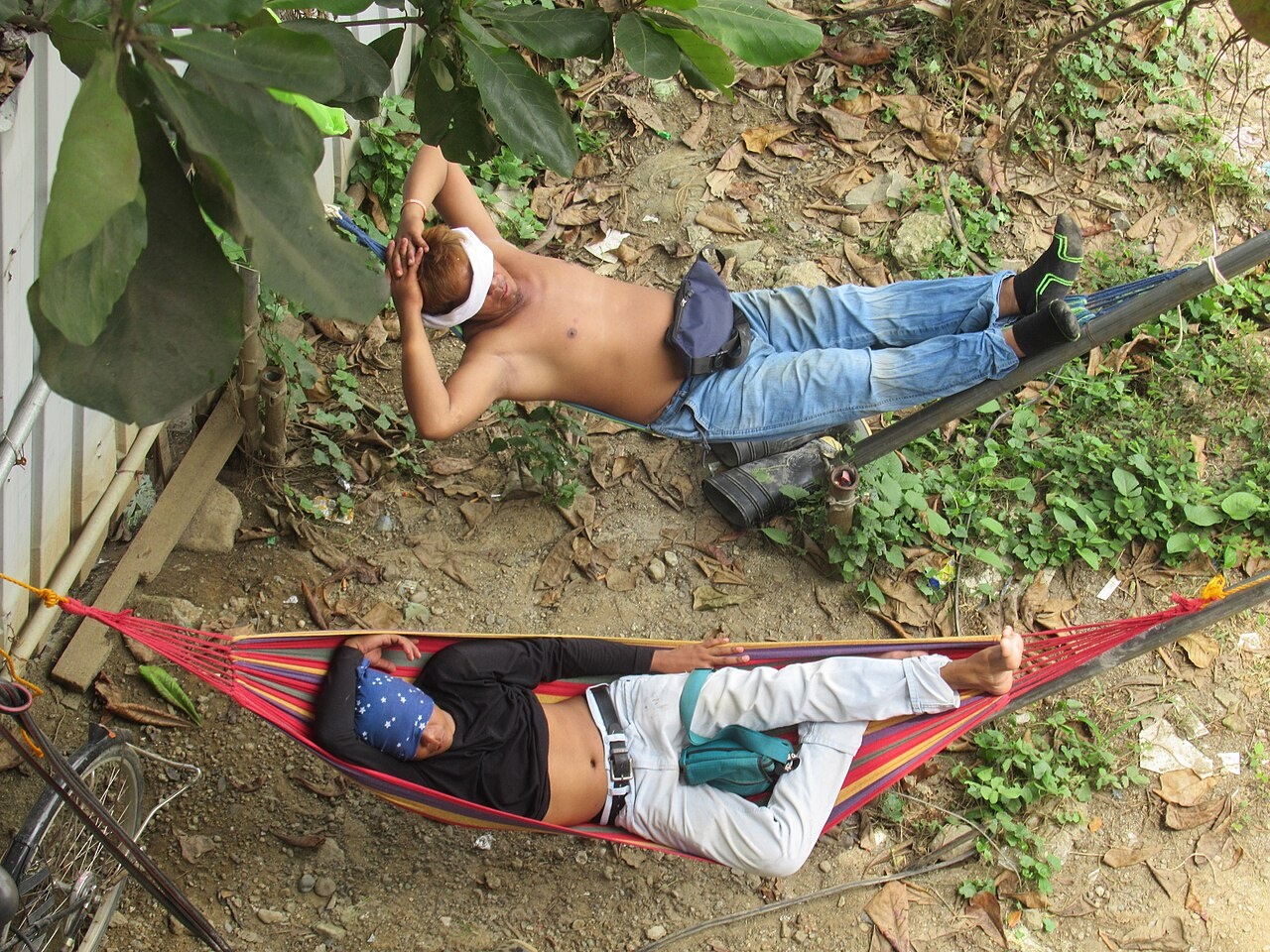
One person asked on Yahoo Answers: I've heard from people that in the Philippines a lot of men like to show others that they are "macho". Nothing wrong with that since men are like that anywhere in the world you may be. But the definition of being "macho" is different from culture to culture. In the Philippines I've seen that being macho means being a heavy drinker or getting your wife pregnant and having a lot of kids. To me that seems more stupid than "macho". Lots of guys in the Philippines think its manly to drink all the time and get drunk. And I've heard that some are proud to have so many children (which they can't afford to support all of them). Also, I've noticed that if you wash the clothes, do the dishes, or cook, then other men make fun of you because that is supposed to be a woman's job. So what is your opinion? What does it mean for a guy to be "macho" in the Philippines? [Source: Yahoo Answers]
To this question Joker answered in 2009: “I'm Filipino but I've been born and raised in the USA for my whole entire life. When I went to the Philippines for the first time, I kept on thinking, "this is a weird country." I mean, karaoke is insanely popular over there, you see skin whitening commercials, there's ALWAYS shampoo commercials, and showbiz is almost like a religion there. Here in the USA, karaoke is considered "not cool" and if you like karaoke, then you're not "macho." Also, here in the USA, caring about showbiz is strictly for girls and gays. If you like showbiz, you are definitely not "macho." So, Philippines is absolutely different than the USA. Most of my Filipino friends in the PI love karaoke, showbiz, and they're sensitive about the color of their skin. I don't consider those "macho" at all.
Around the same time jzer0AVTi_023 answered: “I live in the Philippines and what you've heard about what being "macho" mean in the Philippines is not true. Having a lot of kids is not macho because couples with lots of kids are being laughed at. Heavy drinker men are always judged to be criminals and ex cons although some of them are not. Maybe last 3 decades, what you've heard might be true but not in the modern Philippines. With this great poverty in our country, being macho means being able to help get your family become wealthy, protect your loved ones and having a huge amount of salary.
Erom said: “The Philippines is a 'Macho' society, Patriarchal, and so males have been molded to be the 'ideal ',dominative figure. for me I think it is very old school. But it is slowly changing right now, slowly pinoys are now accepting the 'uncoventional' roles due to necessity, since wives are now going abroad to earn a living, husbands have no choice but to take care of the family. Doing the what used to be a wife-only jobs, and most of them is loving it. Yes it is stupidity to show youre macho by drinking and having lots of children but have no idea how you can support the. but I am happy to say that it is slowly changing.
Gaz commented: “To be macho is to know your place within your family, friends and community and making the most of it. The java programmer who makes 20 peso per hour just to feed his family I would consider macho. An unemployed dad who does what he can for his bread winner daughter (cooks, washes her clothes, drives her to work so that she doesn't have to) is macho, even though he didn't do enough to keep a job in the first place. The CEO uncle who makes the effort to visit his nephews and siblings, and inspires them to make wise choices rather than spoon-feeding them with $$ is macho. A guy that stops grooming, starts drinking and smoking a little, explores the unshaven look just cos someone called him a wuss, is obviously a wimp for believing them.
Role of the Filipino Son
In Filipino culture, the role of a good son is considered one of the most important responsibilities for a man. A man is expected to honor and repay his parents for the sacrifices they made while raising him. Remembering one’s roots and showing gratitude to parents is highly valued. Success in life is not measured only by personal achievements but also by how well a son fulfills his duties toward his family. [Source: “Culture Shock!: Philippines” by Alfredo Roces and Grace Roces, Marshall Cavendish International, 2010]
A successful son is expected to support his parents both emotionally and financially. For example, a poor farmer’s son who becomes a successful professional may buy his parents a house, help expand the family farm, or regularly visit them and provide financial assistance. If his parents helped pay for his education, his obligation to them is considered even greater. In many cases, a professional son also provides services to family members—for instance, a doctor in the family is often expected to treat relatives without charge.
Filipino sons usually remain closely connected to their parents well into adulthood. Most live at home until they marry, and leaving home early often happens only when a son must work to support the family. This responsibility frequently falls on the eldest son, especially if the father is ill, deceased, or unable to provide for the family. In contrast to cultures that emphasize individual independence, Filipino culture stresses family interdependence and shared responsibility.
Adolescence for many Filipino boys tends to be long, as they often remain financially and socially dependent on their parents until they finish college or get married. During this stage, friendships play an important role. Many young people belong to a close peer group called a barkada, whose members spend much of their time together and share common interests, jokes, and social activities.
The barkada exerts strong influence on its members through peer pressure and the desire to belong. Members support one another but may also encourage conformity, sometimes pushing individuals to follow group decisions or behaviors. Because Filipino society values companionship and group belonging, young people often avoid doing activities alone. Both boys and girls form barkadas, and these groups frequently socialize together, providing a common way for young people to meet and interact.
Role of the Filipino Husband
In Filipino society, the husband’s primary role is that of breadwinner. His main responsibility is to provide financial support for his wife and children, and his success as a husband and father is often judged by how well he fulfills this duty. As long as a man supports his family adequately, society may overlook certain personal shortcomings. [Source: “Culture Shock!: Philippines” by Alfredo Roces and Grace Roces, Marshall Cavendish International, 2010]
In some cases, a husband who has a mistress, or querida, may still be tolerated by society if he is able to support both his wife and the other woman. A man who can financially maintain more than one household may even gain a reputation for being masculine or “macho.” However, a man who abandons women he has impregnated and refuses to take responsibility for them or their children is generally viewed as irresponsible and cowardly.
According to studies of Filipino cultural attitudes, masculinity is often associated with two qualities: the ability to father children and a sense of independence from strict marital control. The first is often measured by the number of children a man has, which helps explain why large families have traditionally been valued. Having many children is sometimes seen as proof of a man’s virility.
The second expectation is that a man should appear independent and not dominated by his wife. Filipino men may fear being labeled “under the saya,” a term used to describe a husband who is overly controlled by his wife. Although wives may appear quiet or modest in public, they often play a strong role in managing the household and influencing family decisions.
Because the wife usually oversees the home and domestic affairs, the husband often focuses mainly on providing financially for the family. Household management is generally considered the wife’s domain, and the husband’s role centers on earning income and ensuring the family’s material well-being.
Henpecked Husband: Sad Filipino Phenomenon
Peacefulwifephilippines wrote in her blog: “I don't know if you'd agree with me but I think our Filipino culture breeds hen-pecked, emasculated men. Ander De Saya which in English literally means "under the saya or Filipino skirt" is a Filipino term used on husbands who are dominated by overbearing wives. The mental image conjured is of a man with no "balls", pardon the term, to lead his family. The woman is the "kumander" (commander) of the unit. He has no say, he has no voice and he better not speak his mind or else (!), he will get a good tongue-lashing! [Source: peacefulwifephilippines.blogspot.jp]
“Themes like these are usually for comedic purposes, which sometimes are funny, but in reality is no laughing matter. It only is funny on TV or in movies but is actually not laughable when you see it happening to a LIVE couple, in person. It is actually quite sad. Filipinos have these terms for nagging, noisy women: bungangera, palengkera and chismosa. (talkative, noisy - as in marketplace noisy, gossipy) Not only is it a big turn-off to be these, it also is a huge sin and woe to the husband who finds such a wife!
Role of the Filipino Father
The breadwinner role of the Filipino husband extends into his responsibilities as a father. His primary duty is to provide for the family as well as he can. Many fathers take great pride in being able to send their children to school, and even greater pride if they can support them through college. Education is widely regarded as the most valuable gift parents can give their children. [Source: “Culture Shock!: Philippines” by Alfredo Roces and Grace Roces, Marshall Cavendish International, 2010]
Filipino fathers often become more actively involved with their children when they reach their teenage years. At this stage, the father may take on a stronger role in supervising and disciplining them. As children grow older, the mother’s earlier disciplinary methods—such as threats or promises of rewards—may become less effective, and the father is expected to step in more firmly. Despite this increased involvement, the father’s most important role is still that of provider, a responsibility that continues throughout his life.
Many Filipino fathers also try to establish or expand a family business that can later provide opportunities for their children. Passing on a business or property is seen as an important inheritance and a way for fathers to continue supporting their children even after they are grown. Parents generally feel it is their duty to give their children a better life than the one they had themselves. In this way, some family businesses grow across generations, eventually forming the foundations of well-known family dynasties.
Filipinos also place great respect on elders, who are viewed as keepers of family traditions and connections to the past. In many communities, elders offer advice and may help settle disputes within families or villages. Their experience and knowledge give them an important place in family and community life.
Within the household, the father is often regarded as the head of the family, though in practice this role can sometimes be largely symbolic. Children are taught to treat him with great respect—keeping quiet when he is resting, helping with small tasks, and avoiding actions that might anger him. Much of the daily responsibility for raising the children usually falls to the mother, while the father may appear more distant. In some families, the father also serves as a disciplinary figure whose authority the mother invokes to encourage obedience from the children.
Mistresses and Querida System
The querida system refers to the practice in which a married man maintains a mistress while remaining married to his legal wife. In some cases the relationship may involve supporting the mistress financially or even maintaining a second household. Typically, the man keeps the relationship secret from his wife and the wider public. If the mistress bears a child, the man often provides financial support but may avoid openly acknowledging paternity to protect his reputation and avoid social or professional consequences. [Source: laonlaan.blogspot.jp, June 24, 2010; “Culture Shock!: Philippines” by Alfredo Roces and Grace Roces, Marshall Cavendish International, 2010]
This behavior has sometimes been linked to cultural ideas of machismo, in which masculinity is associated with sexual freedom and the ability to father children. Within certain male peer groups, a man’s reputation for masculinity may be connected to the number of romantic relationships he has or the number of children he fathers. As a result, the practice of keeping a mistress has historically appeared across different social classes, from wealthy professionals to working-class laborers.
For some women, becoming a mistress has been viewed as a temporary arrangement that may provide financial security, especially if a child results from the relationship. A child may create a stronger claim for financial support from the father. At the same time, the relationship can place the woman in a vulnerable position, since a mistress generally lacks the social and legal standing of a wife and may face difficulties later in life if the relationship ends.
Although the practice has existed in Philippine society, it is rarely discussed openly in public because it carries social disapproval. People may acknowledge it privately or in conversation among close friends, but public discussion is usually avoided. In many cases, the existence of a mistress is treated as an unspoken matter, even when it is widely known within a community.
Despite its presence in some situations, the querida system does not carry strong social prestige for the women involved. Mistresses may be treated politely in public but often lack social recognition or respectability. Because Filipino culture places great importance on reputation, dignity, and public acceptance, the role of the mistress remains largely hidden from formal social life, even when such relationships exist.
Bangungut: Sudden Unexpected Death in Sleep (SUDS)
Sudden Unexpected Death in Sleep (SUDS) is a mysterious fatal affliction that visits presumably healthy young men in their sleep, more commonly in the Southeast Asian and Pacific Rim countries and Polynesian populations believed to have migrated from South East Asia centuries ago. First reported in the Philippines in 1917, it has been attributed to bangungot (bangungut - from the Tagalog root words of "bangon" (to rise) and "ungol" (to moan). It is a syndrome wrapped in folklore and myth, that consists of a nightmare, commonly occurring in nocturnal sleep, frequently after a heavy meal that is often accompanied by alcohol, most often in young males, aged 25-44, presumably healthy, without any known cardiac illness. [Source: stuartxchange.com/Bangungot /]
According to stuartxchange.com: “In the Philippines, bangungut (SUDS) has been so linked to gluttonous eating and bacchanalian drinking, to the exclusion of other symptoms or warning signs. Fainting and family history do not raise red flags. But South East Asian studies suggest that a history of fainting with a positive family history increases the chance of dying of SUDS in the next five years. A review of SUDS cases (Munger and Booton) from Death Certificates filed in Manila during 1948-1982 showed the same characteristics: 96 percent male, mean age 33 years, modal time of death 3:00 a.m. The deaths were seasonal, peaking in December-January, and the SUDS victims were more likely than diseased controls to have been born outside of the Manila area. /
A 2003 UP health survey on SUDS among young Filipinos reported 43 deaths per 100,000 annually. How often bangungut becomes fatal is unknown. Many cases are never reported, especially in the rural areas where dying in your sleep is an accepted event in the folklore of death. Many know others who died in their sleep. Many more are 'survivors' of one or more attacks, with descriptive details of bangungot -type nightmares– of sleep paralysis, of falling from a mountain or into a 55 meter deep abyss, of the creature in the dark standing by the bedside. How many of these are actually near-death or near-bangungut experiences or are they merely generic ingredients to culture-flavored nightmares? Although there are witness reports of "moaning, groaning, gasping, choking, frothing, and labored breathing," as often, patients are found dead, in seeming peaceful slumber, without the sounds of terror or any evidence of a terminal struggle. /
In a "macho-culture" with a penchant for drinking, often to oblivion, and accompanying this libatory indulgence with a smorgasbord of "pulutan," pancreatitis became the popular and preferred "point-to diagnosis." In a country with more than 7000 islands and more than 70 indigenous communities, where albularyos and medicos minister to the end-days, diagnosing fainting spells by tawas and treating them with a bulong and/or orasyon, where the night worlds are ruled by the frightful creatures of myths and superstitions – the tikbalangs, kapres, asuwangs, white ladies and pontianaks, where death's ways are accepted with funereal fatalism as God's will, karma, or bangungut. — alas, the true incidence of bangungut / SUDS is probably a-long-time-coming before it gets revealed to the scrutiny of science. /
Bangungot: a Deadly Nightmare or Pancreatitis or Both?
Rebecca Castillo, MD, and Kathy Alcala wrote in the Philippines Star: “Filipinos refer to it as bangungot; a word we associate with scary dreams, possibly an aftermath of watching a horror movie or telling spooky tales before bedtime. However, most of us only have vague ideas about this phenomenon. It was just recently, with the untimely demise of matinee idol Rico Yan, that we begin to realize that bangungot is not just a case of scary dreams one can wake up from. It can actually be a deadly phenomenon, wherein one sleeps straight to his death. In medical terms, it is called "sudden nocturnal death syndrome," the most common cause of which is acute hemorrhagic pancreatitis. [Source: Rebecca Castillo, MD, and Kathy Alcala, The Charter Bureau, philstar.com , April 8, 2002 |+|]
“Acute hemorrhagic pancreatitis or AHP is a severe swelling of the pancreas, a gland that produces digestive enzymes, particularly insulin, to metabolize the carbohydrates that we take in. In AHP, the swelling is so severe that the pancreas literally digests itself. Fatal complications may set in fast within a matter of minutes to a few hours. The disease affects four out of 10,000 people, most of them, men. Eighty percent of pancreatitis cases are related to gall bladder stones or alcoholism. Other agents or drugs such as glucorticoids, thiazide diuretics or acetaminophen, can likewise bring on an acute attack of pancreatitis. An alcoholic binge, coupled with a high carbohydrate intake, has been postulated as a trigger. However, there are also cases of AHP wherein the specific cause or triggering factor cannot be pinpointed. |+|
“Such may be the case of the late actor. Many people have wondered how this young, healthy man, who was recognized as a model of the youth for his intelligence and clean living, would be a victim of this alcohol-related disease. Although science has explained the effects of this disease, its cause and the reason why it mostly strikes young men in their sleep is still one nebulous area. |+|
“Pain is the first and utmost symptom of AHP. The pain, which is felt in the upper mid-abdomen just below the ribs, radiating to the back and under the shoulder blades, is intense, steady and severe. The patient’ s breathing then may become quite shallow because deeper breathing tends to cause more pain. Nausea, vomiting and cold clammy perspiration are all common as well. A patient may also have fever, with an increased heart rate and a low or shocky blood pressure. A fatal arrhythmia or abnormal beating of the heart can hasten the death of the afflicted individual. |+|
“Most of the victims of this disease die in their sleep. One misconception, especially among us Filipinos, is that these people die because they are not awakened from a very horrible dream. The bleeding and intense pain may cause the brain to trigger a series of wake-up calls. Some may be too deep in their sleep because of alcohol that they may not wake up. Some are awakened because of the pain, but may already be too weak to move to seek help. They may make groans or make other noises by banging their bedside table or breaking whatever that can call attention, but because others are deeply asleep, these calls for help are usually unrecognized. |+|
“Complications of AHP are caused by markedly deranged activities in the pancreas. Under normal circumstances, many of the extremely potent enzymes produced by the pancreas are not active until they are passed into the duodenum, where contact with certain other chemicals allow them to activate their digestive function. In pancreatitis, something allows these enzymes to become prematurely activated, so that they actually begin their digestive functions within the pancreas. The pancreas, in effect, begins a destructive process of auto-digestion or digesting itself. |+|
Fatal complications of AHP are generally due to shock. When shock occurs, all of the body’ s major organs are deprived of blood and, therefore, oxygen, resulting in damage. Kidney, respiratory and heart failure are serious risks of shock. The pancreatic enzymes that have begun circulating throughout the body, as well as the poisons created by the abnormal digestion of the pancreas by those enzymes, have severe effects on the major body systems. Any number of complications can occur, including damage to the heart, lungs, kidneys, lining of the gastrointestinal tract and liver. Once the pancreas is triggered to start the fatal process of auto-digesting, the damage is immediate and fast. This is why the chance of survival is relatively slim for AHP victims. When necrosis, or the presence of dying pancreatic tissues, and bleeding are already present, majority of patients may die even in the best of hands and facilities. |+|
Image Sources: Wikimedia Commons
Text Sources: “Encyclopedia of World Cultures Volume 5: East/Southeast Asia:” edited by Paul Hockings, 1993; “Culture Shock!: Philippines” by Alfredo Roces and Grace Roces, Marshall Cavendish International, 2010; National Geographic, Live Science, Philippines Department of Tourism, New York Times, Washington Post, Los Angeles Times, Smithsonian magazine, Encyclopedia.com, Library of Congress, The Conversation, The New Yorker, Time, BBC, CNN, Reuters, Associated Press, AFP, Lonely Planet Guides, Google AI, Wikipedia, The Guardian and various websites, books and other publications.
Last updated March 2026