
PREGNANCY CUSTOMS IN THE PHILIPPINES
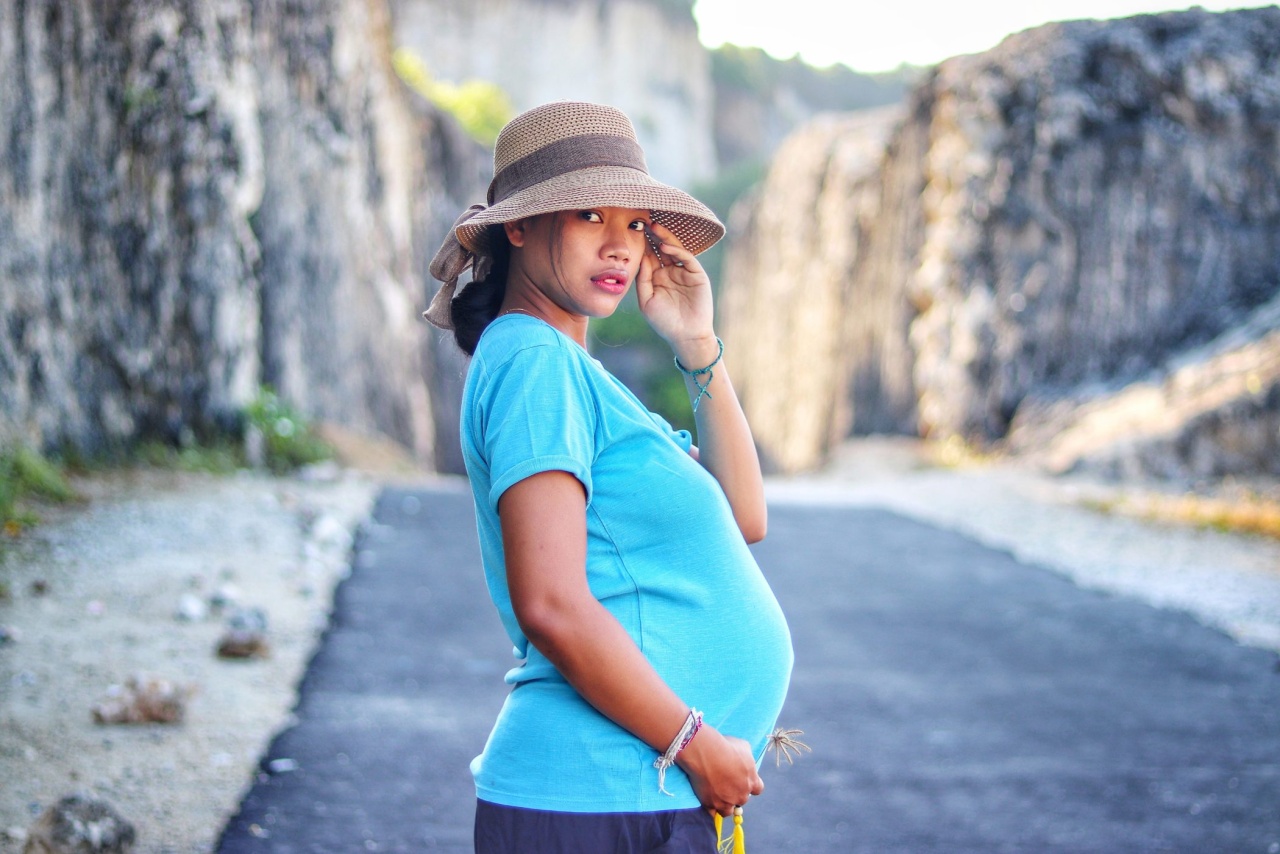
Beliefs about a child’s life begin even before birth with the concept of lihi, which refers to the unusual cravings or aversions a pregnant woman may experience. A woman may suddenly crave particular foods—such as green mangoes—even at inconvenient times, and a caring husband is expected to satisfy these wishes. Many people believe that the physical qualities of the desired object may influence the child’s appearance or temperament. [Source: “Culture Shock!: Philippines” by Alfredo Roces and Grace Roces, Marshall Cavendish International, 2010]
A blonde, blue-eyed American visiting a barrio finds himself the focus of attention of pregnant women, some of whom touch him and giggle. This does not mean that he is a sex symbol, nor is he being ridiculed. Filipinos believe that a child's physical qualities in the womb can be influenced by the mother’s peculiar prenatal cravings and obsessions. Many desire for their child to have fair skin.
From pregnancy through early infancy, Filipino parents often believe they can influence a child’s character. A husband’s willingness to indulge his wife’s cravings is seen as an act of care for both mother and unborn child. At the same time, pregnant women may develop unusual dislikes, sometimes even toward their husbands, and these emotional reactions are also thought to shape the child’s personality. For example, if a mother becomes irritated with her husband during pregnancy, some people say the child may grow up resembling the father in temperament.
After birth, traditional practices continue to reflect beliefs about shaping a child’s future. Some families bury the placenta or store the umbilical cord in special places as symbolic acts meant to influence the child’s destiny. For instance, placing the placenta in a stream is sometimes believed to make the child a wanderer, while burying it with items such as a pencil or newspaper may symbolize hopes that the child will become intelligent or educated. Practices may vary between rural and urban areas. In rural communities, traditional customs such as burying the placenta beneath the family home are still observed in some places. In urban areas, however, childbirth practices tend to focus more on modern medical care and health procedures for newborn infants.
RELATED ARTICLES:
CHILDREN IN THE PHILIPPINES: RAISING THEM, RITES OF PASSAGE, STREET KIDS factsanddetails.com
FAMILIES IN THE PHILIPPINES: GODPARENTS, KINSHIP, TIES, STRUCTURE factsanddetails.com
WOMEN IN THE PHILIPPINES: STATUS, STEREOTYPES, MARIA CLARA AND ABUSE factsanddetails.com
ROLES OF WOMEN IN THE PHILIPPINES: MOTHER, DAUGHTER factsanddetails.com
FILIPINA WIVES, NON-FILIPINO MEN AND MAIL-ORDER BRIDES factsanddetails.com
FILIPINO MEN: MACHISMO, HENPECKED HUSBANDS AND SUDDEN UNEXPECTED DEATH factsanddetails.com
MARRIAGE IN THE PHILIPPINES factsanddetails.com
COURTSHIP, DATING AND LOVE IN THE PHILIPPINES factsanddetails.com
DIVORCE IN THE PHILIPPINES: BAN, LAWS, ANNULMENTS, IMPACTS factsanddetails.com
WEDDINGS IN THE PHILIPPINES factsanddetails.com
Study on Prenatal Customs in the Philippines
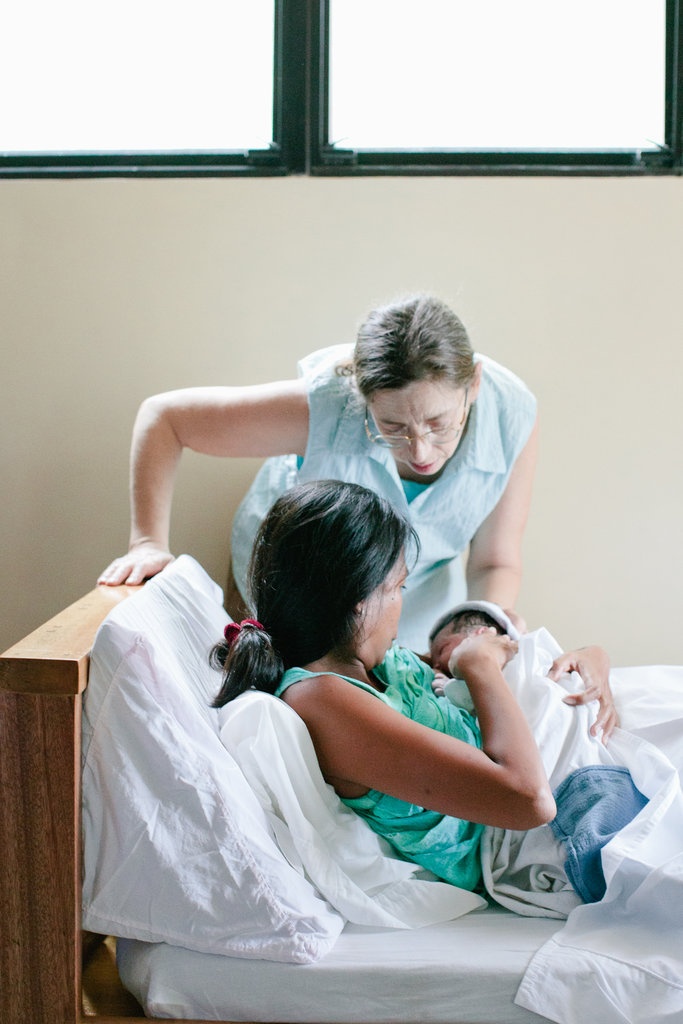
A study on pre-natal and infant care customs by the University of Hawaii found: In the Philippines “both the traditional and modern day approaches have come together in what the women now view as a new baseline of traditional practices, which consists of a mixture between traditional Filipino customs and the influence of other cultural and modern day practices. Each Filipino woman interviewed “differed in how she found out she was pregnant. One woman was told that she had a "mother's glow," another was told she was four months pregnant by a massage therapist, and the last woman experienced nausea. Upon finding that they were pregnant, these woman turned to Health Care professionals (Doctor or Nurse Midwife) for Prenatal care. During health screenings, their significant others or close family member were able to actively participate. [Source: hawcc.hawaii.ed, November 5, 2008 ]
Traditional prenatal customs, practices and beliefs in the Philippines have included: 1) The people a woman turned to for prenatal care were midwives and women who were experienced in child birth. 2) During health screenings, the woman was not accompanied by her significant other, instead she was accompanied by a female family member.
To encourage the well being of both the mother and her child: 1) The mother was encouraged to eat lots of rice, Mungo Beans (Balatong), and Pinakbet (Vegetable Soup) to promote healthy eating. 2) She was also encouraged to eat raw eggs to build strength for labor, pigs tail to promote fetal movement, and Calamansi (a small tropical citrus fruit) so that the newborn's face would be smooth. 3) She was advised to refrain from eating taro because it would cause her perineal area to become itchy. 4) A mother was discouraged from wearing anything around her neck because it would cause the fetus' umbilical cord to wrap around it's neck. 5) She was advised not to watch scary movies because it could cause her to go into pre-term labor. 6) She was also advised not to think negatively towards a person because it would cause the baby to resemble that person.
7) It was believed that cleaning the toilet would cause the baby to be cute. 8) If a mother was told that her child was in the breech position, her significant other should walk down a flight of stairs, on all fours, with the head down so that the fetus would turn and be born normally. 9) The mother was restricted from walking outside without footwear to prevent her from becoming ill. 10) A mother was restricted from wearing tight-fitted clothing because it could cause the fetus to become handicapped. 11) A mother was told to rub coconut oil onto her abdomen to prevent the formation of stretch marks.
To determine if the child would be male or female: A) For a boy: 1) The mothers stomach was set high and is pointy in contour. 2) The mother retained her beauty throughout her pregnancy. 3) When walking, the mother would step with her left foot first B) For a girls: 1) The mothers stomach is set lower and is more round in contour. 2) Malasma (the mask of pregnancy) or swelling occured because it was said that the mothers beauty was given to/stolen by her child. 3) When walking, the mother would step with her right foot first.
To promote the well being of both the mother and her child, these women: 1) Maintained a healthy diet and refrained from eating fast foods; 2) Took prenatal vitamins prescribed by their health care provider; 3) Attended routine visits with their physician; 4) Exercised, not only to maintain their health, but also to help in the ease of child birth.
These women also carried on some of their cultural traditions such as: 1) Eating a lots of rice, Mungo Beans (Balatong), and Pinakbet (Vegetable Soup) to promote healthy eating. 2) Making sure not to wear anything around the neck because it would cause the fetus' umbilical cord to wrap around it's neck. 3) Not watching scary movies to prevent from going into pre-term labor. 4) Making sure not to think negatively towards a person to prevent from the baby resembling that person. 5) Always wore footwear outside to prevent from becoming ill. 6) Rubbed coconut oil onto the abdomen to prevent the formation of stretch marks.
Filipino Pregnancy Myths
Myth No. 1: "Paglilihi" or Pregnancy Cravings: Many Filipinos, to this day, believe that what you eat and crave for during pregnancy has a direct influence on the physical attributes of the baby. However, scientific studies prove that there is no link between paglilihi and the unborn baby's physical attributes. As Genetics tell us, our physical attributes are inherited from our parents' and grandparents' set of genes and not from food cravings. [Source: anmum.com.ph]
Myth No. 2: Post-labor Stomach Binding: It is a common practice for Filipina women to bind their abdomen tightly after pregnancy, believing that this practice helps the uterus to retract and gets the stomach back into shape. However, scientific evidence suggests otherwise. Tying a cloth around one’s tummy can put pressure on the uterus, causing it to bleed. It can also lead to further complications, especially if you’ve experienced a C-section. Evidence also suggests that a combination of diet and mild exercise is the best way to get back into shape after pregnancy.
Myth No. 3: Eating twin bananas may lead to twins: This myth has many variations, with some claiming that bananas lead to regular twins while others insist on Siamese twins, which is a serious condition wherein twins are born with part of their bodies joined together. However, this myth has no scientific basis, as twin development happens purely by chance or because of your genes (for non-identical twins).
Myth No. 4: "Usog" or the Stranger's Evil Eye: Usog is an age-old Filipino superstition. The belief states that discomfort (fever, bloating, nausea/vomiting) is brought to the baby by a stranger or visitor who is said to have an evil eye. A simple greeting from the visitor is said to be enough to cause this curse. To counter the curse, the stranger would need to say "pwera usog" while licking his thumb and applying saliva while tracing a cross on the infant's forehead. Despite having no scientific basis or proof regarding the occurrences of usog, many superstitious Filipinos believe in the practice to this date. However, this superstition lacks scientific proof.
Despite the fact that many Filipino superstitions and myths lack scientific explanation, many mothers-to-be still follow them by the letter for two reasons: the “better to be safe than sorry” mentality, and out of respect for the elders or tradition. Some of these superstitions are harmless, but do take extra care and always consult with your OB-gyne before subjecting yourself or your baby to any healing or cleansing rituals. Keeping a healthy balance between modern medicine and Filipino culture will ensure a safe and healthy pregnancy.
See Conception, Pregnancy and Birth SuperstitionsUnder SUPERSTITIONS IN THE PHILIPPINES factsanddetails.com
Labor and Delivery in the Philippines
According to the University of Hawaii study: Traditional ways during the labor and delivery of the child include: 1) Women from previous generations gave birth within their own homes. 2) Aside from the person who was to delivery the baby, only woment of the family were present during labor and delivery. 3) Ginger was either applied onto the stomach or boiled in water for the woman to drink to help ease the pain. 4) The women endured the pain silently. 5) The placenta was buried or hung, with the child's name written on a piece of paper so that he/she would become intelligent. 6) The umbilical cord was wrapped in cotton and hung over a window to prevent the child from having colic or frequent stomach aches. 7) Families preferred to have boys born first, so that once old enough, he could help with the family farm. [Source: hawcc.hawaii.ed, November 5, 2008 ]
Three of the four women interviewed, chose the modern day approach of giving birth in a hospital setting , while the fourth woman opted for a home birth with the guidance of a lay mid-wife and other female family members. One women stated that she remained silent throughout her labor and delivery, and also endured the pain naturally, while the others received the epidural. Half of the women interviewed stated that they wished for girls to be born first, while the other half did not have a preference of whether the first child was to be a boy or girl. These women stated that although they chose the modern day approach, they still carried on some of the Filipino traditions.
Delivering in a hospital setting greatly influenced the traditions that were practiced by the Filipino culture. During the era of these women, the number of people allowed into the birthing room were restricted to the spouse and medical staff members. Allowing the placenta to be given to the mother was never discussed during labor and delivery.
Mothers and Infants in the Philippines
Infants spend their waking time in someone's arms until they can walk. They are part of every activity and learn by observation. Someone will remain in the room with them when they sleep. Infant mortality is high, and so great care is taken of babies. Helpers and older sisters assist with the dayto-day care of babies. A child's first birthday is celebrated with a party. [Source: everyculture.com /=/]
According to the University of Hawaii study: “Because modern day post partum practices were more lenient, unlike prenatal and labor and delivery, much of the care during the post partal period reflected the traditional customs. These women still had a recovery period of one month with other family members assisting in cleaning and cooking so that they could have the time to heal and rest in bed. When in need of guidance, these women followed their custom and turned to experienced women in the family, but have also included the support of their significant other. Some refrained from hair washing for about one month to prevent excessive heat loss, which would cause the head to shake. [Source: hawcc.hawaii.ed, November 5, 2008 ]
They refrained from bringing the newborn out for about a month and only drank warm water to prevent illness. Their children carry on the tradition of using their mother's maiden name as their middle name and using their father's last name as their own. Some of these children's names were a combination of both their parent's names. Some parents chose to use names of grandparents to ensure a name passes on from generation to generation or to honor a grandparent. The only custom that was not followed was the lighting of small fires around the bed while the mother and newborn were in it, which was believed to promote strength as the mother healed and the newborn grew.
When asked how they felt regarding their experience with pregnancy, compared to women of previous generations, these women replied that they felt they were more fortunate in their experience due to having the aid of technology and advanced knowledge of modern day practices. These women were able to receive care from health care professionals, where as women from previous generations could only be aided by unlicensed midwives or other women experienced in child birth.
Philippines’ Baby Factory
More than 17,000 babies a year are born at at Dr. Jose Fabella Memorial Hospital in Manila, the largest women's hospital in the Philippines. It is also the nation's busiest hospital and is known by the nickname, "Baby Factory." Kenneth R. Weiss wrote in the Los Angeles Times: “In the delivery room that day, teams of doctors and nurses had their hands full with two births in progress. A half-dozen women in various stages of labor waited on gurneys. In the hallway, wheels clacked across the white tile floor. A gurney burst into the delivery room led by a nurse holding a newborn in outstretched hands. A coiled umbilical cord connected the blue-tinged baby to a woman lying on her back, hair matted. She had just arrived by cab. The newborn girl couldn't wait. [Source: Kenneth R. Weiss, Los Angeles Times, July 22, 2012 |::|]
“Dr. Maria Lu Andal moved in to clear the baby's airways and snip the cord. The baby began to cry, turning bright pink as a crew of assistants swarmed mother and child, swabbing, draping, measuring and tagging. In a room nearby, newborns lay shoulder to shoulder on tables for nurses to weigh and measure. Oversize recovery rooms contained rows of worn metal beds, each shared by two mothers and their newborns. In the neonatal unit, 68 babies lay in incubators, many of them dangerously premature. On average, about a third die, doctors said. |::|
“Andal, in dark green scrubs, a hairnet and mask, recalled that she once delivered 36 babies in a four-hour shift. "It's like an assembly line," said Dr. Ruben Flores, who directs the hospital and its 1,200 employees. "It never stops." This was the quiet season. Only 63 babies were delivered this day, about half the hospital's capacity. "That's what they say: It's a baby factory," Flores said. "But I say, we didn't produce the babies. We just deliver them. These babies were produced at home." |::|
Thousands of Filipino Mothers Breast-Feed Simultaneously
In May 2007, “Thousands of Filipino mothers simultaneously breast-fed in day-care centers and hospitals in a campaign to counter advertising claims that artificial baby foods are better than breast milk. Teresa Cerojano of Associated Press wrote: “Breast-feeding advocates, social welfare officials and UNICEF spearheaded the event that hopes to set the first Guinness record for the most mothers breast-feeding in multiple locations. A partial, unofficial count showed at least 3,608 mothers took part nationwide, according to the organizers' Web site and Felix Armenia, an official of the Department of Social Welfare and Development. [Source: Teresa Cerojano, Associated Press, May 2, 2007]
"We need every possible way to get the message out that Filipino mothers should breast-feed exclusively for six months and then continue to breast-feed for two years and beyond with household foods," said Dale Rutstein, UNICEF's spokesman. "Unfortunately, through advertising, most Filipino mothers now believe that artificial forms of foods for babies are actually better than breast milk," he said. A UN expert in February criticized milk companies and a Philippine pharmaceutical association for "deceptive and malicious" advertising practices aimed at selling infant formula in the country. Jean Ziegler, the Geneva-based UN food rights expert, said aggressive marketing practices by milk companies were misleading the public by claiming that breast-feeding cannot be done by a majority of women and that their consumer products raise healthy, smart and happy babies.
In 2003, the World Health Organization estimated that 16,000 children below 5 died in the Philippines due to improper feeding practices, including use of infant formula. Today, only 16 percent of Filipino children between 4 and 5 months old are exclusively breast-fed while 13 percent of mothers do not breast-feed at all, believing they do not have enough milk, according to UNICEF. Last year, the city of Manila, in partnership with breast-feeding advocates, broke the Guinness record on simultaneous breast-feeding in a single site when 3,541 mothers gathered at a sports complex. That event broke the previous record of 1,130 mothers breast-feeding simultaneously in Berkeley, California, in 2002.
Newborn Baby Found Alive in Airplane Garbage Bag at Manila Airport
In September 2010, a newborn baby was found at Manila airport in a garbage bag taken from a flight that arrived from the Middle East after his mother gave birth to him in the airplane restroom then abandoned him. Associated Press reported: “The baby boy, covered in blood and wrapped in tissue paper, was found by an airport security officer in a garbage bag unloaded from the plane that arrived from Bahrain. He was brought to an airport clinic, where doctors and nurses examined him and cleaned him, wrapped him in cloth and gave him a bottle of milk, airport officials said. "When we initially saw the baby, his color was not right. His color should be pinkish," airport doctor Maria Teresa Agores told reporters. But after the baby was cleaned, "he regained his natural color." He also let off a soft cry, nurse Kate Calvo said. "He was healthy, his vital signs were OK according to our doctors," she added. [Source: Associated Press, September 12, 2010 ]
“A security officer noticed something moving in a garbage bag that was reportedly unloaded from a Gulf Air plane that arrived from Bahrain and found the baby inside, an airport statement said. The baby, given the name George Francis after Gulf Air's code name GF, was later turned over to social workers at the Ninoy Aquino International Airport. Social Welfare Secretary Corazon Soliman she was angered by what happened, adding that police had been ordered to search for the infant's mother, who could be criminally charged. "I was simply outraged, no infant should be treated that way," Soliman said. She said the baby will be turned over to the mother's relatives — if they can be identified and located — or put up for adoption. Doctors who attended to the baby said he looked Filipino, fueling speculation in local media that the boy's mother could be a domestic worker in the Middle East.
Four days later, Jim Gomez of Associated Press wrote: “Investigators questioned the suspected Philippine mother of a baby found alive in the trash of a Bahrain-to-Manila flight, after tracing the passenger assigned to a bloodstained seat on the plane. Social Welfare Secretary Dinky Soliman said authorities planned DNA tests on the baby, who apparently was born during the weekend flight, and the 30-year-old woman, who was tracked down in a remote northern province. "We want to be very sure that we won't ascribe this act to the wrong person," Soliman told The Associated Press. [Source: Jim Gomez, Associated Press, September 16 2010]
“The the six pound, nine ounce (three-kilogram) newborn - still attached to placenta - was wrapped in tissue paper. Airport officials said the baby, already bluish in color, may have died within a few minutes had he not been found. About 20 couples, including some from abroad, have offered to adopt the boy, she said.
“The suspected mother was traced to the northern province of Apayao from a name on the flight manifest for a bloodstained seat near a toilet on the flight. Apayao police chief Nestor Bergonia said the woman had apparently just arrived from abroad and has a Filipino husband. The woman, who was provided a government lawyer, refused to talk when authorities began to question her. Local media have speculated that the mother could be one of the many Filipino women who work as maids in the Middle East. About one in 10 Filipinos works abroad, many as domestic workers and laborers in the Middle East, to escape crushing poverty and unemployment at home.”
Image Sources: Wikimedia Commons
Text Sources: “Encyclopedia of World Cultures Volume 5: East/Southeast Asia:” edited by Paul Hockings, 1993; “Culture Shock!: Philippines” by Alfredo Roces and Grace Roces, Marshall Cavendish International, 2010; National Geographic, Live Science, Philippines Department of Tourism, New York Times, Washington Post, Los Angeles Times, Smithsonian magazine, Encyclopedia.com, Library of Congress, The Conversation, The New Yorker, Time, BBC, CNN, Reuters, Associated Press, AFP, Lonely Planet Guides, Google AI, Wikipedia, The Guardian and various websites, books and other publications.
Last updated March 2026