
LGBTQ PEOPLE IN THE PHILIPPINES
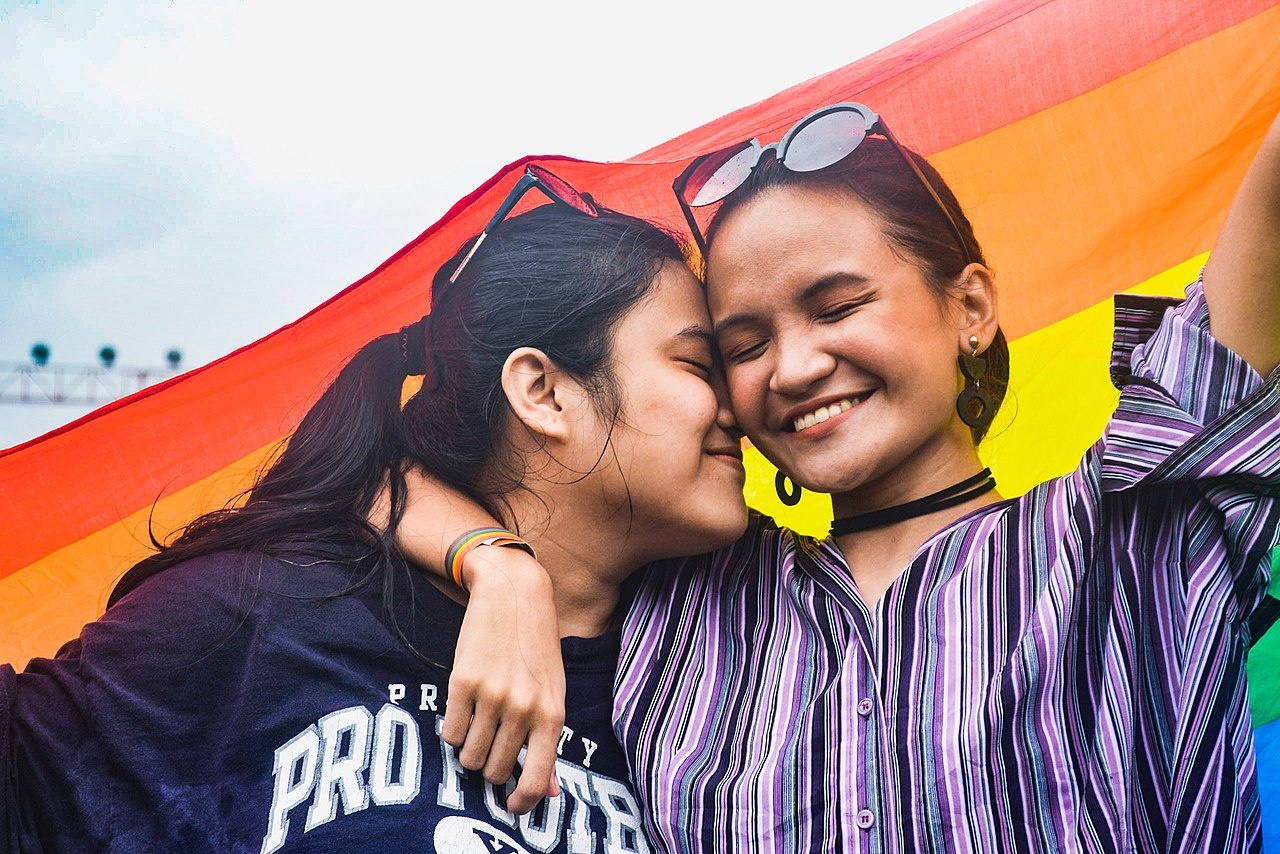
Deeply Catholic Philippines is surprisingly welcoming to LGBT people. In 2023, more than 110,000 attendees gathered at Quezon City’s Pride festival, making it the largest LGBT event in Southeast Asia. The country also ranked highest in the region for LGBT social acceptance in a 2021 global index, reflecting gradual progress toward inclusivity and equality over the years. [Source: Chad de Guzman, Time, June 30, 2023]
Gays are called bakla in the Philippines. They have generally been treated with a degree of tolerance. While they are sometimes the subject of humor, this rarely translates into harsh condemnation of their behavior. Much like other aspects of social life that remain understated, expressions of homosexuality have often been more subtle, with more visible forms—such as cross-dressing—typically met with amusement rather than hostility. It is also important to note that certain forms of physical closeness between men, such as putting an arm around another’s shoulders or holding hands, are culturally understood as expressions of friendship rather than indicators of sexual orientation. [Source: “Culture Shock!: Philippines” by Alfredo Roces and Grace Roces, Marshall Cavendish International, 2010]
Within Philippine society, homosexual individuals have long occupied recognizable social spaces and roles. The term is often used broadly, encompassing a range of identities, with male homosexuals being particularly visible, though lesbian women are likewise accepted. The bakla—a man who adopts feminine mannerisms or presentation—has frequently appeared in popular media as a source of comic relief. At the same time, many have played influential roles in shaping aesthetic and cultural tastes, working as fashion designers, stylists, interior decorators, architects, and beauty professionals. Their perspectives are often highly valued, especially in areas related to style and design.
As a result, they are deeply integrated into everyday life in the Philippines. Many are known for their distinct linguistic style, often referred to as swardspeak, as well as their expressive personalities. They are commonly perceived as sociable and entertaining, and are often close companions to women, sometimes serving as trusted confidants. Interactions with men may include playful teasing and banter, which, in most cases, is not intended to be hurtful but reflects a level of familiarity and social acceptance.
In the 2001 Time sex survey, 41 percent of men and 38 percent of women said that bisexuality was acceptable and 16 percent of men and 6 percent of women said they had slept with somebody of the same sex.
RELATED ARTICLES:
SEX IN THE PHILIPPINES: HISTORY, INFLUENCES, STORIES factsanddetails.com
MARRIAGE IN THE PHILIPPINES factsanddetails.com
COURTSHIP, DATING AND LOVE IN THE PHILIPPINES factsanddetails.com
SEXUAL PRACTICES IN THE PHILIPPINES: AFFAIRS, ADOLESCENCE, ORAL SEX factsanddetails.com
APPEARANCE IN THE PHILIPPINES: BEAUTY, HYGIENE, TATTOOS factsanddetails.com
CLOTHES IN THE PHILIPPINES: MEN'S, WOMEN'S, TRADITIONAL GARMENTS factsanddetails.com
SEX EDUCATION, PORNOGRAPHY, COUNSELING AND SEX RESEARCH IN THE PHILIPPINES factsanddetails.com
PROSTITUTION IN THE PHILIPPINES factsanddetails.com
SEX CRIMES IN THE PHILIPPINES factsanddetails.com
CHILD PROSTITUTION AND PORNOGRAPHY IN THE PHILIPPINES factsanddetails.com
Views on Homosexuality in the Philippines
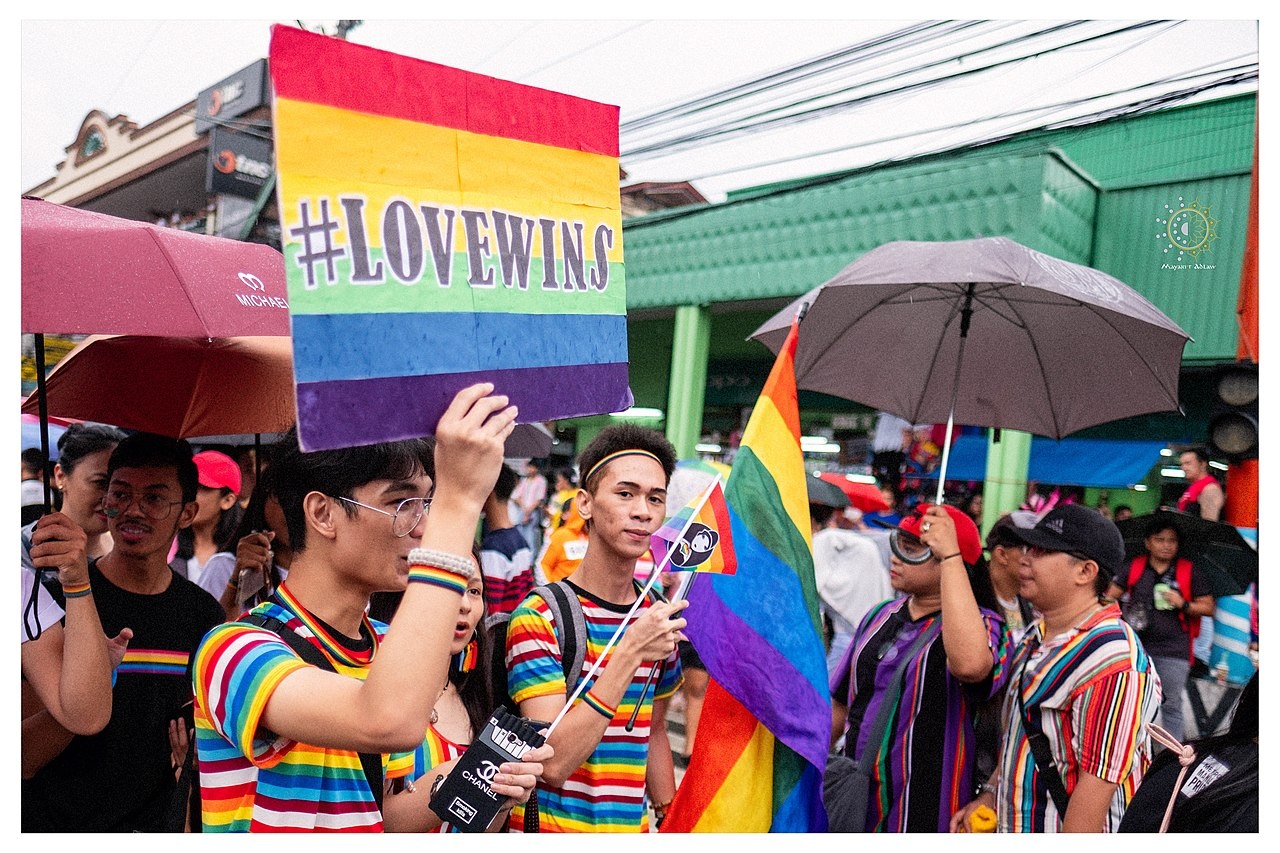
Dr. Jose Florante J. Leyson wrote in the Encyclopedia of Sexuality: “Early Christian and Muslim colonists brought their religious views of homosexuality as either sinful or at least unnatural and immoral. Today, the Philippines is still, to a large extent, a macho society, and macho men detest gays, whom they see as effeminate and “strange.” For a majority of the population, including locally trained physicians, psychologists, and social workers, homosexuality is viewed as a perversion and a disease. Teenagers who feel a strong attraction to persons of their own gender at first experience confusion about their feelings and sexuality. Gradually, as their orientation becomes clearer in their minds, they awake to the unpleasant reality of belonging to a group that Filipino society marginalizes. [Source: Jose Florante J. Leyson, M.D., Encyclopedia of Sexuality, 2001 |~|]
“Homosexuality in the Philippines, however, is increasingly being tolerated, and a gay movement is gaining strength and demanding their rights. Twenty years ago, this would have been unthinkable. The scorn for gays is stronger among low- and middle-class men than in the upper class. There always were artists, beauticians, fashion designers, writers, and medical and dental professionals whose homosexuality was known among the elite, but which was carefully kept out of scrutiny from the media and the masses. Lesbians are still not too visible in Filipino society, in keeping with the Christian and Victorian tradition, which never wanted to think about sexual activities in a relationship between two females. To be gay or lesbian in a repressive environment whose stereotypes are the macho man and the submissive reproductive woman is not an easy task. Anyone who deviates from strict heterosexual behavior is ridiculed: A gay is not a man and a lesbian is a degenerate woman. The Filipino Armed Forces does not allow gays to join the military and expels them when they are discovered. |~|
“To be bisexual, however, is not so annoying, as long as one’s same-gender behavior is kept very private. In the early 1970s, it was common for Filipinos to identify or classify two types of gays: those who engage in homosexual sex activities and those who act effeminate but do not engage in homosexual acts. However, in the early 1990s, the former group has been active in promoting gay rights for the whole gay community. Although the “Gay Organization for Liberty and Dignity” is not yet a formal organization, they speak for both the visible and the invisible, helping the latter to openly assume their identities. Part of the emergence of gay and lesbian subcultures are masseurs who advertise their services in the most important papers and magazines and in metropolitan “gay” bars, discos, and hair salons. Some vocal gay groups lobby to influence politicians for future legal status and/or political clout. |~|
“Most Filipino gays prefer to mix with the heterosexual mainstream in their own social class and not form exclusively or predominantly homosexual neighborhoods. Those who have a well-defined and highly visible economic or political role are still in the closet. The same is true for members of the Armed Forces and the clergy. To admit their homosexuality would be unthinkable or suicidal. On the other hand, among artists, writers, movie producers, TV personalities - actors, dancers, some doctors and dentists, and university professors, to openly admit they are gay may bring rejection from the most conservative members of society, but they may end up being accepted and sometimes even see their popularity increase. In the medical community, homosexuality is still generally viewed in Freudian terms, as a condition originating in conflicts and childhood sexual conflicts, which can be cured by psychotherapy. Whereas members of the locally trained medical community, with limited experience abroad, view homosexuality as a violation of the laws of nature, the general public continues to believe that homosexuality is a result of growing up effeminate in a family without a masculine image or male role model.” |~|
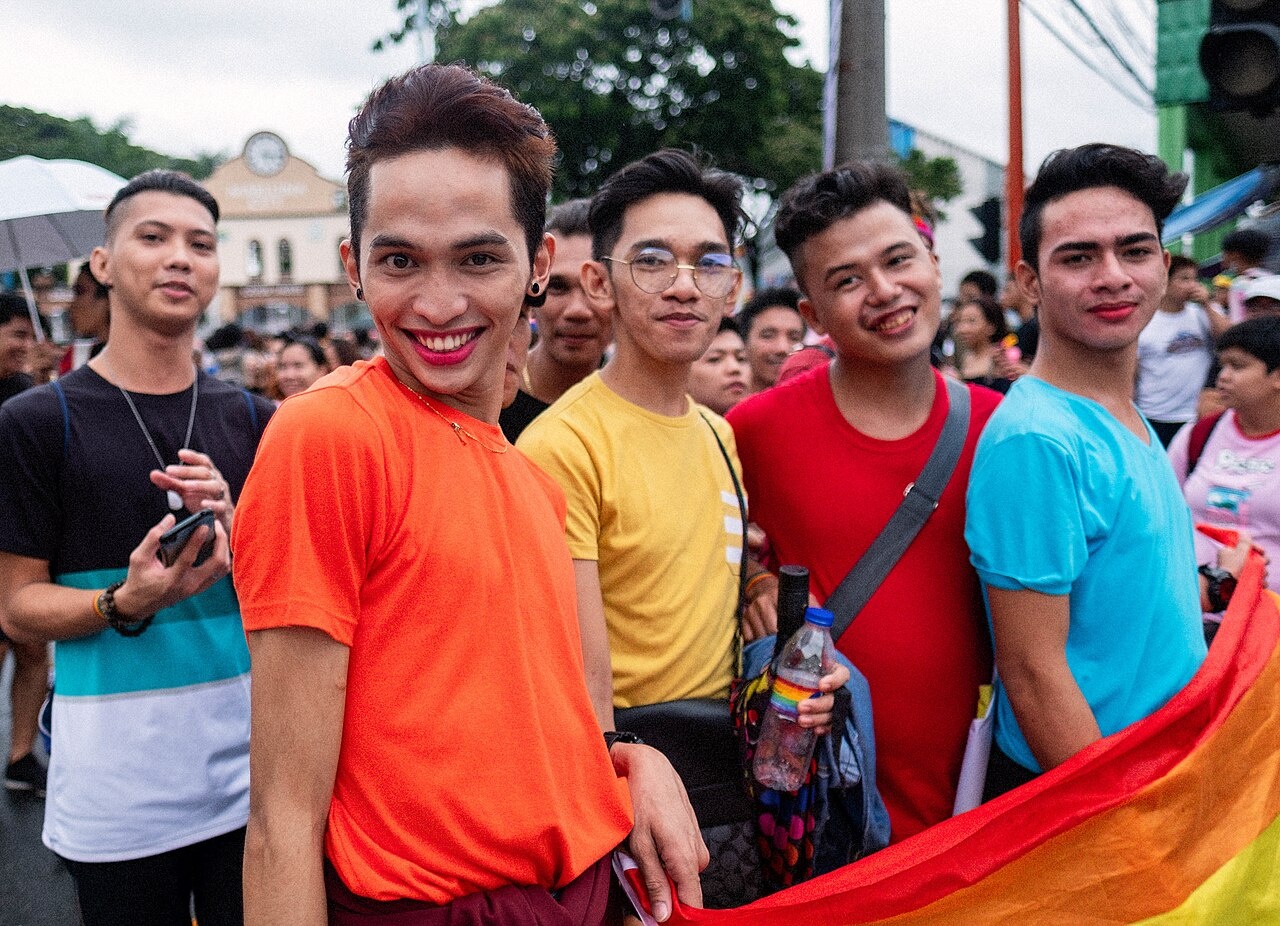
Philippines Is Getting Better For Gays, But Discrimination Persists: UN Study
Gays are increasingly tolerated in Philippine society but discrimination persists and they remain vulnerable to hate crimes, according to a United Nations-backed study. AFP reported: “Sexual activity is not a crime but same-sex marriage is not allowed and gay couples cannot adopt children, said the study funded by the UN Development Programme and the US Agency for International Development. "Cultural and social attitudes towards LGBT (lesbian, gay, bisexual and transgender) people are complex, with signs of acceptance, particularly among the young," the study said. [Source: Agence France Presse, July 12, 2014 =]
“Several large cities have passed ordinances banning LGBT discrimination, but efforts to pass a national law have foundered amid opposition from the powerful Catholic church, it added. Hate crimes remained a threat, with 28 killings involving the community tallied in the first half of 2011 alone, it added. Michael Tan, the author of the study, told a news conference a recent informal survey of 700 Filipino LGBT respondents found one in 10 had been a victim of violence and abuse, mostly committed at home by their parents. =
"What we have in the Philippines is tolerance, not acceptance," Manila-based gay rights campaigner Jonas Bagas of the TLF Sensuality, Health and Rights Educators Collective told the meeting. He said the Filipino LGBT community was "a long way off" the rights enjoyed by their counterparts in many Western countries. "In many parts of Asia, social and legal environments remain far from inclusive for the LGBT community," UNDP country director Maurice Dewulf said in a speech launching the report. =
“The Philippine report said LGBT people generally suffer discrimination, harassment and abuse at work. LGBT staff are routinely assigned to night shifts and passed over for promotion "since they don't have families to feed", Tan told the news conference. Transgender people are not allowed legally to change their identity, first name and sex, while gays can be discharged from the military, and cross-dressers are barred from nightclubs, the report said. In school LGBT youths suffer from discrimination, bullying and abuse, the report said.” =
Philippines Still Lacks a LGBT Discrimination Law
Despite the Philippines being relatively gar-friendly, legal protections for LGBTQ people remain limited. As of early 2026, the Philippines still has no national law prohibiting discrimination based on sexual orientation, gender identity, gender expression, or sex characteristics (SOGIESC). Legislation for such a law has been stymied by legislative gridlock and conservative opposition. Although the bill is reintroduced almost every legislative cycle, it has yet to be enacted, leaving many LGBT Filipinos without consistent national legal protection.
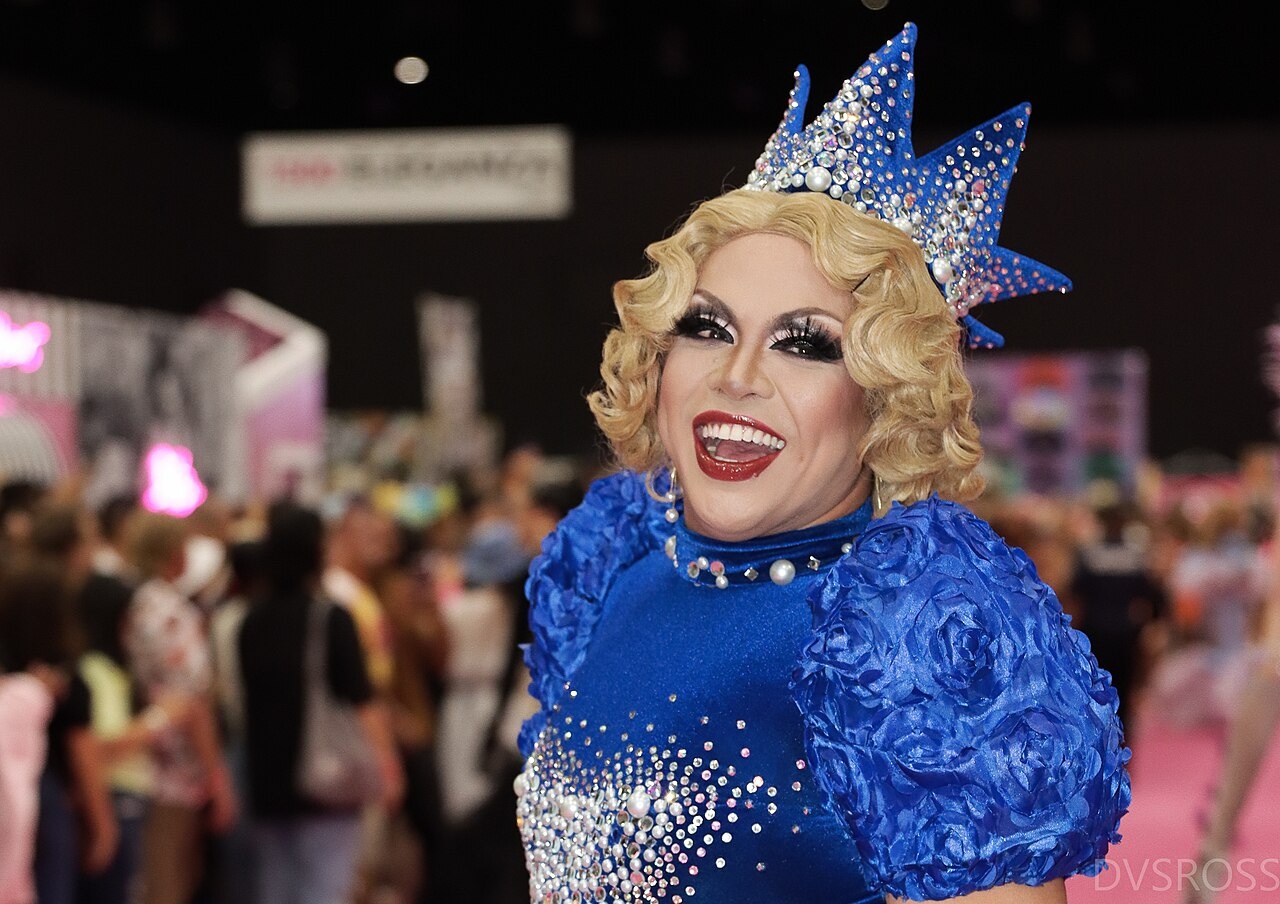
Some local governments have passed ordinances addressing SOGIESC-based discrimination, but activists argue these measures are often weakly enforced. Irish Inoceto, a Filipino LGBT advocate and former Supreme Court employee, has emphasized their limited impact, noting the urgent need for comprehensive nationwide legislation. [Source: Chad de Guzman, Time, June 30, 2023]
In one case, Inoceto assisted transgender students in Iloilo City who faced restrictions on their appearance at school. Administrators reportedly imposed rules targeting gender expression, including dress and hair policies. Although Inoceto cited a local anti-discrimination ordinance in advocating for the students, officials initially ignored her appeal. Only after direct intervention did the school relent. The episode, however, drew national attention and exposed her to harassment.
Inoceto has spent decades observing the stalled progress of the SOGIE Equality Bill, first introduced in 2000. While versions of the bill have occasionally passed the House of Representatives, they have consistently failed to advance through the Senate. The latest proposal seeks to penalize discriminatory practices in schools and workplaces, with fines and possible imprisonment for violators.
Opposition to the bill remains strong, particularly among influential religious groups. Some critics argue that the measure conflicts with Filipino values or could lead to broader legal changes, such as the recognition of same-sex marriage. Advocates, however, contend that much of the resistance is fueled by misinformation, with claims about extreme or unrelated consequences circulating in public discourse and legislative debates.
Following her advocacy, Inoceto became the target of public accusations linking her to insurgent groups—an example of “red-tagging,” a tactic historically used in the Philippines to discredit activists. The situation escalated as her identity was widely circulated, and concerns for her safety eventually led her to seek asylum abroad. Human rights organizations have warned that such actions worsen the already challenging conditions faced by LGBT individuals, who continue to encounter stigma, discrimination, and violence.
Despite these challenges, advocates remain hopeful that a national anti-discrimination law will eventually be passed. For many, the issue extends beyond politics and into everyday survival, underscoring the importance of sustained efforts to secure equal rights and protections.
Gay Literature in the Philippines
Ian Rosales Casocot wrote in for CNN: . By 1994, Danton Remoto and J. Neil C. Garcia unleashed the juggernaut that was “Ladlad,” an uncompromising anthology gathering short stories, poems, essays, and plays about the Filipino gay experience — and the contributors proceeded to defy expectations with frank depictions of gay male sexuality. The frankness was part of the design, and the anthology became an unexpected success, and spawned two more volumes: “Ladlad 2” in 1996, and finally “Ladlad 3” in 2007. (A ‘best-of’ anthology, gathering the most popular works from all three books, was released in 2014.) [Source: Ian Rosales Casocot. CNN, April 26, 2017]
But there has always been frank — if modulated — sexuality in Philippine literature even before the “Ladlad” books and “Forbidden Fruit.” Leoncio Deriada, Luis Cabalquinto, Elsa Martinez Coscolluela, Bobby Flores Villasis, Ernesto Superal Yee, Erwin Castillo, and many others have churned out stories with passages in them that would make any reader blush.
Transsexuals, Transvestites and Transgender Issues in the Philippines
Dr. Jose Florante J. Leyson wrote in the Encyclopedia of Sexuality: “Despite the prevailing Spanish machismo mentality, the advent of democracy and Westernized media messages are slowly changing traditional attitudes. Thus, the “eccentric” minorities have had a chance to come out of their closets and express themselves. For the moment, the public reacts with curiosity rather than violence or acceptance. In the world of beauticians, dress makers/designers, and performing artists, there are well-known transvestites. Because these persons are celebrities in Filipino culture, the public, especially the women, accepts them with smiles and gentle jokes. There is an annual summer parade of transvestites in Manila, where some men are indistinguishable from real women in physique and even “beauty.” This event is similar to gay, lesbian, and transgender pride parades in San Francisco and New York City’s Greenwich Village. [Source: Jose Florante J. Leyson, M.D., Encyclopedia of Sexuality, 2001 |~|]
“In his younger days, this author would cross dress with other young professionals to entertain hometown guests during fiestas and Christmas celebrations. On the superstitious side, folklore in the North Central and Central parts of the archipelago holds that, when someone is confronted by a witch or travels through a haunted region, it is advisable to cross dress so that the witch or the devil does not recognize you. In some rare cases, transvestites have acceptance from their mates, and sometimes from their children, when they live in metropolitan cities, cross dress in the privacy of their homes, and maintain the macho stereotype in their work and social environment. |~|
“If life is not easy for non-effeminate gays or non-masculine lesbians, it is more difficult for those who identify themselves as the opposite sex in manners and clothing, and even more so for those who want to see their bodies change towards the features of the other sex. Persons who want to change their physical sex and be socially recognized as being of the other sex have not been seriously considered in the Philippines. The Philippine Medical Association and the Philippine College of Surgeons have not officially reported any case of transsexualism. Transsexuals are provided with psychiatric treatment, not transsexual surgery. The courts have not addressed this situation, and any person who desires to undergo medical (pre-surgical) and transsexual surgery treatments has to seek such services abroad.” |~|
The paper “Transgendered Women of the Philippines” by Sam Winter, Sass Rogando-Sasot and Mark King reports: “ A convenience sample of 147 transgendered females (i.e. male-to-female (MtF) transgenders, or transwomen, transgendered members of a community often called bakla in the Philippines) was studied. Participants (mean 23.6 years) completed a questionnaire covering, inter alia, demographics, transition histories, sexual preferences, sexual and gender identities, experience of social attitudes towards transgenderism, as well as beliefs about the origins of their own transgenderism. Despite a level of education that was high in relation to the national average, the level of unemployment in our sample was comparatively high.
Participants’ family backgrounds revealed a significantly higher frequency of older sisters than younger ones. Participants differed in the ways in which they self-identified, but overwhelmingly reported early feelings of gender incongruity (i.e. in early or middle childhood) and initial transition in adolescence. Though most were at the time of the study using hormones, surgery was relatively uncommon, and sex reassignment surgery rare. While none of the participants aspired to a male identity, many anticipated that they would nevertheless be presenting as male later in their lives. An overwhelming majority reported a sexual attraction to men, the vast majority of these exclusively so. Participants commonly reported that Filipino society was unfavourably disposed towards the transgendered. Many reported rejection by their parents, though this was more common ( a ) by fathers, and ( b ) when they had earlier begun to transition. Participants most commonly cited inborn biology or God’s Will as a factor underlying their own transgenderism. Very few cited social influences. [Source: “Transgendered Women of the Philippines” by Sam Winter, Sass Rogando-Sasot and Mark King, published in the International Journal of Transgenderism, 10, 2, 79-90, 2007]
Papers on transgender issues in the Philippines: 1) Our Brave New World: A Brief History of the Birth of the Transgender Movement in the Philippines (Rogando-Sasot); 2) Psychological perspectives and development of the transsexual woman: phenomenological case study on male to female Filipino transsexuals: (Alegre)
Babaylans
In pre-colonial Philippine society, each tribe had a chief, but spiritual leaders known as babaylan (or catalonan) often held greater influence. They served as high priests, led sacred rituals, and advised the chief. Power was seen not just in political or economic terms, but as something spiritual and supernatural. In many cases, these roles were filled by men who took on feminine identities, known as bayoguin. [Source: Growing Up Sexually, Volume I, by D. F. Janssen, World Reference Atlas, 2004]
The worship of the deity Bathala was linked to beliefs that androgyny and bisexuality symbolized a higher or even immortal state. Babaylans sometimes formed relationships with men, and families even considered it an honor if a young son was chosen to live and train with one, though this usually ended when the boy reached marriage age.
Some historical accounts also claim that male prostitution existed during later periods. Boys known as bini boys were said to dress as girls and appear in urban street culture. Certain writings describe them interacting with older men, sometimes in exchange for small amounts of money. These accounts are controversial and should be understood within their historical context, as they reflect specific social conditions and perspectives of the time.
Geraldine Roman — First Transgender Politician Elected the Philippines Congress
In May 2016, Geraldine Roman made history as the Philippines’ by becoming the first openly transgender politician to win a seat in Congress — for the Liberal Party in Bataan province. Coming from a prominent political family, she followed in the footsteps of her mother, who previously held the same position. Before entering politics, Roman spent years in Spain working as a journalist and editor, later returning to the Philippines in 2012 to care for her parents and continue their public service legacy. [Source: Heather Chen, BBC News, May 10, 2016]
During her campaign, Roman emphasized the importance of confidence and resilience, recalling how her father encouraged her to stay strong despite facing bullying over her gender identity in school. She framed her candidacy as a milestone not only for herself but for the broader transgender community, highlighting that her election demonstrated that transgender individuals can serve in government and deserve equal respect.
As a legislator, Roman has been a strong advocate for LGBT rights in the Philippines, a predominantly Catholic country where religious influence remains significant. Her visibility helped challenge prevailing attitudes, especially amid controversies such as remarks by Manny Pacquiao about homosexuality. Roman has consistently argued that faith should not be used to justify discrimination and has positioned equality and inclusion as central to her political agenda.
Roman also broke new ground by becoming the Philippines’ first transgender military officer after joining the Armed Forces of the Philippines Reserve Force with the rank of lieutenant colonel. She advocated for civic duty and inclusivity in national service, emphasizing that crises affect everyone regardless of gender. Alongside her legislative work, she has supported initiatives like strengthening reserve training programs, further reinforcing her role as both a public servant and a trailblazer for representation. [Source: Rappler.com, February 14, 2018]
Home for the Golden Gays
The Home for the Golden Gays in Manila is a small, crowded shelter for elderly LGBT individuals, many of whom would otherwise be homeless. Founded in the 1970s, the group has faced instability, including eviction after its founder’s death, and now survives in a rented apartment funded by irregular donations and small side jobs. [Source: Chad de Guzman, Time, December 23, 2023]
Its residents—aged 60 to over 90—struggle with poverty, declining health, and limited income opportunities, reflecting broader challenges faced by older Filipinos, especially within the LGBT community. Many were denied stable employment in their youth due to discrimination and now lack pensions or family support. Surveys show that a significant number of older LGBT Filipinos face financial hardship, unstable housing, and fear of homelessness.
Despite these difficulties, the Golden Gays maintain a sense of community and dignity. They earn what they can through small jobs and drag performances, which provide both income and emotional fulfillment. However, their living situation remains precarious, with ongoing financial needs and no permanent home.
U.S. Marine Kills a Transgender Woman in Philippines
In October 2015, U.S. serviceman Joseph Scott Pemberton killed of Jennifer Laude, a Filipino trangender woman. In a courtroom in August 2014, the young Marine admitted that he had placed Laude in an arm lock and choked her until she stopped moving—but he insisted he had not intended to kill her. According to his account, he left her still breathing, slumped in a hotel bathroom, before returning to his ship and telling a fellow Marine he had left her unconscious. [Source: Floyd Whaley, New York Times, August 24, 2015]
The events, as described in court, began in a nightclub in Olongapo City, where Pemberton met Laude while on leave during joint military exercises. He brought her and another companion to a nearby hotel room. There, he later claimed, he realized Laude was transgender, sparking a confrontation that quickly turned violent. Prosecutors said he described pushing her, being slapped, striking her, and ultimately restraining her in a chokehold. Afterward, he said he attempted to revive her before leaving the scene.
His defense argued that he acted out of shock and a sense of betrayal, claiming he felt deceived and violated. Prosecutors and the victim’s family’s legal team, however, pointed to his own testimony as a critical admission of violence. The case hinged on whether the killing constituted murder or a lesser charge such as homicide—distinctions that could mean decades of difference in prison time under Philippine law, where judges, not juries, decide verdicts.
Image Sources: Wikimedia Commons
Text Sources: “Encyclopedia of World Cultures Volume 5: East/Southeast Asia:” edited by Paul Hockings, 1993; “Culture Shock!: Philippines” by Alfredo Roces and Grace Roces, Marshall Cavendish International, 2010; Metropolitan Museum of Art; National Geographic, Live Science, Philippines Department of Tourism, New York Times, Washington Post, Los Angeles Times, Smithsonian magazine, Encyclopedia.com, Library of Congress, The Conversation, The New Yorker, Time, BBC, CNN, Reuters, Associated Press, AFP, Lonely Planet Guides, Google AI, Wikipedia, The Guardian and various websites, books and other publications.
Last updated March 2026