
MINANGKABAU
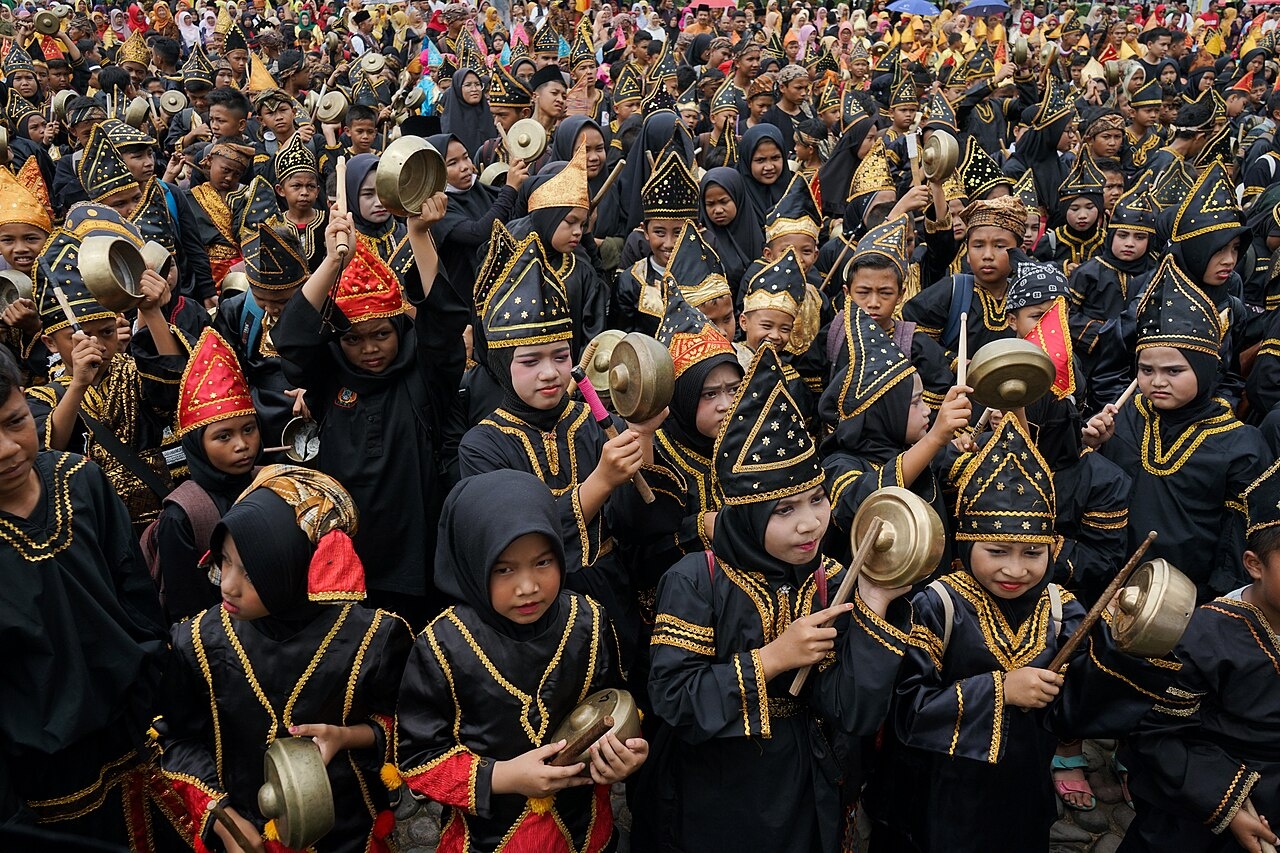
The Minangkabau live in West Sumatra. Also known as the Menangkabau or the Minang for short, they are a Muslim people and regarded as culturally similar to their neighbors, the Malays, except that they mark descent through the female line and are really into water buffalo. They are also known as being hospitable and clever, and celebrate colorful festivals. Minangkabau means “water buffalo victory.” [Source: “Encyclopedia of World Cultures, East and Southeast Asia” edited by Paul Hockings (G.K. Hall & Company, 1993); A. J. Abalahin, “Worldmark Encyclopedia of Cultures and Daily Life,” Cengage Learning, 2009]
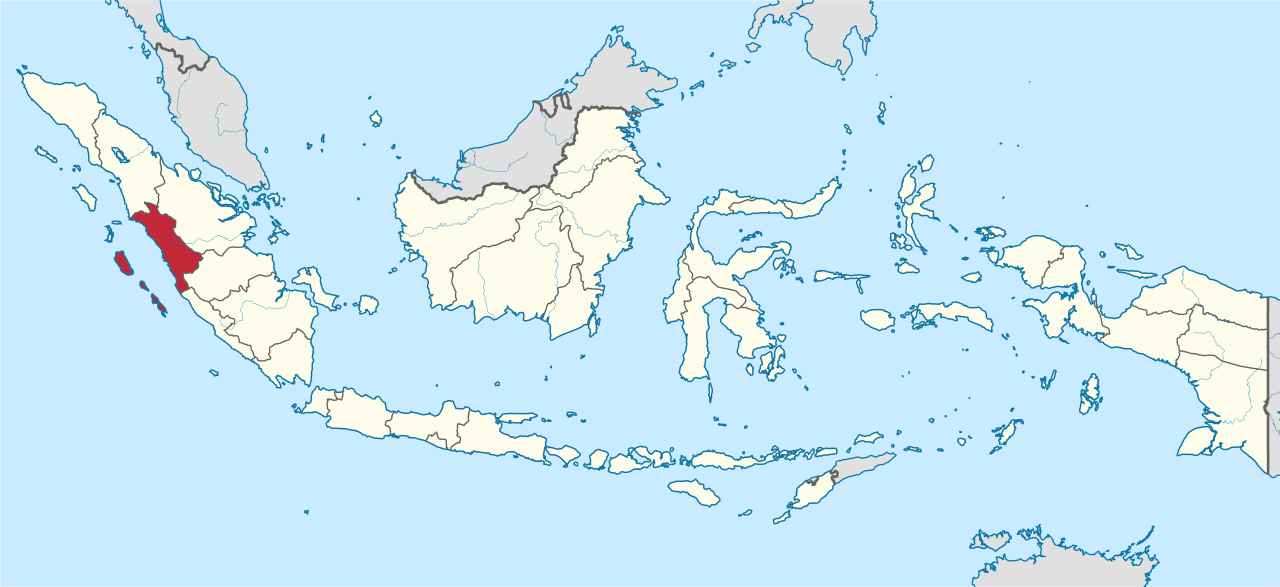
The Minangkabau (pronunced mee-NAHNG-kah-BOW (as in "bow down")) are the sixth or seventh largest ethnic group in Indonesia. They make up 2.7 percent of the population of Indonesia. According to the Christian group Joshua Project their population in the early 2020s was 7,119,000. In the 2000s it was 5.5 million. About half of Minangkabau, live in West Sumatra. They are well represented in Indonesian cities and several hundred thousand of them live in Malaysia. Minangkabau are the predominate group in West Sumatra, which has traditionally had the highest education and literacy rates in Indonesia, in part because of the Minangkabau’s strong family support system and emphasis on education. The Minangkabau have produced many prominent Indonesian figures in politics, literature and religious leadership.
The Minangkabau predominate in the coastal areas of Sumatera Utara Province, Sumatera Barat Province, the interior of Riau Province, and northern Bengkulu Province. The Minangkabau place their homeland in the fertile, volcanic highlands of West Sumatra. Specifically, it is located in three valleys: Tanah Datar, Agam, and Limapuluh Kota. From there, they spread into neighboring mountainous areas and reached other Sumatran provinces, extending down the swampy western coastal plain as far north as Meulaboh in Aceh and as far south as Bengkulu.
Population: According to the 2000 census the Minangkabau constituted 88 percent of West Sumatra's population (3.74 million out of 4.25 million in 2000). A diaspora of 1.76 million people lives in other provinces, constituting 15 percent of North Sumatra's population, 11 percent of Riau's population, and 5 percent of Jambi's population in 2000. This wide distribution results from the merantau tradition. Because women possess rights to village lands, men have long migrated from the Minangkabau homeland either temporarily or permanently to acquire wealth for themselves. Increased land scarcity beginning in the 19th century has led more and more Minangkabau to merantau."
Language: The Minangkabau speak a language very close to Malay, but it is readily distinguishable from Malay by things like the cognates differing in the final syllable: Malay pusaka, pasisir, perut versus Minang pusako, pasisie, paruik. The important Malay particle yang ("that" or "which") is nan in Minang. ^^
RELATED ARTICLES:
MINANGKABAU: THE WORLD’S LARGEST MATRIARCHAL SOCIETY factsanddetails.com
MINANGKABAU LIFE AND CULTURE: HOUSES, FOOD, CRAFTS, SPORTS factsanddetails.com
WEST SUMATRA: MINANGKABAU, UNESCO SITES, AND RAINFOREST PARKS factsanddetails.com
BUKITTINGGI AREA OF WEST SUMATRA: MINANGKABAU AND WORLD'S LARGEST FLOWER factsanddetails.com
ETHNIC GROUPS IN SUMATRA factsanddetails.com
SUMATRA: HISTORY, EARLY HUMANS, GEOGRAPHY, CLIMATE factsanddetails.com
Unique Characteristics of the Minangkabau
The Minangkabau (pronunced mee-NAHNG-kah-BOW (as in "bow down") )are the largest matrilineal culture. Tribe, clan (or suku) titles, properties and names are all handed down through the female line. The grandmother is the ultimate matriarch and a power figure. Although the Minangkabau are Muslim, their customs are unique and unusual in a state with a predominantly Muslim culture. Most such matriarchal customs are justified by tradition, although they are sometimes supported by examples from the sira of the Prophet Muhammad, especially stories revolving around the centrality of Muhammad's first employer and subsequent wife, Khadija. [Source: Wikipedia]
The Minangkabau are pretty much the only matrilineal society in the Islamic world. Their name itself ("victorious" and "buffalo") reflects their independent spirit. According to legend, during a bullfight held instead of battle, the Minangkabau pitted a tiny water buffalo calf against a giant beast representing Javanese invaders. The Minangkabau had secretly affixed blades to the calf's horns. The calf took the larger animal as its mother and knifed it to death while seeking its udder. ^[Source: A. J. Abalahin, “Worldmark Encyclopedia of Cultures and Daily Life,” Cengage Learning, 2009 ^^]
The Minangkabau sometimes describe West Sumatra as the land of the V. The name V means triumphant buffalo. Their traditional homes are called V houses. The V name is said to have resulted from a fight between a Minangkabau bull and a massive Javanese bull. Realizing his people could never find a bull as large as the Javanese, one clever Minangkabau fielded a baby bull with V-shaped knives attached to its horns. When the fight started the baby bull perceived its opponent as its mother and rushed to suckle the Javanese bull, in the process ripping out the bull’s belly. ~
Early Minangkabau History
The Minangkabau have a strong cultural link to the Malays and are believed to have arrived in Sumatra from the Malaysian peninsula around 1000 B.C.. In the Minangkabau creation myth the first two people were two Malays who emerged from the volcanic peak Marapi. The ancestors of one followed a paternal line of descent and they became Malays. The ancestors of the other followed a maternal line of descent and became Minangkabau. [Source: “Encyclopedia of World Cultures, East and Southeast Asia” edited by Paul Hockings (G.K. Hall & Company, 1993); A. J. Abalahin, “Worldmark Encyclopedia of Cultures and Daily Life,” Cengage Learning, 2009]
The Minangkabau have traditionally been a coastal people, who dominated trade on the west coast of Sumatra along with the Acehnese and Batak. The Malays dominated trade in the Malacca Straits on the eastern side of Sumatra. Wet-rice agriculture first appeared in Sumatra's Minangkabau home valleys, but the region's gold first attracted foreigners.
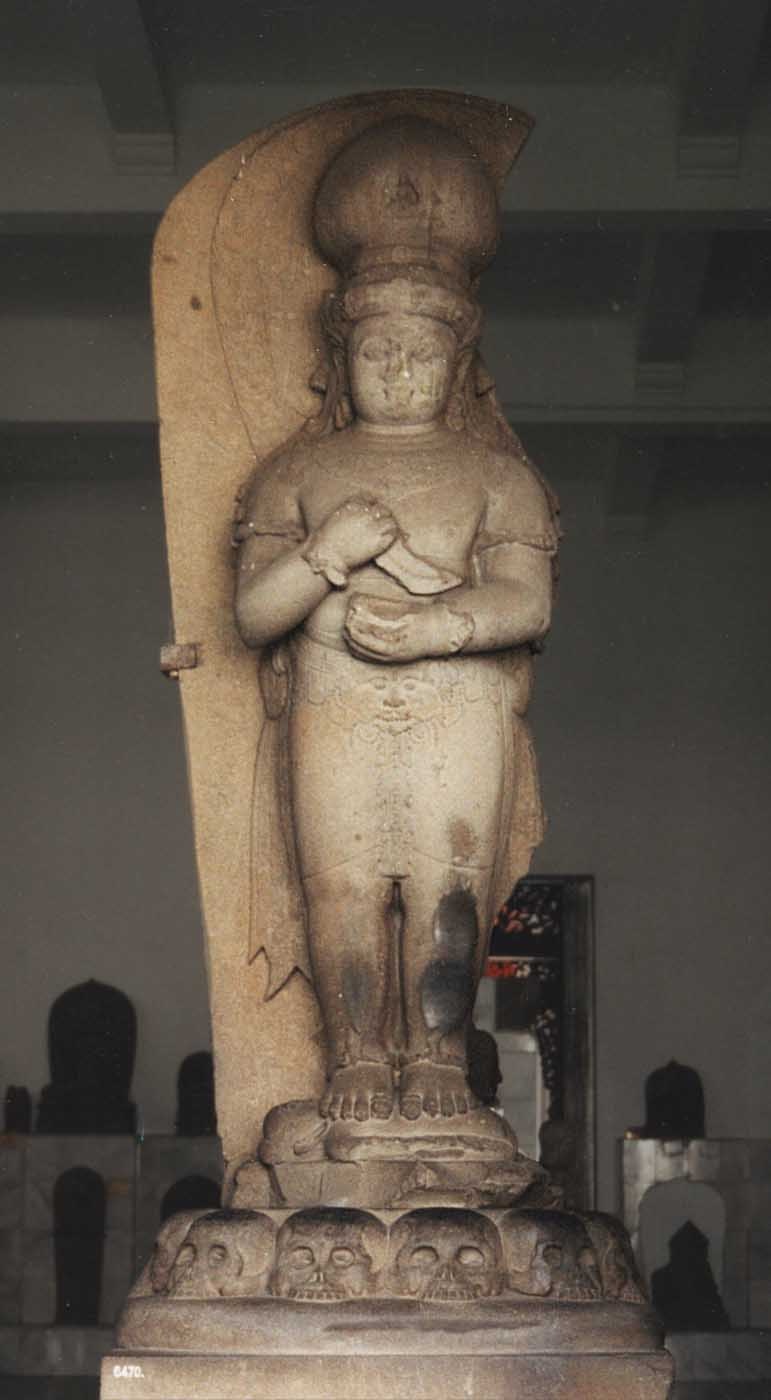
Minangkabau culture was influenced by a series of 5th to 15th century Malay and Javanese kingdoms (the Melayu, Sri Vijaya, Majapahit and Malacca). In the 14th century, the prince Adityavarman, who was half Javanese and half Sumatran, established the first kingdom near the coveted mines. This kingdom was probably the distant ancestor of the Pagururuyung monarchy of later centuries, which consisted of three co-rulers of limited power. Minangkabau culture reached its zenith in the 15th century under the Pagarruyong-based Minangkabau king. According to legend, the first king was a descendant of Alexander the Great but historical evidence seems to suggests that he was a Javanese prince or aristocrat that arrived in the area in 15th century. Also during this time, the Minangkabau crossed the Straits of Malacca and founded Negeri Sembilan, one of Malaysia's states, in the 18th century.
Increased external trade with Gujarat (India), Aceh, and Malacca brought Islam to the Minangkabau by the 16th century. Islam arrived in the form of cults on the coast in the mid 16th century, mostly from the Acehnese, but did not really take hold in the interior until later. By the end of the 18th century, Islam had spawned the Paderis: puritanical reformers bent on purging Minangkabau lands of anything contrary to their interpretation of Islam. This included the matrilineal Pagurruyung aristocracy.
Later Minangkabau History
The Paderi Wars in the early 19th century began as conflict between traditionalists and Wahabi-influenced Islamic fundamentalists and expanded into an anti–Dutch war, which in turn lead to the emplacement of stronger colonial administration in the area and the development of coffee plantations in the highlands. After more than three decades of war (1803–1837), the reformers largely succeeded. However, the upheaval invited the intervention of the Dutch. The Dutch East India Company first appeared in the Minang region in 1663.
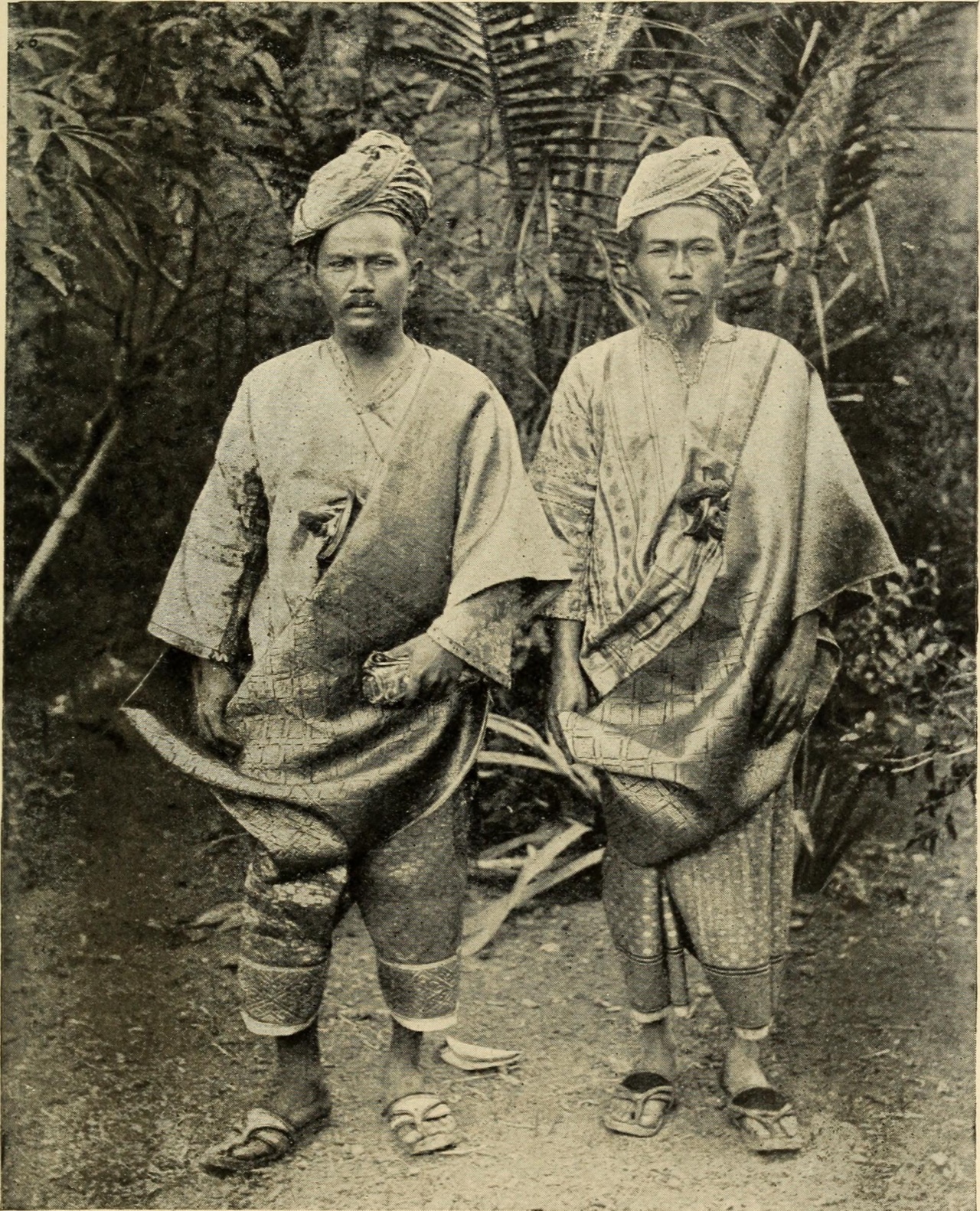
Under Dutch rule, the Minangkabau pursued modern education to a greater extent than most other Indonesian peoples. Minangkabau intellectuals played key roles in the nationalist movement, and one of them, Muhammad Hatta, became Indonesia's first vice president. Nonetheless, independence disappointed the Minangkabau who desired regional autonomy and an Islamic state. The Minangkabau were involved in a brief rebellion in the 1950s over the unfair distribution of wealth and development under the Sukarno government. In 1958, Minangkabau and Toba Batak military leaders backed the establishment of the "Revolutionary Government of the Republic of Indonesia" (PRRI). Jakarta swiftly crushed the rebellion. The event left the Minangkabau traumatized and feeling no better than conquered peoples. Since then they generally have gone out of their way to avoid conflict with the government. Stability and prosperity under Suharto's New Order reconciled the the formerly disaffected Minangkabau with the central government.
Like the Batak, they have large corporate descent groups, but unlike the Batak, the Minangkabau traditionally reckon descent matrilineally. Minangkabau were prominent among the intellectual figures in the Indonesian independence movement. Not only were they strongly Islamic, they spoke a language closely related to Bahasa Indonesia, which was considerably freer of hierarchical connotations than Javanese. Partly because of their tradition of merantau, Minangkabau developed a cosmopolitan bourgeoisie that readily adopted and promoted the ideas of an emerging nation- state. [Source: Library of Congress]
Minangkabau Islam and Religion
According to the Christian group Joshua Project, about 99.7 percent of the Minangkabau population is Muslim. The Minangkabau are among the most strongly committed followers of orthodox Islam in the Indonesian archipelago. Although Islamic teachings emphasize patriarchy, while Minangkabau society is matrilineal, the Minangkabau regard both Islam and their customary traditions as essential parts of their cultural identity. Over the past two centuries, Islamic reform movements have removed most traces of pre-Islamic belief, though some Minangkabau still acknowledge spirits and the power of magic. [Source: A. J. Abalahin, “Worldmark Encyclopedia of Cultures and Daily Life,” Cengage Learning, 2009; Wikipedia ]
Before the rise of the Padri movement in the late eighteenth century, Islamic practices such as daily prayer, fasting, and mosque attendance were observed only loosely in the Minangkabau highlands. The Padri, influenced by the Wahhabi movement in Mecca, sought to strictly enforce Qur’anic teachings and eliminate practices they considered immoral, including gambling, opium and tobacco use, and social disorder. Customs seen as conflicting with Islamic law were abolished. Although the Padri were eventually defeated by the Dutch, this period reshaped the relationship between Islam and adat. Customary law, once based mainly on social appropriateness, was redefined as being grounded in Islamic principles.
Today, the Minangkabau strongly profess Islam while continuing to follow their ethnic traditions, or adat, which originated before the arrival of Islam. This relationship is commonly expressed in the saying, “Custom is founded upon Islamic law, and Islamic law is founded upon the Qur’an” (adat nan kawi’, syara’ nan lazim). Minangkabau marriage, education and religious practices and beliefs are generally in line with the Shafi school of Sunni Islam.
Minangkabau communities observe the major Islamic holidays. One distinctive celebration, found mainly along the West Sumatran coast, is the colorful tabuik festival. Influenced by Shiʿite tradition, it commemorates the deaths of Hasan and Husayn at the Battle of Karbala in 680 and has few parallels elsewhere in predominantly Sunni Indonesia.
Minangkabau Spirits, Ceremonies and Festivals
Traditional Minangkabau beliefs include the notion that remote mountain or jungle spots may be “tampek-tampek nan sati” — “places charged with supernatural power." The Minangkabau fear spirits such as puntianak, who suck the blood out of infants through their soft spots (the fontanels) from afar. Palasiks are women with an innate, though uncontrollable, power to make children sick. People may enlist dukun, who are practitioners of magic and herbal medicine, to combat malevolent spirits or victimize others, as in menggasing, which involves sending poison into another's bloodstream through the air. As a defense, many carry amulets; a particularly potent one is crystallized elephant sperm. [Source: A. J. Abalahin, “Worldmark Encyclopedia of Cultures and Daily Life,” Cengage Learning, 2009]
Traditional Minangkabau ceremonies include:
Turun mandi — baby blessing ceremony
Sunat rasul — circumcision ceremony
Batagak pangulu — clan leader inauguration ceremony. All relatives in the same clan, as well as other clan leaders and all villagers in the region, are invited. The ceremony lasts seven days or more.
Turun ka sawah — community work ceremony
Manyabik — harvesting ceremony
Adoption ceremony
Adat ceremony
Wild boar hunt ceremony
Minangkabau festivals and observances include:
Hari Rayo — the local observance of Eid al-Fitr
Maanta pabukoan — sending food to mother-in-law for Ramadan
Tabuik — local Mourning of Muharram in the coastal village of Pariaman
Tanah Ta Sirah: A new datuk is inaugurated when the old one dies. There is no need to proceed with the Batagak Pangulu ceremony, but the clan must invite all the datuks in the region.
Mambangkik Batang Tarandam: When a datuk dies, a new one must be inaugurated. If the old datuk died within the past 10 or 50 years, attendance at the Batagak Pangulu ceremony is mandatory.
Funerals follow general Islamic guidelines. Before the coffin is carried to the cemetery, it is raised so that the deceased's children can pass under it three times. This is done to prevent them from experiencing excessive grief and having dreams about the deceased. The Minangkabau have built a replica of a rumah gadang ((traditional house)) over grave sites, complete with arching, elegant spires on a saddleback roof.
Image Sources: Wikimedia Commons
Text Sources: “Encyclopedia of World Cultures Volume 5: East / Southeast Asia:” edited by Paul Hockings, 1993; National Geographic; New York Times, Washington Post, Los Angeles Times, Lonely Planet Guides, Library of Congress, Smithsonian magazine, The New Yorker, Time, Reuters, AP, AFP, Wikipedia, BBC, CNN, and various books and other publications.
Last Updated December 2025