
SMALL FLYING FOXES
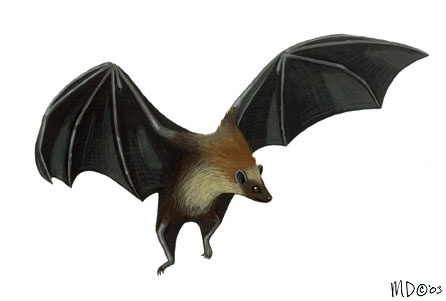
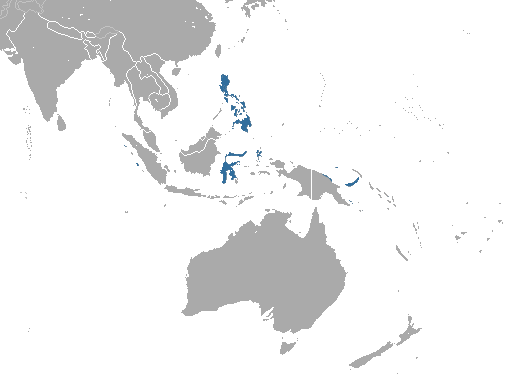
Small flying foxes (Pteropus hypomelanus) are also called variable flying foxes, island flying foxes, Condoro Island flying foxes, lesser flying foxes, kluang kechil, kalong kecil, memboi, and udawed. They are found on the Indonesian island of Sulawesi, the Philippines, Solomon Islands, Papua New Guinea, Trobiand, the Woodlork Islands and west to Thailand and the Mergui Archipelago, but excluding Java and the lesser Sunda shelf islands. Small flying foxes are also found in the Maldives and on islands along the eastern and western coastal regions of the Malay Peninsula. They are not found on the mainland Malay peninsula or on mainland India or Sri Lanka. [Source: Ryan Ouillette, Animal Diversity Web (ADW) /=]
Small flying foxes live in tropical areas in forests, rainforests and agricultural areas at elevations from sea level to more than 900 meters (2,953 feet) in the Philippines. However, it is uncommon to find them in montane upland forest and submontane rainforest. Their preferred habitat is lowland and disturbed forests on small- to medium-sized islands. They can be found feeding in broadleaf forests, coconut groves, and orchards.
Small flying foxes are primarily herbivores (primarily eat plants or plants parts), frugivores (eat fruits) and nectarivores (feed on nectar). Among the plant foods they eat are seeds, grains, nuts fruit, nectar, pollen and flowers. They feed primarily on fruit and nectar from wild and cultivated plants, including pawpaw mangos, jambu, bananas, plantains, figs, banyan flowers, berries of the damba tree, other cultivated fruits, flowers of the kapok tree, chico, coconut flowers, and fruits of the babolo tree. Small flying foxes can about half of their own body weight every day. Food is located with their a highly specialized sense of sight and smell.
Small flying foxes are not endangered, The International Union for Conservation of Nature (IUCN) Red List classifies them as a species of “Least Concern”. They were on the list in 1989 but not in 2004. In CITES (Convention on International Trade in Endangered Species of Wild) they are in Appendix II, which lists species not necessarily threatened with extinction now but that may become so unless trade is closely controlled. The most serious threat to small flying foxes are deforestation and over hunting. They are regarded as crop pests and sometimes killed because of that.
Small flying foxes are considered a delicacy in some places. A favorite dish includes the animal in its entirety, fur, wings, internal organs and all, simmered in coconut milk. People in the Philippines have exported these bats as food.
RELATED ARTICLES:
FLYING FOXES: CHARACTERISTICS, BEHAVIOR AND REPRODUCTION factsanddetails.com
WORLD’S BIGGEST BATS — LARGE, INDIAN AND GREAT FLYING FOXES — AND THEIR CHARACTERISTICS AND BEHAVIOR factsanddetails.com
BATS AND FLYING FOXES IN AUSTRALIA: CHARACTERISTICS, BEHAVIOR AND REPRODUCTION ioa. factsanddetails.com
GRAY-HEADED FLYING FOXES: CHARACTERISTICS, BEHAVIOR AND REPRODUCTION ioa. factsanddetails.com
BATS, CHARACTERISTICS, FLIGHT, REPRODUCTION factsanddetails.com ;
BATS, CHARACTERISTICS, FLIGHT, REPRODUCTION factsanddetails.com ;
BAT SENSES AND ECHOLOCATION factsanddetails.com
BATS AND HUMANS: GOOD THINGS, DISEASE, RABIES AND DEATHS factsanddetails.com
KINDS OF BATS: SMALLEST, BIGGEST, VAMPIRE BATS factsanddetails.com
HORSESHOE BATS: CHARACTERISTICS, BEHAVIOR AND COVID-19 factsanddetails.com
ASIAN FALSE VAMPIRE BATS: CHARACTERISTICS, BEHAVIOR AND REPRODUCTION factsanddetails.com
BUMBLEBEE BATS (WORLD'S SMALLEST MAMMALS): CHARACTERISTICS, BEHAVIOR, CONSERVATION factsanddetails.com
Small Flying Fox Characteristics
Small flying foxes are really that small. Other species of flying fox are much smaller. They range in weight from 467.5 to 576 grams (16.48 to 20.30 ounces) and have a head and body length that ranges from 18.3 to 24 centimeters (7.20 to 9.45 inches). Their average wingspan is 1.21 meters (3.97 feet) while the forearm length ranges from of 12.1 to 15 centimeters and a the length of ranges from 6.2 to 6.9 centimeters. Their basal metabolic rate ranges from 0.487 ± 0.0167 to 0.627 ± 0.0216 cubic centimeters of oxygen per gram per hour. Sexual Dimorphism (differences between males and females) is present: Males are larger than females and their metabolisms are different. Males weigh 567 to 576 grams while females weigh 467.5 to 472.5 grams. Males have basal metabolic rates that are higher than expected, given their body size (0.627 ± 0.0216 cubic centimetersO2/g•h). Females have basal metabolic rates lower than expected, 83 percent of the expected value, given their body size (0.487 ± 0.0167 cubic centimetersO2/g•h). [Source: Ryan Ouillette, Animal Diversity Web (ADW) /=]
A naked dorsal tibia is one of the main things that distinguishes small flying foxes from other flying fox species. According to to Animal Diversity Web (ADW) The length of forearm, overall body size, and locality generally are also useful for differentiating between members of the genus Pteropus (flying fox). They are distinguished from Nicobar flying foxes (Pteropus faunulus) by their larger body size, larger teeth, and shorter fur. Ryukyu flying foxes (Pteropus dasymallus) are different in their longer and denser fur and fur on the upper surface of their dorsal tibia. The species Small flying foxes is smaller than Black flying foxes, spectacled flying foxes,Pteropus macrotis, big-eared flying foxes and large flying foxes. Also, a pale patch of fur on the chest of small flying foxes distinguishes them from Large flying foxes. Small flying foxes differ from little golden-mantled flying foxes in their larger size and dark brown hairs on the throat instead of pale gray. Small flying foxes are distinguished from Philippine naked-backed fruit bats by the presence of a claw on the second digit and by having four upper and two lower incisors.
The body of Small flying foxes is fully furred and fur color is highly variable. The fur on the head is most commonly dark brown, but can range from light to yellowish brown. This head and mantle fur color varies geographically, being darker in the western portions of the range and lighter in eastern portions of the range. Dorsum fur is brown to reddish brown while some subspecies have gray or silver hairs. Stomach color ranges from a golden buff to a cream buff. The hair around the eyes is generally grayish in color. The ears are covered in long, sparse hair on the front, but are nearly naked towards the back. The hair is short and dense on the forehead but becomes longer gradually from the neck to the mantle. The dorsal fur of Small flying foxes is quite short while the ventral fur is an average length. The midline of the back attaches to the wing membranes as well as the base of the first phalanx of the second toe. The cranium of Small flying foxes is large, elongate, and robust, with well-developed postorbital processes and a bony spur on anterior surface of the zygomatic arch. There is often a well-developed sagittal crest, formed by the fusion of the temporal ridges. /=\
Small Flying Fox Behavior
Small flying foxes are arboreal (live mainly in trees), good fliers, nocturnal (active at night), motile (move around as opposed to being stationary), sedentary (remain in the same area), have daily torpor (a period of reduced activity, sometimes accompanied by a reduction in the metabolic rate, especially among animals with highmetabolic rates), territorial (defend an area within the home range), social (associates with others of its species; forms social groups) and colonial (live together in groups or in close proximity to each other). Small flying foxes sense and communicate with vision, touch, sound and chemicals usually detected by smelling. They have keen eyesight, hearing, and sense of smell. They use their sense of smell and vision to navigate and locate food. They also leave scent marks produced by special glands and placed so others can smell and taste them. Small flying foxes have never been found more than eight kilometers away from a known roosting site. [Source:Ryan Ouillette, Animal Diversity Web (ADW) /=]
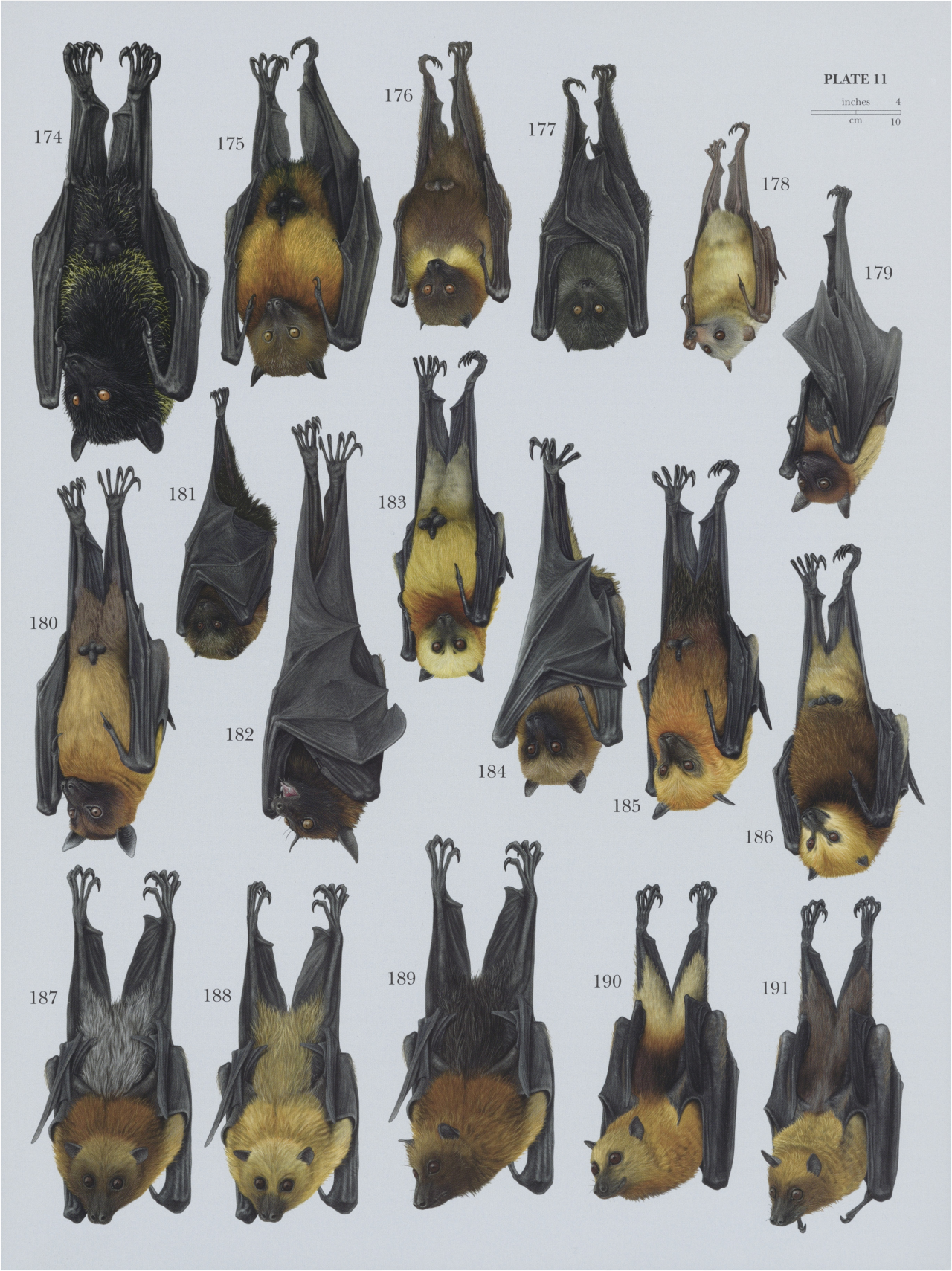
Flying Fox species: 174) Livingstone’s Flying Fox (Pteropus livingstonii), 175) Pemba Flying Fox (Pleropus voeltzkowi), 176) Ryukyu Flying Fox (Pleropus dasymallus), 177) Bonin Flying Fox (Pteropus pselaphon), 178) Little Golden-mantled Flying Fox (Pleropus pumilus), 179) Lyle’s Flying Fox (Pteropus lylei), 180) Indian Flying Fox (Pleropus medius), 181) Rodrigues Flying Fox (Pteropus rodricensus), 182) Large Flying Fox (Pteropus vampyrus), 183) Aldabra Flying Fox (Pleropus aldabrensis), 184) Malagasy Flying Fox (Pteropus rufus), 185) Seychelles Flying Fox (Pleropus seychellensis), 186) Greater Mascarene Flying Fox (Pteropus niger), 187) Aru Flying Fox (Pteropus aruensis), 188) Kai Flying Fox (Pleropus keyensis), 189) Black-bearded Flying Fox (Pleropus melanopogon), 190) South Moluccan Flying Fox (Pteropus chrysoproctus), 191) North Moluccan Flying Fox (Pteropus caniceps)
Ryan Ouillette wrote in Animal Diversity Web: The roosting habits of small flying foxes vary from solitary individuals to large colonies called “camps” numbering anywhere from 10 to several hundred individuals. Often these large groups are responsible for the defoliation of their roosting trees by damage to young shoots and leaves as the flying foxes perch. Colonies are often organized into small family groups. In the Philippines group sizes of 50 to 70 have been reported, while roosting groups of 40 to 50 have been reported in Malaysia. Fighting occurs in the form of verbal threats and boxing with closed wings. In the Maldive Islands, skirmishes occur when two individuals meet while feeding and continue until one of the individuals leaves. /=\
In hot weather, Small flying foxes cool themselves by flapping their wings, licking their chest, and panting. During the day, they hang from branches with either one or both of their feet and also wrap their bodies with their wings. In cool weather, they completely wrap themselves to maintain body heat. Similar behavior occurs in wet and rainy weather. When small flying foxes decide to leave their roost, they flap their wings with their feet still clenched to the tree branch until their bodies are parallel with the ground. Upon reaching this position they will finally let go of the branch and begin to fly. /=\
At night, Small flying foxes travel from their roosting islands to feed at mainland locations, however none have been found any farther than eight kilometers from a known roost site. They fly about 30 meters above the ground and will often seek troughs in waves when over seas to help overcome wind resistance. Small flying foxes extend the claws on their thumbs during flight and use them to help land in a head-up position along with both feet. Upon landing, these flying foxes release their thumbs and hang from their feet. They feed either while hanging from their feet or clinging to vegetation with all four limbs./=\
Small Flying Fox Mating, Reproduction and Offspring
Small flying foxes are polygynous (males have more than one female as a mate at one time). /=\ They engage in seasonal breeding. They foxes breed once a year. The breeding season generally extends from February to April for flying fox. The gestation period ranges from 180 to 210 days. The number of offspring is usually one. Young are altricial, meaning that young are born relatively underdeveloped and are unable to feed or care for themselves or move independently for a period of time after birth. Parental care is done by females. The average weaning age is six weeks and the average time to independence is four to six months. On average males and females reach sexual or reproductive maturity at one year. [Source: Ryan Ouillette, Animal Diversity Web (ADW) /=]
According to Animal Diversity Web: During the summer, Small flying foxes organize into camps, or harems. Males become very territorial over both harems of females and entire roosts. They mark their area with a scent gland on their throat. During the mating season, Small flying foxesmate more than once per day for several days. Over the gestation period, males and females separate, with pregnant females forming a separate colony. In those colonies, females participate in mutual caretaking and grooming. During birth, which occurs during the day, females will hang upside-down using the claws on their wings and their feet and lick their genitals until the pup’s head begins to emerge, a process that may last many hours. After birth, the pups, which can weigh up to 10 percent of the mother’s weight, will assume a comfortable suckling position while attaching to a nipple.
In the Philippines, a small flying foxes pregnancy occurred in April and births recorded in April and May. Lactating females were found in August, and lactation generally lasts about six weeks. In a captive setting, females were able to give birth each month of the year with a peak in the birth period occurring in May and June. After birth, Small flying foxes mothers will fly with young pups for two to three weeks, until they become too heavy. At that point the pup is left behind with other young. In a month, the young learn enough coordination to explore and, by January and February, they form small groups around their mothers. When the young are able to take care of themselves, the mother will breed again. Young Small flying foxes remain dependent on their mothers for about four to six months. /=\
Black-Eared Flying Foxes
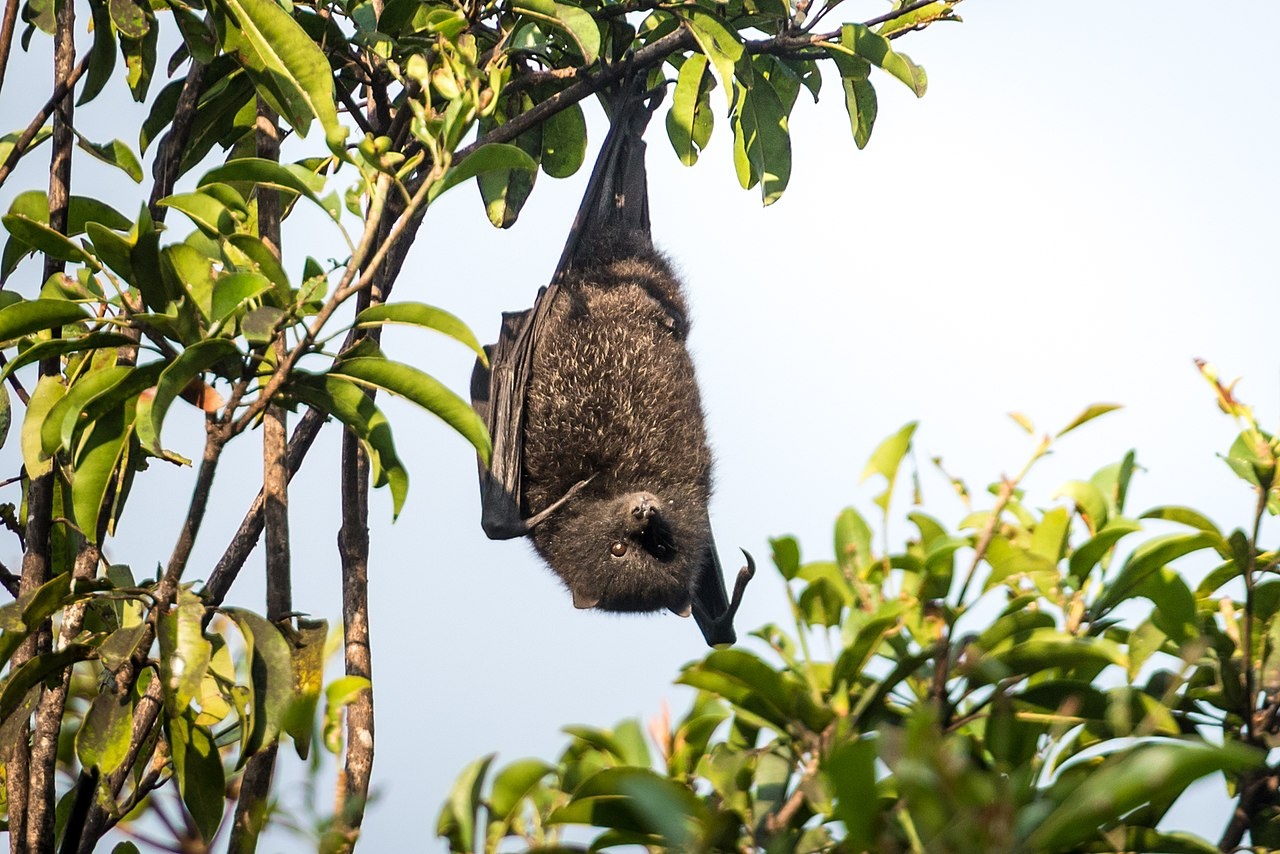
Black-eared flying foxes (Pteropus melanotus) are found throughout many islands in Southeast Asia, including the Andaman Islands and Nicobar Islands in India, the Engano and Nias Islands off Sumatra in Indonesia, and Christmas Island, south of Java. They are generally found in forests and swamps and on small, oceanic islands and roost in rainforest trees on these islands. There are six subspecies. Most information is on the subspecies P. m. natalis. [Source: Kyle Steiner, Animal Diversity Web (ADW) /=]
Black-eared flying foxes are primarily frugivores (eat fruit) but also can be classified as herbivores (primarily eat plants or plants parts). Their diet consists mainly of fruits and blossoms of rainforest trees. They are particularly fond of Muntingia calabura, which is an introduced Japanese cherry. Domestic cats are their main predators. On Christmas Island, black-eared flying foxes make up 21 percent of the diet of domestic cats there by weight. Humans also eat flying foxes. They may also be preyed on occasionally by birds of prey and arboreal snakes. They avoid predation mainly through communal roosting in tall trees and vocally warning each other when predators are around.
On the International Union for Conservation of Nature (IUCN) Red List black-eared flying foxes are listed as Vulnerable. In CITES (Convention on International Trade in Endangered Species of Wild) they are in Appendix II, which lists species not necessarily threatened with extinction now but that may become so unless trade is closely controlled. In the 1990s, black-eared flying foxes were listed as low risk or least concern on the IUCN Red List. They are regarded as crop pests and may be killed for that reason. Some local people hunt them. There are fears that black-eared flying foxes may be especially vulnerable because of their restriction to small, oceanic islands and their apparent lack of fear of humans. They also are often active during the day when they are easier to hunt.
Black-Eared Flying Fox Characteristics, Behavior and Reproduction
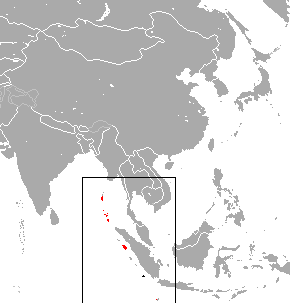
Black-eared flying foxes have dark brown to black fur, except in the chest and neck region where the fur is light brown. No information on their size has been published but they are probably similar in size to other flying foxes. They sense and communicate with vision, touch, sound and chemicals usually detected by smelling, using their keen vision in low light to navigate and acute sense of smell to find fruits and communicate reproductive status.
Black-eared flying foxes are arboreal (live mainly in trees), good fliers, diurnal (active during the daytime), motile (move around as opposed to being stationary), sedentary (remain in the same area), social and colonial (live together in groups or in close proximity to each other). Black-eared flying foxes are one of the few species of bats that are active during the day. They tend to roost in groups of several hundred bats. They have been observed flying in large groups in updrafts near cliff faces.
There is little information on the mating systems and reproduction behavior of black-eared flying foxes. They generally engage in seasonal breeding once a year, with February being the peak birthing time. The average number of offspring being one. Males in many flying fox species form temporary mating harems during the breeding season. Female Black-eared flying fox females do all or nearly all of the parental work, They nurse and care for their young until they reach independence. In most flying fox species, females carry their young for the first few weeks after birth. After that they leave the young in a roost while foraging, returning to nurse them. Flying fox young generally become independent two to three months after birth. On average males and females reach sexual or reproductive maturity at six months.
Little Golden-Mantled Flying Foxes
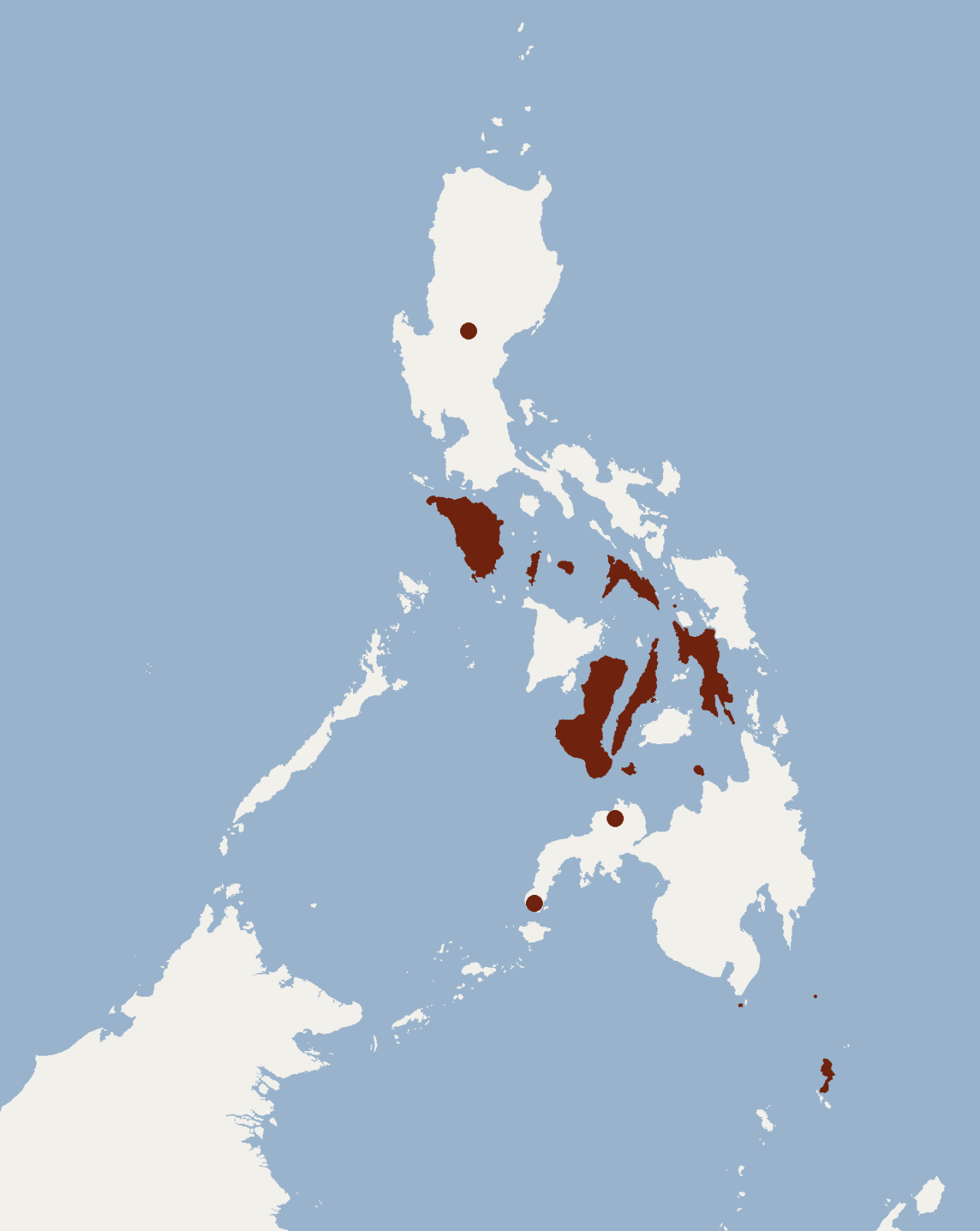
Little golden-mantled flying foxes (Pteropus pumilus) are the smallest fruit bats and flying foxes. They are found on small and intermediate-sized islands in the Philippines including the Balut, Camiguin, Leyte, Maripipi, Masbate, a small part of western Mindanao, Mindoro, Negros, Panay, Sibuyan, Siquijor and Tablas. They primarily live inland in lowland tropical forests but have been found at elevations up to 1,250 meters (4,100 feet). They prefer well-developed secondary forests with access to a fruit source, although one roosting site was found in a scrubland area. [Source: Abby Batz, Animal Diversity Web (ADW) /=]
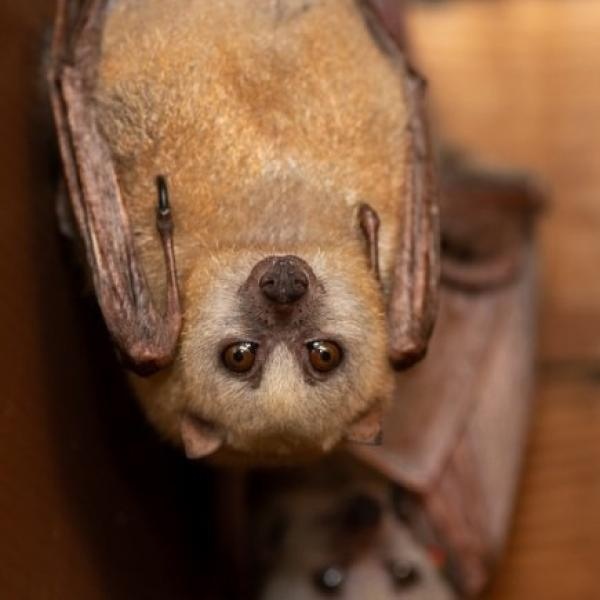
Little golden-mantled flying foxes are mainly frugivorous (fruit eating) but are also recognized as herbivores (primarily eat plants or plants parts). They have been observed eating the fruit of a Dangkalan tree. Their acute sense of smell enables them to locate ripe fruit which they rip open with their claws and consume hanging upside down from trees. They sometimes forage on the ground. The basal metabolic rate (BMR) of little golden-mantled flying foxes are lower than other flying fox species because of their small size. It has been hypothesized that their small size and low BMR may be related to their living on small restricted islands and the lack of need for diet change, larger size, or higher BMR. /=\
On the International Union for Conservation of Nature (IUCN) Red List little golden-mantled flying foxes are listed as Near Threatened. In CITES (Convention on International Trade in Endangered Species of Wild) they are in Appendix II, which lists species not necessarily threatened with extinction now but that may become so unless trade is closely controlled. Little golden-mantled flying foxes are threatened by deforestation and expanding farmland. Because of this they occasionally raid fruit farms and are regarded as crop pests. They are also hunted for food and humans use them to make charms.
Little golden-mantled flying foxes are are one of the largest seed dispersers on some of the small Philippine islands on which they reside. They carry a large amount of seeds considerable distances, often beyond their primary habitat. This also contributes to forest regeneration. More than 145 genera of plants on the Philippine islands depend on little golden-mantled flying foxes for pollination and seed dispersal. They are the only known seed disperser of Ceiba pentandra or the silk cotton tree.
Little Golden-Mantled Flying Fox Characteristics and Behavior
Little golden-mantled flying foxes range in weight from only 145 to 200 grams (5.11 to 7 ounces). Their average wingspan is 0.3 meters (one foot). They have a rounded, oval-shaped body. They are usually brown in color, but some are gray. There is no fur on their wings and they have claws at the end of their wings and feet. Dimorphism (differences between males and females) is only slightly present. Both sexes are roughly equal in size and look similar.
Little golden-mantled flying foxes are arboreal (live mainly in trees), flies motile (move around as opposed to being stationary) and solitary. They sense using vision, touch and chemicals usually detected with smell. They do not use echolocation (emitting sound waves and sensing their reflections to determine the location of objects) to detect food, but rather use their senses of smeel. They can distinguish between ripe and unripe fruit based on their heightened sense of smell and have good night and day vision.
While many species of flying fox are highly social, roosting together in groups with hundreds to sometimes thousands of members, little golden-mantled flying foxes roost in small groups and appear to have little social interaction. In captivity, little golden-mantled flying foxes are generally solitary when placed together, with individuals sticking to their own areas. Little golden-mantled flying foxes make nests in the trees, in which they roost.
Little golden-mantled flying foxes are polygynous (males have more than one female as a mate at one time). But unlike many other flying fox species where males sometimes are aggressive toward other males and create harems of female, little golden-mantled flying foxes are not aggressive during mating. Instead, they "wait in line" for a female. Little golden-mantled flying foxes are generally solitary, and in captivity mating is the only time they interact with other members of their species.
Little golden-mantled flying foxes engage in seasonal breeding. They breed once or twice yearly, often beginning in the fall. The number of offspring ranges from one to two, with the average number of offspring being one, Parental care is provided by females. They spend up to 11 weeks caring for their offspring, teaching them how to forage and move around by themselves. The age at which young become independent ranging is around 11 to 12 weeks.
Ashy-Headed Flying Foxes
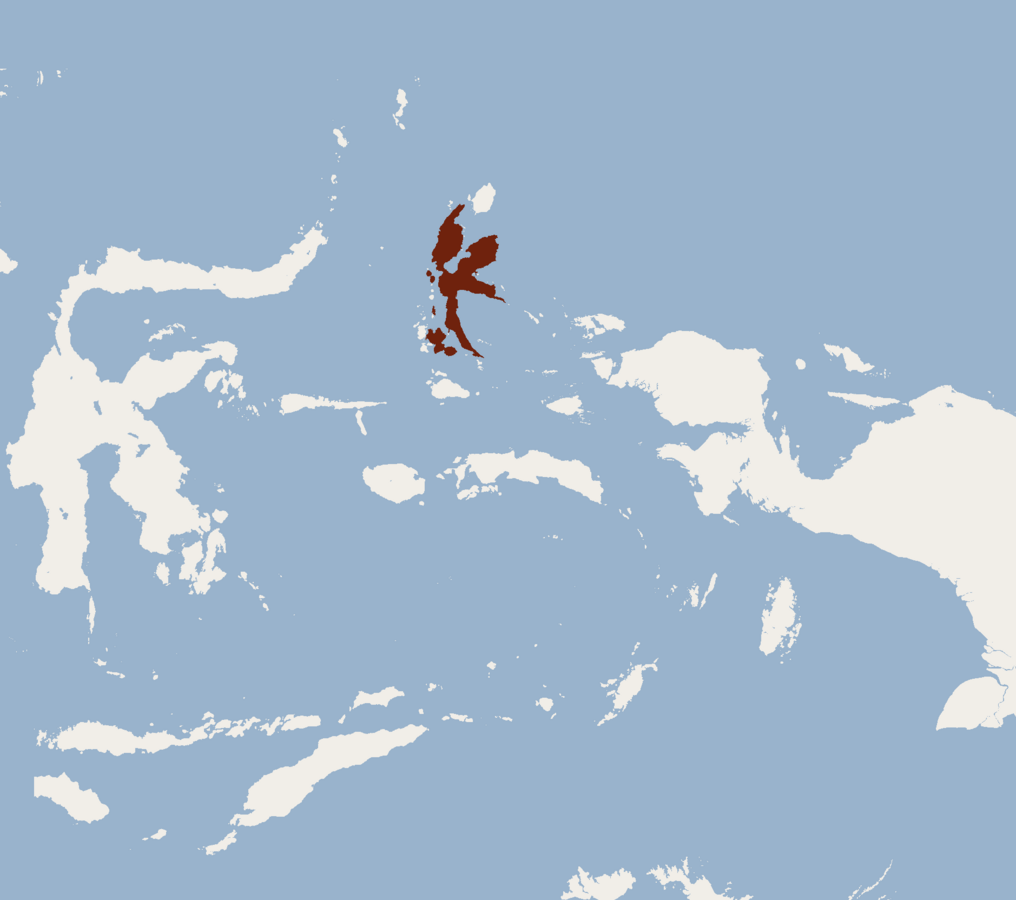
Ashy-headed flying foxes (Pteropus caniceps) are endemic to the Indonesian islands of Halmahera, Batjan, Tidore, and Ternate. They are found in both primary and fairly disturbed habitats as well as agricultural areas at elevations from sea level to 1,630 meters (5,347 feet). They are thought to roost in small groups and the hollows of trees. [Source: Eric Schirmer, Animal Diversity Web (ADW) /=]
Ashy-headed flying foxes are also known as North Moluccan flying foxes. With a body and head length of 20.3 centimeters (8 inches), ear length of 2.5 centimeters )one inch) and forearm length of 13.5 centimeters (5.3 inches), they were initially thought to be a hybrid between small flying foxes and the Sunda fruit bat, having many similar characteristics, but later were determined to be a separate species. Ashy-headed flying foxes have ears longer than the muzzle with a greyish brown head. Their neck and shoulders are a bright yellow color and their back is a yellowish grey entwined with black and brown hairs. The feet and legs are naked and the teeth resemble those of the Sunda fruit but the upper incisors are broader and shorter. Sexual Dimorphism (differences between males and females) is not present: Both sexes are roughly equal in size and look similar.
Ashy-headed flying foxes are frugivores (eat fruit) and herbivores (eat plants or plants parts). Among the plant foods they eat are leaves, fruit, nectar and flowers. They chew on eucalyptus and flowers to prevent nutrient deficiencies. On the International Union for Conservation of Nature (IUCN) Red List they are listed as Near Threatened. In CITES (Convention on International Trade in Endangered Species of Wild) they are in Appendix II, which lists species not necessarily threatened with extinction now but that may become so unless trade is closely controlled. /=\
Ashy-headed flying foxes are arboreal (live mainly in trees), good fliers, nocturnal (active at night), motile (move around as opposed to being stationary), sedentary (remain in the same area), social and colonial (live together in groups or in close proximity to each other). The daytime roosts of ashy-headed flying foxes are usually in the hollows of trees and their total geographic range is thought to cover 100,000 to 500,000 square kilometers.
Image Sources: Wikimedia Commons
Text Sources: Animal Diversity Web animaldiversity.org ; National Geographic, Live Science, Natural History magazine, David Attenborough books, New York Times, Washington Post, Los Angeles Times, Smithsonian magazine, Discover magazine, The New Yorker, Time, Reuters, Associated Press, AFP, Lonely Planet Guides, Wikipedia, The Guardian, Top Secret Animal Attack Files website and various books and other publications.
Last updated January 2025