
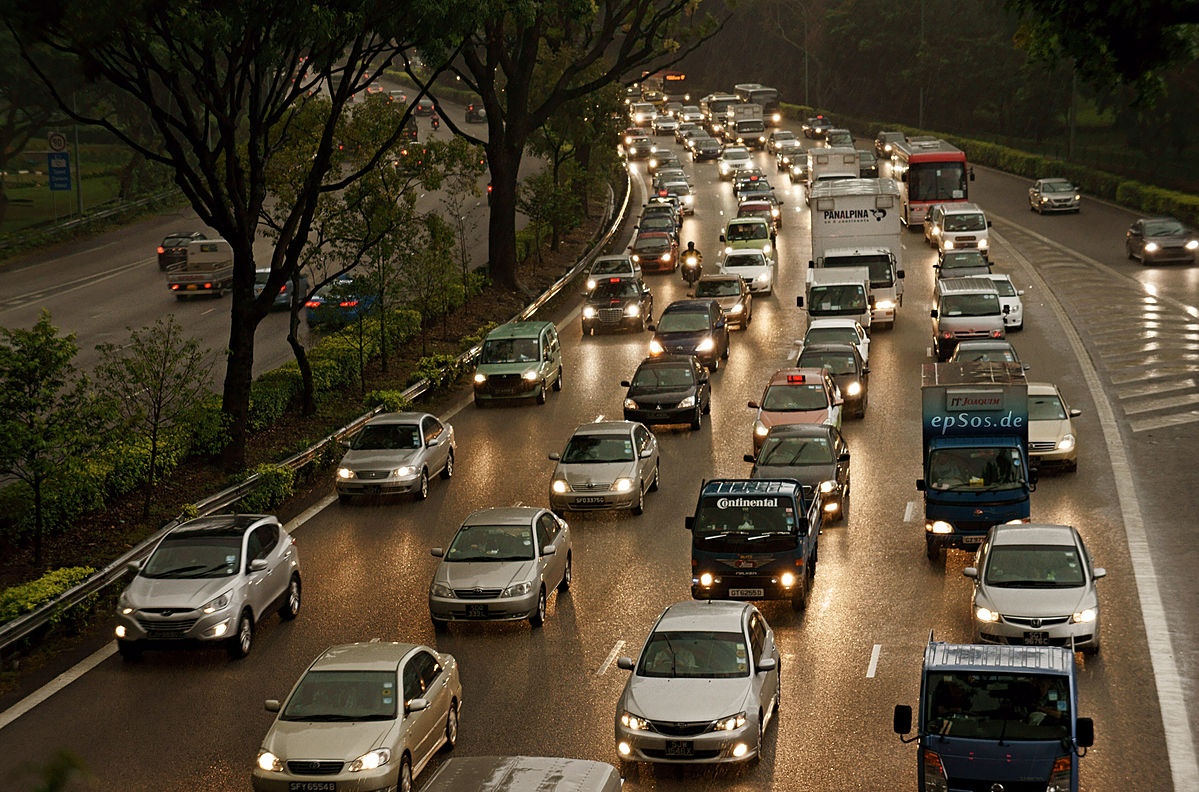
Driving cultures differ widely across Asia and Europe, shaped by history, infrastructure, and societal norms.
From driving sides to toll systems, these contrasts create unique challenges for travelers navigating foreign roads.
Let’s explore what sets them apart!
1) Right-Hand vs Left-Hand Driving Rules
Driving sides differ significantly across regions. Most European countries follow right-hand driving, making it easy to cross borders with uniform traffic flow. However, exceptions like the UK and Ireland maintain left-hand driving traditions.
In Asia, there’s a mix of systems. Japan Japan aligns with left-side driving, reflecting British colonial influence during modernization. Meanwhile, countries like China and South Korea adhere to right-side rules for road networks.
These differences can challenge travelers unfamiliar with local customs or rental car setups—especially when switching between opposite-side systems while touring multiple nations!
2) Traffic Law Enforcement Approaches
European countries often rely on automated systems like speed cameras or red-light monitors to enforce traffic laws. For example, Sweden uses widespread surveillance to catch violators without manual policing.
In Asia, enforcement strategies vary. Urban areas like Japan employ similar technology, while nations such as India still depend heavily on traffic police for oversight.
In many European countries, strict enforcement is complemented by mandatory vehicle insurance policies, which streamline accountability after violations or accidents. (If you’re looking for car insurance in Ireland, check out https://www.its4women.ie/.)
In Asia, while similar requirements exist in urban areas like Japan and Singapore, enforcement in some rural regions can be inconsistent.
3) Toll Booth Systems and Payments
Toll systems vary widely between Asia and Europe.
In countries like Italy or France, drivers often encounter physical toll gates, where payments are made using cash or cards. Meanwhile, places such as Austria use electronic vignettes for highway access.
Asia offers a mix of traditional and modern solutions. For instance, Singapore employs advanced RFID technology for seamless toll payments, while India still relies heavily on manual cash booths in many regions.
Frequent travelers benefit from learning local toll practices to avoid delays or unexpected fines on unfamiliar roads.
4) Seat Belt Regulations
Seat belt enforcement is strict across Europe. Most countries mandate their use for all passengers, with hefty fines for non-compliance. This focus on safety extends to backseat passengers, often overlooked in other regions.
In Asia, regulations differ by country. Urban centers like Tokyo or Singapore enforce seat belt laws rigorously. However, in rural parts of nations like India, compliance is inconsistent due to weaker policing and lower awareness.
These contrasts highlight the cultural emphasis—or lack thereof—on road safety as a shared responsibility globally.
5) Urban Traffic Flow Strategies
European cities focus heavily on organized traffic systems. Cities like Amsterdam prioritize cycling lanes, pedestrian zones, and robust public transit to reduce car congestion. Strict parking regulations also discourage excessive vehicle use in urban centers.
Asian cities face unique challenges with denser populations and varied transport modes. For instance, Bangkok must manage heavy motorcycle traffic alongside cars and buses. And sidewalks are often overcrowded or underdeveloped compared to European standards.
These differing strategies reflect regional priorities—balancing infrastructure limits against growing urban demands.
6) Highway Speeds and Limits
Lastly, speed regulations reveal stark contrasts between Europe and Asia.
Germany’s autobahns are globally renowned for sections without speed limits, catering to experienced drivers with high-performance vehicles. Most other European nations impose maximum speeds of around 120-130 km/h.
Asia enforces stricter limits overall. Countries like China cap expressway speeds at 120 km/h, while Japan reduces them further to 100 km/h on highways. These rules reflect an emphasis on caution due to varied driving conditions and infrastructure differences.
Such disparities often surprise international travelers accustomed to faster or slower norms!