
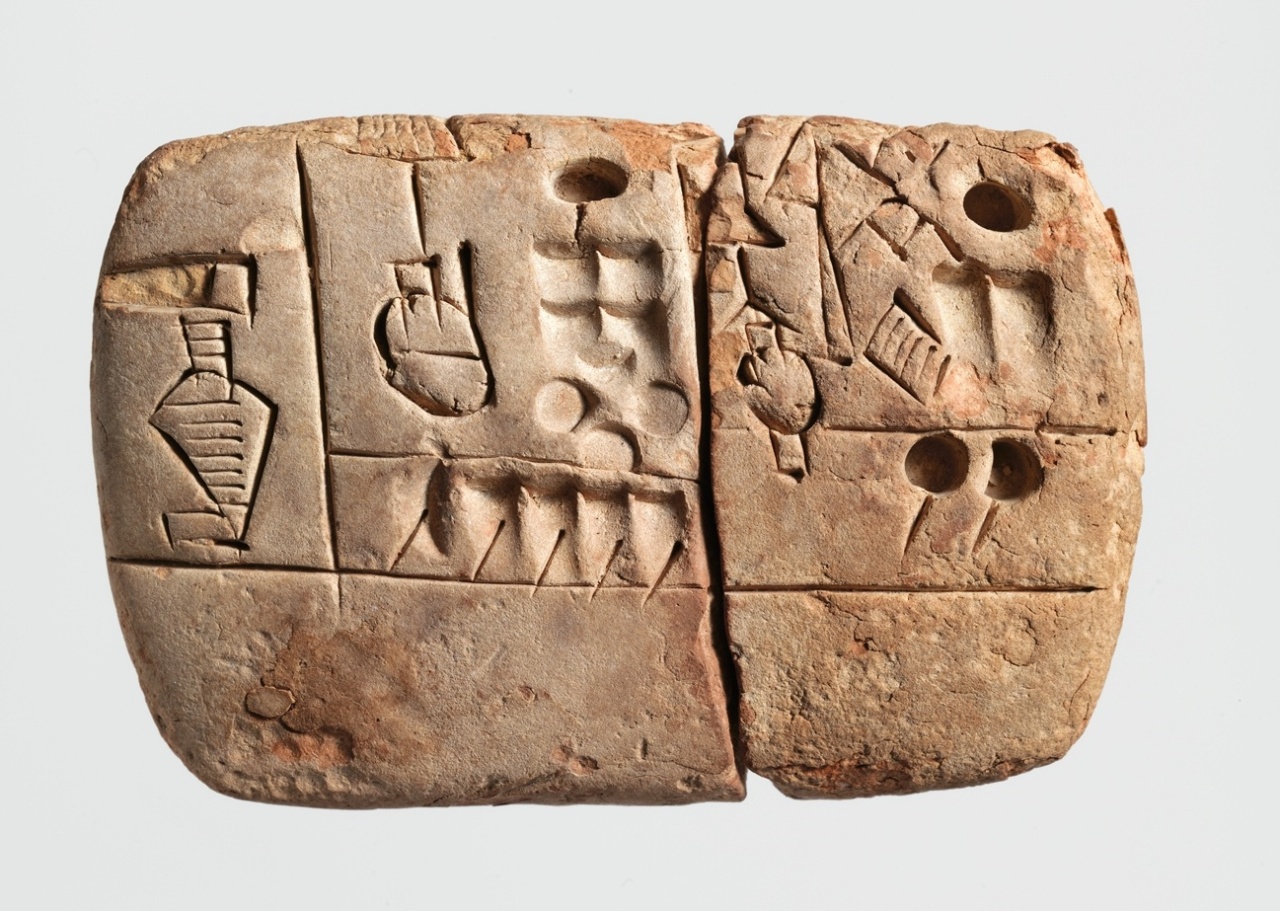
Ancient societies used loans long before banks appeared. In Mesopotamia, Egypt, Greece, and Rome, people borrowed money to get through a bad harvest, long trade delays, or a sudden shortage of food. Archaeologists have found thousands of Sumerian tablets with debt records, and some of them are kept in the British Museum today.
Modern America deals with the same kind of trouble. The Federal Reserve says that about 37% of American households can’t easily cover an unexpected $400 expense without borrowing. Let’s find out how ancient credit systems correspond to the modern ones and what lessons we can learn from them.
Why Ancient Communities Borrowed
A lot of people felt financially unstable, and many risks were simply out of their control. FAO data shows that in years when the Nile was in poor condition, Egypt’s harvest could be reduced by about 40%. This problem pushed people to borrow because they didn’t have other options. Besides a weak harvest, ancient people also relied on loans due to uneven incomes, the need to finance funerals or weddings, or a long trade delay.
Mesopotamia and the First Written Debts
In Mesopotamia, credit became part of everyday economic life. Temples and palaces lent grain and silver, and every obligation was written on clay tablets. Their system had a few traits:
●Interest rates were set by law.
●Grain worked as a kind of currency.
●Repayment could wait until the harvest.
●Sometimes rulers even introduced debt cancellations.
The Code of Hammurabi set a 33% rate on grain loans and 20% on silver. So that is one of the earliest signs of regulated lending.
Egypt and Grain Loans as Early Insurance
Egypt’s economy depended on the Nile so much. The state kept part of the harvest in storage and lent grain to farmers until the next season. It worked like a mix of credit and insurance.
Grain acted as a food and a payment tool. Most loans usually covered the cycle from planting to the new harvest. And the rates often stayed around 33%, which was common for farming economies.
Greece and Rome: Commercial Loans and Early Limits
In Greece, traders often used maritime loans. They could borrow for risky routes, and the rate changed depending on the danger. In Rome, laws were created to control interest. But later, they moved away from debt slavery because society pushed back. Maritime loans could range from 12% to 30%. Ships and goods were used as collateral. Lex Genucia limited the annual rate to about 8%, and it was an early way to protect borrowers.
Ancient Credit Tools That Still Exist Today
Some financial systems that seem modern actually have ancient origins. Here are some examples:
● Installment-style repayments. It is similar to Egypt’s seasonal cycles
● Short-term “pre-harvest” loans. It is an early equivalent of payday-style borrowing
● Community lending pools. It is like the prototypes of credit unions
Parallels With the Financial Behavior of Americans
Today, American households borrow for the same reasons ancient people did. Federal Reserve data show that 44% of households face an unexpected expense every year. Many modern financial analysts point out that short-term borrowing often appears when families face sudden income gaps. This is consistent with the view of experts. Gregory Allen, the CEO of ASAP Finance, notes that Americans often turn to short-term loans when dealing with unexpected financial pressure. However, the final outcome depends on the lender’s terms and whether the borrower can manage the repayment on time.
Lessons Modern America Can Take From Ancient Civilizations
Federal Reserve data show that rising household debt continues to pressure budgets, making ancient insights increasingly important for the modern U.S. economy. Here are several financial principles are still relevant:
●Clear and transparent interest rates help prevent debt traps.
●Credit tied to predictable income reduces repayment risk.
●Temporary debt relief helps stabilize economies during crises.
● Excessive household debt harms the broader economy.
●Basic financial literacy was valuable thousands of years ago and still matters today.
Final Thoughts
Ancient credit systems are not just historical curiosities. They reveal patterns in human financial behavior. Mesopotamian grain loans, Egyptian granaries, and Roman interest laws demonstrate that people have always used credit to manage uncertainty.
History suggests that effective lending requires transparent terms, income-based repayment, and responsible borrowing. These lessons connect ancient economies with the financial realities that Americans face today.