
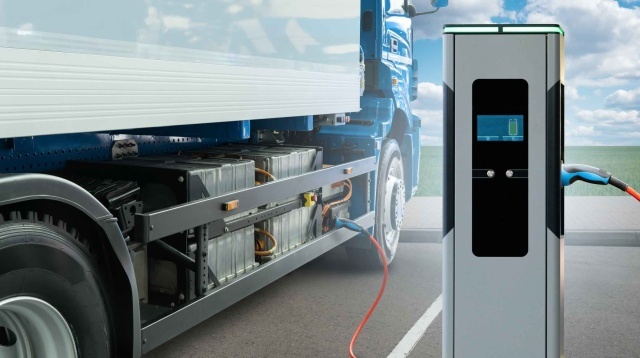
For much of the early adoption cycle, discussions around EV infrastructure focused heavily on charging speed. Faster charging was often seen as the primary benchmark for progress, especially as electric vehicles worked to overcome concerns around range and convenience. As EV adoption has grown and diversified, however, the factors influencing infrastructure decisions have begun to shift.
Today, charging infrastructure is increasingly evaluated in the context of where, how, and by whom it is used. Residential settings, workplaces, fleet depots, and public locations each introduce different operational requirements. As a result, speed remains relevant, but it is no longer the sole or even primary consideration in many deployment scenarios.
Moving Beyond Charger Categories
EV chargers are typically grouped into Level 1, Level 2, and DC fast charging. While these categories remain useful for understanding technical capabilities, they provide only a partial picture of how charging infrastructure performs in real environments.
Level 1 charging, often associated with standard household outlets, continues to serve drivers with predictable, low-mileage routines. Level 2 charging has become common in homes, workplaces, and long-dwell public locations, offering a balance between charging time and installation complexity. DC fast charging plays a critical role in high-turnover environments such as highway corridors and fleet operations where minimizing downtime is essential.
From Charger Type to Operational Fit
In practice, many organizations find that selecting EV infrastructure based solely on charger categories does not fully address real operational needs. While distinctions such as Level 1, Level 2, and DC fast charging remain useful at a technical level, they often fall short when applied to diverse, real-world environments. Factors such as dwell time, available electrical capacity, site layout, and user behavior increasingly influence how charging systems are planned and evaluated.
Historically, Level 2 charging has served as a practical middle ground in many residential, workplace, and other long-dwell settings. Its balance of installation requirements and charging performance has aligned well with predictable usage patterns, where vehicles remain parked for extended periods. In these contexts, infrastructure decisions have typically prioritized reliability and ease of use rather than maximizing charging speed.
Real World Performance as a Decision Driver
As EV infrastructure continues to mature, attention is shifting from charger classifications toward how systems perform within broader operational contexts. Across the industry, including among equipment manufacturers such as ChargeTronix, this shift is increasingly framed around the distinction between basic charging capability and added intelligence. While Level 2 installations remain common at long-dwell sites, performance is now often evaluated based on connectivity, load management, and the ability to support data-driven operations across both AC and DC environments, rather than charging speed alone.
Recent industry comparisons examining traditional Level 2 chargers alongside networked or smart configurations suggest that distinctions today are often less about raw charging speed and more about integration. In many deployments, the ability of charging hardware to coordinate with buildings, vehicles, and the electrical grid has become as important as power output itself. This perspective reinforces a broader trend in which operational flexibility and system fit play a central role in infrastructure decision-making.
The Role of Connectivity and Load Management
Connectivity is becoming a central element of modern EV infrastructure. Networked chargers allow operators to monitor usage, manage access, and adjust charging behavior based on site conditions or energy costs. For locations with multiple charging stations, load management helps prevent electrical overloads while maximizing available capacity.
These capabilities are particularly relevant in commercial and multi-unit residential settings, where charging demand can fluctuate throughout the day. Rather than delivering maximum power at all times, systems are often designed to distribute energy intelligently across vehicles. This approach supports reliability and cost control without requiring major electrical upgrades.
Cost, Operations, and Long Term Planning
As infrastructure decisions become more nuanced, total cost of ownership has gained prominence alongside upfront equipment costs. Installation requirements, ongoing maintenance, software support, and utility rate structures all influence long-term outcomes. In some cases, a charging system with moderate power but stronger operational controls may offer greater value than a faster system with higher ongoing costs. Organizations are also factoring in future adaptability. Infrastructure that can support software updates, evolving standards, or integration with energy management systems is often viewed as more resilient over time. These considerations encourage a broader evaluation framework that extends beyond charging speed alone.
Matching Infrastructure to Use Cases
Different environments continue to demand different charging approaches. Homes and workplaces benefit from predictable charging patterns and longer dwell times. Retail and hospitality locations often prioritize user experience and turnover balance. Fleet operators focus on reliability, scheduling, and minimizing vehicle downtime.
Across these scenarios, speed remains one variable among many. Increasingly, infrastructure decisions are shaped by how well charging systems align with operational realities rather than how quickly they can deliver energy under ideal conditions.
A Shift in How Progress Is Measured
The evolution of EV infrastructure reflects a broader maturation of the market. As electric vehicles become a normal part of daily transportation, charging systems are expected to integrate smoothly into existing environments rather than stand apart as specialized equipment.
In this context, progress is measured less by peak charging rates and more by consistency, flexibility, and system fit. Speed still matters, but it is no longer the defining metric it once was. Instead, successful infrastructure increasingly balances performance with practicality, supporting the diverse ways EVs are used today.