
GAMBLING IN THE PHILIPPINES
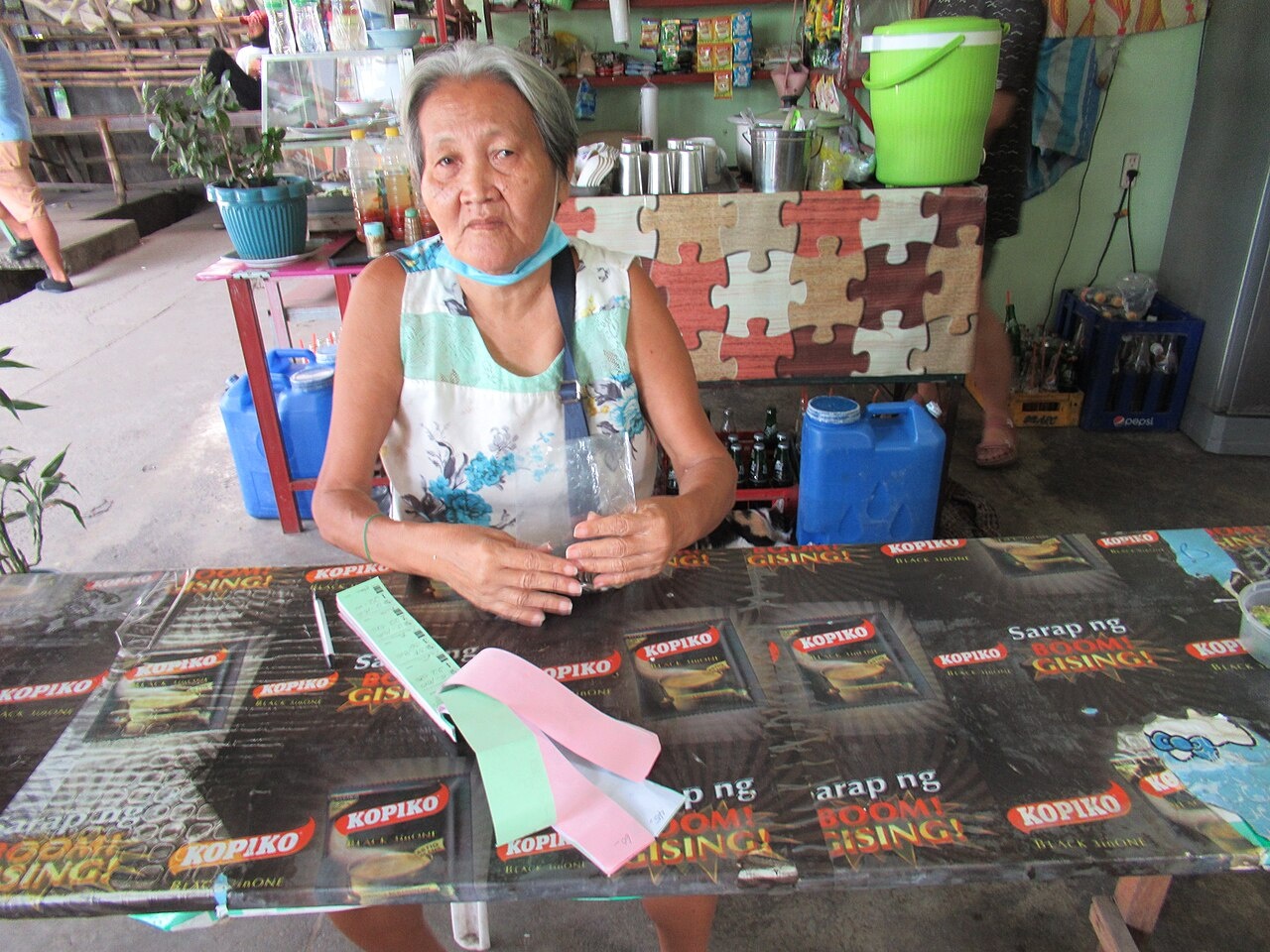
Gambling is very big in the Philippines. It permeates Filipino life from childhood to adulthood. Informal betting begins early, from games involving spiders to wagers on sports scores. As adults, people participate in a wide range of activities, from casinos and cockfighting to card games at wakes, alongside illegal options like jueteng. In the Philippines, anyone who receives an unexpected financial reward, such as from a bet, is cajoled into sharing some of it with family and friends in the form of balato. Another way to share a windfall or celebrate a happy event is to treat friends to a restaurant meal or a feast at home, called a "blow-out."
At wakes, normally illegal gambling is legally permitted to help families stay awake during mourning. Card games and betting often continue for days. In some cases, this exception is exploited to organize ongoing gambling activities. Legal gambling also thrives. Casinos, first formalized in the 1970s, now cater to both locals and foreign visitors, while cockfighting arenas draw regular crowds. For some, such as professional bettors, these activities provide a livelihood and support for their families. [Source: Bruce Wallace, Los Angeles Times, August 9, 2005]
"Gambling is not a sin," a government official said. "Even priests and nuns come to the casinos asking for jobs for their parishioners." Gambling in the Philippines is generally restricted by government laws. Illegal forms of gambling include jueteng, masiao and last two. The Philippine Amusement and Gaming Corporation is a government-run agency that controls legal gambling and runs casinos and other gambling ventures. Charity sweepstakes and lotteries are also managed by the government through the Philippine Charity Sweepstakes Office.
Alecks P. Pabico of the Philippine Center for Investigative Journalism wrote: “Are Filipinos natural-born gamblers? Marvin Castell and Joel Tanchuco, economics professors at the De La Salle University, posed this question in a paper they wrote in 2004 on what they described as a “habitual and pervasive social activity” among Pinoys. “From the humblest barrios to the most affluent villages, Filipinos are into gambling,” they observed, citing the abundance of casinos, lotto and bingo outlets, municipal cockpit arenas, card games and “cara y cruz” on city streets, and bookies that go house to house for the illegal numbers game called jueteng. [Source: Alecks P. Pabico. Philippine Center for Investigative Journalism, February 3, 2008]
A UCLA study does suggest that gambling has its roots in traditional Asian culture. The Chinese, in particular, are said to hold strong beliefs in luck, fate, and chance — concepts that many Filipinos, given China’s strong historical influence in the Philippines, also live by, and thus explain their gambling ways. Back in 1999, findings of the Social Weather Stations survey also showed that Filipinos’ moral attitudes against gambling hardly influence their gambling behavior. There were as many people (63 percent) who said gambling was bad even for small bets and when done only for a short time as those (64 percent) who admitted engaging in a gambling activity in the past 12 months. Many would however justify gambling as just a form of recreation, a “harmless” pastime, as if the amounts they’ve already lost to wagering haven’t already cost them a fortune. Such hard-earned money, Castell and Tanchuco said, should have gone to more productive pursuits like savings.
RELATED ARTICLES:
COCKFIGHTING IN THE PHILIPPINES: EVENTS, GAMBLING, DEATHS factsanddetails.com
SPORTS IN THE PHILIPPINES factsanddetails.com
FAMOUS FILIPINO ATHLETES factsanddetails.com
RECREATION IN THE PHILIPPINES: KARAOKE, GAMES AND GUINNESS WORLD RECORDS factsanddetails.com
MANNY PACQUIAO: HIS LIFE, FAMILY, POLITICS factsanddetails.com
MANNY PACQUIAO THE BOXER: EARLY CAREER, TRAINING, STYLE, ENTOURAGE factsanddetails.com
MANNY PACQUIAO AT THE PEAK OF HIS FAME: BIG FIGHTS, PACMANIA, MAYWEATHER, LOSSES factsanddetails.com
Forms of Gambling in the Philippines
Illegal forms of gambling in the Philippines include jueteng, masiao and last two. “Jueteng” is a very popular illegal numbers game called. When Joseph Estrada was president profits from the game were reputedly delivered to the presidential palace and news of this got the ball rolling for his ultimate ouster. Wetting was a popular gambling game. Gamblers bet on two out of 36 numbers on little chips in bottle. People bet small amounts of money up to three times a day. When Joseph Estrada was president money from the game was controlled by operators who funneled money up to Estrada.
Lotteries in the Philippines are organised by the Philippine Charity Sweepstakes Office (PCSO). Six numbers are randomly drawn from a certain range, depending on the type of lottery. The PCSO runs several types of lottery, such as Lotto 6/42, Megalotto 6/45 and Superlotto 6/49. A player wins the jackpot prize if their chosen lottery numbers on their card match those drawn by the host, but the amount of the prize depends on the type of lottery and how many of the chosen numbers on the card match the numbers drawn. [Source: Wikipedia]
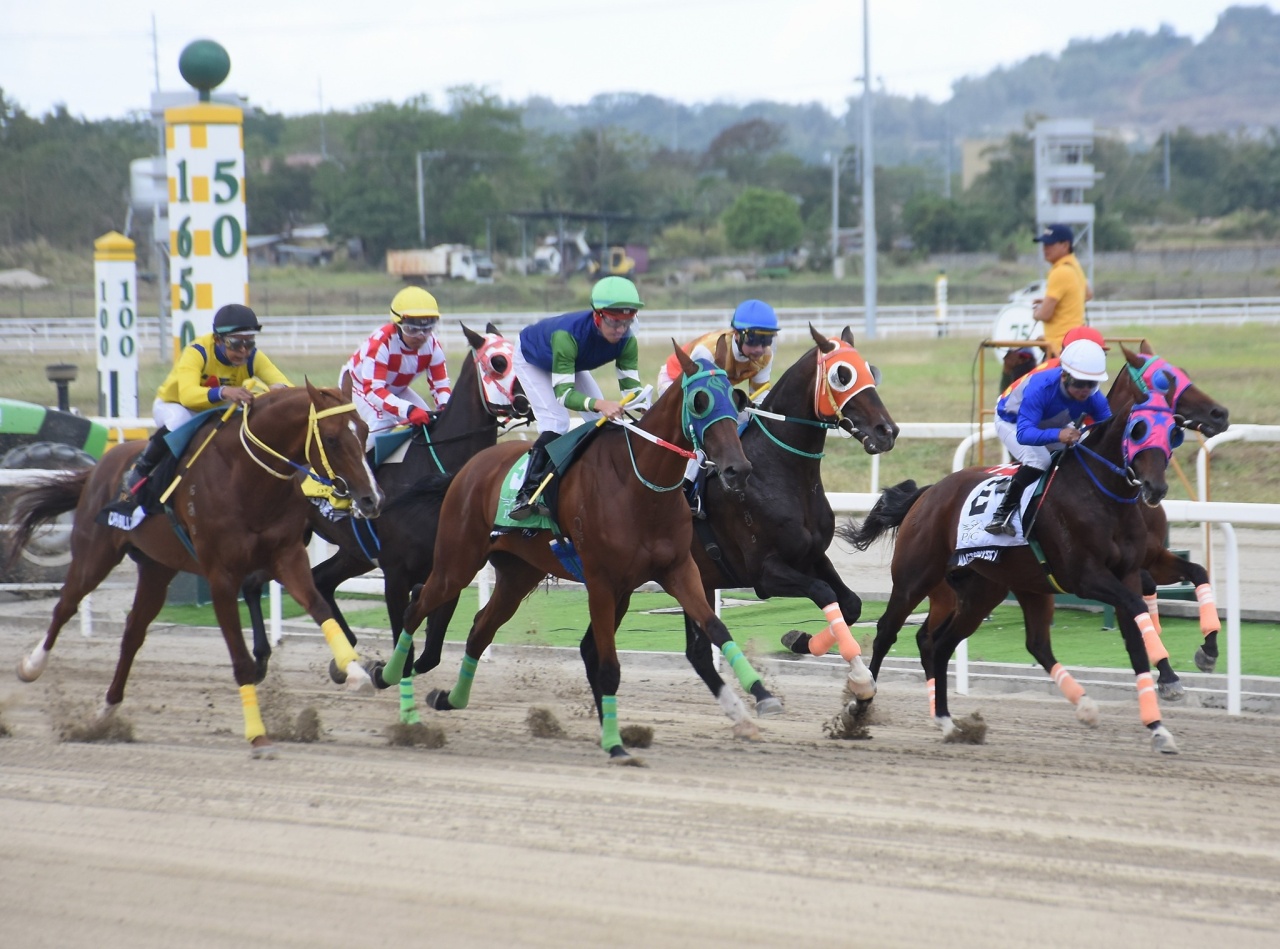
In Philippines horse racing, people place bets by giving their money to the betting stations, and claim their winnings there if they are successful. They operate pretty much the same as horse races in other places. Bets include win, place, show, Double Quinella, Forecast, Trifecta, Quartet, Daily Double, Pick 4 and Pick 6.
Gambling on the Chinese-game mahjong is popular in some circles. Former Philippine President Joseph Estrada is said to have played million dollar mahjong games and was linked with gangster and drug traffickers. When he was president he cut deals during all night majong games with his “midnight cabinet” cronies, which included some of Marcos’s cronies, gangsters and people involved in gambling and smuggling and other illicit trades. A 1996 security video tape from a casino showed Estrada gambling and serving coffee to a well known gangster.
There were no laws prohibiting online gambling. During the Covid-19 pandemic online betting on cockfights became very popular (See Cockfighting in the Philippines). But there are laws now, fueled in part by violence associated with online cockfighting. there are. In 2024, the Philippines enacted strict laws and regulations governing online gambling, with a major ban on offshore-focused online gambling operations (formerly POGOs) as part of an effort to curb illegal activities. While the government is moving toward a total ban, licensed online platforms (eGames) regulated by PAGCOR are permitted.
Bingo in the Philippines
Bingo is very big in the Philippines. It is played in Megamalls and community centers across the country. Airlines and restaurants offer their version of the game to win customers. Some restaurants give customers cards and a stamp after every meal. If they make a bingo on their card with the stamps they get a free meal. In 1999, government-authorized games pulled in 500 million pesos. A typical bingo player in the Philippines heads to a game hall at a large mall a couple times a week and wagers between $5 and $10 hoping that randomly selected numbers will match up with the numbers on his her card, and hoping to hit the jackpot.
In the late 1990s, on-line bingo games such as Bingo Pilipino became all the rage. Game cards were sold by agent using terminals that randomly printed five rows of five numbers on thermal paper. Players compared their cards with the winning pattern result at terminals, in newspapers or by watching the live television broadcast with machine that picked Ping-Pong-size ball numbered from 1 to 75. The daily jackpot was 1 million pesos. Pilipino Bingo was owned by a company called BW Resources. President Estrada was accused of profiting from trading stock for BW Resources, which shot up 5,000 percent and dropped just a quickly and triggered the Philippines’ largest stock scandal ever and almost caused the closure or the Philippines stock market.
The Philippines’ largest electronic bingo operator, Leisure & Resorts World Corporation, was hit hard by President Rodrigo Duterte’s campaign against online gambling in 2016. Its shares dropped sharply after the regulator, Philippine Amusement and Gaming Corporation, announced it would stop issuing new licenses and refuse to renew expiring permits for electronic gaming platforms, including e-bingo. [Source: Ian Sayson and Cecilia Yap, Bloomberg, August 21, 2016]
Online bingo had been the dominant form of internet gambling in the country, accounting for most electronic gaming revenue. The crackdown signaled a major shift in policy, as Duterte sought to eliminate or tightly control online gambling due to concerns about its social impact, particularly on low-income communities. The move also affected other industry players, including PhilWeb Corporation, whose license was not renewed. Its chairman, Roberto Ongpin, resigned after being criticized by Duterte, and the company’s stock value plunged significantly.
Jueteng
Jueteng (pronounced hwe-teng) is a highly-popular, illegal numbers game played in the Philippines, dating back to Spanish colonial times. It involves betting on combinations of 37 numbers (totaling 1,369 possible pairs), often operated by local syndicates. Players bet on two numbers from 1 to 37. Winning combinations are drawn from a tambiolo (receptacle).
Nearly half the population lives on less than a dollar a day, and the game offers a simple chance at quick winnings. Players place small bets, and can win at odds of 45 to 1, with multiple draws held daily. Opponents of the game argue that jueteng drains money from low-income communities while enriching gambling operators and corrupt officials. The system allegedly funnels payments to police and politicians, creating a network of protection and influence that reaches into national politics. [Source: Bruce Wallace, Los Angeles Times, August 9, 2005]
According to Kubrador of Bet Collector: “ Jueteng originated from China and means "flower" (jue) and "bet" (teng). Participation crosses most, if not all social and economic boundaries, played by rich and poor alike. With long odds and no limits on minimum or maximum bets, the lure of quick riches through a lucrative payout is by far its strongest appeal. The game relies heavily on having a large number of wagers, and there is no limit to the amount of the bet(s).
Usually the gambler selects two numbers from 1 through 37, and the winning number is determined by selecting a pair of numbers from two sets of 37 numbered balls. Thus the theoretical odds of winning on any one play are one in 37 X 37 or 1/1369 with payout of 1:800. This is unlike the numbers games in the U.S. during the early part of the 20th century, where the last digit of the winning pay out or the number of the winning horse for three consecutive races determined the winning combination.[Source: Kubrador - Bet Collector, Facebook]
Although much has been done to curtail or eradicate this form of unregulated gambling by government and community leaders, it appears that such efforts have fallen by the wayside due to its vast popularity, and the poverty which cripples the country. Ironically, in the 80s, the Philippine Charity Sweepstakes Office (PCSO) once sanctioned and operated a similar game, called "Small Town Lottery," which spawned the popularity of the game.
Jueteng Corruption and the STL
Jueteng is banned, yet often operates openly, particularly in rural areas. It serves as a major source of corruption for local politicians and police. Testimony from former insiders details jueteng’s political connections. Witnesses have described money laundering operations and alleged links between gambling proceeds and election funding. The issue underscores the broader role of jueteng in Philippine society. Though based on small individual bets, the total sums involved reach billions of pesos, giving the industry significant economic and political influence. As one critic put it, jueteng operates like a parallel system of power, comparable to the role of drug money in other countries. Efforts to expose and dismantle it have faced resistance, including alleged attempts to silence investigators with financial incentives. [Source: Bruce Wallace, Los Angeles Times, August 9, 2005]
The Small Town Lottery (STL) was established by the Philippine Charity Sweepstakes Office (PCSO) to provide a legal alternative and generate revenue, jueteng often replaces it due to weak enforcement, especially when STL operations are suspended. Jueteng thrives in poor communities, often operated by "gambling lords" who do not pay taxes, resulting in billions of pesos in lost revenue for the government. "Bookies": A term used to describe illegal betting operations that operate in parallel with, or in place of, legitimate STL games. There have been recent reports (as of early 2026) regarding the resurgence of jueteng operations in areas like Albay following the suspension of authorized STL operations.
In 2013, the Philippines Daily Mirror reported: “Jueteng is a poor man’s lottery. But the people behind it are far from being poor. It involves billions of pesos. There is talk that transactions or bets in jueteng are mostly done in smaller denominations or in coins, but the collections produce numerous sacks of coins. The Small Town Lottery, which was created in 2005 purportedly to stamp out jueteng, reported that in Pampanga province alone, it was able to gross P2.5 billion ($60.975 million) in the seven years of its existence, according to an Inquirer.net report in 2012. [Source: Philippines Daily Mirror, January 18, 2013 /]
“Jueteng payoffs are big enough to prop up or cause the downfall of a president. Remember that the expose’ that the Estrada family was receiving jueteng payoffs caused the downfall of the administration of Joseph Estrada. Early into the Aquino administration, Bp. Oscar Cruz, a known crusader against jueteng, revealed that after the Arroyo administration relinquished power to the Aquino government, the jueteng payoffs allegedly went to then Local Government Undersecretary Rico Puno and then police chief police chief Jesus Verzosa. President Benigno Aquino III merely brushed off the accusations against Puno, his buddy and fellow gun enthusiast.” /
Effort to Shutdown Jueteng
In 2005, the Los Angeles Times reported: In ordinary times, waking from a dream about a priest would point you straight to number 29 in that day’s jueteng draw. In this underground lottery, every image carries meaning and every symbol corresponds to a number: spotting a car might mean betting on 4, while a spider suggests 22.[Source: Bruce Wallace, Los Angeles Times, August 9, 2005]
That system has been rendered useless for now. With President Gloria Macapagal Arroyo facing possible impeachment over claims that jueteng money helped fund her 2004 reelection campaign, operators have suspended the game. Across towns like Lubao, collectors known as cobradors—who once gathered bets door to door—have stopped working, leaving regular players without access to their daily wagers.
The halt has been widely felt. In billiard halls, karaoke bars, and market stalls, people complain about the absence of jueteng. Vendors note the timing of the shutdown around the death of Pope John Paul II, while nearby government lottery outlets draw long lines of customers who see little hope of winning. For many, legal alternatives fail to match the appeal of jueteng.
Claims that President Joseph Estrada received jueteng payoffs led to his removal from office, elevating Arroyo to the presidency. In 2005, similar accusations—supported by witnesses in Senate hearings—have implicated members of Arroyo’s family, prompting political backlash and further investigations.
The scale of the industry is illustrated by figures like “Boy Mayor,” a former operator who ran a large jueteng network employing hundreds of collectors and generating tens of thousands of dollars daily. He described how a significant portion of earnings went to protection payments and winnings, and how political connections were central to the business.
Despite his success, he later became concerned about the damage caused by the game, citing cases of addiction, financial ruin, and family hardship. After considering leaving the trade, he faced threats and sought protection from church officials, eventually agreeing to testify about the system’s inner workings.
For the complete article from which the material here is derived see Filipinos “Miss the Jackpot”, Bruce Wallace, Los Angeles Times, August 9, 2005 latimes.com
Gambling-Related Violence in the Philippines
In June 2011, unidentified assailants firebombed a government-run radio station in Tabuk City after it aired reports criticizing the illegal numbers game jueteng. The attack was believed to be an effort to silence media coverage of the underground gambling network, highlighting the risks faced by journalists exposing such activities. [Source: Southeast Asia Press Alliance, June 15, 2011]
In November 2011, a man who lost a coin-toss game at a festival in Carmen, Mindanao, threw a grenade into a crowd after accusing another man of cheating. The explosion killed one teenager and injured more than 20 others.[Source: AFP, November 15, 2011]
In January 2013, an incident in Atimonan, Quezon left alleged jueteng operator Vic Siman and 12 others—among them police officers and soldiers—dead in what authorities initially described as a shootout. However, a police investigation later suggested the shooting was likely an ambush staged to look like a legitimate encounter, citing inconsistencies in the positioning of bodies and weapons. Witness accounts and reports indicated the killings may have been part of a turf war over control of jueteng operations in Laguna. The attack was allegedly aimed at eliminating Siman, a rival to another gambling faction with connections to a senior police official. The official who led the operation reportedly refused to cooperate with investigators, raising further suspicion. The case was compounded by the subsequent killing of one of Siman’s aides during a police operation, as well as questions about the involvement of both police and military intelligence units. The incident highlighted concerns over collusion between law enforcement and illegal gambling networks, as well as the violent competition among rival operators. [Source: Philippines Daily Mirror, January 18, 2013]
In June 2017, at Resorts World Manila, a gunman set fire to gaming tables inside the casino complex. The resulting smoke killed at least 36 people, mostly from suffocation. Initially feared to be a terrorist attack, authorities later determined it was carried out by Jessie Javier Carlos, a heavily indebted gambling addict attempting a robbery. His actions caused mass panic, with many victims trapped after hiding from perceived gunfire. [Source: Oliver Holmes, The Guardian, June 2, 2017; Karen Lema, Reuters, June 4, 2017]
Casinos in the Philippines
In Metro Manila alone, there are around 20 casinos. Prominent casinos include Solaire Resort and Casino and City of Dreams Manila. Calabarzon, located south of Manila, has 5 casinos while the Visayas and Mindanao have around 10 gambling areas. There are also plans to expand into areas like Cebu City and Cagayan de Oro.
In the early 2010s, Manila emerged as a new center in the global casino industry, with developers aiming to transform the Philippine capital into a major gambling destination comparable to Macau and Las Vegas. At the center of this push was businessman Enrique Razon Jr., who invested heavily in building a large-scale casino resort to attract international players. Through Bloomberry Resorts Corporation, Razon was developing the Solaire Manila resort, part of a broader government-backed plan to create an “Entertainment City” along Manila Bay. His strategy focused on drawing high-spending foreign gamblers, particularly from China and Korea, by offering competitive tax rates and luxury amenities. [Source: Kate O'Keeffe, Wall Street Journal, April 18, 2012]
Razon was not alone in this effort. Other major projects backed by regional developers — including ventures involving Kazuo Okada and partnerships with Malaysian and Philippine firms — were also underway, signaling strong confidence in the Philippines as a rising gaming market. The push came amid a global shift in the casino industry, with Asia expected to surpass the United States in gambling revenue. While Macau already dominated the market, developers saw opportunities in Manila as Chinese gamblers sought alternatives due to tighter regulations at home and in established hubs.
The Philippines’ ambition to become a major global gambling hub was highlighted by the opening of Razon’s Solaire Resort and Casino in Manila, a $1 billion development, in 2013. Solaire, one of the largest hotel-casino complexes in the Philippines at the time of its opening, contains hundreds of rooms, gaming tables, slot machines, restaurants, and entertainment facilities. It was the first of four planned resorts in Entertainment City, a major government-backed project intended to boost tourism, employment, and economic growth. [Source: Oliver Teves, Associated Press, March 14, 2013]
Officials projected that the country’s gambling revenue could grow significantly driven by foreign high rollers. A key advantage was the Philippines’ relatively low casino tax rate, which made it attractive to junket operators bringing in wealthy gamblers, particularly from China and Southeast Asia. The Solaire resort targeted international clients, offering a mix of Las Vegas-style entertainment and Macau-style VIP gaming. Many of its staff were experienced casino professionals recruited from established gaming markets.
Despite its potential, the industry faced challenges, including concerns about crime, security, and the country’s image among foreign tourists. Past incidents, such as attacks on visitors, had affected tourism, and perceptions remained an obstacle. There was also domestic opposition, particularly from the Catholic Church, which criticized the expansion of gambling. Nonetheless, the government promoted casino development as part of a broader strategy to generate jobs, increase tourism, and strengthen the economy.
City of Dreams
In 2015, the City of Dreams mega-casino complex opened in Manila, Philippines, marking a major addition to the country’s growing gaming and entertainment industry. Developed by Melco Crown Entertainment, the $1-billion resort launched with a high-profile celebration featuring fireworks, celebrity guests including Kelly Rowland and Ne-Yo, and performances for invited guests. [Source: Mary Forgione, Los Angeles Times, February 3, 2015]
Located in Parañaque along Roxas Boulevard, City of Dreams is part of the larger Entertainment City project, which aims to position the Philippines alongside major global gambling hubs such as Macau, Singapore, and Las Vegas. When fully completed, the development is expected to include four major casino complexes. The resort features modern glass towers surrounding a centerpiece known as the “Fortune Egg,” designed as a landmark attraction. Inside are nightlife venues such as the Pangaea and Chaos clubs, along with an entertainment bar offering live performances on the casino floor. City of Dreams includes three hotels—Crown Towers, Nobu Hotel, and Hyatt City of Dreams Manila—as well as high-end dining options, including the well-known Nobu restaurant and Crystal Dragon, which focuses on Chinese cuisine aimed at attracting high-rolling players.
City of Dreams Manila has had its ups and downs financially. It began with heavy losses, including about $67 million in early 2015 due to high startup and operating costs, but later recovered and became a strong revenue contributor as gaming demand grew. The resort was then hit hard by the COVID-19 pandemic, which caused sharp declines in revenue and profitability. Although operations continued, recovery has been uneven, with ongoing challenges from reduced tourism and shifting market conditions.
By 2025, the property faced renewed pressure, including a roughly 25 percent revenue drop driven by declining VIP gaming activity and fewer visitors from key markets such as China and South Korea. Belle Corp also reported a significant decline in its share of gaming income. Rising competition, inflation, and regulatory changes have further strained performance, leading to discussions about possibly selling stakes to manage debt. Despite these challenges, City of Dreams Manila remains operational, adapting to a more difficult and uncertain business environment.
Okada Manila
Okada Manila is a large integrated resort and casino that opened in 2016 in Entertainment City. Spanning about 30 hectares, it is known for its luxury positioning, nearly 1,000 hotel rooms, extensive gaming facilities, including more than 500 gaming tables and 3,000 poker machines, more than 40 restaurants, and major attractions such as a large choreographed fountain and the Cove Manila indoor beach club. [Source: Ian C Sayson, Bloomberg, July 19, 2016]
The resort offers a wide range of amenities, including a large gaming floor, high-end accommodations with advanced in-room technology, and leisure facilities such as a spa and a children’s activity center. It combines entertainment, hospitality, dining, and retail in a single complex aimed at both local and international visitors.
Developed by Kazuo Okada through Universal Entertainment Corporation, the project was one of the largest investments in the Philippine gaming sector, with costs estimated between $2.4 billion and $4 billion. It was designed to compete with major Asian gambling hubs and attract high-spending foreign players, particularly from East Asia.
Okada Manila is part of a broader plan to transform Manila into a regional gaming destination, alongside other major resorts in Entertainment City. It quickly became one of the largest casino properties in the Philippines, intensifying competition within the local gaming industry and contributing to concerns about oversupply.
Financial performance has been uneven. The resort experienced strong early growth, particularly in mass-market gaming, but suffered major losses during the COVID-19 pandemic. By 2023, it had largely recovered, with significant increases in gaming revenue as operations normalized. However, by 2025 the resort faced a sharp downturn, with gross gaming revenue falling by about 34 percent and profits dropping steeply. The decline was attributed mainly to reduced VIP traffic from China and South Korea, as well as tighter travel and visa conditions. In response, the operator has begun expanding into online gaming to offset weakening revenues from its physical casino operations.
Efforts to Shutdown Chinese Gambling in the Philippines
Philippine authorities have carried out repeated crackdowns on illegal online gambling operations, many of which cater to customers in China. In December 2019, immigration officials arrested 342 Chinese nationals working permits at an unlicensed online gaming site in Manila, suspected of involvement in cybercrime and investment scams. Similar raids in previous months also led to hundreds of arrests tied to fraud and illegal activities. [Source: Associated Press, May 31, 2020, AFP, December 20, 2019, Neil Jerome Morales and Farah Master, Reuters, May 8, 2017]
The rapid growth of Philippine offshore gaming operators (POGOs) has brought economic benefits but also controversy. The industry has attracted large numbers of Chinese workers, many entering illegally, and has been linked to tax evasion, rising property costs, and limited job opportunities for locals. Security officials have also raised concerns about national security risks tied to the influx.
Enforcement actions continued in 2020, when police arrested 90 Chinese nationals and two Malaysians in Cavite for running an illegal online gambling hub while violating pandemic restrictions. Authorities seized computers, phones, and cash, and filed criminal complaints against those involved.
Illegal gambling operations have also been associated with broader criminal activity, including fraud, kidnappings, and exploitation within Chinese communities. Despite this, licensed online gambling remains a major source of government revenue, creating tension between regulation and economic dependence.
The Philippines and China have cooperated in efforts to combat illegal gambling networks. Joint operations have shut down transnational cyber-gambling sites, frozen bank accounts, and led to arrests, as part of China’s broader campaign against capital outflows and overseas betting targeting its citizens.
However, certain practices such as “proxy betting”—where gamblers place bets remotely through agents in Philippine casinos—continue to operate in a legal gray area. While contributing significantly to casino revenues, this system has drawn warnings from Chinese authorities and may face increased scrutiny in future crackdowns.
Korean-Run Dog Fights in the Philippines
Dog fights are carried out in the Philippines but not by Filipinos — but by South Koreans. In December 2011, Philippine authorities arrested six South Korean nationals in connection with a large-scale dog fighting ring. The operation reportedly included filming matches and streaming them live online to viewers in South Korea through a gambling website. [Source: Korea, Animal Rights Advocate, December 4, 2011]
According to reports by ANC and ABS-CBN News, the arrests took place in Indang, Cavite, after several days of police surveillance. The fights had reportedly been running for over a month. Acting on a tip, authorities apprehended the six Koreans along with 17 Filipino workers. Police began preparing charges under Republic Act 8485, or the Animal Welfare Act, which carries penalties ranging from six months to two years in prison, fines, or both.
Investigators found that the fights were recorded using multiple cameras positioned around the venue and transmitted to a control room. The footage was believed to be streamed live for online gambling audiences in South Korea. Dog fighting is illegal in both countries. The Philippine Animal Welfare Society welcomed the arrests, noting ongoing cooperation between law enforcement and animal welfare groups. The organization reported receiving several animal cruelty complaints daily and highlighted previous cases involving severe abuse.
In March 2012, police raided a dogfighting facility in a town south of Manila and rescued around 300 pitbulls, many with ripped ears and tongues, police and veterinarian officials said. Associated Press reported: “Officers arrested two South Korean men suspected of operating the facility and four Filipino security guards during the raid on a 2-hectare (5-acre) compound in San Pablo township in Laguna province, said Renante Galang of the national police criminal investigation group. The raid followed two weeks' surveillance. [Source: Associated Press, March 31, 2012]
Galang said officers confiscated high definition cameras and computers used for an illegal online gambling game where players place bets on dogs they see in livestreamed videos. He said the two Koreans were arrested in December in a similar facility in nearby Cavite province where 256 dogs were found. He said the pair were out on bail. Anna Cabrera, program director for the Philippine Animal Welfare Society, said the dogs — pure-bred pitbulls and mixed breeds of the dogs that are known for their strength — all suffered wounds and were in very poor health. They had to euthanize at least 23 on site, she said. Veterinarian Wilford Almora said the dogs have scars from fights and many have ripped ears and tongues. Most of the bite wounds were on the forehead, ears and snout, he said. Metal fuel drums served as individual shelters for the dogs which were held by heavy steel chains, Cabrera said. The penalty if convicted of animal cruelty is a maximum two years' imprisonment.
An animal rights group based in South Korea criticized the demand for such activities, arguing that it fuels illegal operations abroad. The group also contrasted enforcement efforts, suggesting that Philippine authorities had been more active in addressing animal welfare violations. Details from the raid in 2011 indicated the scale of the operation. The Philippine National Police, working with investigators from the Animal Kingdom Foundation, uncovered a site in Cavite used for breeding and training pit bull terriers. A total of 243 dogs were found, many with injuries consistent with fighting. Veterinarians treated those that could be saved and euthanized those too badly injured.
The facility appeared to function as part of a larger network. Cameras were installed around the fighting area for online streaming, and authorities suspected the site may have supplied dogs to other locations. Investigators also considered the possibility of a broader syndicate operating across borders. Officials described the situation as unusually dangerous. Many of the dogs had been specifically bred and trained for aggression, complicating rescue efforts. Security measures were heightened at animal shelters handling the rescued dogs, reflecting concerns about potential retaliation or interference.
Ban on Offshore Gambling the Philippines
In July 2024, Philippine President Ferdinand Marcos Jr. ordered a nationwide ban on offshore gaming operators (POGOs), an industry largely dominated by Chinese firms. Announced during his State of the Nation Address, the decision was driven by allegations that many of these operations had expanded beyond gambling into serious crimes, including financial scams, money laundering, human trafficking, kidnapping, and even murder. [Source Reuters, July 22 and 24 , 2024; Jim Gomez, Associated Press, July 23, 2024]
The ban followed growing concerns over the scale of illegal activity. While only a few dozen operators were licensed, authorities estimated that hundreds of unlicensed firms were still operating. Lawmakers and investigators also pointed to corruption and links between some POGOs and local officials, allowing the industry to flourish despite repeated controversies.
The government ordered all offshore gaming operations to shut down by the end of 2024 and required foreign workers—mostly Chinese nationals—to leave the country within 60 days or face deportation. Around 20,000 workers were expected to be affected, while tens of thousands of Filipinos employed in the sector would need alternative jobs.
The industry had grown rapidly since 2016 under former President Rodrigo Duterte, becoming a major employer and source of government revenue. However, it also brought social tensions, including rising crime, illegal recruitment, and concerns over national security. The crackdown came amid broader cooperation with China in combating cross-border gambling, even as the two countries remain at odds over territorial disputes in the South China Sea. Beijing had previously urged the Philippines to ban online gambling targeting Chinese citizens.
Image Sources: Wikimedia Commons
Text Sources: “Encyclopedia of World Cultures Volume 5: East/Southeast Asia:” edited by Paul Hockings, 1993; “Culture Shock!: Philippines” by Alfredo Roces and Grace Roces, Marshall Cavendish International, 2010; Metropolitan Museum of Art; National Geographic, Live Science, Philippines Department of Tourism, New York Times, Washington Post, Los Angeles Times, Smithsonian magazine, Encyclopedia.com, Library of Congress, The Conversation, The New Yorker, Time, BBC, CNN, Reuters, Associated Press, AFP, Lonely Planet Guides, Google AI, Wikipedia, The Guardian and various websites, books and other publications.
Last updated March 2026