
HOLIDAYS IN THE PHILIPPINES
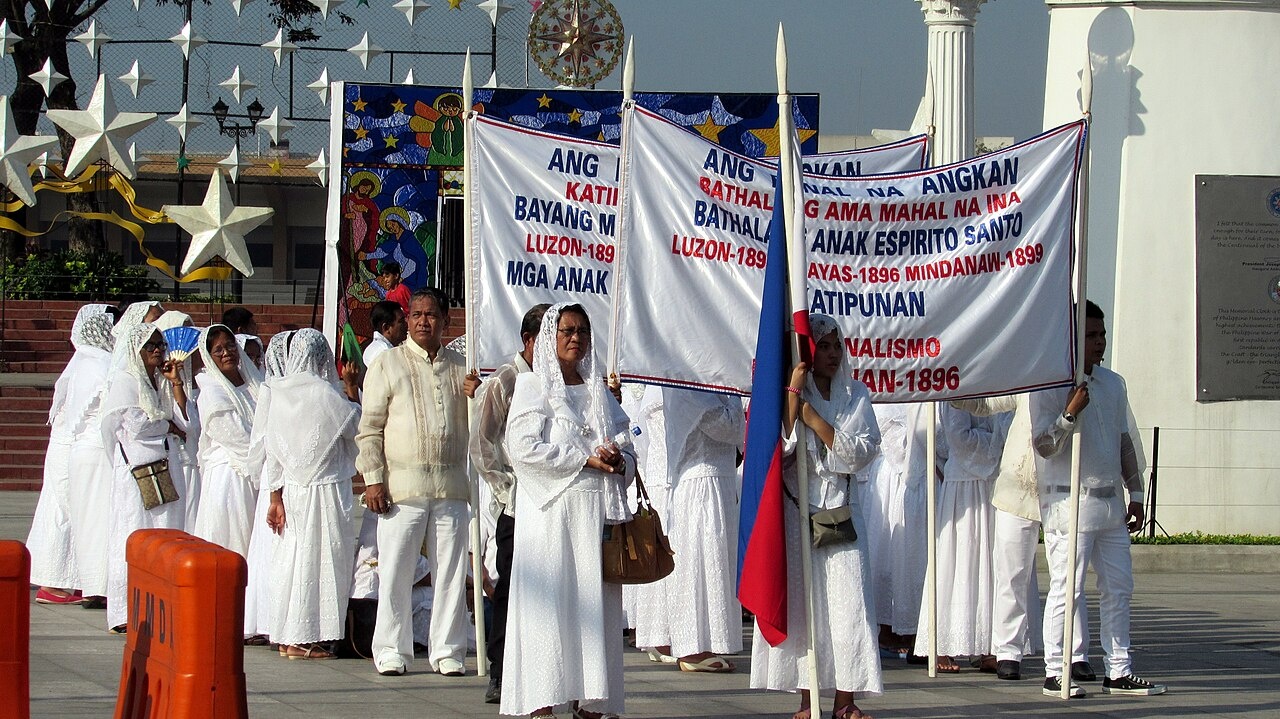
The Filipino religious calendar includes Christmas and Easter, as well as their associated observances. The Feast of Saint John the Baptist is widely celebrated, particularly in connection with rivers and other bodies of water. On Good Friday, dramatic acts of penitence are common, including self-flagellation and, in some places, ritual crucifixion at sites considered especially sacred. Baptisms, confirmations, marriages, and funerals are significant events throughout the life cycle. [Source: Encyclopedia of World Cultures, Volume 5: East/Southeast Asia, edited by Paul Hockings, 1993]
People have a strong sense of belonging to a place. A family that has lived in metropolitan Manila for two generations still regards a municipality or province as its home. New Year's Day, Easter, and All Saint's Day are the most important family holidays. Bus traffic from Manila to the provinces increases dramatically at these times, with hundreds of extra buses taking people home to their families. [Source: Sally E. Baringer, Countries and Their Cultures, Gale Group Inc., 2001]
Main Holidays in the Philippines
January 1 — New Year’s Day is a public holiday. Good luck for the new year is sought by bringing gifts to patrons, clients and friends.
Nearest Sunday from January 6 — Feast of the Three Kings marks the end of the Christmas season. Children receive gifts from the Three Wise Men from Bethlehem.
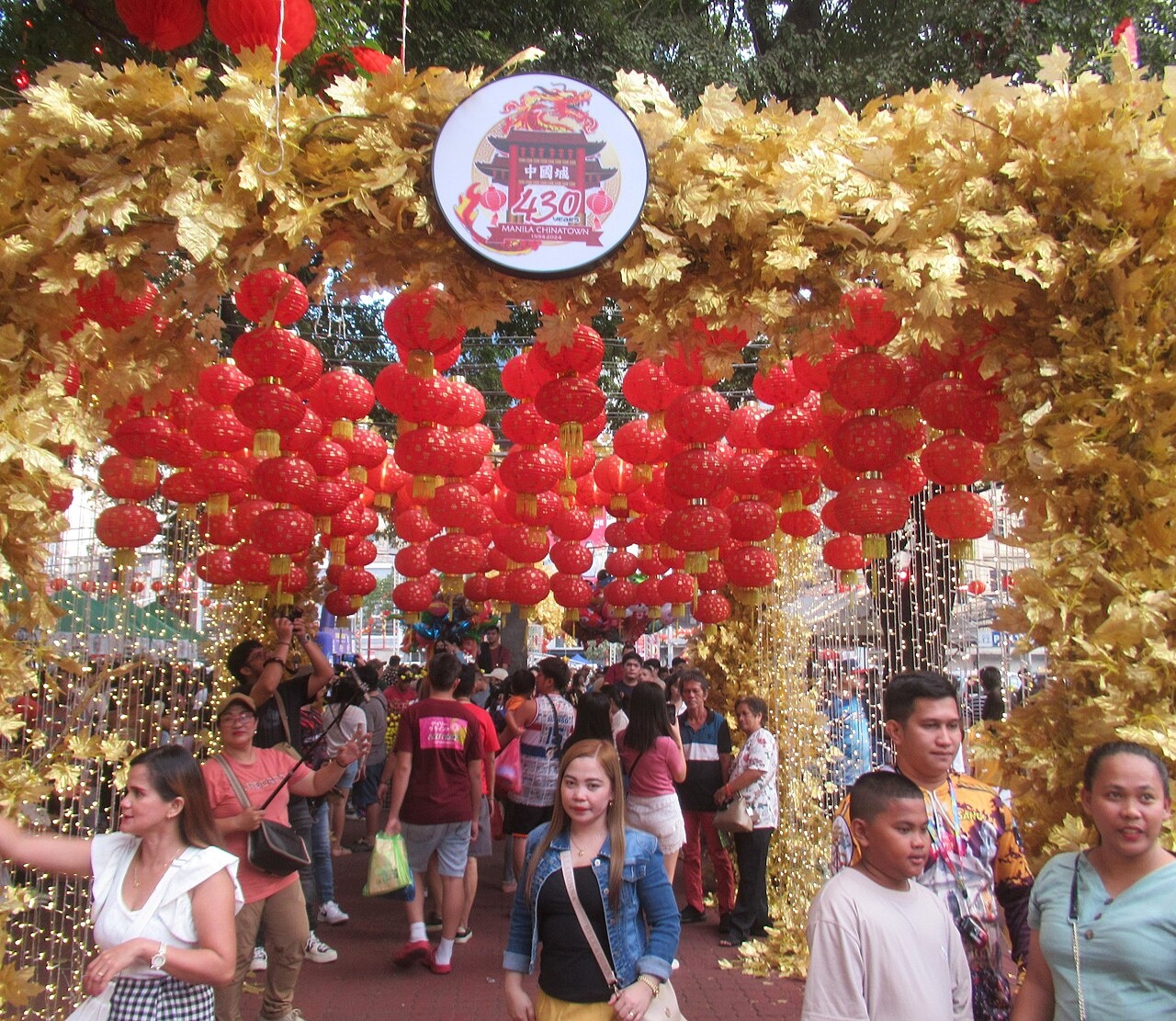
January or February — Chinese New Year is celebrated by Sino-Filipino but is not a national holiday, in In Manila, fireworks and parades take place throughout Chinatown. There are dragon dances and large signs emblazoned with: Kong Hei Fat Choy!
February 25 — Freedom Day is also known as People Power Day. It commemorates the 1986 historic EDSA (Epifanio de los Santos Avenue) people power protests that brought down the dictatorship of Ferdinand Marcos.
March or April — Holy Week is main religious season in the Philippines. Maundy Thursday and Good Friday are public holidays. Easter is on Sunday so there is no work that day either.
March or April — Holy Thursday (also called Maundy Thursday)
March or April — Good Friday
March or April — Easter
April 9 — Bataan Day (also known as Araw ng Kagitingan (Day of Valor)) is an observation of the Bataan Death March, which took place in 1942.
May — Flores de Mayo variable date
May 1 — Labor Day
June 12 — Independence Day celebrates freedom from Spanish rule. It is celebrated with fiestas, parades, speeches and fireworks.
Last Sunday of August — National Heroes Day
September 21 — Thanksgiving
November 1 — All Saints' Day
November 2 — All Souls' Day
November 30 — Bonifacio Day celebrates the birthday of Andres Bonifacio. This day used to commemorate all heroes but now focuses on Bonifacio, the revolutionary who headed the Katipunan, the organisation which set off the armed uprising against Spain in 1896.
December 25 — Christmas Day
December 30 — Rizal Day commemorates the execution by the Spanish of José Rizal by a firing squad on Luneta (now Rizal Park) in 1896 rather than his birthday (19 June).
Muslims celebrate Islamic festivals. Eid al Fitr (the last day of Ramadan, movable date) is the biggest celebration.
RELATED ARTICLES:
CHRISTMAS SEASON IN THE PHILIPPINES: PRE-DAWN MASSES, PAROLS, EVENTS factsanddetails.com
FIESTAS IN THE PHILIPPINES: HISTORY, PURPOSE AND WHAT THEY ARE LIKE factsanddetails.com
FAMOUS FESTIVALS IN THE PHILIPPINES: BLACK NAZARENE, ATI ATIHANS, MASSKARA factsanddetails.com
HOLY WEEK AND LENT IN THE PHILIPPINES: VOWS, TABOOS, BLOODY PROCESSIONS, GETTING NAILED TO A CROSS factsanddetails.com
RELIGION IN THE PHILIPPINES factsanddetails.com
CATHOLICISM IN THE PHILIPPINES: LIFE. INFLUENCE, SAINTS, POPE VISITS factsanddetails.com
CATHOLIC PRACTICES IN THE PHILIPPINES: PRAYER LADIES, SANTOS, BAPTISMS factsanddetails.com
For articles on the Catholic Church in general see CATHOLICS factsanddetails.com
For Information in the Festivals of Different Ethnic Group See the Ethnic Groups and Minorities listed Under the MINORITIES factsanddetails.com
FUNERALS IN THE PHILIPPINES factsanddetails.com
May Fiestas in the Philippines
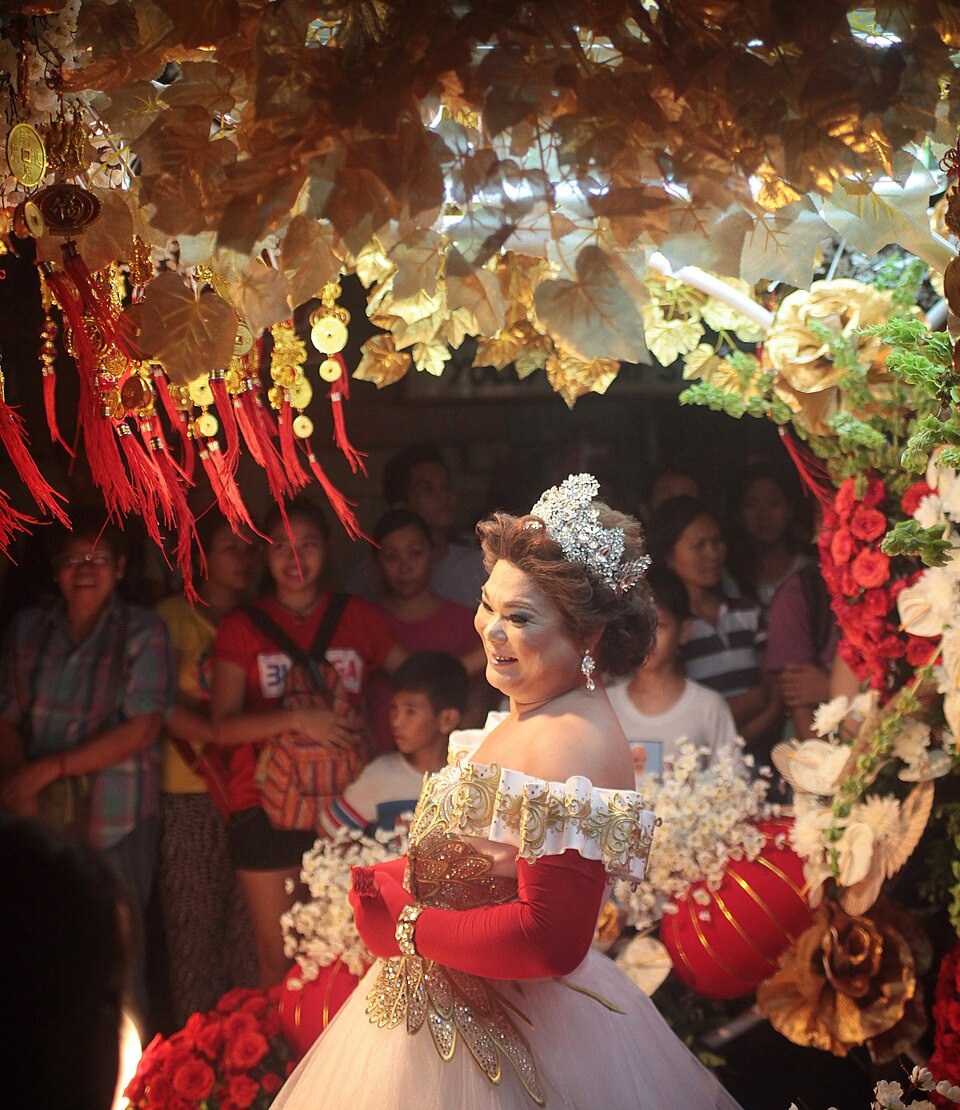
Many Philippine town fiestas occur in May, the final month of the dry season just before the rains arrive and the planting season begins. For farmers, this period is traditionally a time of relative leisure, making it an ideal moment for celebration. Even feast days of patron saints that fall at inconvenient times are often moved to May. In the Tagalog region alone, the anthropologist Frank Lynch once counted more than fifty town fiestas during this month. Because fiestas are also associated with prayers for rain, good harvests, and plentiful fish from rivers and seas, May is widely considered an auspicious time for such celebrations, and the rains often arrive soon after the festivities. [Source: “Culture Shock!: Philippines” by Alfredo Roces and Grace Roces, Marshall Cavendish International, 2010]
Among the most notable May celebrations are the Santacruzan and Flores de Mayo, which combine religious devotion with social pageantry. During these events, young girls are chosen as reinas or queens and dressed in elegant white gowns crowned with floral tiaras. They parade through the streets in colorful processions that honor the Virgin Mary and commemorate the story of Helena of Constantinople and her legendary search for the Holy Cross. At the same time, the celebrations provide communities with an opportunity to showcase the beauty, grace, and charm of girls from childhood to marriageable age.
Fiestas also highlight many social and recreational activities alongside religious rituals. Traditional games such as palo sebo, in which participants attempt to climb a greased bamboo pole to retrieve prize money at the top, and juego de anillo, a ring-piercing contest introduced during Spanish times, remain popular attractions. In the traditional version of juego de anillo, a boy and a girl ride in a carriage and attempt to spear suspended rings with a pole, though today boys often perform the game on bicycles. Modern fiestas also include basketball and volleyball tournaments, singing and dancing competitions, and oratorical contests. Major family milestones—such as baptisms, confirmations, and weddings—are often scheduled during fiesta time, a practice that dates back to earlier periods when priests visited rural parishes only occasionally, making the fiesta an ideal occasion to perform several important rites while clergy are present.
Manila Area Festivals
Fiestas in Manila differ somewhat from those held in smaller towns throughout the country. The vast, highly urbanized environment of the capital often lacks the close-knit community spirit found in provincial areas, making the celebrations less communal in character. Nevertheless, traditional cultural performances such as the Moro-moro or comedia can still be seen in places like Parañaque, as well as at institutions such as the Cultural Center of the Philippines and through programs organized by the Department of Tourism. [Source: “Culture Shock!: Philippines” by Alfredo Roces and Grace Roces, Marshall Cavendish International, 2010]
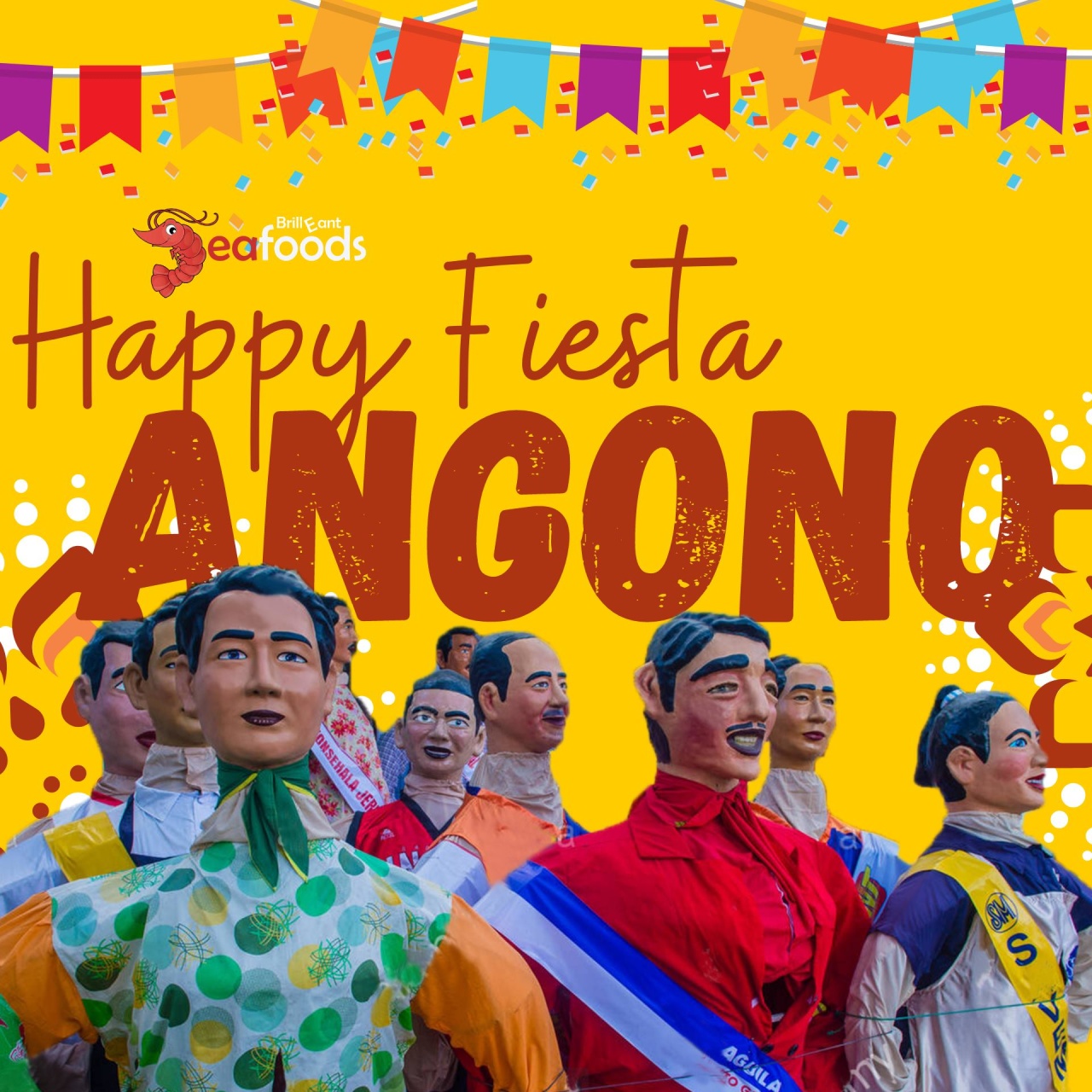
In nearby Angono, a lively fluvial fiesta is celebrated in late January in honor of San Clemente. Located along Laguna de Bay, the celebration features a joyful river procession in which the saint’s image is carried on a decorated barge while fishermen’s boats circle around it. Participants share food and drink as the boats glide across the water, creating a festive and communal atmosphere. Spectators often find themselves splashed with water during the procession, and if they manage to stay dry, cheerful revelers on land will likely drench them with lake water anyway. Angono is also the hometown of the renowned Filipino painter Carlos V. Francisco, whose artworks frequently portrayed scenes from this vibrant fiesta.
Not far away, the town of Pateros celebrates the feast of Santa Marta with another unique fluvial procession. One of its most striking features is a dancer performing atop a tin-covered crocodile figure that is pulled along the river by boats through thick clusters of water hyacinths. Pateros is also widely known for its production of Balut, a famous Filipino street food.
Further south in Lucban and nearby Sariaya, the feast of San Isidro Labrador on May 15 is celebrated with the colorful Pahiyas Festival. During this event, residents decorate their homes with elaborate displays of agricultural products to honor the patron saint. Rice stalks, fruits, vegetables, woven hats, dried fish, and even carabao skulls adorn the houses. A special decorative item called Kiping—made from rice flour and shaped like translucent leaves in shades of pink, yellow, and green—is arranged in large clusters resembling colorful petals. The presence of well-preserved ancestral houses in Lucban and Sariaya adds to the charm of these celebrations, creating a picturesque setting for one of the Philippines’ most visually striking fiestas.
New Year in the Philippines
New Year while in the Philippines is all about beckoning in good fortune and round things,. Particularly money. According to the Associated Press: approximations are found everywhere, from polka-dotted dresses to a feast of 12 round fruits. Filipinos also leave their lights on and their doors open, to signal a bright year ahead. There is a big fireworks display over skyscrapers in Makati, Manila,
New Year's Day is celebrated with a feast of roast sucking pig and the lighting of firecrackers. It is often more of a family holiday than Christmas. It is combined with Rizal Day on 30 December to provide time for people to go home to their province. Midnight on New Year's Eve brings an outburst of firecrackers and gunfire from randomly aimed firearms. On New Years eve when the clock strikes twelve, Filipino kids have traditionally jump as high as they could in the belief that doing so would make them grow taller.
New Year Superstitions: 1) Wear a polka-dot shirt or dress to prosperity on New Year’s Eve to attract prosperity the whole year round. 2) Exploding firecrackers and ringing bells at the stroke of midnight on New Year will bring good luck. 3) If the first sound one hears at the stroke of midnight is a dog barking or a cock crowing, the coming year will be gloomy for such is an omen of financial difficulties ahead, sickness, typhoons and other calamities. But if the first sound is that of a goat, a cow or a carabao (water buffalo), the year ahead will be prosperous. 4) On New Year one must refrain from buying a lot of things, instead one must save money to increase one’s savings the whole year. 5) Merchants should sell their wares at a low price during New Year to attract more business. 6) Raining on New Year means prosperity and a bountiful harvest for the year. 7) Everyone must rise early and keep busy on New Year. 8) Whatever one does on New Year, whether constructive or counter-productive, will determine how he will fare for the rest of the year. [Source: felixfojas.wordpress.com , March 6, 2012 ^*^]
New Year's Eve Gunfire and Fireworks in the Philippines
The Philippines hosts one of the world’s most boisterous and hazardous New Year's Eve celebrations. Health officials have long tried to discourage the use of dangerous fireworks by displaying graphic images of injuries, including hands severely damaged by exploding firecrackers. The national police chief has even warned officers that firing their guns in celebration could result in dismissal. Many Filipinos, influenced partly by China’s traditions, believe that loud celebrations drive away evil spirits and misfortune. However, the belief has often led to extreme practices, with people setting off powerful firecrackers and firing guns to welcome the new year despite the risk of arrest. [Source: Associated Press, January 1, 2013; AFP, ABC, December 31, 2013]
Although the number of injuries has declined in recent years due to economic hardship and government awareness campaigns, the figures remain troubling. Authorities have launched graphic scare campaigns, including television advertisements in which doctors display surgical saws and cleavers used to amputate the hands and fingers of firecracker-blast victims. In another unusual campaign, a senior health official even danced in schools and public spaces to the hit song Gangnam Style by Psy to attract attention and warn children about the dangers of fireworks.
Under Philippine law, stores are allowed to sell only small fireworks, but many still offer larger and more dangerous types that can seriously injure or kill when mishandled. As New Year's Eve approaches each year, last-minute buyers crowd markets to purchase fireworks, often ignoring official appeals for quieter and safer celebrations. For many families, the tradition remains deeply ingrained.
Some of the most popular firecrackers include the “Judas’ belt,” named after Judas Iscariot, the disciple who betrayed Jesus Christ. It consists of a string of triangular crackers that explode rapidly like machine-gun fire when ignited. A longer version, known locally as the “python,” is often wrapped around lamp posts or trees and set off just minutes before midnight, creating a deafening welcome for the arrival of the new year.
Hundreds Injured by New Year's Eve Gunfire and Firecrackers 2012 and in 2013
More than 400 people were injured by powerful firecrackers and gunfire during New Year's Eve celebrations in the Philippines welcoming 2013. Although the total of 413 injuries represented a 17-percent decrease from the previous year, officials still considered the number alarmingly high. Among the victims was a seven-year-old girl in Caloocan who was struck in the head by a stray bullet fired during the festivities. Health Secretary Enrique Ona said the bullet remained lodged in her head and that her chances of survival were uncertain. Another tragedy occurred in Mandaluyong, where a child was accidentally killed by a shell from a homemade shotgun during the celebrations. Authorities also reported several serious injuries, including a man who lost his hand while lighting a large banned firecracker known as “Goodbye Philippines.” At least eight other people were struck by celebratory gunfire, highlighting the continuing dangers of the annual festivities. [Source: Associated Press, January 1, 2013; AFP, ABC, December 31, 2013]
The injuries occurred despite a police crackdown on illegal fireworks in Manila and other areas. More than 300 vendors and users of prohibited firecrackers were arrested before the holiday. However, the campaign was embarrassed by a controversy when video footage appeared to show several police officers taking boxes of confiscated fireworks shortly after they had been displayed to reporters at a press conference. The officers later faced possible disciplinary action. In the days leading up to New Year's Eve, authorities had already recorded hundreds of injuries.
According to AFP more than 260 people were hurt by fireworks or stray bullets before the main celebration. Victims included an eight-year-old boy in Cebu City who lost his right hand in a firecracker blast and a woman in Manila who suffered an accidental gunshot wound.Health officials warned that the situation could worsen as midnight approached. A spokesperson for the Philippine Department of Health, Eric Tayag, said authorities expected between 50 and 80 fireworks-related injuries every hour during the 12-hour period surrounding midnight. Despite repeated warnings and enforcement efforts, the country’s loud and hazardous New Year traditions continued to cause widespread harm.
In 2012, Fireworks and gunfire during New Year's Eve celebrations in the Philippines and injured hundreds of people, filling hospital emergency rooms in Manila shortly after midnight. Two children were killed by stray bullets. Health Secretary Enrique Ona reported 454 injuries from firecrackers and 18 from stray bullets, slightly fewer than the previous year but still alarming. Authorities said the situation was worsened by heavy smoke from fireworks that reduced visibility at Ninoy Aquino International Airport, forcing about a dozen flights to be cancelled or diverted. Hospitals prepared for the celebrations by placing trauma teams on alert, while police arrested at least 65 people for using illegal firecrackers. [Source: Jill Reilly, Daily Mail, January 1, 2012]
Reports from Agence France-Presse and ABS-CBN News said the country welcomed the New Year with its customary noisy celebrations, but the festivities resulted in at least 546 injuries nationwide. Most of the injuries were caused by fireworks, particularly in the National Capital Region, where 95 percent of the cases were recorded. Children were especially vulnerable, with about one-third of the victims aged between one and ten years old. Officials linked the high number of injuries to cheap locally made firecrackers, alcohol consumption during celebrations, and large crowds of bystanders.
Authorities also recorded numerous casualties from stray bullets and several deaths in different regions, including Pangasinan, Davao, and Taguig. Meanwhile, firefighters in Manila battled multiple blazes caused by fireworks, including fires at a university, an apartment building, and an abandoned residential area. Officials noted that despite government warnings and police monitoring, the widespread presence of unlicensed firearms and the popularity of fireworks continued to make the country’s New Year celebrations dangerous.
Eighteen Killed in New Year’s Celebrations in 2004
In 2004, Reuters reported: “As Filipinos slept off the revelry of New Year's Eve, police and hospitals reported 18 deaths and hundreds of injuries from firecracker mishaps and stray bullets.A barrage of noise and light began across the nation at dusk, exploding into the early hours of 2004 from backyards, street parties and organised displays. Despite what police called a peaceful party, fireworks were again the culprit in most of the accidents. [Source: Reuters, January 1, 2004]
At least 18 people were killed at a market in Lucena City, about 100 kilometres southeast of Manila, when a firecracker vendor set off a massive blaze by testing his wares too close to his storeroom, police said. The death toll may rise as 22 people were missing, they said. Eleven fires in Manila raced through a home for the disabled, a plastics factory, another market and dozens of houses but caused no serious injuries.
“At least 500 people were hurt by exploding firecrackers and 11 wounded by celebratory gunfire, including a 13-year-old girl hit in the arm by a bullet as she watched a fireworks show. "We're still getting reports from the field but I think the celebration was generally peaceful," Joel Goltiao, a national police senior superintendent, said. "Although the mood was very festive, there were less casualties than we expected."
“In the run-up to New Year's Eve, officials urged the public to leave guns at home and take care with fireworks, as newspapers ran photos of hands missing fingers and other grisly injuries. Even police officers faced scrutiny after eight were arrested last year for firing weapons in the air. This time, tape was put over gun muzzles so commanders could tell who broke the rules.
All Saints Day in the Philippines
Christian Filipinos customarily remember, honor, and pay respect to the dead on All Saints Day (November 1) and All Souls Day (November 2). Families gather at the cemetery where their ancestors are buried to hold a 24-hour vigil. The grave sites are cleaned, visited, and adorned by family members, relatives and friends on the eve of November 1, to stay at the cemetery, to light candles, to pray, to lay flowers, and bring food for the consumption of the attendees. Others, like the Ilocano’s, offer food for the dead. Some children habitually gather candle wax during this time for the purpose of play or reselling to candle makers.
All Saint's Day is a national holiday to honor the dead. Families meet at the cemetery and stay throughout the twenty-four hours. Candles and flowers are placed on the graves. Food and memories are shared, and prayers are offered for the souls of the dead. When a family member visits a grave during the year, pebbles are placed on the grave to indicate that the deceased has been remembered. On October 31 children in rural villages in the Philippines often go house to house asking for small sums of money — a traditional almsgiving. Filipino families also spend much of the evening visiting their ancestral graves, showing respect and honor to their departed relatives by feasting and offering prayers.
Professor Susan Russell at Northern Illinois University wrote: “ Death is always an occasion that marks a society's traditions, and in the Philippines funerals are usually accompanied by somber village processions and music, essential parts of Roman Catholic ritual practice. Filipino indigenous religious beliefs traditionally celebrated rice planting and harvesting times, the death anniversaries of departed ancestors, and these have been blended in meaning and timing with Catholic rites such as All Saint's Day and Fiesta de Mayo. In this kind of religious syncretism, blending the rites and meaning of two totally separate societies, the outcome is often a surprise rather than a foregone conclusion. [Source: Professor Susan Russell, Department of Anthropology, Northern Illinois University, seasite.niu.edu]
All Saints Day has its roots in celebrations that stretch back to ancient Rome and traditionally honored saints. In the Philippines it a day to pray for — and most importantly remember — the deceased. According to AFP: The annual pilgrimage to the cemeteries triggers a mass exodus from the capital, with millions travelling back to their home provinces where relatives are buried. Bus stations, airports and roadways were thick with travellers, while police were deployed in large numbers across the country. [Source: AFP, November 2, 2019]
All Saints Day Observances and Etiquette in the Philippines
During All Saints Day, Filipinos clean the graves, whitewash gravestones and tidy the plots.Poorly maintained graves reflect the kin’s lack of regard for the dead. Many hold an all-night vigil and light candles over tombstones. [Source: “Culture Shock!: Philippines” by Alfredo Roces and Grace Roces, Marshall Cavendish International, 2010]
Those attending these observances are expected to dress in simple, subdued clothing. Religious rites may be performed by a priest at the gravesite, offering blessings and prayers for the souls of the departed. Family members often stand quietly by the grave marker for a period of reflection or prayer, sometimes for half an hour or more. Candles are lit and placed on the tomb, and it is customary to bring flowers—either arranged in a vase or offered as a simple bouquet—as a gesture of respect and remembrance.
Despite the solemn purpose of the occasion, the gathering often takes on a social atmosphere that reflects the Filipino sense of family and community. Vendors gather around cemeteries to sell candles, flowers, food, toys, and refreshments to the large crowds visiting on All Souls’ Day as well. Entire families—including children—come to spend time near the graves of loved ones. After prayers and blessings, relatives may chat, share food, and pass the evening together. Some families even bring tables and chairs, play games such as mahjong during the night vigil, or listen to music on portable radios. In certain cases, families prepare elaborate meals, sometimes even roasting a whole pig at the gravesite.
Celebrating All Saints Day in the Philippines
John M. Glionna wrote in the Los Angeles Times in 2006, All Saints' Day and All Souls' Day includes music and socializing, bringing a festive atmosphere to grounds usually associated with an eerie quiet and calm. October is a busy month” at Norte, Manila’s largest cemetery. “Laborers scramble to clean up Norte before visitors arrive for the religious holidays. The streets are swept and scoured, mausoleums painted, the legions of orphaned beggar children chased away. The traditional gifts that families leave behind at the graves — cooked meats, apples, oranges and pears — are scavenged by Norte's families. In this graveyard ghetto, such precious sustenance cannot go wasted. [Source: John M. Glionna, Los Angeles Times, October 31, 2006]
In 2019, AFP reported: Filipinos poured into cemeteries by the millions for a rite to remember their dead, blending expressions of grief and faith with a party-like ambiance. Vendors hawked cartoon-themed balloons and police seized karaoke machines at graveyard checkpoints, while inside families swept tombs clean and prayed before candles as part of All Saints' day. Among the mass of people at a Manila cemetery was 17-year-old Clarissa Limbing, who had come to visit the mother she lost to cancer six years ago. "When we don't visit them, someone from the family gets sick and we know it's her making her presence felt," Limbing told AFP, . "It's important." Carlito Ortiz, 50, paid his respects to parents who had died when he was still a teenager. "I feel that my parents want me to see them," he said. "I do it so their souls may rest in peace." With offices and schools closed, dense crowds carrying bouquets as well as bags heavy with picnic supplies and the odd bottle of beer poured through graveyards.[Source: AFP, November 2, 2019]
In many graveyards flickering candles sent rivulets of melted wax down freshly whitewashed tombs, which were topped with religious icons for the occasion. However, as the flow of humanity surged into the cemeteries, police seized "gambling materials" like playing cards and anything that could be used to start a fire. Officers also confiscated the occasional bottle of booze, including one case where they made a show before TV crews of arresting a man who had wheeled a cooler of iced beers into a Manila cemetery. Church officials in Asia's Catholic outpost emphasised the reflective aspect of the day, insisting people interested only in "drinking, merry-making, chatting" do so elsewhere. "If you're going there just merely for a reunion, without praying for the dead, it defeats the purpose," said father Jerome Secillano, spokesman for the nation's Catholic Bishops' conference.
Image Sources: Wikimedia Commons
Text Sources: “Encyclopedia of World Cultures Volume 5: East/Southeast Asia:” edited by Paul Hockings, 1993; “Culture Shock!: Philippines” by Alfredo Roces and Grace Roces, Marshall Cavendish International, 2010; National Geographic, Live Science, Philippines Department of Tourism, New York Times, Washington Post, Los Angeles Times, Smithsonian magazine, Encyclopedia.com, Library of Congress, The Conversation, The New Yorker, Time, BBC, CNN, Reuters, Associated Press, AFP, Lonely Planet Guides, Google AI, Wikipedia, The Guardian and various websites, books and other publications.
Last updated March 2026