
When we picture learning in the past, it’s tempting to imagine something either heroic or hopeless. On one side, wise elders passing down ancient truths by firelight. On the other, a world where most people knew very little and education barely existed. Reality, as usual, sits somewhere in between.
For most of human history, learning was not a separate activity. It wasn’t something you scheduled or measured. You didn’t “go to school” to learn how to survive, work, or belong — you learned by being present. Knowledge was woven into daily life, picked up slowly, often without anyone labeling it as education at all.
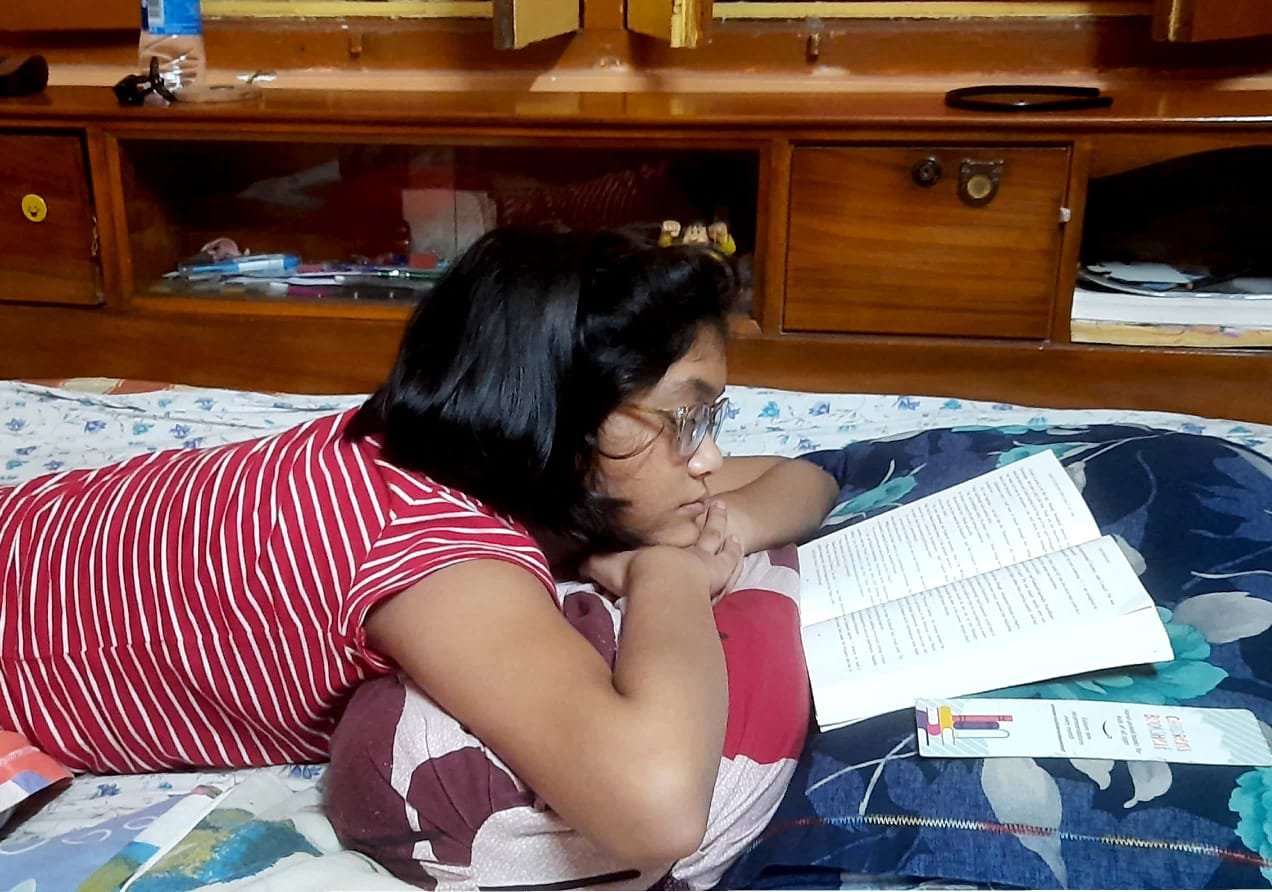
In that sense, people were surrounded by teachers, even if none of them stood at a blackboard. Parents, neighbors, masters, and travelers all carried fragments of knowledge. When those fragments were missing or unclear, learners sought guidance wherever they could. Today, students often turn to PapersOwl educational services for help with homework. The forms of support change, but the impulse stays familiar: a quiet need to understand what no one has fully explained. Across centuries, the ways we learn may evolve, but the human drive to seek knowledge and guidance remains constant
Learning Without Lesson Plans
In early societies, learning rarely followed a straight line. There were no syllabi, no grades, and no clear moment when someone could say, “Now you know enough.” A child learned to farm by following adults into the fields, season after season. A future hunter learned by watching, waiting, and failing — sometimes publicly.
Mistakes were not separate from learning; they were learning. If a tool broke, you understood why. If a harvest failed, the lesson was painful but memorable. Knowledge arrived tied to consequences, which made it stick.
This kind of learning demanded patience. There was no rush to master something quickly. Skills unfolded over years. In a world without shortcuts, time itself became a teacher.
Stories as Silent Instructors
Before books were common, stories carried enormous weight. They traveled easily and stayed in memory long after details faded. A story about a foolish ruler might quietly teach political caution. A myth about angry gods could encode warnings about nature or social behavior.
What made these stories effective wasn’t accuracy in the modern sense, but resonance. They spoke in images, not definitions. They left space for interpretation. And because they were told aloud, they changed slightly each time, shaped by the teller and the audience.
This flexibility wasn’t a flaw. It allowed knowledge to adapt. Instead of freezing information, stories kept it alive.
Apprenticeship: Learning With Your Hands
One of the clearest examples of structured learning before modern schools was apprenticeship. But even here, structure looked different. You didn’t enroll; you were accepted. You didn’t graduate; you became competent.
An apprentice learned by proximity. You stood close. You watched carefully. You did small, boring tasks long before touching anything important. The lessons were rarely spelled out. They were absorbed through repetition and correction.
What’s striking is how personal this kind of education was. Your teacher knew you well — your strengths, your impatience, your habits. Learning wasn’t standardized; it was shaped around the individual, for better or worse.
Sacred Spaces and Quiet Discipline
Religious institutions became some of the earliest centers of formal learning. Monasteries, temples, and madrasas preserved texts and trained minds long before public schools existed. But even there, education was not about speed or efficiency.
Students memorized, copied, repeated. They learned discipline as much as information. In some traditions, knowledge was something you earned slowly, through endurance.
Access, of course, was limited. Education in these spaces was often reserved for a small group. Still, the influence of that learning reached far beyond their walls, shaping laws, philosophy, and science.
Learning at the Edges of Society
Not everyone had access to masters or sacred texts. Yet learning happened anyway. Sailors learned navigation by watching the sky. Healers built medical knowledge through trial and error. Traders learned languages by necessity, not textbooks.
Much of this learning was informal, practical, and invisible to history. It left no diplomas behind. But it worked. People knew what they needed to know because their lives depended on it.
This raises an uncomfortable question: how much of learning today is driven by real need, and how much by external pressure?
What the Past Quietly Suggests
Looking back, it’s easy to judge earlier forms of learning by modern standards — to see what they lacked. But it may be more useful to notice what they assumed.
They assumed learning took time. That knowledge lived in people, not systems. That understanding grew through relationships, observation, and repetition.
Modern education has given us scale, access, and speed. But it has also separated learning from everyday life. We study things far removed from direct experience. Sometimes that distance helps. Sometimes it drains meaning.
The way people learned before modern schools reminds us of something simple and easy to forget: learning is not just the transfer of information. It is a human process, shaped by patience, context, and necessity.
And while we can’t — and shouldn’t — return to the past, we can still listen to it. Because hidden in those older ways of learning is a reminder that knowledge doesn’t begin in classrooms. It begins in curiosity, attention, and the quiet effort to understand what the world is asking of us.