
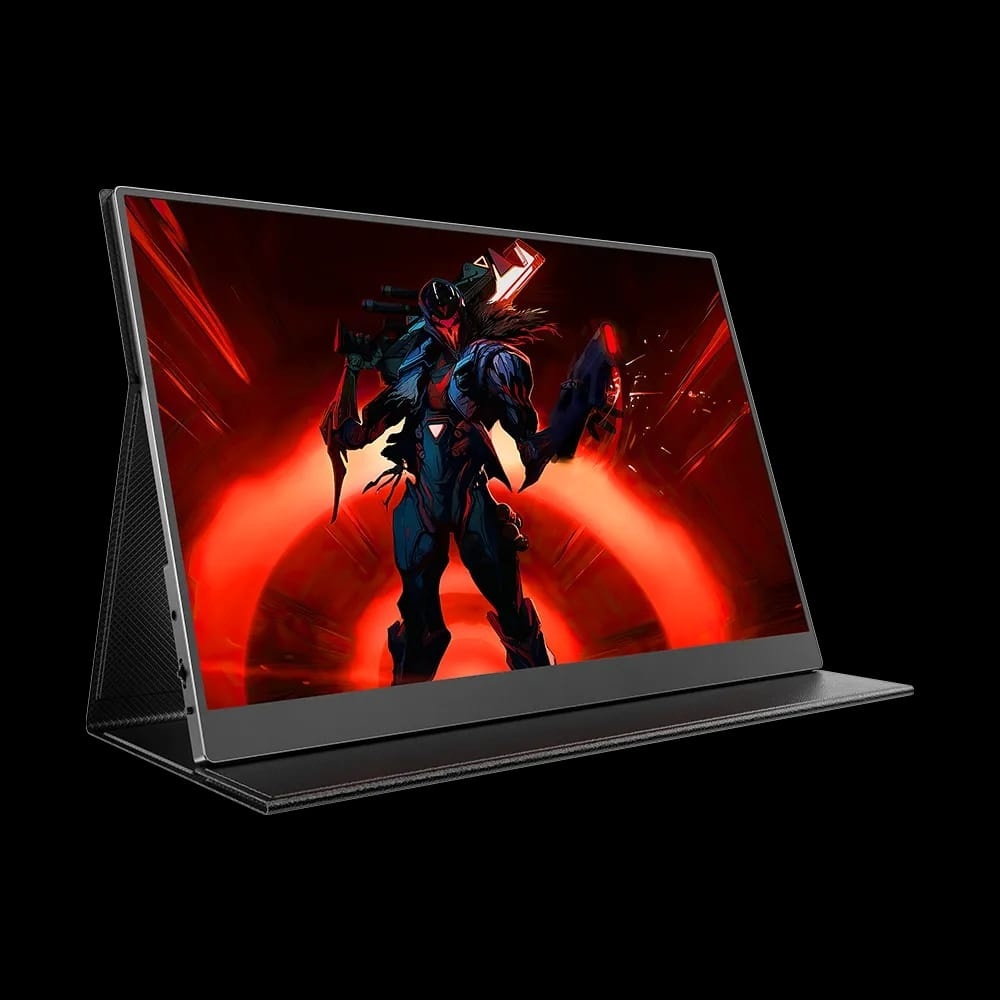
If reaching the end of the workday does not spell relief for you because you would end the day with quite a noticeable headache or irritated visual organs, you surely aren’t the first one to suffer this plight. People, irrespective of whether they put on the glasses of work, study, or gaming, are spending hours on end to unblinkingly gaze at one screen or the other and seldom appreciate the potential damage that these lights can do to their vision. This is precisely the main focus of the Low Blue Light Certification.
Blue Light is not something that is and should be taken as a mere technicality, and, as much as we would like to think that we exist in a utopian world, we truly do live in one where we need these standards and more to ensure that people pay appropriate attention to their vision and rigor with which these standards are needed to be followed.
Who issues the TÜV low blue light certification, and what does it entail?
A monitor would be ‘Low Blue Light Certified’ when, as a result of passing rigorous laboratory examinations, it is determined that the monitor emits lesser quantities of potentially harmful blue light in the energy ranges of 415 ÷ 455 nm and 415 ÷ 455 nm, the ranges with the highest probability of causing undue strain on the eyes and disrupting sleep.
To cut a long story short, a TÜV monitor undergoes the requisite certification processes without distortion to the colors and brightness of the display. The result of this is that one’s eyes do not tire easily when using the device for long hours, which is something that one would naturally expect from these monitors.
The significance of blue light
All devices including laptops, phones, and any sort of monitors generated blue light. Although it helps during the day to keep individuals focus, it can cause interruption with one's circadian rhythm. Vision problems, such as,
● Dry or strained eyes
● Head pain from flickering showing
● Overly bright images
● Difficulty sleeping
can be caused from an overexposure of blue light throughout the day.
How TÜV Tests and Certifies Displays
The TÜV certification is intended to address these concerns by focusing on
● light blue frequencies and false light ratios.
● They provide low blue light displays and standards with up to 32% light blue frequencies for sharp
● low blue light images without dispensing any visual integrity with the illuminated device.
The Science Behind TÜV Standards
The inductive beslutning, or rule of particulars reconciling, serves as an example of governing the TÜV reasoning system and certification standards. Rather than simply attributing an “eye care” label to the device, files for each apparatus are categorized based on the measurement of the blue light ratio, the tonal spectrum of the screen in relation to blue light, and the overall flickering stability of the lit device.
The monitors which include touch panels and professional displays are perfect illustrations of the reliability and certification that the TÜV upholds. They encourage a sense of ensured protection, and carry it with pride in receiving the certification as it is validation that the device has gone beyond standard requirements in visual performance.
Efficiencies of TÜV Low Blue Light Monitors Relate to
Strainfree Usage
Monitors which are certified with TÜV do not emit high energetic blue rays. Hence fatigue, no matter for how long hours one might sit, is lesser.Enhanced Sleep
TÜV certified monitors reduce blue light exposure, which aids during the sleep cycle. Sleep after work, particularly, is easier and is supportive for the mind to relax. Gaming too is easier after long work.Natural Colors
Old blue light filters often made screens look yellowish. Monitors which fall under TÜV category filter indiscriminately and hence, provide a crispy, accurate portrayal of images, movies, and games, ensuring color harmony.Monitors with TÜV certification for Games
With TÜV monitors, one is truly unlocked on the gaming monitors PS5. Monitors used for console gains become even better, and with the lack of need to strain the eyes, the finer details in games become enhanced. Sessions are no longer restricted, and the fatigue, and “burnt-eye” sensation is avoided.
When checking out different gaming monitors, choose the ones that have features such as:
● TÜV Low Blue Light Certification
● Flicker-Free Technology
● High Refresh Rates (120Hz or higher)
● HDR Support
For more comfort, versatility, and the best performance, these have to be combined.
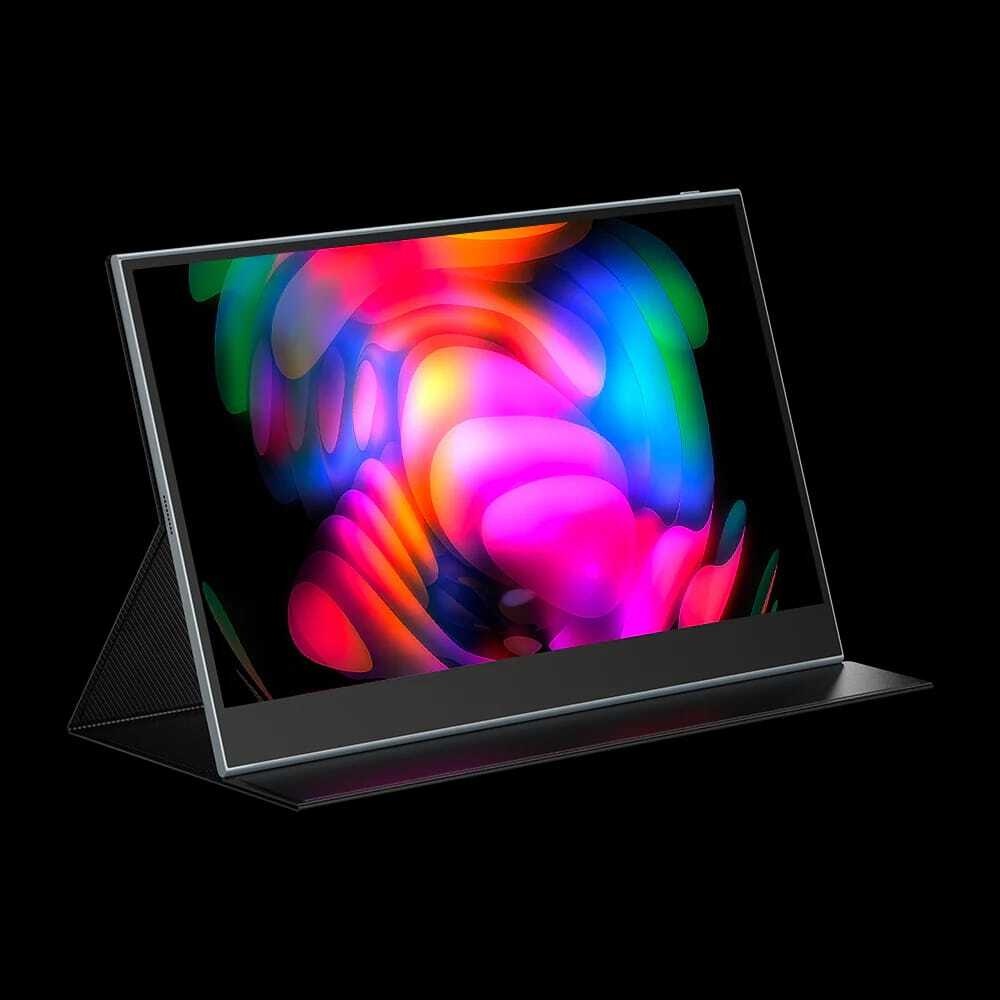
What to Look for When Buying a Monitor that is Certfied by the UPV Rheinland
Before making the purchase, here is a list that you may want to refer to:
Certification Label – Does the specification or package have the logo for the UPV Rheinland Low Blue Light monitor?
Brightness and Flicker-Free Control – Monitors should not dim the brightness to reduce blue light.
Adjustable Modes – Some monitors have “Eye Comfort” or “Reading” modes that are easy to control.
Panel Type – An IPS panel is more effective in blue light filtering to a TN panel or VA panel.
If you spend a long time working, or you are doing creative work on touchscreen monitors , you are better off using the UPV certified ones, as they are more comfortable for faster touch precision and clear image projection.
Adaptive Habits that Enhance the Benefits of the Certfied Technology
Good screen habits still have to be aplied, even when using certfied displays. Try this:
● Every 20 minutes, look 20 feet away and focus on something for 20 seconds. Follow the 20-20-20 Rule.
● Bring the brightness of the monitor to the level of the surrounding light.
● The distance from the screen should be a minimum of an arm's length away and below eye level.
● While working remotely, warm ambient lighting should be used.
FAQs
1. Is the TÜV Low Blue Light certification worth anything?
Yes. It means the monitor has been tested independently, and claims of safe blue light levels are not dependent solely on advertising.
2. Do TÜV certifications impact on the accuracy of the colors being displayed?
No. Certified displays do not lose their balance of colors and brightness, unlike previous blue light filters that rendered screens an unsightly yellow.
3. Is it possible for gaming monitors to possess a TÜV certification?
Of course. Many high-end gaming monitors used for the PS5 and PC have already been fitted with a TÜV certification for greater comfort during extended gaming periods.
4. Is a TÜV certification more valuable than built-in modes for eye comfort?
There’s a greater level of dependability and uniformity with TÜV certification, since software eye comfort modes are more prone to blue light emission than hardware certification.
5. Are there touchscreen monitors with a TÜV certificate from ASUS, Benq, or Uperfect?
Yes. Touchscreen monitors available from ASUS, BenQ, and UPERFECT are certifi ed from TÜV for being flicker-free, which is perfect for a creative or mobile workstation.
This protects eyes and enhances the screen.
TÜV monitors, rather than being a luxury, serve as eye protection for individuals that work, design, or game for long periods of time.
Vague "eye-care" statements should never go unquestioned. Look for the official TÜV Rheinland mark for Low Blue Light technology before purchasing any monitor.
A monitors that brings better balance to the high-frequency emissions of technology, endorsed by TÜV Rheinland, will elevate your productivity and entertainment levels while ensuring your visual comfort, promoting greater eye health, concentration and overall fluency of the workflow.