
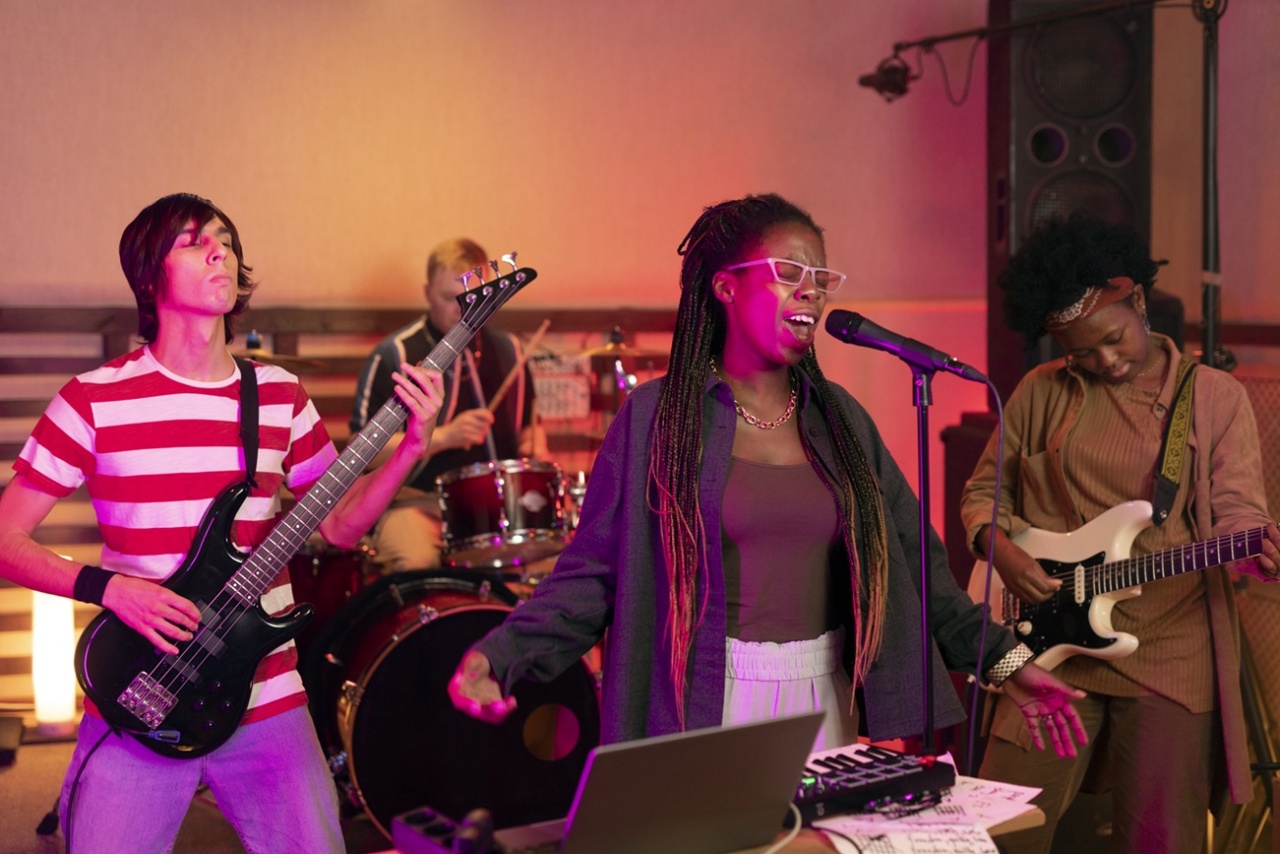
Funny thing about experimental music festivals: the moment you step in, it feels like you’re somewhere else entirely. Not just another concert, not just flashing lights and beats—something different. A student scrolling through practicetestgeeks might wonder, “Okay, I see the line-up, but what actually makes this festival… different?” And that’s exactly the right question. These events aren’t about ticking boxes or setlists; they’re about experiences that sneak up on you, moments you can’t plan for.
It’s weird, but sometimes the loudest sound isn’t music—it’s the way the crowd moves, the way the light hits a forest, the way a synth hum resonates against an oldnd brick wall. And somehow, it all fits together.
The Sound Isn’t Just Sound
Most people think music festivals are about songs. Experimental ones? Not so much.
● Layers of sound interact in ways that aren’t predictable.
● The audience sometimes becomes part of the music.
● Spaces themselves—warehouses, fields, forests—shape the sound.
One attendee told a story about following a drummer through a clearing in the woods. The rhythm bounced off trees in weird ways. Everyone just wandered along, moving with the beat. Someone laughed and said, “It’s like the forest is playing too.” Exactly.
Stories You Can’t Plan
These festivals are full of tiny, unrepeatable moments.
● A trio set up hidden in tents; the crowd had to find them like a scavenger hunt.
● Motion sensors changed the music depending on how people walked.
● Jazz improvisation in an old factory that somehow felt like it was telling a story only the building could understand.
Messy? Yes. Chaotic? Maybe. Human? Absolutely.
Community Is Everything
What’s crazy is how much these events depend on people. Volunteers, musicians, fans—everyone mixes.
● Workshops pop up with DIY instruments.
● Attendees sometimes join in performances.
● Feedback is immediate; the audience literally shapes what happens.
It’s collaborative in a way that most concerts just aren’t. And it’s… alive. You feel it the moment you enter.
Technology Isn’t Just Tools—It’s Play
It’s easy to assume tech makes things sterile. Nope. At these festivals, it’s playful.
● Sensors, modular synths, and live coding respond to movement.
● Visuals interact with sound in real time.
● Even first-timers can build instruments that hum, buzz, or click unexpectedly.
Sometimes mistakes become the highlight of the show.
Space as an Instrument
The venue itself changes everything.
● Forests add natural reverb.
● Old warehouses give metallic echoes.
● Tiny rooms make whispers feel monumental.
The same band in two different places? Totally different experiences. Every festival is unique.
Expect the Unexpected
Organizers embrace surprise.
● Improvised sets appear where you least expect them.
● Genres collide—folk next to glitch, jazz next to electronic.
● The schedule? Flexible, loose, alive.
You can’t just sit back. You have to pay attention. Or wander. Or both.
Tips for Festival Newbies
● Keep an open mind. Expect odd things.
● Explore beyond the main stage; the best sets can be hidden.
● Chat with strangers; conversations spark new insights.
● Document sparingly—sometimes being present is better.
● Let curiosity guide you; follow the sounds that intrigue you.
Ripples Outside the Festival
These events influence culture quietly. Artists, students, hobbyists—they carry lessons about collaboration and experimentation into other areas: jam sessions, classrooms, studios. It spreads, subtly, like a wave.
A Human Wrap-Up
Experimental music festivals aren’t just concerts. They’re experiences, communities, adventures. From unpredictable soundscapes to audience participation, they remind us that music is alive, messy, collaborative. Platforms like practicetestgeeks can guide you through the scene, but nothing compares to just showing up.
And that’s the point. Music, at its core, is human. It’s felt, shared, sometimes chaotic, always memorable.