
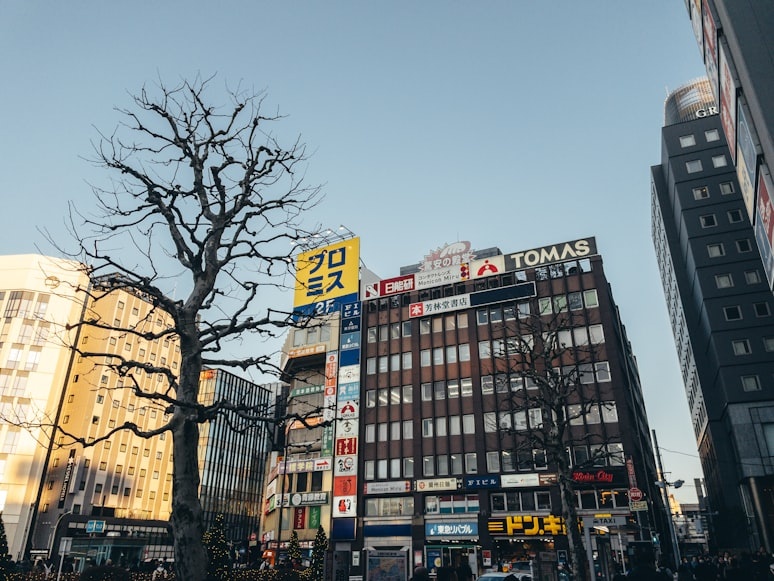
Studying in Japan can be exciting, fun, and a little confusing. Everything from food to classroom rules may feel new or strange. These cultural differences can surprise students who are used to life in the U.S., Canada, Europe, or other countries.
Some changes are easy to spot, like bowing instead of shaking hands. Others, like how group work is handled or how people speak in public, take more time to understand. But knowing what to expect can help students avoid feeling lost.
Studying abroad should be a great adventure - not a stressful puzzle. When adjusting takes more time than expected, having papers writing help available can keep students on track with school while they adapt to life in Japan.
What Culture Shock Feels Like
Culture shock is the feeling students get when everything seems too different. It often starts with excitement, but after a few weeks, small things begin to feel overwhelming. Even simple tasks like buying lunch or asking a teacher a question can feel hard.
In Japan, the rules are polite but strict. People expect quiet trains, clean spaces, and respectful language. Students who speak loudly in public or eat while walking might get confused looks - or be asked to stop.
The good news is this: most students adjust with time. Learning a few key habits before arriving makes everything easier.
Public Behavior Is Much Quieter
In many countries, talking loudly on the phone or joking with friends on the bus is normal. In Japan, this is seen as rude. Most trains, buses, and even elevators are quiet. If a student answers a call on the train, others may stare or move away.
The same goes for eating in public. It's okay in parks or at festivals, but walking down the street with snacks is frowned upon. Many students are surprised by this at first, but they soon get used to the calmer vibe.
To avoid awkward moments, it helps to watch what others do. If locals are silent in a space, students should be too.

School Life Feels More Formal
Classrooms in Japan run differently from those in many Western countries. Students don't usually speak unless called on. Teachers are rarely challenged in class, and debates are not common. Respect for authority is important.
Students should also expect:
●To take off their shoes before entering some school buildings
●To clean parts of the school as part of group chores
●To bow at the start and end of lessons
At first, these customs may seem strict or odd. But they're part of a shared respect that helps Japanese schools run smoothly.
If writing assignments feel confusing due to these changes, students can use paper writing help to stay on track. Ethan Marshall, an education writer at MyPaperHelp, reminds students that adapting takes time. "New systems are hard at first," he says. "Help with schoolwork lets students focus on understanding the culture without falling behind."
Friendships Take Time
In some cultures, students become friends quickly. In Japan, friendships are built more slowly. At first, classmates may seem shy or distant. This isn't coldness - it's careful respect.
Students should be ready to:
●Introduce themselves with their full names
●Join clubs or after-school groups to meet people
●Avoid too much direct personal talk at first
Being open and kind, without pushing too hard, helps. Over time, strong friendships can grow - often lasting longer because they're built with care.
Politeness Matters a Lot
Japanese people are known for being polite. There are many rules for showing respect, and breaking them by mistake can feel embarrassing. This includes bowing, using the right honorifics (like "-san" after a name), and speaking in the right tone.
Even small things matter, like how to pass money at a store (use the tray) or how to stand in line (always in order, never cutting).
These habits can feel strange at first, but students who practice them will blend in more easily. Locals notice when students try - and they appreciate it.
Homesickness Is Normal
Missing home is common when living abroad. Students may miss food, holidays, family, or even the way things smell and sound back home. In Japan, where everything from the weather to vending machines is different, this feeling can be strong.
To manage homesickness:
●Keep in touch with family through regular calls
●Join student groups or clubs
●Bring small reminders of home, like snacks or photos
Talking to other students who are also studying abroad helps too. Many are feeling the same things, even if they don't show it.
Learning the Language Helps a Lot
Most Japanese people speak only basic English. In small towns or local shops, students may need to use simple Japanese. Even learning a few words like "hello," "thank you," or "excuse me" goes a long way.
Using a translation app is okay, but locals appreciate any effort to speak Japanese. Taking a short language class before or after arriving is one of the best ways to adjust.
Understanding signs, labels, and menus also helps students feel more confident each day.
Prepare for Everyday Surprises
Some cultural shocks are small but constant. For example:
●Japan uses cash more than cards
●Trash must be sorted very carefully
●Some public bathrooms have no soap or paper towels
Students walk or bike more than drive
These things can catch students off guard. Reading blogs, watching videos, or asking past exchange students about daily life can help prepare them. And when schoolwork feels too heavy during these adjustments, tools like how to make an essay longer tips can ease the load.
Final Thoughts
Moving to Japan for school is a bold step - and it's worth it. The culture is rich, the cities are safe, and the learning experience is powerful. Still, students should expect culture shock and know how to handle it.
Being open, respectful, and ready to learn is key. Every challenge is a chance to grow. With time, what once felt strange will start to feel normal.
And when things feel too hard to juggle, students don't have to struggle alone. Services like paper help are there to keep schoolwork on track while students adjust to a new life.