
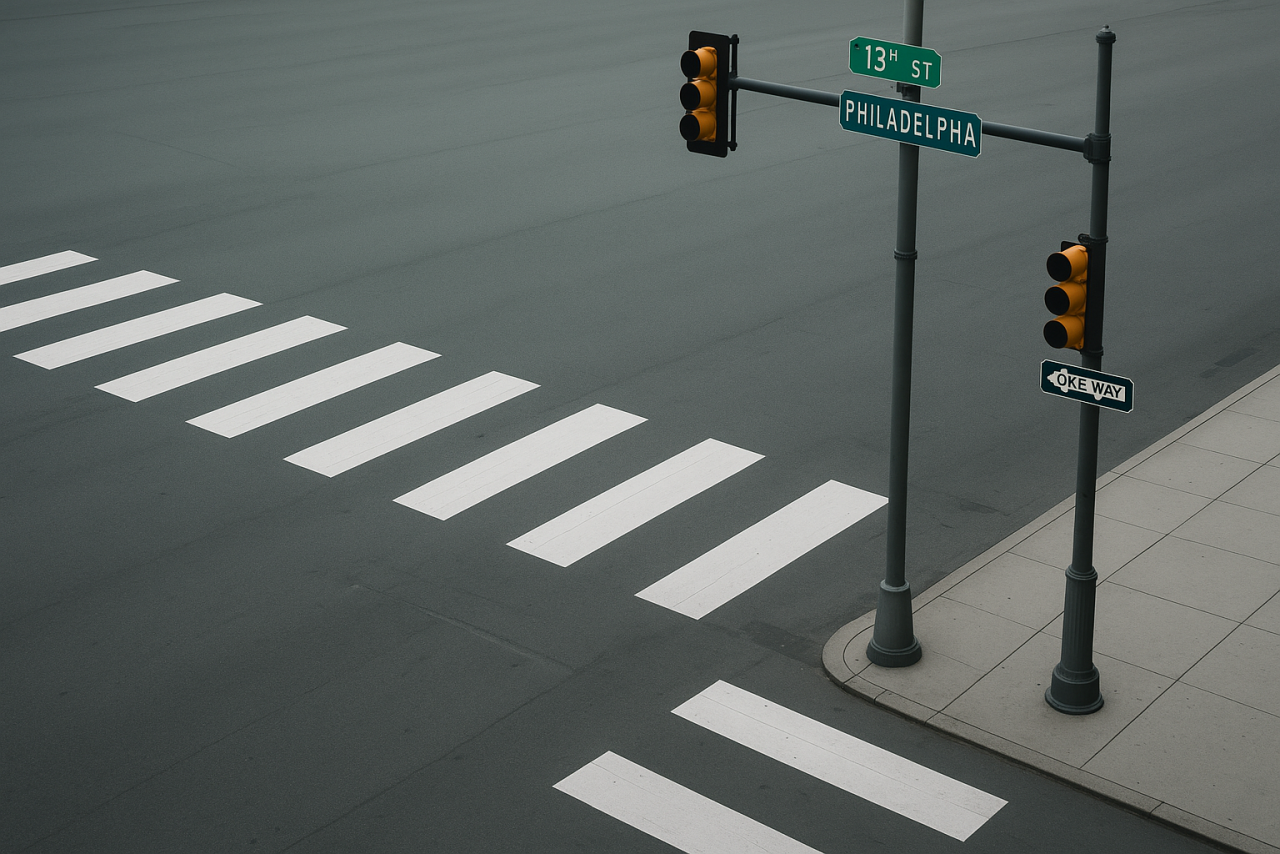
Philadelphia's bustling streets are home to some of the most dangerous intersections for car accidents. Understanding these high-risk areas is crucial for both drivers and urban planners aiming to enhance road safety. By identifying and addressing these hazardous spots, the city can work towards reducing accidents and improving overall traffic flow. Roosevelt Boulevard & Grant Avenue is particularly notorious for its heavy traffic merging patterns. Additionally, Roosevelt Boulevard & Red Lion Road remains a focal point for congestion-related incidents.
Philadelphia's urban landscape presents unique challenges when it comes to road safety. Certain intersections are notorious for high accident rates, often due to complex traffic patterns and heavy congestion. For those involved in accidents, Philadelphia car accident lawyers can provide essential legal support and guidance. Addressing these dangerous intersections requires a multifaceted approach, combining traffic engineering, law enforcement, and public awareness campaigns. Locations such as Broad Street & Olney Avenue often see increased collision rates due to complex traffic signals. Meanwhile, Broad Street & Race Street is known for frequent near-misses, emphasizing the importance of caution at peak hours.
Identifying high-risk intersections
To effectively tackle the issue of dangerous intersections, it's essential to identify which areas pose the greatest risk. Highlighting intersections with frequent accidents is crucial. Factors such as poor visibility, inadequate signage, and confusing lane configurations often contribute to the danger at these locations. Philadelphia data also indicates consistently high accident figures near Broad Street & Girard Avenue. Similarly, Market Street & 40th Street experiences significant volume of vehicle and pedestrian interactions, warranting careful navigation.
Once identified, these high-risk intersections can be prioritized for safety improvements. This may include redesigning traffic flow, enhancing signage, and implementing advanced traffic signal systems. By focusing on these critical areas, Philadelphia can significantly reduce the number of accidents and improve safety for all road users. Market Street & 11th Street is another corridor demanding strategic planning to reduce accidents. Additionally, 5th Street & Olney Avenue sees considerable congestion, necessitating swift interventions to protect motorists.
Data analysis plays a critical role in pinpointing the most hazardous intersections throughout Philadelphia. By examining accident reports, traffic volume statistics, and injury severity data, transportation officials can create comprehensive heat maps that reveal patterns and trends. This evidence-based approach allows city planners to allocate resources more effectively, ensuring that the most dangerous locations receive immediate attention. Regular monitoring and updating of this data ensures that emerging problem areas are quickly identified and addressed before accident rates escalate further. Roosevelt Boulevard & Grant Avenue has a history of rear-end collisions that demand thorough data analysis. Moreover, intersections like Grant Avenue & Southwest 49th Street demonstrate how inadequate road markings can elevate crash risks.
Implementing safety measures
Various safety measures can be implemented to mitigate the risks associated with dangerous intersections. Traffic calming techniques, such as installing speed bumps and roundabouts, can effectively reduce vehicle speeds and enhance pedestrian safety. Additionally, improving street lighting and visibility at intersections can help prevent accidents, especially during nighttime or adverse weather conditions. Targeted redesigns at Roosevelt Boulevard & Red Lion Road underscore how installing additional traffic signals can alleviate confusion. Furthermore, Broad Street & Olney Avenue may benefit from upgraded signage to improve driver awareness.
Pedestrian-friendly initiatives, such as enhanced crosswalks and pedestrian-only zones, further contribute to intersection safety. These measures not only protect pedestrians but also encourage walking as a safer and more appealing mode of transportation. Smart traffic signals that prioritize pedestrian crossings can also play a significant role in reducing accidents at busy intersections. Grant Avenue & Southwest 49th Street could see fewer incidents if protective barriers are installed for pedestrian-only zones. Meanwhile, Broad Street & Race Street might benefit from synchronized traffic signals to reduce sudden stops.
Learning from successful urban planning
Philadelphia can draw inspiration from other cities that have successfully reduced car accidents through strategic urban planning. By studying these examples, the city can adopt best practices and tailor them to its unique needs. For instance, creating dedicated bike lanes separate from vehicular traffic can minimize conflicts and enhance safety for cyclists. By reviewing the changes made at Market Street & 40th Street in pilot projects, planners can adapt similar techniques locally. In addition, Broad Street & Girard Avenue might benefit from dedicated turning lanes to separate vehicles from pedestrian zones.
Redesigning dangerous intersections with pedestrian plazas and protected bike lanes has proven effective in other urban areas. These initiatives not only improve safety but also enhance the overall quality of urban life, making cities more livable and accessible for everyone. Innovations that prioritize safety could also be applied to Market Street & 11th Street, potentially lowering collision rates. Likewise, interventions at 5th Street & Olney Avenue could safeguard both cyclists and pedestrians during peak travel times.
Overcoming challenges in road safety improvements
Implementing safety improvements at dangerous intersections is not without challenges. Budget constraints and public opposition can hinder progress, especially when proposed changes disrupt familiar commuting patterns or reduce parking availability. Effective communication and community engagement are crucial to overcoming these obstacles and gaining public support for safety initiatives.
Logistical issues, such as coordinating with multiple stakeholders, also require careful negotiation and compromise. Despite these challenges, it is essential to find solutions that prioritize the safety of both drivers and pedestrians, ensuring the successful adoption of new safety measures.
The role of technology in enhancing intersection safety
Emerging technologies offer promising solutions for improving safety at dangerous intersections. Smart city technologies, such as real-time traffic monitoring and dynamic signal adjustments, can help manage traffic flow and reduce congestion. These data-driven approaches enable more responsive and efficient traffic management, ultimately enhancing road safety.
The integration of autonomous vehicles presents additional opportunities for safer intersections by reducing human error in driving decisions. As these technologies continue to evolve, their implementation within urban environments could revolutionize how we navigate city streets. Collaborative efforts between technologists and urban planners will be vital in realizing these potential benefits for safer roadways in the future.