
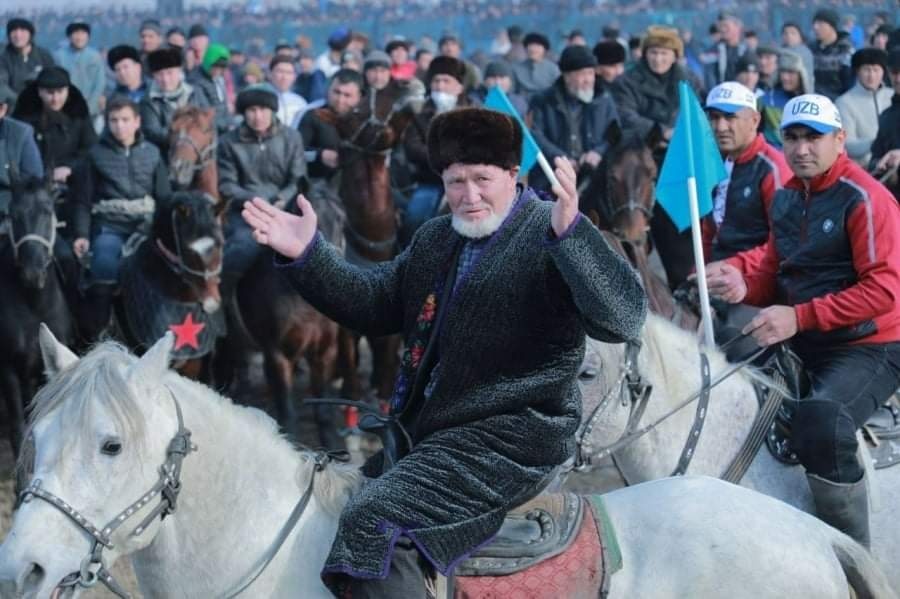
Central Asia, a region steeped in history and culture, is home to diverse ethnic groups, languages, and traditions. The people of Central Asia, including nations like Kazakhstan, Kyrgyzstan, Uzbekistan, Turkmenistan, and Tajikistan, exhibit unique customs and lifestyles. Here are seven interesting facts about Central Asian people that highlight their rich heritage and contemporary practices.
1. Nomadic Heritage One of the most fascinating aspects of Central Asian culture is its nomadic heritage. Historically, many Central Asian tribes were nomadic herders, moving with their livestock across vast steppes and mountains. This lifestyle has shaped their customs, social structures, and even their architecture. Traditional yurts, portable round tents made of felt, are still used by many families today, symbolising their connection to the land and nomadic traditions.
2. Alcohol Consumption and Cultural Attitudes Alcohol consumption in Central Asia varies significantly across different countries and cultures. While some regions have a long tradition of alcohol production, such as vodka in Kazakhstan and various fruit brandies in Uzbekistan, attitudes towards drinking can be conservative, especially in predominantly Muslim areas. However, alcohol is often consumed during celebrations, weddings, and special occasions. The phrase “alcohol help” reflects a cultural understanding that moderate consumption can enhance social interactions and celebrations, although excessive drinking is generally frowned upon. In some communities, non-alcoholic beverages like chai (tea) are preferred, highlighting the diversity of practices even within the realm of alcohol consumption.
3. Hospitality and Guest Culture Central Asian people are renowned for their hospitality. In many cultures within the region, the arrival of a guest is considered a blessing. A common saying is, “A guest is a gift from God.” Guests are often welcomed with a feast, featuring traditional dishes such as plov (a rice dish), manti (dumplings), and various dairy products. The act of sharing food is a vital part of their social fabric, reflecting a deep respect for community and relationships.
4. Rich Folklore and Oral Traditions Central Asian cultures have a rich tradition of storytelling and folklore. Oral histories are passed down through generations, often featuring epic tales of heroes, legends, and moral lessons. The Manas, a monumental epic poem from Kyrgyzstan, is one of the longest in the world and is performed by skilled storytellers known as akyns. These narratives not only entertain but also serve to preserve cultural identity and history.
5. Traditional Music and Instruments Music plays a crucial role in Central Asian culture, often accompanying celebrations, rituals, and daily life. Traditional instruments like the dombra (a two-stringed lute), kobyz (a string instrument played with a bow), and komuz (a three-stringed lute) are central to their music. Each instrument has its unique sound and is often used to tell stories or express emotions. Festivals frequently feature live performances, showcasing the region’s vibrant musical heritage.
6. Unique Culinary Practices Central Asian cuisine is diverse and reflects the agricultural and pastoral lifestyles of its people. One interesting fact is the significance of fermented dairy products, such as kumis (fermented mare's milk) and ayran (a yogurt-based drink). These beverages are not only staples in the diet but are also believed to have health benefits, aiding digestion and providing essential nutrients. The preparation of these products is often a communal activity, reinforcing social ties among families and communities.
7. Modern Influences and Globalisation As Central Asia continues to modernise, the influence of globalisation is increasingly evident. Young people are embracing new technologies, fashion, and lifestyles while still honouring their cultural roots. Social media plays a significant role in this transformation, allowing individuals to connect with global trends while sharing their unique cultural identities. This blend of tradition and modernity is shaping a new narrative for Central Asian societies, where the past and present coexist harmoniously.
The people of Central Asia embody a rich tapestry of traditions, histories, and modern influences. From their nomadic roots and profound hospitality to their unique culinary practices and evolving attitudes towards alcohol, Central Asians offer a fascinating glimpse into a world where ancient customs meet contemporary life. Understanding these aspects not only enriches our knowledge of the region but also fosters a greater appreciation for the diversity of human experience. As Central Asia continues to evolve, its cultural heritage remains a vital part of its identity, ensuring that the stories and traditions of its people endure for generations to come.